
Call of Duty: Modern Warfare 4
Nintendo Switch 2 · PC
Game dossier
Release date TBA
The Rise and Fall of Quake's Game Boy Adventure
The briefing
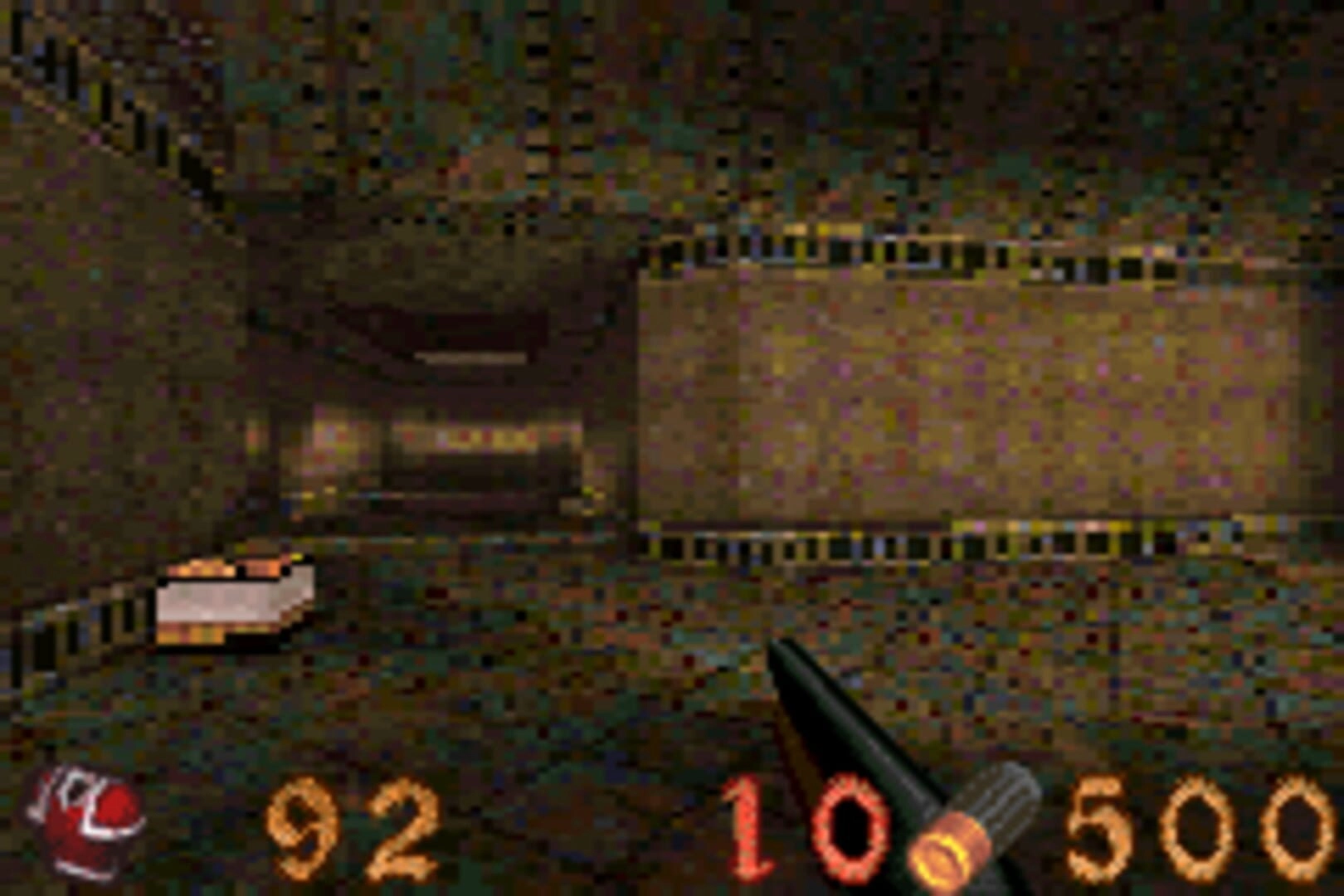
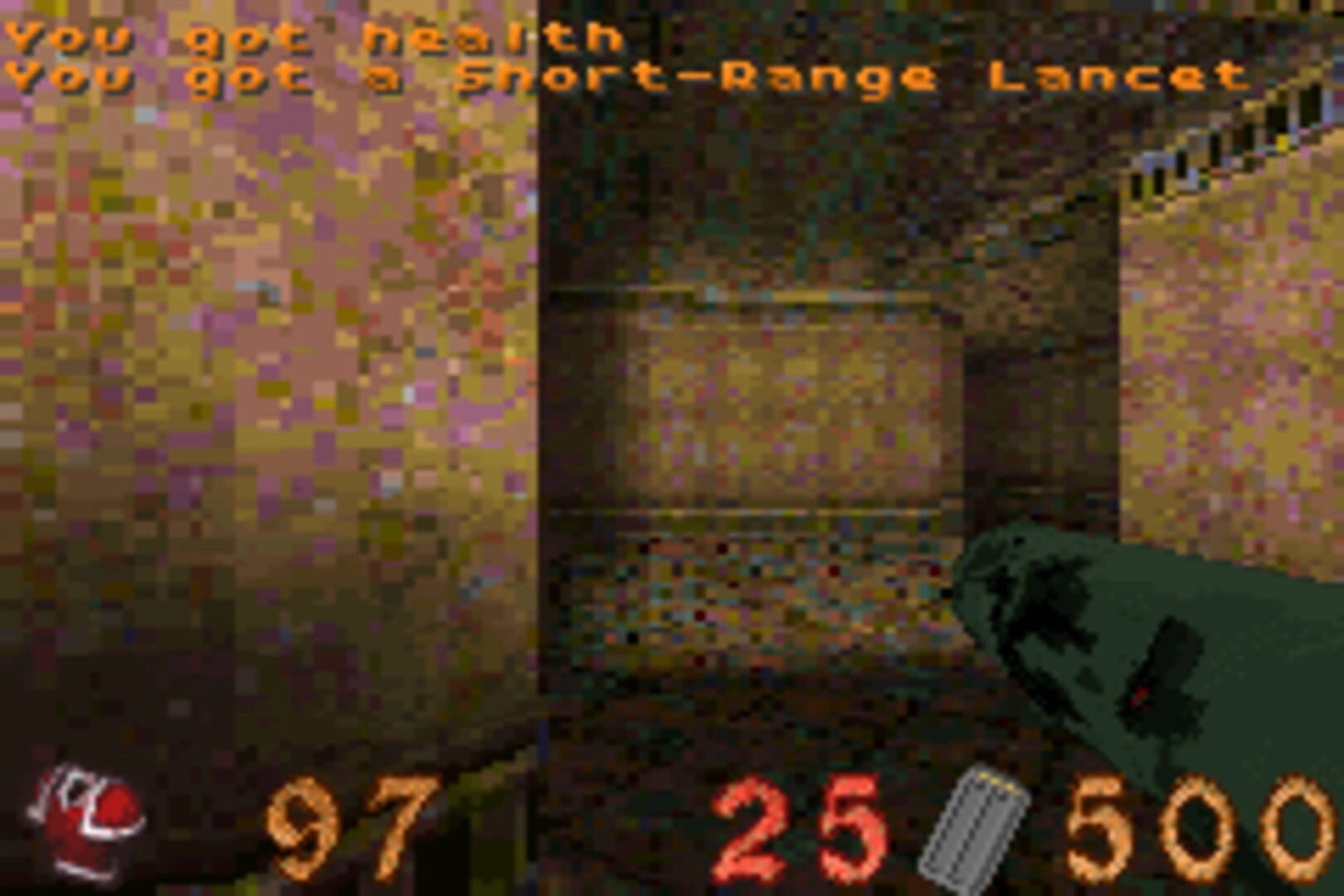
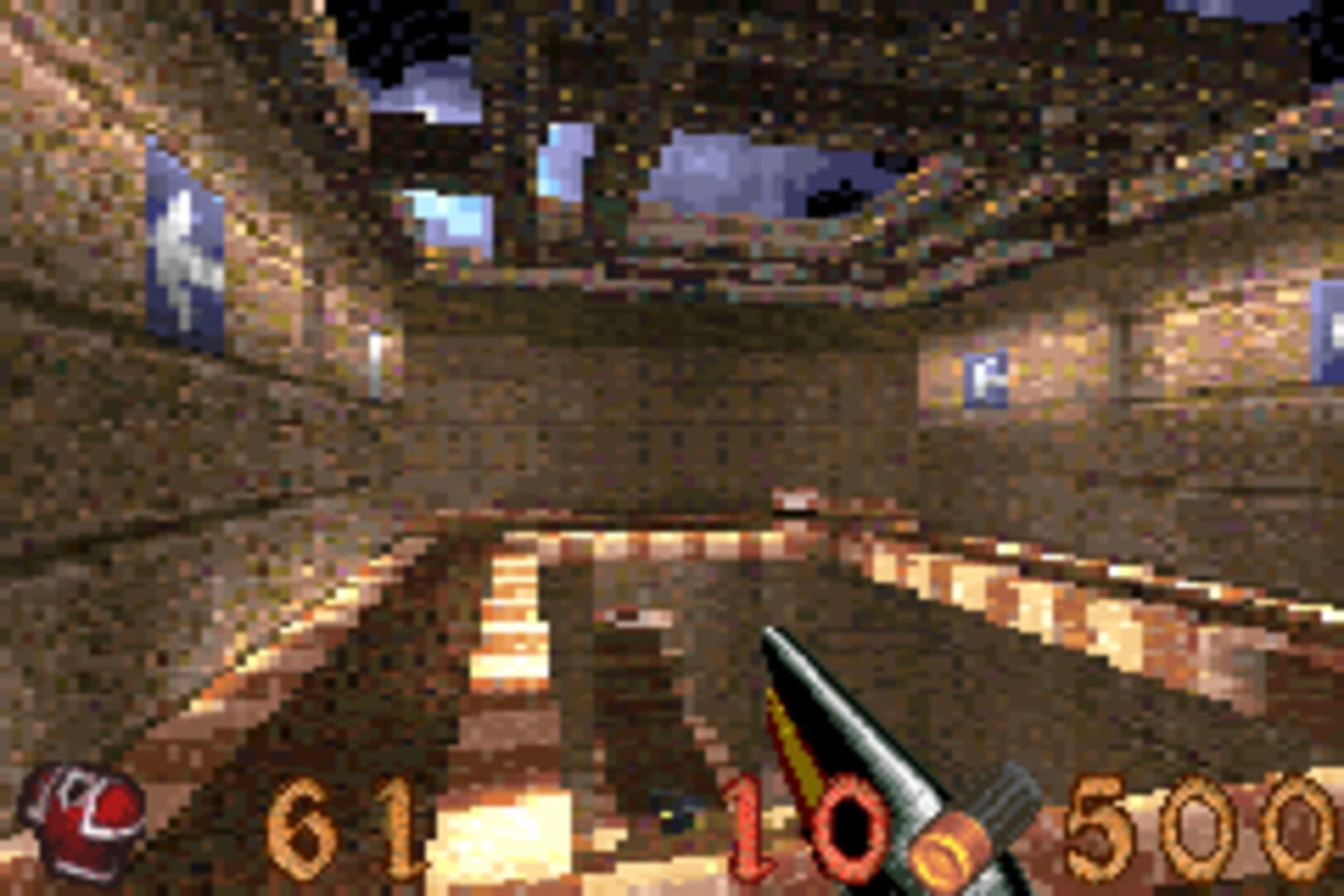
Ah, the classic game Quake. The name alone invokes memories of intense first-person shooter action, blasting enemies to smithereens, and exploring dark and foreboding levels. But did you know that there was once a plan to bring Quake to the portable world of the Game Boy Advance? Buckle up, dear readers, as we journey into the funny and tragic tale of Quake's cancelled Game Boy Advance port.
It all began with great hopes and aspirations. The idea was simple - to bring the gory goodness of Quake to the palm of your hands. Excitement ran high among fans, who envisioned hours of portable Quake madness. But little did they know the journey ahead would be filled with more bumps and setbacks than a ride on a broken rollercoaster.
The development team was facing an uphill battle from day one. The Game Boy Advance, with its limited hardware capabilities, was not exactly the ideal platform for a game like Quake. But hey, where there's a will, there's a way, right?
As the team delved into their task of porting Quake, they soon discovered the challenges that lay ahead. The GBA's hardware simply wasn't powerful enough to handle the game's complex 3D engine. They struggled to fit the game's massive levels into the GBA's tiny memory, resulting in more cuts and compromises than a bad barber on a busy day.
But being the determined bunch that they were, the team soldiered on. They worked day and night, trying to squeeze the essence of Quake into the handheld console. And just when things started to shape up, disaster struck.
The team encountered a glaring issue - the GBA's lack of a second analog stick. Quake relied heavily on precise aiming and movement, and without that second stick, the gameplay experience would be severely compromised. It was like trying to drive a car with only one wheel. Sure, you could do it, but would it be enjoyable? Probably not.
Undeterred, the team came up with a peculiar solution. They decided to implement a novel control scheme using the GBA's shoulder buttons for aiming. Yes, you read that right. Picture yourself frantically twisting the GBA in your hands, contorting your fingers to reach those tiny buttons in an attempt to blast away your enemies. Sounds like a wacky circus act more than a gaming experience, doesn't it?
Alas, these control gymnastics were the team's last desperate attempt to salvage the port. They delivered a playable demo to their higher-ups, hoping for a miracle. But sometimes, even the mighty Quake can't save the day. The demo was met with a resounding "meh" from the higher-ups, and plans for the game's release were promptly shelved.
And so, the Game Boy Advance port of Quake became a lost relic of the gaming world. But let's not shed any tears for this ill-fated project. Instead, let's celebrate the hilarity that ensued during its development. Because if there's anything we've learned from this tale, it's that sometimes you have to laugh in the face of defeat.
And so, we bid adieu to Quake's cancelled Game Boy Advance port - a journey filled with ambition, setbacks, and control schemes that would make any contortionist cringe. Remember it as a testament to the wild and unpredictable world of game development, where even the mightiest of games can stumble and fall.
Farewell, Quake on Game Boy Advance. Your memory shall forever be etched, not in the annals of gaming history, but in the hearts of gamers who dreamt of portable Quake madness that never was.
In the end, all we can do is smile and appreciate the quirkiness of this gaming tale. And perhaps, just perhaps, be grateful that we never had to endure a contorted gaming experience that involved shoulder buttons and twisted GBA acrobatics. Cheers to the cancelled Quake port - a legend in its own right, even if it never graced our GBA screens.
See it in action
Select an image to view full size
Keep exploring
Nintendo Switch 2 · PC
PC · PC (Microsoft Windows)
PC · PC (Microsoft Windows)

PC · PC (Microsoft Windows)