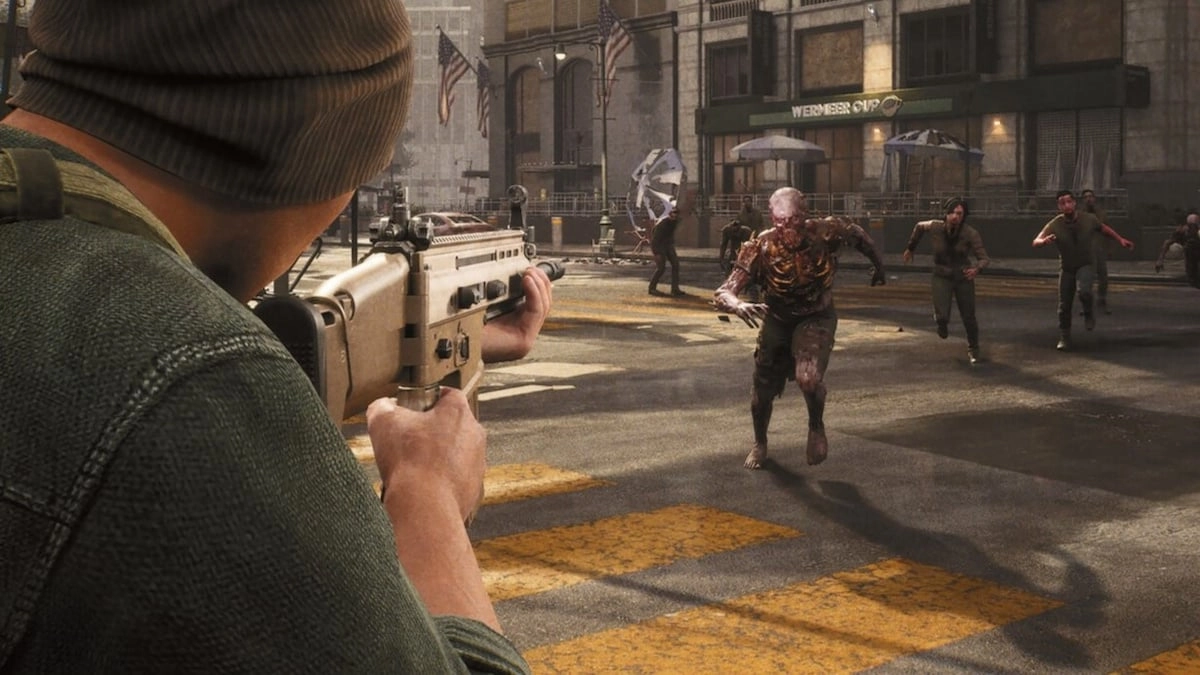
'The Day Before', a game that sparked much interest among the gaming community with the promise of an immersive survival MMO experience, launched into a whirlwind of controversy and disappointment. Met with a wave of negative feedback, this game's entry into the gaming market has been nothing short of tumultuous.
The game, which made a bold entrance with announcements of a future PS5 release, found itself at the center of a critical storm shortly after its early access launch. Billed to be a groundbreaking survival MMO, it turned out to resemble more of an extraction shooter peppered with survival elements. Players were quick to unravel the layers of hype only to be confronted with a myriad of issues that tarnished the in-game experience.
Chief among the problems cited by players were bugs and the lack of proper optimization, which severely degraded gameplay. Even more disheartening was the realization that the supposed threat posed by the game's zombies was virtually non-existent, undermining the core excitement one would expect from a zombie apocalypse scenario. Further compounding the issues, players encountered unstable servers that struggled to keep up with the demand, leading to an even more frustrating experience.
What makes this scenario particularly notable is that despite a growing list of concerns highlighted throughout the year, 'The Day Before' managed to attract nearly 40,000 concurrent players soon after launch, each shelling out £30 / $40. This initial rush, however, could potentially lead to a wave of refunds, thanks in part to Steam's consumer-friendly refund policy – a lesson some feel platforms like PlayStation could learn from, particularly as they engage in collaborations with Valve.
Players and critics alike did not mince words when sharing their opinions online. Negative reviews flooded in, painting a dire picture of an experience described by some as nothing more than a 'cash grab'. Complaints ranged from a lack of a proper gameplay loop to seemingly AI-generated art strewn across the city's billboards, an apparent lack of animations for zombies, and a glaring absence of mission design.
In the face of mounting criticism, the developers, Fntastic, issued an apology for the game’s poor marketing and vehemently denied scam accusations. They positioned themselves as hardworking individuals akin to their players, suggesting an intention to pivot and salvage the game’s reputation.
Despite these reassurances, it remains to be seen whether the team at Fntastic will be able to navigate through the storm and transform 'The Day Before' into the success many had hoped for. Indeed, if the game eventually transitions onto the PlayStation platform, potential buyers are advised to approach with caution.
The situation showcases a classic struggle within the gaming industry – balancing the buzz and anticipation of new releases with the delivery of a polished product that lives up to expectations. It is a reminder that behind the flashy trailers and slick marketing campaigns, the true value of a game is ultimately determined by the user experience it delivers.
Gamers are encouraged to keep a watchful eye on developments and heed the experiences of early adopters. Meanwhile, Fntastic has an uphill battle ahead to rebuild trust with their audience and deliver on the original vision of 'The Day Before'. Whether they succeed or falter in this endeavor will be a narrative closely followed by the gaming community.

You must be logged in to post a comment!
