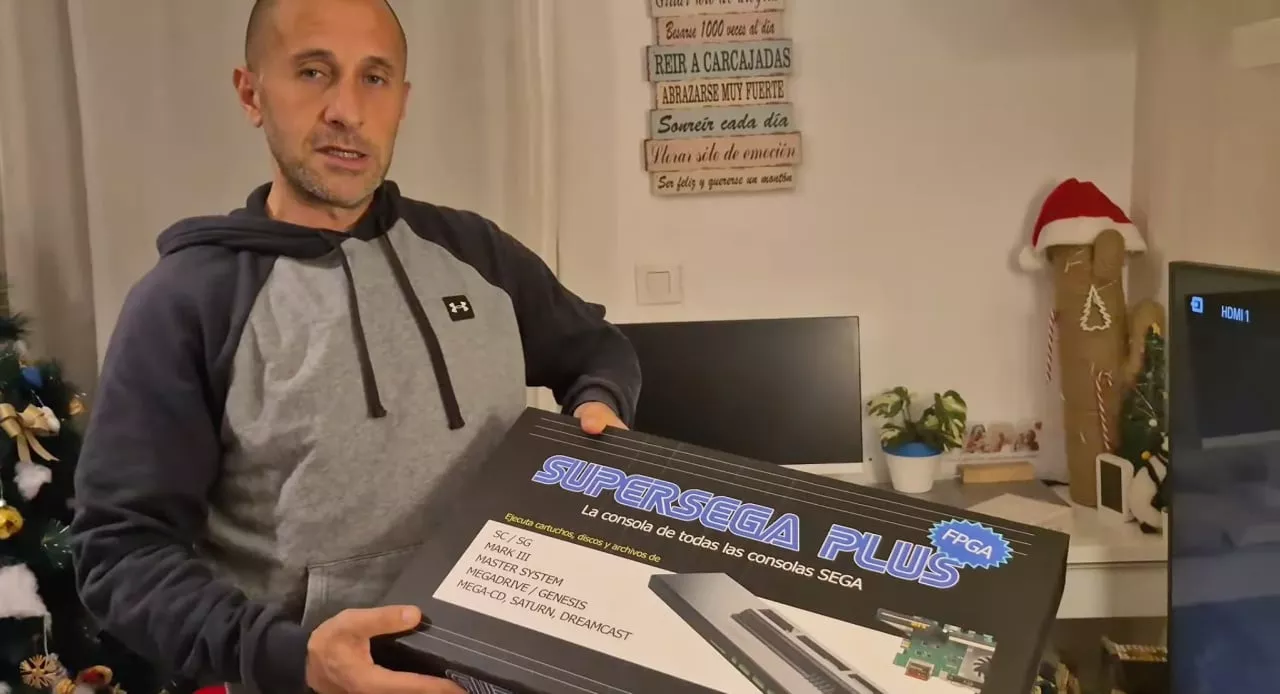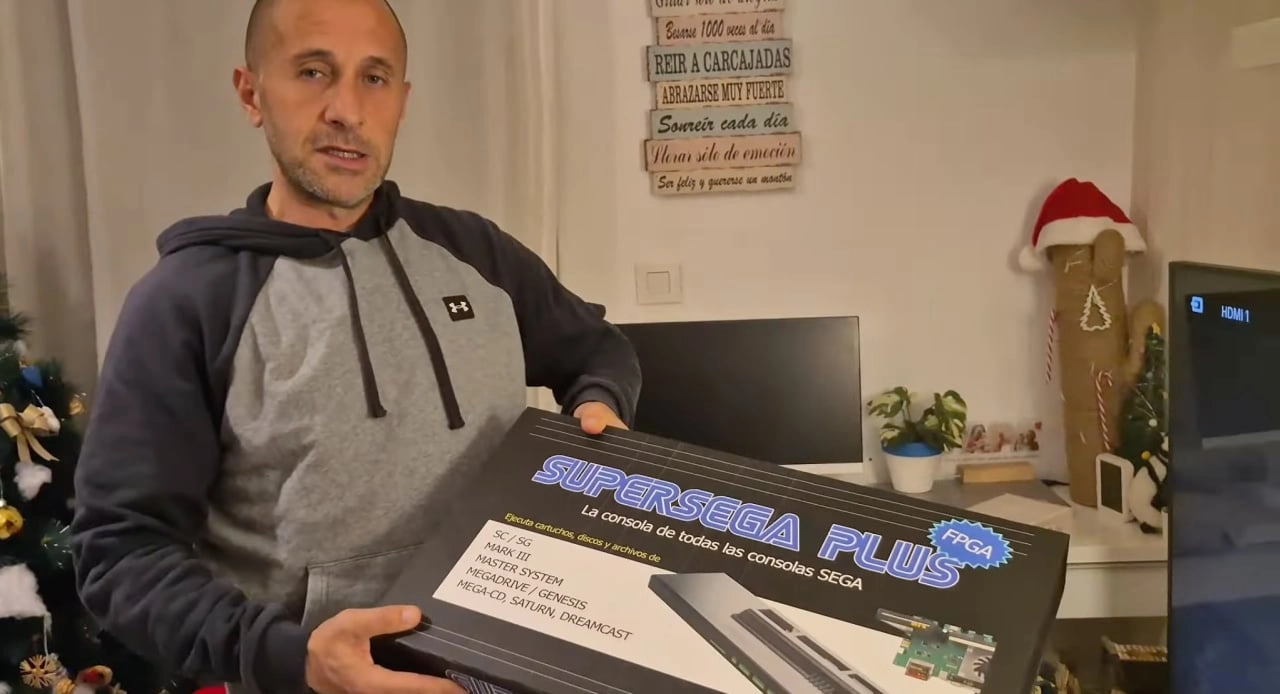
The excitement that initially surrounded the SuperSega project, a new FPGA-powered console capable of playing classic Sega games from systems like the Master System, Mega Drive, Saturn, and Dreamcast, has significantly dwindled over time. What started as a promising venture to revive the joy of Sega's gaming legacy is now overshadowed by controversy and disappointment, casting a shadow over the project's credibility and intentions.
At the heart of the recent discontent are several key issues that have come to light. One of the most alarming developments is related to the financial handling of the project's backers. Many supporters who had initially pledged a small deposit to secure their interest in the console were unexpectedly charged the full amount of 420 Euros. This premature financial extraction has not only shocked the backers but also fueled allegations of fraudulent practices, as the SuperSega console remains largely unproven in terms of performance and reliability.
Adding to the skepticism, the SuperSega team's reluctance to disclose key technical details about the prototype has not gone unnoticed. Such opacity is rarely a good sign in tech ventures, where transparency about capabilities and development stages tends to foster trust and anticipation. This secretive stance has naturally triggered a wave of skepticism among the gaming community and tech analysts alike.
Further compounding the problem is a recent promotional video released by the SuperSega team, which was intended to showcase the console's capabilities through reviews by purportedly independent "fans." However, the presentation and content of these reviews have done little to alleviate concerns. Notably, the video revealed that the console was experiencing significant issues, such as frequent crashes and a lack of audio output during gameplay. These flaws were evident even as the featured games—supposedly running on the advanced FPGA technology—demonstrated poor performance and stability.
Critical observation of the video also raised questions about the authenticity of the reviews. The presence of Alejandro Martin, a key figure behind SuperSega, during the filming added another layer of doubt. His direct involvement in the review process suggests a conflict of interest that might have influenced the reviewers' opinions, further diminishing the reviews' credibility. This was particularly evident when a child present during the review innocently inquired if the SuperSega "sucks," prompting a visibly uncomfortable response from the reviewer under Martin's watchful eye.
The editing of the video also did not inspire confidence. There were noticeable cuts and transitions that seemed to mask other potential issues with the device. The overall production quality and the handling of the review process appeared amateurish, which is hardly reassuring for a product that aims to compete in the sophisticated world of gaming technology.
SuperSega's acknowledgment in their PR statements that the prototypes are still a work in progress and that the final crowdfunding campaign might face significant challenges does little to reassure potential backers. The vague and somewhat pessimistic language regarding the upcoming crowdfunding efforts, along with the mention of an external Asian company being responsible for mass production, only adds to the uncertainty surrounding the project's future.
Critically, the journey of the SuperSega project illustrates the risks and challenges inherent in crowdfunding and pre-order campaigns, especially in the tech and gaming industries. The combination of technical shortcomings, poor communication, unclear financial dealings, and questionable promotional tactics serves as a cautionary tale for both consumers and developers. For backers and enthusiasts, the situation underscores the importance of vigilance and thorough evaluation before committing financial resources to enticing yet unproven technology ventures. For developers, it highlights the crucial role of transparency, technical excellence, and genuine engagement with the community to foster trust and support for innovative projects. As the saga of SuperSega continues to unfold, it remains to be seen whether the project can regain its lost momentum and trust, or if it will serve as a sobering reminder of how quickly technological ambition can turn into disillusionment.