
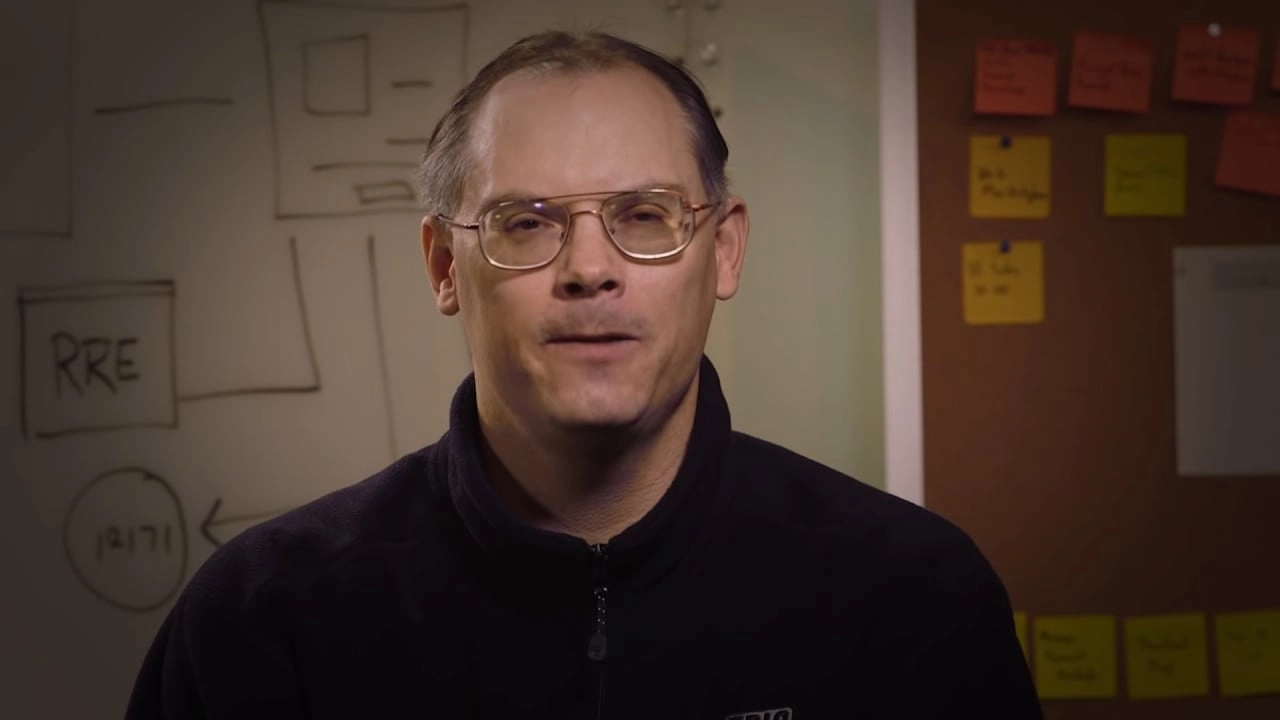
In the rapidly evolving realm of technology, big-name companies are continually vying for the top spot in terms of innovation, market value, and influence. Recently, the tech giant Microsoft made headlines as it overtook Apple, becoming the world's most valuable company. This notable achievement did not go unnoticed in the gaming industry, particularly by Tim Sweeney, the CEO of Epic Games.
Tim Sweeney, known for his outspoken opinions and active presence in the gaming community, took to social media to extend his congratulations to Microsoft. He praised the long-standing company, which has been a pivotal player in the tech world for over five decades, for its consistent support of the developer community. Through the leadership of icons like Bill Gates, Steve Ballmer, and now Satya Nadella, Sweeney emphasized that Microsoft has built a legacy of empowering and respecting both developers and users. This, he pointed out, stands in stark contrast to the business practices adopted by Apple and Google.
Why would Sweeney make such a comparison? To fully appreciate his comments, it's essential to understand the backdrop of the conflict between Epic Games and two of the most influential entities in the mobile marketplace: Apple and Google. A few years prior, Epic was embroiled in a legal battle with both companies, concerning their policies and the revenue share demands imposed upon app developers. It was a period marked by intense debate over the fairness and openness of app marketplaces, and Microsoft had risen in support of Epic's cause, aligning itself as an ally for developer freedom and equitable business practices.
The crux of Sweeney's message is about more than just congratulatory words; it's an endorsement of Microsoft's philosophy in how they interact with the creative forces that drive the tech industry forward. His statement is a celebration of a company that, in his view, prioritizes innovation and the entrepreneurial spirit by providing a space where developers can excel without facing the impediments they might encounter elsewhere.
Besides the immediate context of their legal disputes, Sweeney's comments also resonate with many in the gaming community and the broader tech sector. The contrasting approaches to developer relations and platform management by the tech giants have created a divergence in the ecosystem—where one side is perceived as offering a more restrictive environment, the other is seen as fostering growth and innovation. Developers often scrutinize these varying models to determine where they can invest their efforts to maximum effect.
This dynamic is particularly tangible in the gaming world, where platform owners like Microsoft not only act as gatekeepers but also as enablers of experiences for both gamers and creators. The approval of prominent figures like Sweeney arguably carries significant weight, as it reflects the sentiments of many others who operate in this competitive space.
Notably, Sweeney's endorsement also arrives at a time when Microsoft has been making strategic advances in the gaming sector. By consistently investing in gaming—through acquisitions, developing new technology like cloud gaming, and expanding its Xbox Game Pass service—Microsoft has signified its commitment to a thriving, vibrant gaming landscape.
At the heart of this discourse is an industry-wide reflection on what it means to "empower developers." It involves diving into questions about freedom, autonomy, and the economic models that sustain creative endeavors. Are developers truly free to innovate and profit from their work in the existing frameworks of app markets and game distribution platforms? This is the underlying debate prompted by Sweeney's statement, inviting further discussion and thought.
As Microsoft continues to assert its position at the forefront of technology and gaming, their recognition as the most valuable company is not merely a marker of financial success—it's an affirmation of their strategic approach and, as per figures like Tim Sweeney, their more commendable relationship with the development community. Whether this will lead to a broader change in the industry or simply reinforce the existing power structures is yet to be seen. However, it's clear that the conversation around developer empowerment and the role of tech giants is far from over.
