

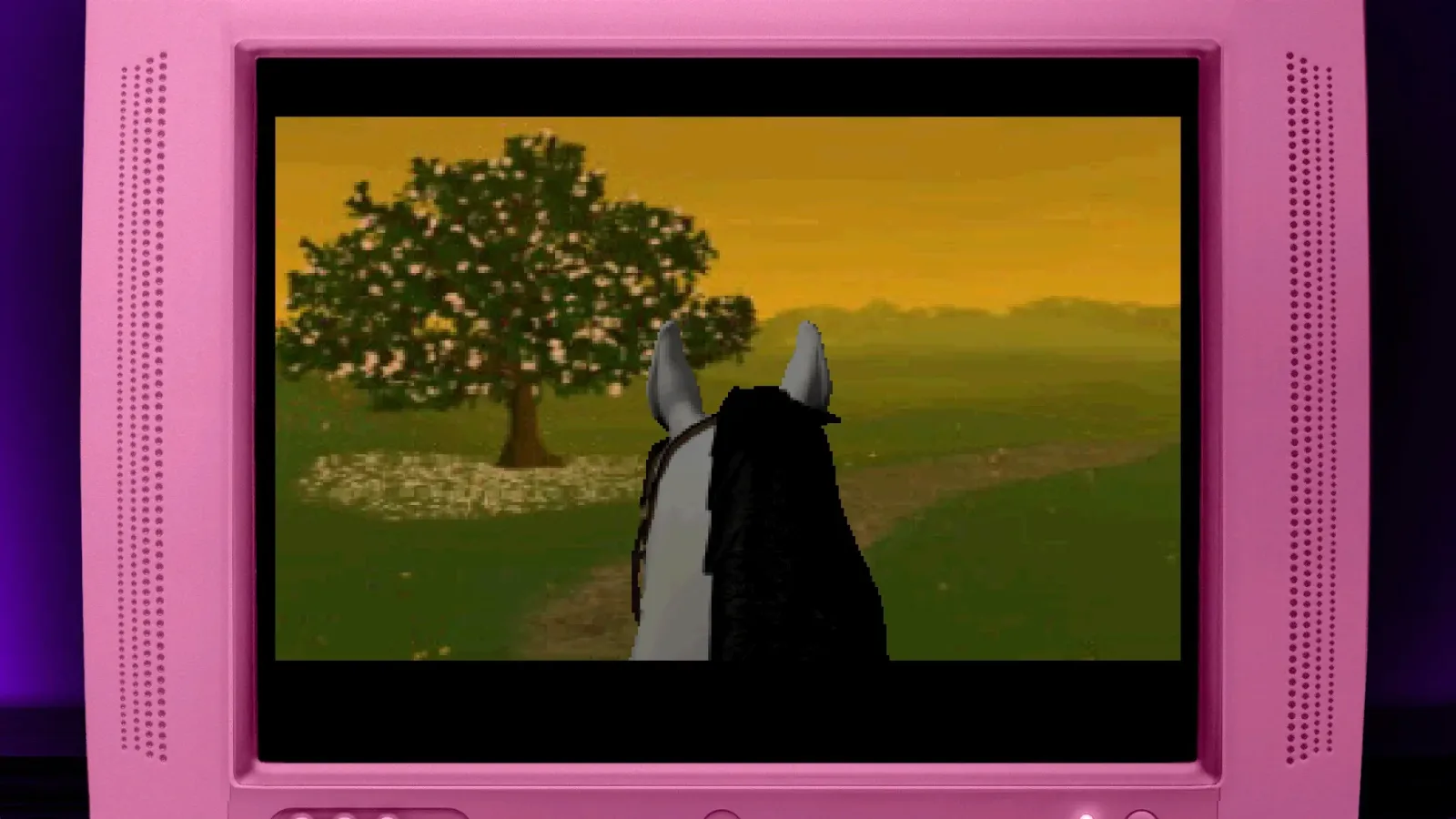
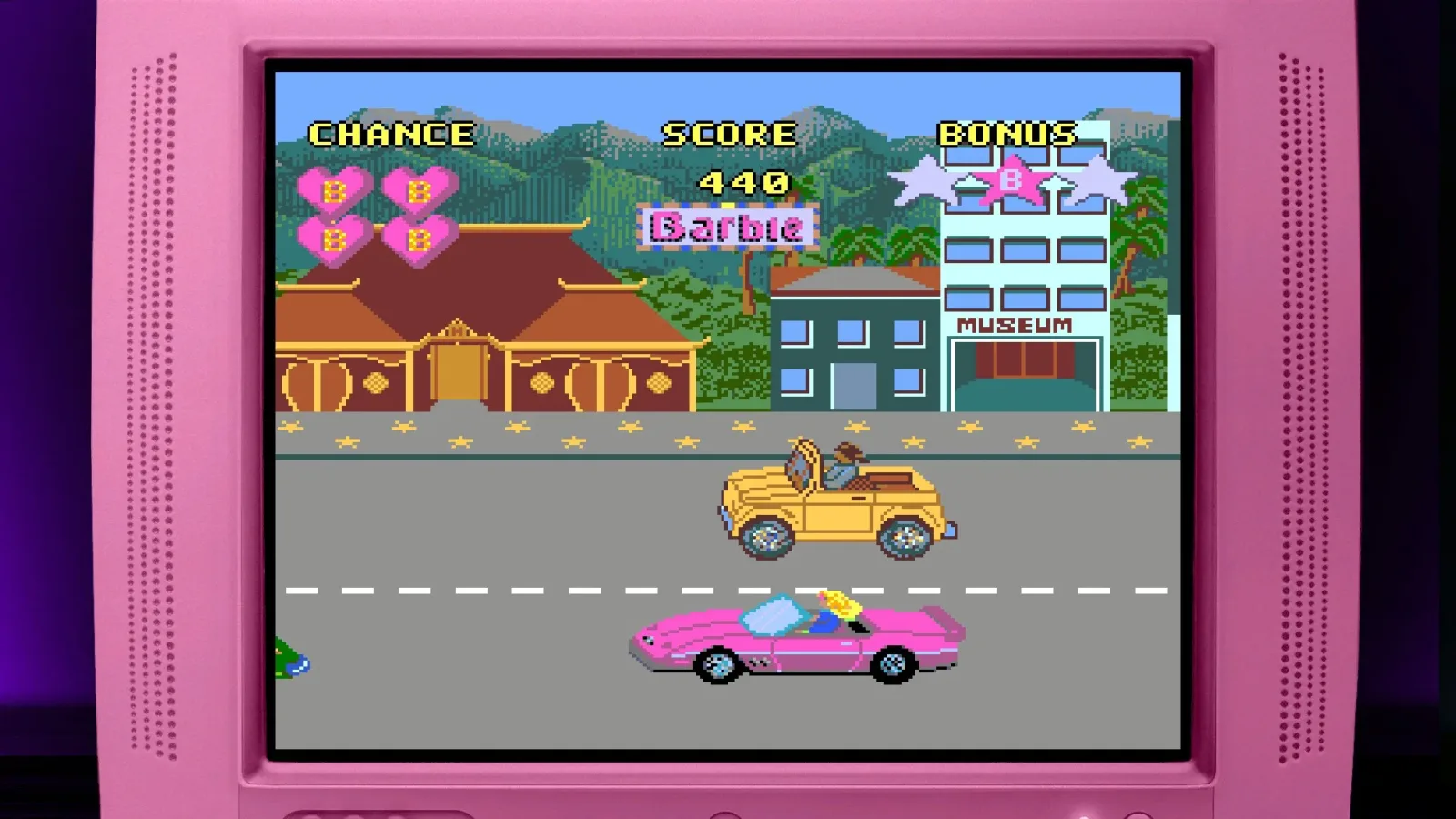
Barbie Rewind arrives with an unusually important mission for a retro compilation: it is not simply bringing old software back to modern players, but making space for a part of gaming history that has routinely been treated as disposable. The Digital Eclipse collection gathers 16 Barbie games from across past decades, including Barbie: Vacation Adventure, a game that had never received a full release before now and had previously been known largely through a small number of magazine previews.
That alone makes the project noteworthy. Yet Barbie Rewind's larger appeal may lie in what it says about the games themselves and the people who grew up with them. For many players, Barbie games were an early doorway into interactive entertainment: colorful, imaginative titles about sports, travel, fashion, pets, riding, racing, and make-believe. They may not have occupied the same place in the usual retro canon as Mario, Zelda, or Mega Man, but their cultural impact was real--and their audiences remember them.
The compilation's results, however, appear uneven. Its archival value and Dreamhouse presentation provide compelling reasons to explore it, while technical problems and the challenges of presenting older games on contemporary displays can make the actual playing experience frustrating.
A collection with an archival purpose
Digital Eclipse has built a reputation around reintroducing classic games in accessible packages, and Barbie Rewind follows that general model by allowing people without extensive vintage hardware collections to revisit older releases. The fact that Barbie: Vacation Adventure is playable at all is a significant preservation victory. Games that only surfaced in preview coverage, prototypes, or incomplete forms can easily disappear from public memory entirely, especially when they belong to licensed series that have historically received less attention from collectors and preservation efforts.
For useful background on this topic, read DevGAMM Awards 2026 winners: Phonopolis Takes Grand Prize.
Barbie Rewind is also notable because its focus is so specific. Rather than framing Barbie titles as a quirky aside inside a broad assortment of old games, the collection puts them at the center. Rachel Simone Weil, a historian of girls' video games and toys who served as a historical consultant on the project, described it as the first retro game compilation centered predominantly on girl-led console gaming experiences from the 20th century.
That distinction matters. The games included here were commercially successful and meaningful to their players, even if they were not always afforded the critical respect given to more traditionally celebrated franchises. A generation of children played them for hours, made memories around them with siblings and friends, and encountered game controllers through them before moving on--or not moving on--to other genres.
David Lowey, Atari's director of marketing, has also pointed out that the audience was never limited as neatly as old marketing categories might suggest. In conversations about the collection, he has heard from many men who played these games because they were installed on a shared household PC or belonged to a sister. That is a familiar story for plenty of families: a game marketed at one person becomes part of everyone's shared environment.
For another perspective on this story, read Barbie Rewind Preserves More Than Games--Even If Its Emulation Has Rough Edges.
The Dreamhouse may be Barbie Rewind's biggest draw
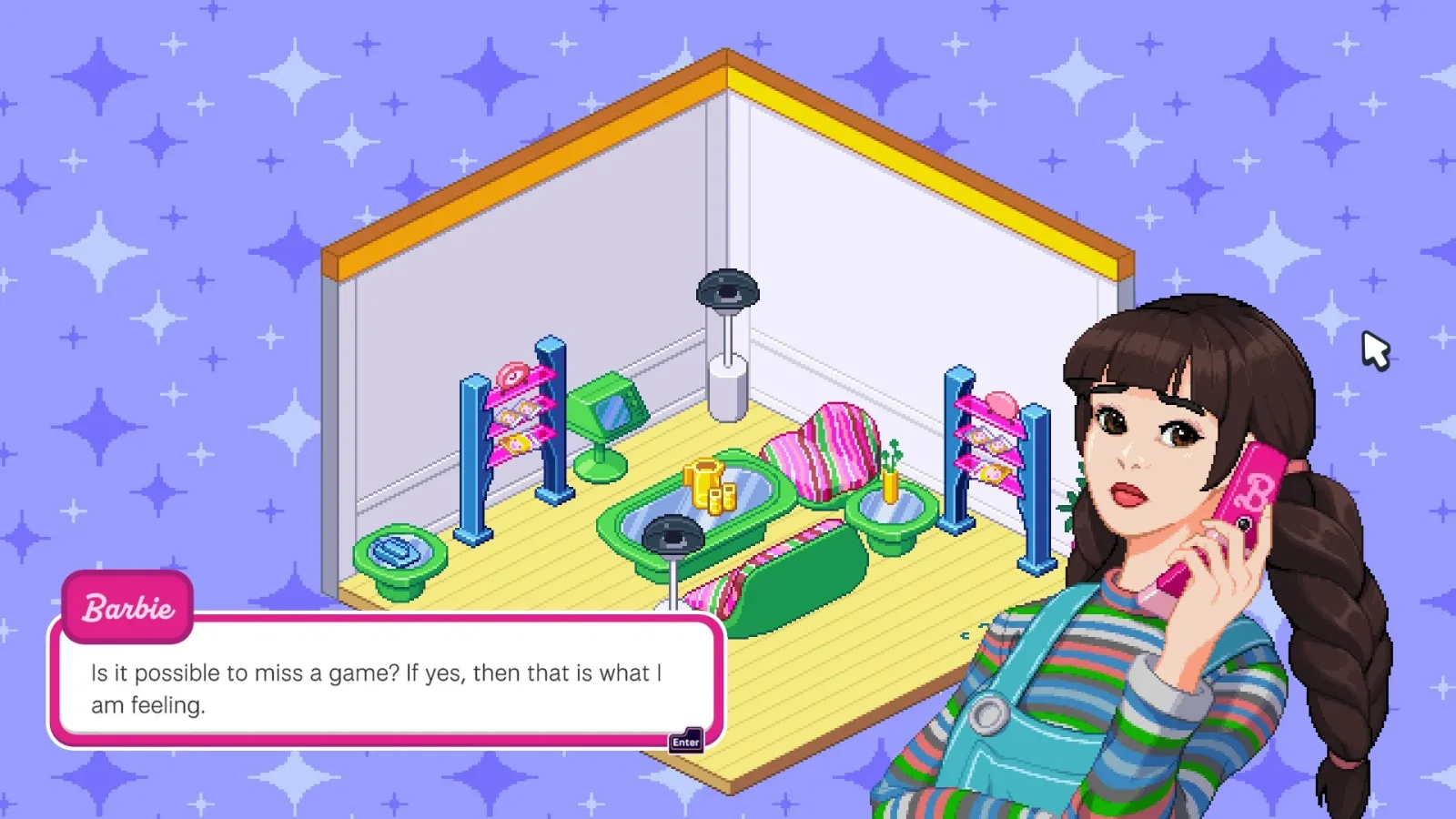
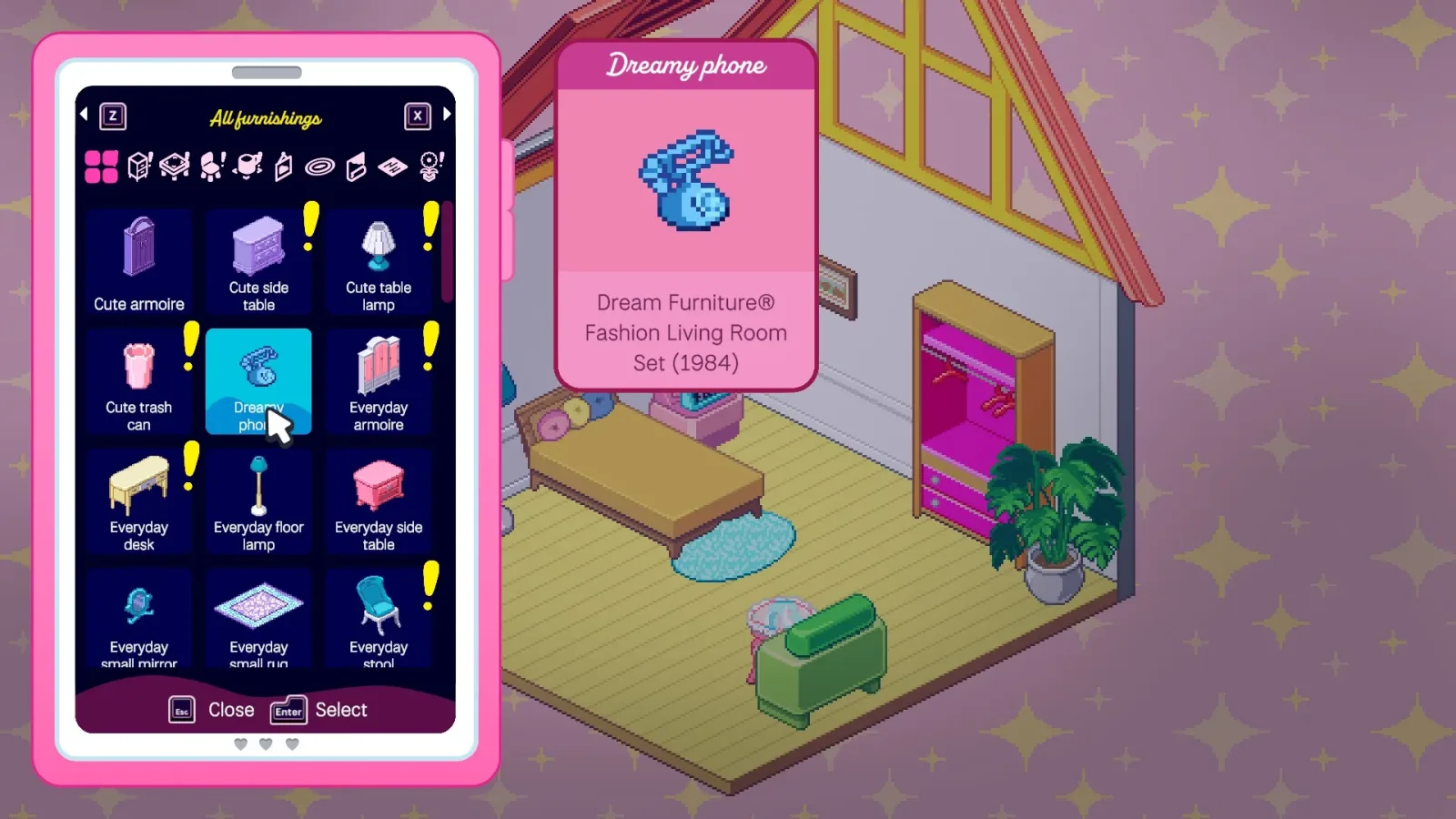
While the vintage games are the stated foundation of Barbie Rewind, its most immediately engaging feature may be the virtual Dreamhouse. Playing through the retro titles unlocks rooms and furniture, letting players decorate a digital home with objects based on Barbie playsets from different eras. The mechanics sound straightforward, but the appeal comes from the objects themselves: bright neon pieces, soft pastels, strange shapes, retro furniture, tiny technology, and the joyful visual excess that has long defined Barbie's design language.
The Dreamhouse is not attempting to be a complicated life simulator or interior-design game. Instead, it functions as a nostalgic toy box. Furniture can be placed and rearranged, making each unlocked item feel like another artifact recovered from a specific period of Barbie history. For anyone who had the original sets, that may stir tactile memories of plastic furniture, accessory piles, packaging, and the particular feeling of building a dollhouse world from mixed-up pieces.
Weil helped guide the historical choices behind these elements, selecting a blend of instantly recognizable sets and less obvious inclusions. Among the iconic examples is the Beach Blast pool, while rarer choices include Cafe Today, a psychedelic-looking cafe playset that is now difficult to find in good condition. The original Barbie Dreamhouse naturally has a place as well.
Technology was another key theme. Barbie playsets frequently reflected contemporary ideas about modern life, whether through phones, record players, CD players, or computers. A 1979 Dreamhouse includes a tiny computer on a nightstand, a charmingly speculative object from a moment when personal computing was only beginning to enter public consciousness. Later sets brought in computers resembling the IBM PC style familiar in the 1980s, including those associated with Day to Night Barbie.
Weil also highlighted a travel agent playset from around 1986, an especially revealing example because the travel industry was among the earlier sectors to adopt computer technology. Barbie was there with a workstation, as she was in home-office sets from the 1980s and 1990s. These objects preserve not only changing toy fashions, but also the way children were invited to imagine adulthood, work, technology, and independence.
Technical problems undermine the nostalgia
Unfortunately, Barbie Rewind's preservation work is shadowed by reported technical issues. Audio has been prone to unexpected blips, cutouts, and distortion in both Dreamhouse sequences and several of the included games. Sound that becomes fuzzy or abruptly drops away is particularly disruptive in a collection built so heavily around evoking a specific time and place.
More seriously, Barbie Super Sports has reportedly suffered from a game-breaking problem during its skiing section. In that situation, the character could not be moved in any direction regardless of button inputs. Attempts to investigate the controls by entering and leaving menus eventually led to another failure, with the menu becoming stuck on the controls page and the game requiring a hard shutdown.
That shutdown had an additional consequence: progress in Super Sports and in two previously tried games was erased. Because the Dreamhouse progression is tied to playing the collection's games, losing saves does more than interrupt a single session. It can also undo work toward unlocking rooms and decorations in the feature that may be the package's most attractive component.
Visual presentation raises another concern. Older games designed for original hardware and display standards can be difficult to read on a modern 1080p monitor, particularly if their imagery is preserved at a small or awkward-looking resolution. Authenticity is important in retro collections, but accessibility matters too. Players need visual options that respect the original work without making it needlessly hard to parse. When games are returned to the public after decades away, their new audience should be able to see and play them comfortably.
Those flaws are especially disappointing because Barbie Rewind's broader concept is so strong. A collection intended to validate neglected gaming memories needs dependable emulation and stable saves. Its historical argument becomes harder to appreciate when the software itself creates barriers between players and the games being preserved.
Why the phrase "girl game" still matters
Barbie Rewind also arrives at a moment when conversations around games made for girls--or games associated with femininity--remain complicated. It would be reductive to claim that women only want games about clothing, horses, pets, travel, decorating, or fantasy lives. Women have always played every kind of game, and no audience should be reduced to a single style or interest.
But the opposite impulse can be just as limiting. Fashion, home design, animals, role-playing, care, friendship, travel, and personal expression are genuine interests, and games built around those ideas have often been dismissed precisely because they are seen as feminine. Series such as Style Savvy found major audiences on Nintendo handhelds; games like Nintendogs were enormously popular; and modern titles including Infinity Nikki demonstrate the continued appetite for play rooted in fashion and self-expression. The audience was never absent. What has often been absent is equivalent investment, attention, and preservation.
Weil intentionally uses the term "girl game" because it invites a needed conversation about who gets to be represented and how. In her view, games aimed at girls are frequently subjected to scrutiny that comparable games aimed at boys do not receive. People may question what Barbie teaches children about gender roles, consumerism, or femininity. Those are worthwhile questions, but similar debates do not usually stop Mega Man from being accepted as part of gaming's treasured history.
The danger is not in examining Barbie games critically. The danger is treating their association with social issues as a reason to ignore, erase, or discard them. Girls' game history has been rediscovered repeatedly, then allowed to slip from view again. Barbie Rewind pushes back against that cycle by recognizing these releases as artifacts worth playing, studying, remembering, and discussing.
An imperfect but meaningful rewind
Barbie Rewind is not a flawless restoration package. Audio faults, control issues, menu problems, lost progress, and difficult visual scaling are substantial concerns, especially for a collection that asks players to engage with its games in order to unlock Dreamhouse content. Anyone approaching it chiefly for polished emulation may find its rough edges hard to overlook.
Still, the compilation's existence is meaningful. It revives 16 games that helped shape childhoods, recovers a previously unreleased title, and surrounds them with a Dreamhouse designed as a celebration of Barbie's changing history. More importantly, it makes a case for expanding what retro gaming culture considers worthy of preservation.
These games were not a footnote. For many players, they were the beginning. Barbie Rewind makes that history visible again in a very loud shade of pink.
Community
Discussion
Start the conversation.
No comments have been posted yet.