

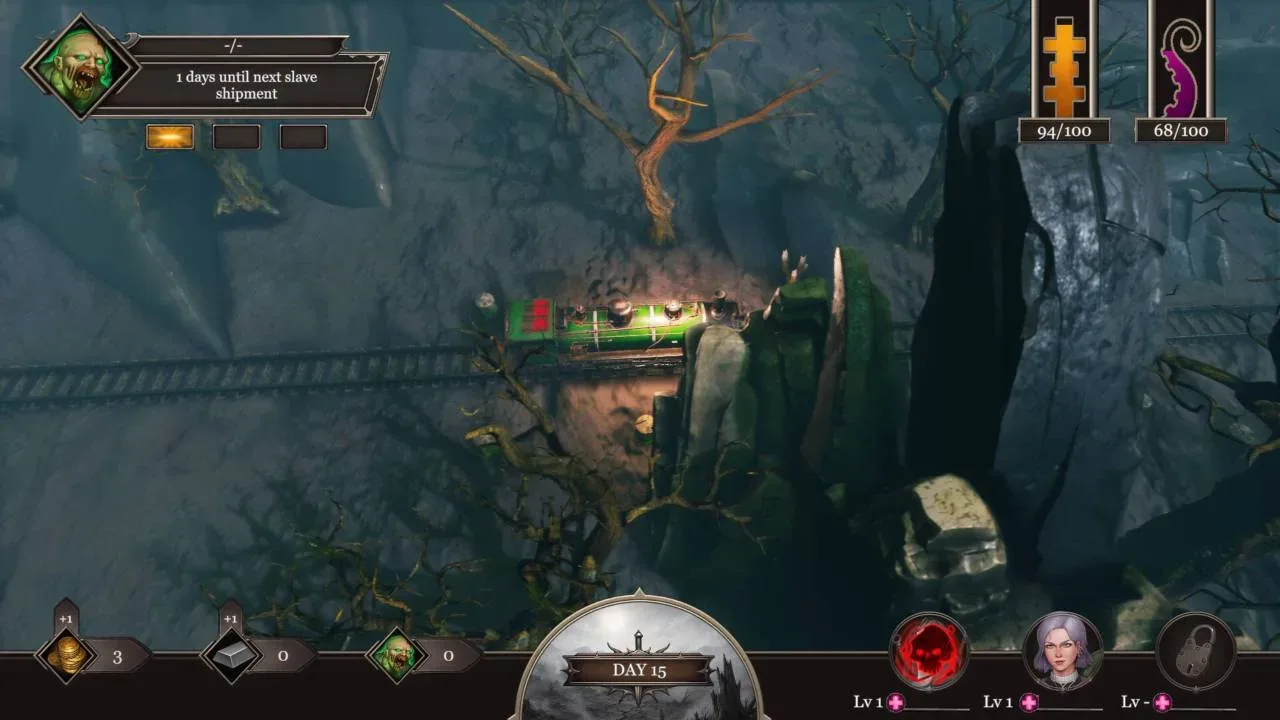
Dark Rail has launched on Steam, PlayStation 5, and Xbox on November 18, 2026. Created by solo developer Steam Veil Games, the new release is a resource- and sanity-management roguelike set in an industrial city positioned at the edge of an Empire.
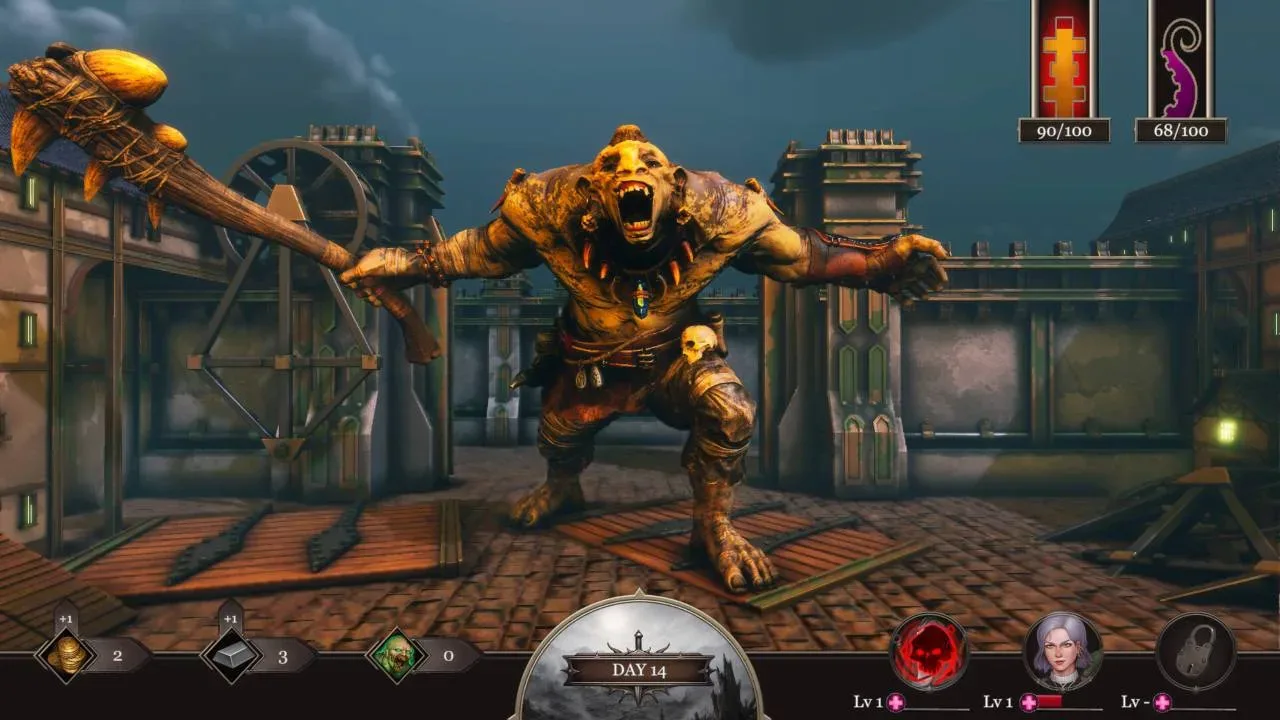
Players take command of the Inquisition, overseeing a strained city while trying to fulfill prisoner transport quotas, preserve order, and confront threats beyond the safety of headquarters. The game places management decisions alongside dangerous train expeditions, where inquisitors are sent out to pursue heretics and battle horrific creatures.
Dark Rail frames survival as more than a matter of accumulating supplies. Resources, rebellion, corruption, and the growing madness within the population are all presented as interconnected pressures. The result is a strategy-focused roguelike in which decisions made during one part of a run can complicate everything that follows.
An Inquisition Under Pressure
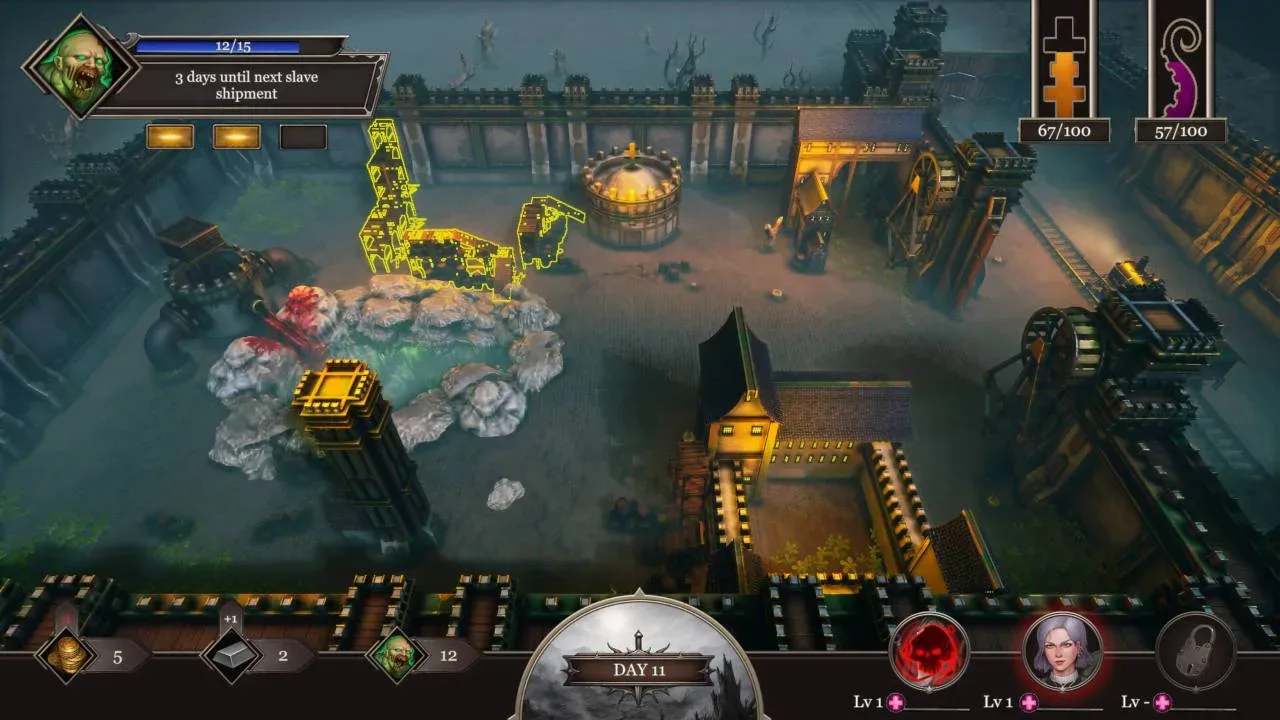
The central role in Dark Rail is not that of a lone fighter moving through a fixed campaign. Instead, players lead an institution responsible for a city whose stability is continually at risk. The Inquisition must keep essential operations moving, but it must also answer the demands created by prisoner transports and increasingly dangerous expeditions.
For useful background on this topic, read Palmer Luckey Outlines SLAB, a 1,000-Year Ocean City Concept With BioShock-Like Overtones.
That setup gives the game a distinctly administrative kind of tension. Sending personnel away on a train journey may be necessary to deal with a threat, hunt heretics, or fulfill a wider objective. At the same time, those inquisitors are part of the player's available capacity, and the city's needs do not disappear while an expedition is underway.
The industrial setting also supports the game's focus on systems, quotas, and pressure. Dark Rail is built around the image of a city at the Empire's frontier, where infrastructure and authority have to hold together despite threats both internal and external. The player's task is to make that fragile arrangement last.
Train Expeditions Bring Danger Beyond Headquarters
Train travel is a major part of Dark Rail's premise. Inquisitors can be dispatched on hazardous rail expeditions to seek out heretics and confront monstrous enemies. These journeys extend the game's management layer into a more direct form of risk, as players must decide when to commit their people to the dangerous work beyond the city.
The expeditions are not simply detached combat missions. They belong to the larger cycle of running the Inquisition. The same leadership decisions that affect resources and order also shape the conditions under which those journeys take place. A successful expedition may help resolve one problem, while the demands of preparing for it or recovering from it may create another.
Dark Rail combines this framework with turn-based strategy, giving players time to consider choices while maintaining the sense that consequences can compound. The game's emphasis is on difficult trade-offs rather than a single clean route to success. There may be no decision that entirely avoids harm; instead, the challenge is to determine which risk is most manageable at a given moment.
Resources, Rebellion, and Corruption Must Be Balanced
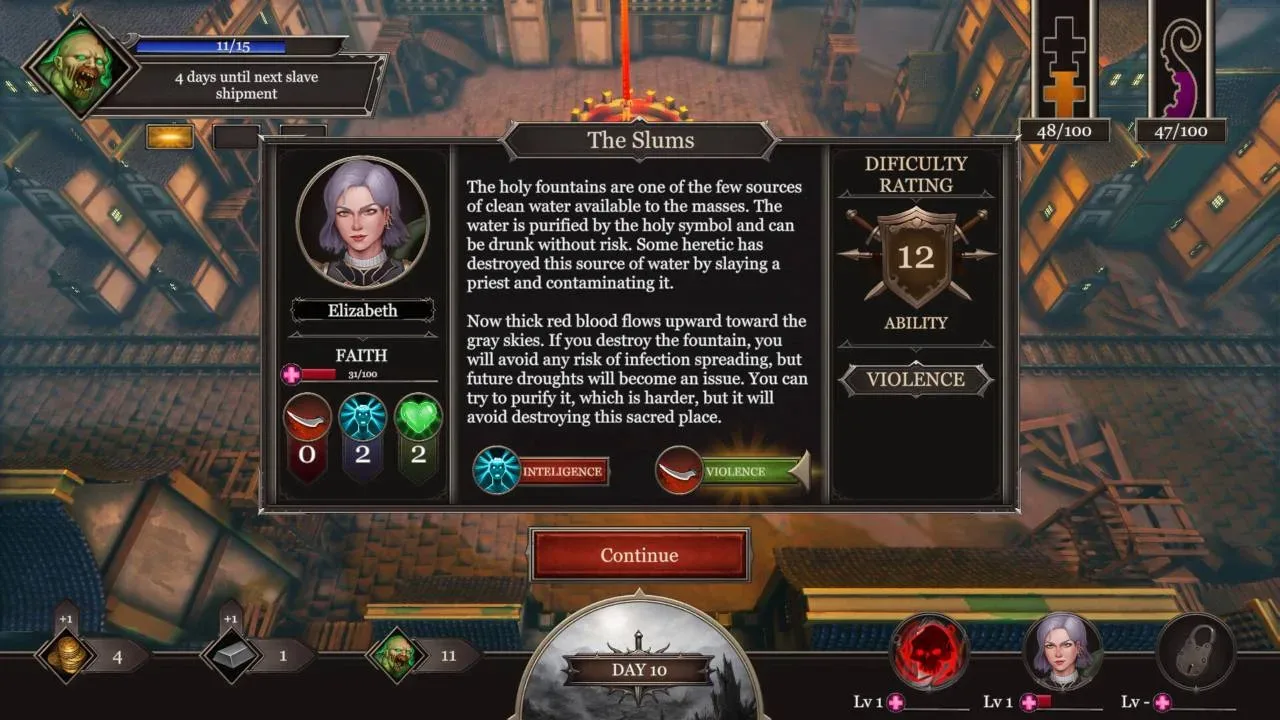
Resource management is one of the main pillars of the experience. Players will need to oversee the supplies and capabilities of their headquarters while keeping the wider city functioning. The announcement describes a constant need to balance resources with rebellion and corruption, making it clear that stockpiles alone will not define a successful run.
Order is another major concern. A population experiencing fear, hardship, or madness can become a challenge in its own right, and maintaining control may require choices that carry moral consequences. Dark Rail explicitly presents players with difficult moral decisions as the population's condition worsens.
That element gives the game's management systems an ethical dimension. The role of the Inquisition comes with authority, but the game's premise suggests that authority is exercised under severe conditions, where preserving order and meeting quotas may conflict with other priorities. Players are asked to lead through that uncertainty rather than merely optimize a production chain.
Corruption further complicates the picture. It is not enough to protect the city from obvious physical dangers on the rail lines or from hostile creatures. The player must also contend with instability that can spread through the society they are trying to govern. Dark Rail's systems appear designed to make those pressures overlap, ensuring that one crisis can feed into another.
Sanity Management Shapes the Stakes
Sanity management distinguishes Dark Rail's broader strategic premise. Madness spreads through the population, turning mental strain into a city-wide concern rather than a background detail. This means the condition of the people under the Inquisition's rule is tied directly to the player's ability to keep the city viable.
In practical terms, that focus raises the stakes of every decision. Resource shortages, disorder, expeditions, and prisoner transport requirements all exist in an environment where public stability is already fragile. The player is not simply responding to a series of isolated objectives. They are attempting to keep a complicated system from unraveling.
The theme also fits the game's mixture of industrial authority and supernatural horror. The city faces threats from heretics and horrific creatures, but the pressure of confronting those threats can have consequences for those living within its walls. Dark Rail therefore places psychological deterioration alongside material and military concerns.
Roguelike Runs Aim for Different Journeys
Dark Rail uses roguelike structure to ensure that each journey can unfold differently. Rather than presenting every run as a repeat of the same sequence, the game is designed around changing circumstances and the need to adapt. This suits its management-focused design, where decisions concerning personnel, upgrades, and risk can lead to varying outcomes.
Players can train inquisitors and unlock new abilities, allowing their available options to grow over time. Headquarters resources can also be upgraded, reinforcing the importance of developing the organization alongside managing immediate crises. These progression elements offer ways to shape an approach, even as the roguelike format continues to introduce uncertainty.
The combination of training, abilities, and headquarters upgrades suggests that Dark Rail asks players to think in both short and long terms. A choice that solves today's transport or expedition problem may not be the same choice that best prepares the Inquisition for later dangers. Building a stronger foundation matters, but it must be done while the city is under ongoing pressure.
This structure should be particularly relevant for players who enjoy strategy games built around adaptation. The appeal is not only discovering what the next run contains, but determining how to respond when a plan has to change. Dark Rail's emphasis on consequences makes that flexibility central to the experience.
A Hybrid of City Management and Turn-Based Strategy
Dark Rail brings together several familiar strategy concepts without limiting itself to only one of them. It has the organization-building demands of city management, the considered choices of turn-based strategy, and the replayable uncertainty associated with roguelikes. Its train expeditions and Inquisition setting provide the connective tissue between those layers.
- Manage an industrial frontier city on the edge of the Empire.
- Maintain order while handling prisoner transport quotas.
- Balance resources against rebellion, corruption, and madness.
- Send inquisitors on train expeditions to hunt heretics and face horrific creatures.
- Train inquisitors and unlock new abilities.
- Upgrade headquarters resources across changing roguelike runs.
- Make moral choices under mounting pressure.
For Steam Veil Games, Dark Rail represents a solo-developed project with an ambitious blend of interconnected systems. Its launch brings that premise to PC and console players at once, with Steam, PlayStation 5, and Xbox all included in the release.
Players interested in grim management games, turn-based decision-making, and roguelike runs built around compounding consequences can now step into the Inquisition's command role. The question at the center of Dark Rail is not simply whether the next train can survive its journey. It is whether the city, its people, and the institution ruling them can endure everything that journey sets in motion.
Community
Discussion
Start the conversation.
No comments have been posted yet.