

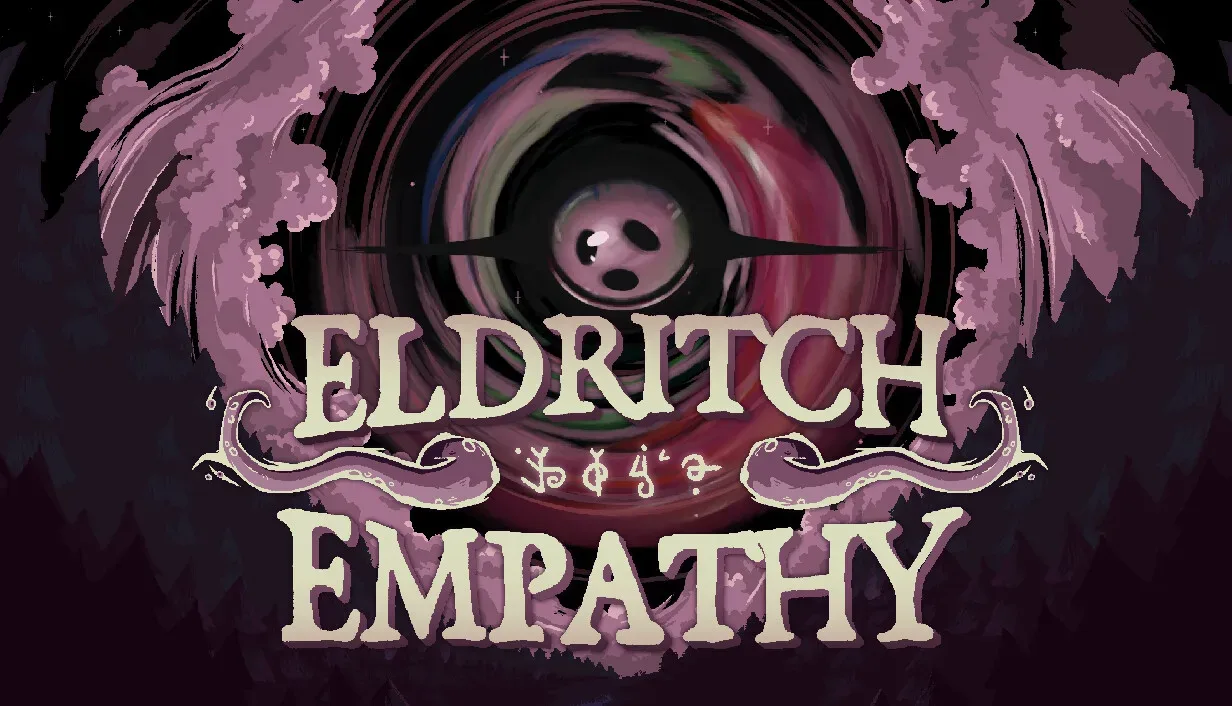
Eldritch Empathy, a Lovecraftian narrative puzzle game from LUAL Games and Team17, is planned for release on PC in 2027. The newly announced project combines eerie investigations, puzzle-solving, roguelike progression and difficult moral decisions, placing players in a village threatened by a cosmic force that has begun to tear at reality itself.
Its central idea is not simply surviving encounters with monsters. Players will be expected to understand them. The creatures at the heart of Eldritch Empathy are afflicted by corrupted emotions, and the game's research systems will let players analyse those conditions while uncovering more about the wider otherworldly threat. That information can then inform a choice between attempting to cleanse a creature's corruption or eliminating its host permanently.
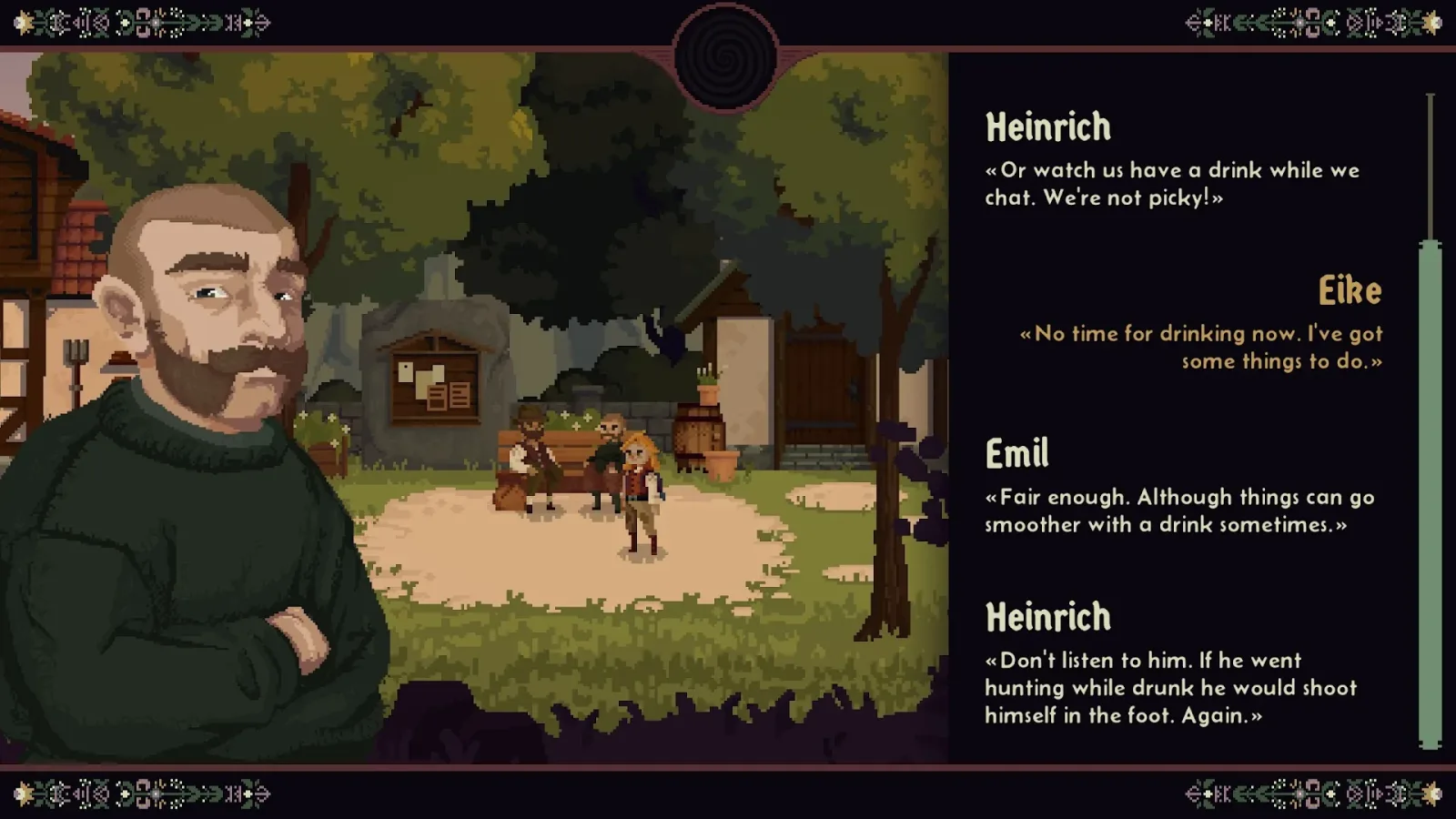
Those decisions will not be cosmetic branches made and forgotten by the next scene. LUAL Games says the results are lasting and irreversible, with the player's conduct shaping the village and the people who live there. It is a fittingly uncomfortable direction for cosmic horror: the danger is unknowable and immense, but the consequences of confronting it are personal, local and permanent.
A monster opens the way to something far worse
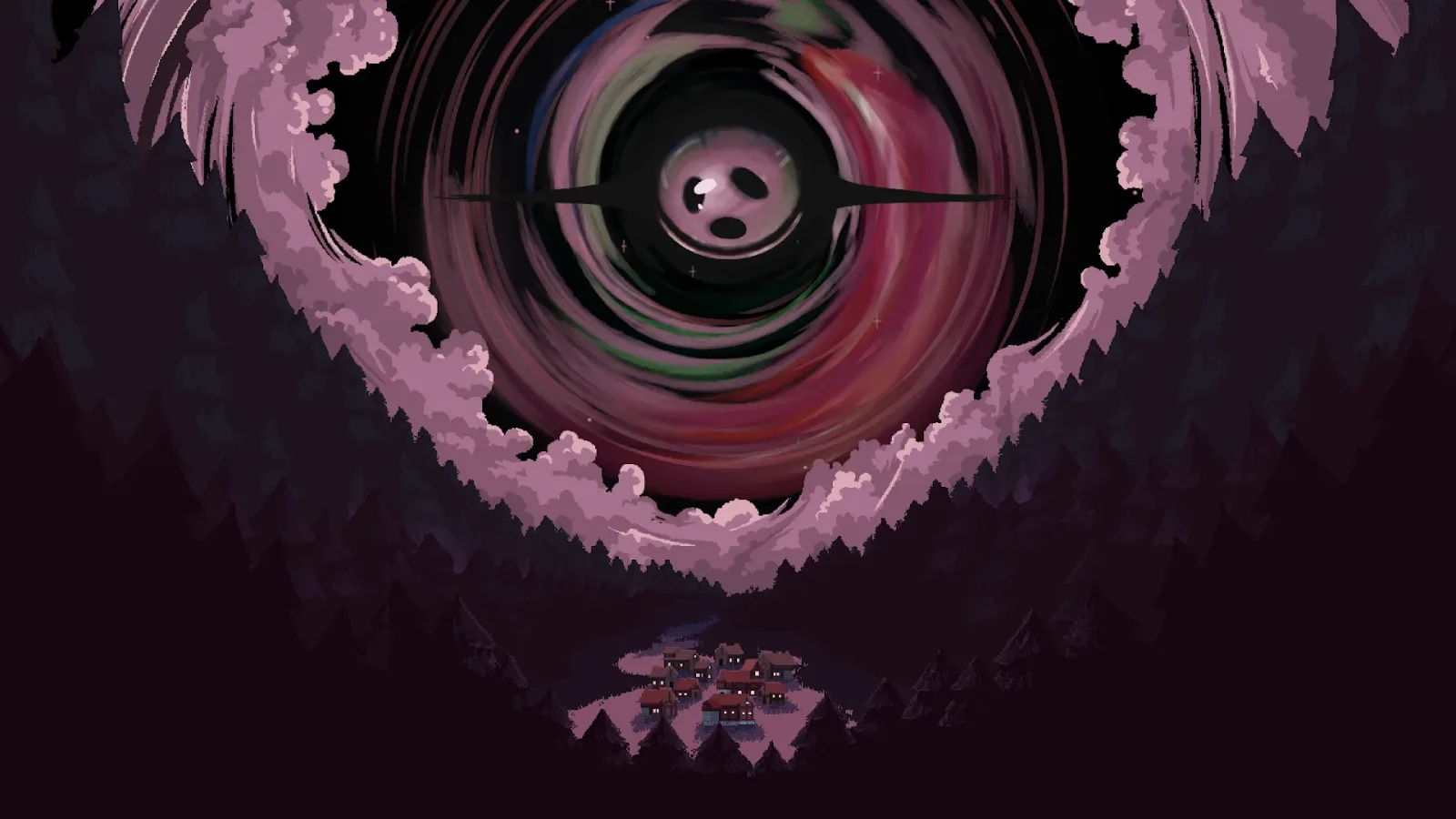
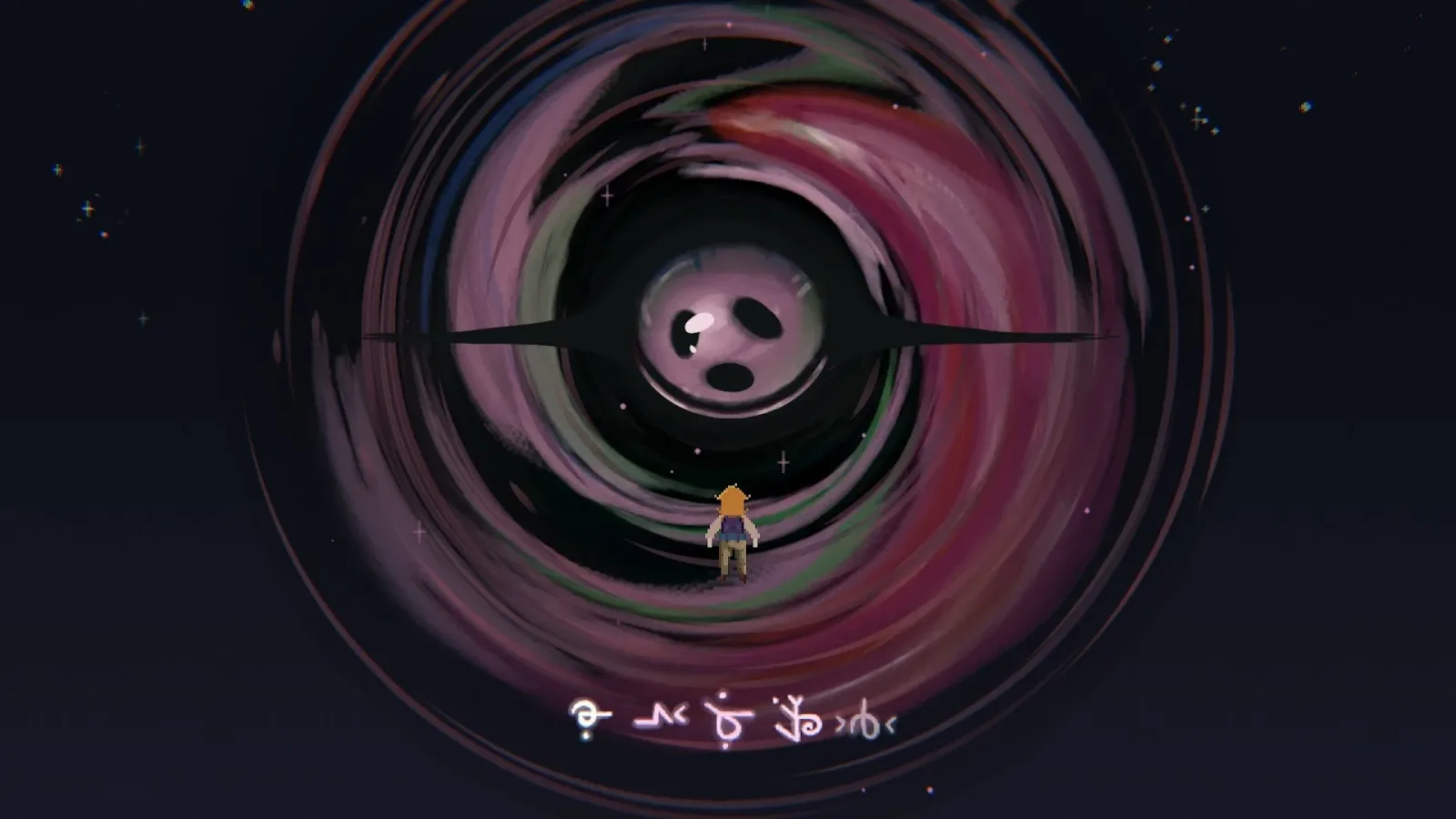
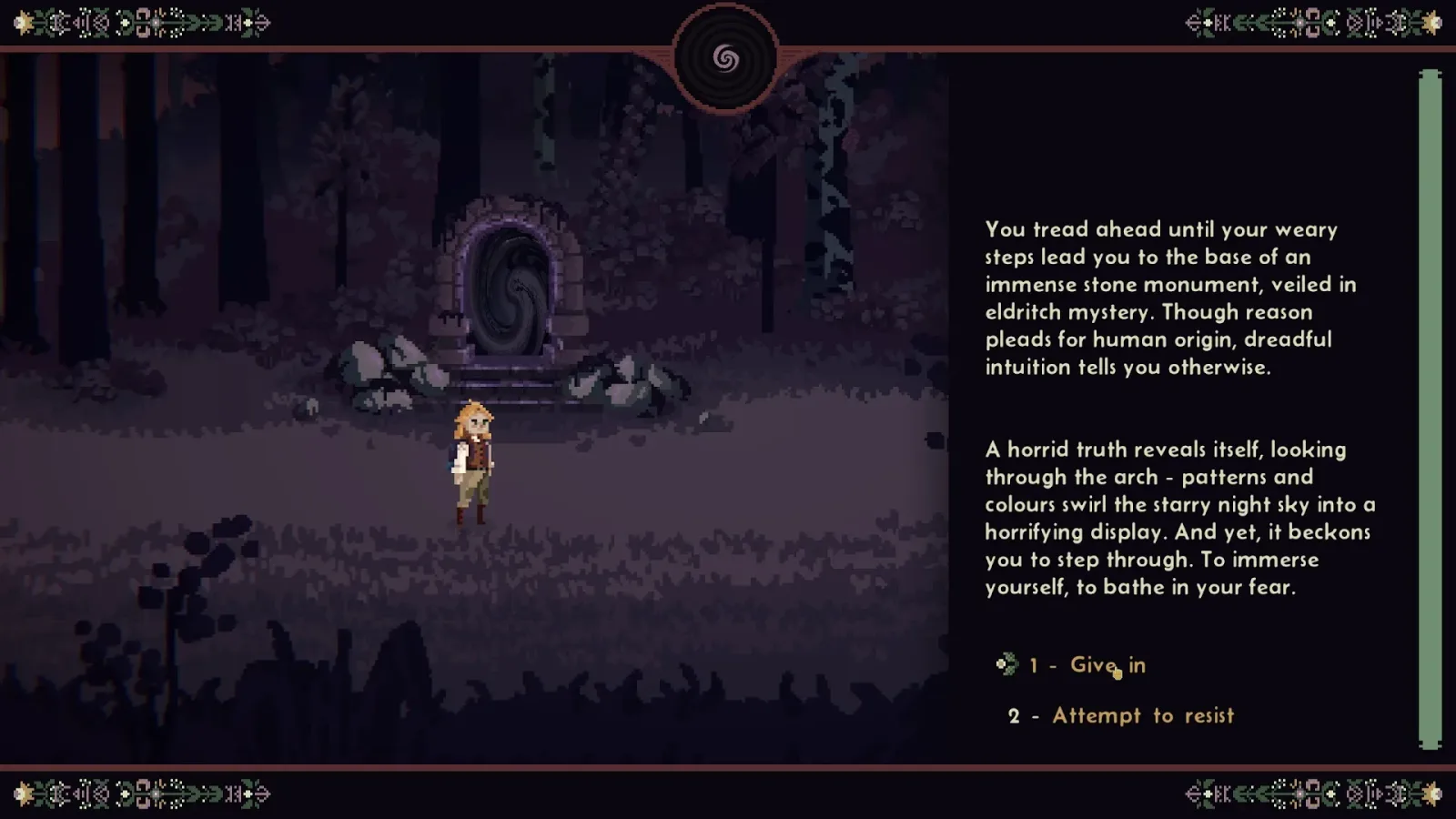
Eldritch Empathy begins in the wake of a sudden appearance by a colossal monster with the ability to peel back the veil of reality. That premise puts the village at the edge of an escalating supernatural crisis, while sending players into dangerous areas including woods, mountains and mines to investigate strange beings.
For useful background on this topic, read GTA VI mission list Claims 91 Main Story Jobs Across Five Chapters.
The game's tone draws on Lovecraftian horror, a genre often defined by humanity's small place in the face of ancient, incomprehensible powers. Eldritch Empathy appears to use that foundation in a more intimate way. Rather than making every encounter a straightforward battle against an enemy, it focuses on observation, diagnosis and the emotional state beneath a monster's corruption.
That approach gives the title's name added weight. Empathy is presented as a practical part of the investigation as well as an ethical response. Players will have research tools to help identify what is affecting each creature, but they will also have only limited time and a mind that gradually deteriorates under the pressure of every encounter.
Research is the first step, not the final answer
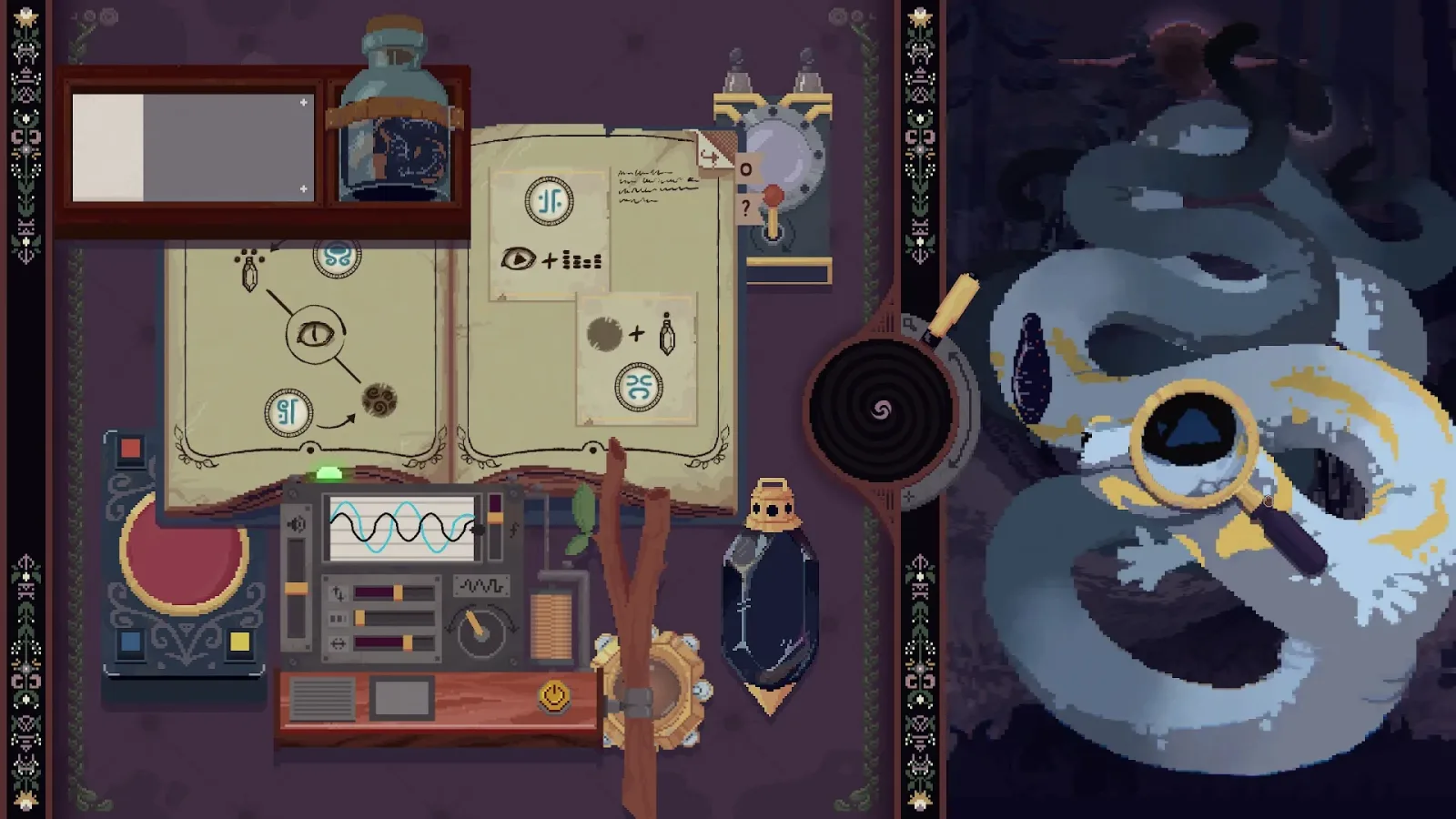
At the core of Eldritch Empathy is a creature-analysis loop. Players investigate otherworldly beings and use tools and research to identify their corrupted emotions. Puzzle mechanics are tied to this process, meaning progress will likely depend on interpreting evidence and responding to the particular condition of a creature rather than relying solely on force.
The announcement describes an evolving grimoire that players update during their work. In a game built around repeated expeditions and accumulated knowledge, that book is likely to be more than a piece of atmosphere. It represents a growing record of discoveries: what has been learned about the monsters, how certain forms of corruption behave and which preparations may prove useful on later attempts.
That emphasis on research should help distinguish the game's progression from a conventional action-focused roguelike. The stated goal is to gather understanding as well as survive. Each failed or incomplete expedition can still produce insight that makes the next journey more informed, allowing players to plan a deeper run into the mystery.
There is no indication that every puzzle or creature will have one simple, universally correct resolution. Instead, the game frames its choices around interpretation and responsibility. Knowing what is wrong with a creature may make purification possible, but it does not remove the risks involved or guarantee that compassion will be easy to sustain.
Purify or purge: decisions that reshape the village
Once players have assessed a corrupted creature, they can choose one of two broad paths. They can attempt to purify the corruption, approaching the monster through empathy, or they can purge the host permanently through violence. The divide is deliberately stark, and the game will make both routes matter beyond the immediate encounter.
LUAL Games has confirmed that these choices carry persistent consequences for the village and its community. That means a decision made in the wilderness, a mountain pass or a mine may return home with the player. Villagers may be affected by who has been saved, who has been lost and how the growing crisis has been handled.
This structure has the potential to create tension even when the player believes they have made the safest decision. A purge could remove an immediate danger, but at a human cost. A purification attempt may preserve someone or offer a more hopeful outcome, yet it could demand additional resources, time and mental resilience while the cosmic threat continues to build.
The promise of irreversible outcomes is particularly important. Roguelike games often ask players to accept defeat and begin again, but Eldritch Empathy is also built around decisions that cannot simply be undone by restarting an encounter. Its village-focused consequences suggest that progress will be measured not only by a stronger build or a fuller research journal, but by what kind of community remains when the player returns.
Sanity makes every investigation costly
Sanity is one of Eldritch Empathy's main mechanical pressures. Interactions with the world and its creatures drain sanity by differing amounts, requiring players to judge how much they can afford to learn, solve or attempt during a given run. The system fits the game's horror premise, but it also gives its research-based gameplay a concrete cost.
When sanity is depleted entirely, the investigator succumbs to the darkness and wakes again. This is where the game's roguelike elements come into focus. Although a run ends, the knowledge and research collected along the way remain available, helping the player prepare a better plan for future attempts.
That persistent learning loop may make failure feel like a grim form of progress. A player may lose their grip on reality before resolving a case, but still return with a new observation recorded in the grimoire, a clearer understanding of a monster's emotional corruption or a stronger idea of what tools and choices are needed next time.
It also creates a natural conflict between curiosity and self-preservation. Investigating thoroughly could uncover the information needed for a compassionate solution, but every additional interaction may push sanity closer to collapse. Moving too quickly, meanwhile, could encourage harsher choices or leave vital questions unanswered. The best route may not always be the one that preserves the most sanity in the short term.
Planning for repeat expeditions
The developers describe Eldritch Empathy as a game in which players gather knowledge and improve their build across attempts. While specific upgrade systems have not yet been outlined, the announcement makes clear that planning runs will be a major part of the experience.
In practical terms, each expedition appears to be a chance to balance tools, information, remaining time and mental stability. Players will need to decide where to travel, which threats deserve further study and whether an encounter calls for patience or a final solution. The ability to carry research forward means a disastrous run may still reveal the foundations for a more successful one.
This structure is well suited to the game's premise. Cosmic horror stories often turn on incomplete knowledge: characters act with only fragments of the truth and discover too late what those fragments mean. Eldritch Empathy turns that uncertainty into a progression system. Learning more is essential, but acquiring that knowledge places the investigator under increasing strain.
A horror game interested in compassion
Most monster games ask how players will defeat the thing in front of them. Eldritch Empathy instead asks whether the creature can be understood, whether it can be helped and what it costs to try. That does not mean the game will avoid brutality; purging is an explicitly supported option. But it does mean violence is positioned as a choice with repercussions rather than an automatic answer.
Anna-Lena Pontet and Luzia Hüttenmoser, co-founders of LUAL Games, have said the team is eager to reveal more of the game and sees this announcement as an early glimpse at the horrors ahead. Team17 general manager Harley Homewood has also expressed enthusiasm about the project's progress toward its planned launch next year.
For now, Eldritch Empathy has been confirmed only for PC, with a 2027 launch window. More details on its puzzle structure, the range of research tools, progression options and the exact ways village outcomes will change have yet to be announced. Its early premise, however, points to a horror experience where deciphering the monster may be just as important as surviving it.

Community
Discussion
Start the conversation.
No comments have been posted yet.