

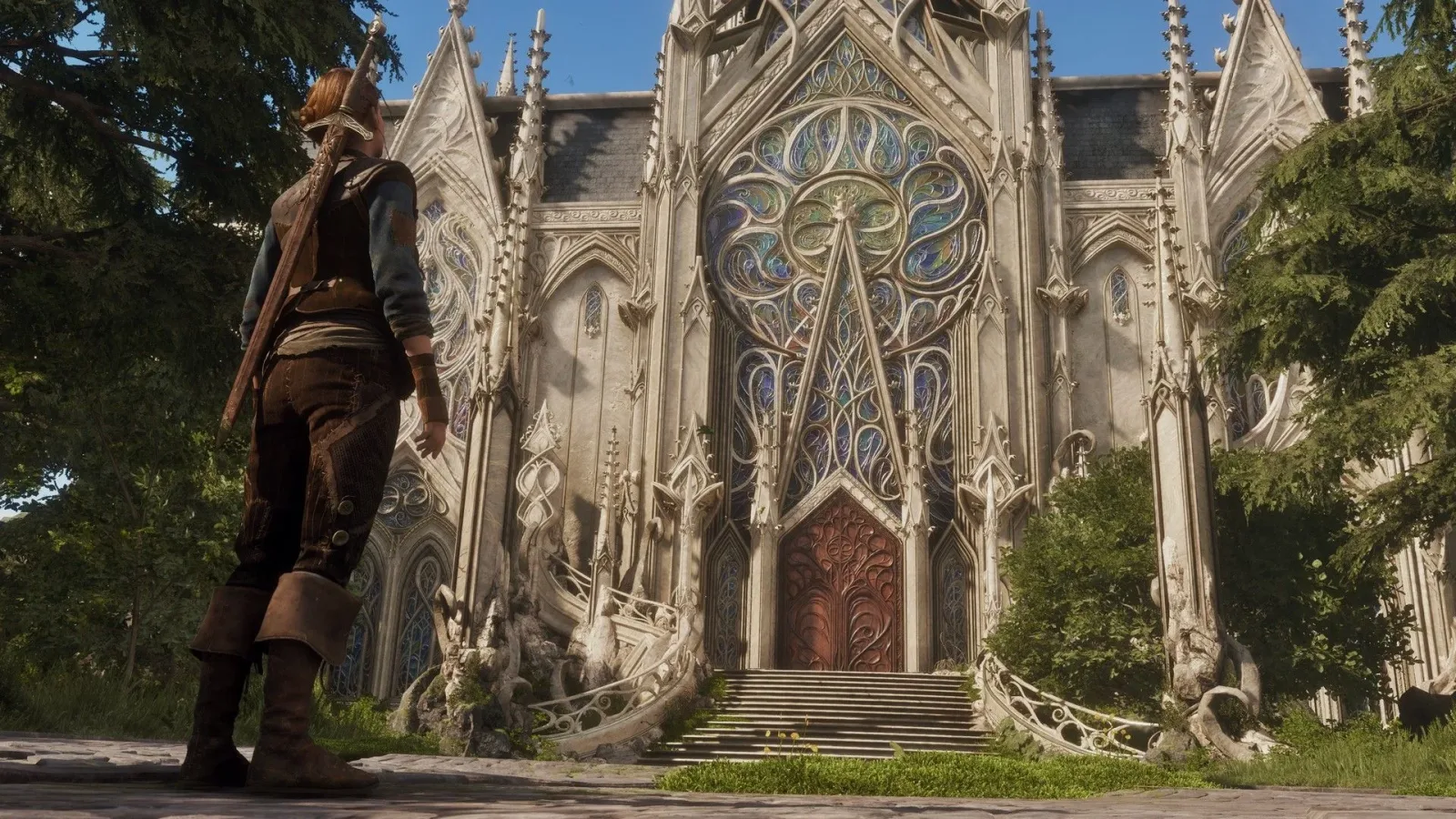
Playground Games is setting a high bar for the ending of Fable, the upcoming role-playing game due in 2027. Game director and studio co-founder Ralph Fulton has said the team has made the finale a major priority, promising that the game will "stick the landing" after a long adventure built around freedom, exploration, and meaningful decisions.
That is a particularly notable commitment for a series with a complicated relationship to expectations. The original Fable games remain deeply loved for their playful British humor, moral choices, storybook presentation, and willingness to let players approach Albion with a degree of personality. They also carry the legacy of ambitious pre-release promises that sometimes made the finished games seem smaller than fans had imagined. With Playground Games now guiding the franchise into a new era, the studio appears aware that its final act will shape how players remember the whole experience.
Fulton discussed the team's philosophy in an interview, explaining that Fable's main quest is intentionally not meant to create a relentless feeling of urgency from beginning to end. The goal is to give players room to spend time in the world, follow their curiosity, and engage with the kinds of distractions and activities that have traditionally helped define Albion. Rather than constantly insisting that every moment must be spent pursuing the central conflict, the game is designed to support wandering and experimentation.
That approach has an important exception: the conclusion. Fulton said the finale is the one part of the game in which players will be locked into the story's momentum. More importantly, he emphasized that Playground has invested heavily in making that destination feel worthwhile.
For useful background on this topic, read Helldivers 2 Ironclad Democracy Warbond: Every Weapon, Armor Set and Booster Detailed.
"It's easy to look at industry metrics saying 100% of people start a game and only 25% finish, and decide not to invest heavily in the finale," Fulton said. "We relentlessly pursued quality here."
Those comments point to a familiar tension in modern open-world RPG development. Studios devote enormous resources to the opening hours of a game because that is where players first form an opinion, and because a considerable percentage of an audience may never reach the final mission. Open worlds also encourage players to set their own priorities, potentially spending dozens of hours on side stories while leaving the campaign incomplete. A carefully constructed ending can therefore be one of the most expensive parts of a game to create for content that fewer people will see.
Fulton's remarks suggest Playground Games has chosen not to treat that reality as a reason to reduce the finale's importance. Instead, the studio appears to see the end as an essential payoff for the time players invest in the journey. For a narrative RPG, that payoff is not simply a matter of a larger spectacle or a tougher last battle. It is about resolving character arcs, bringing earlier choices into focus, and giving players a sense that their version of the protagonist has arrived at a meaningful conclusion.
A finale with a difficult choice
Fulton has not revealed exactly how the final choice works, nor has he outlined the story circumstances surrounding it. He did, however, offer a clear indication of the intended emotional effect. In what he described as great Fable fashion, the game culminates in a decision that asks players to consider who they are, while weighing a genuine personal cost against the result they want.
That framing is significant because Fable has always been interested in identity, even when it presents that theme with broad comedy or exaggerated fantasy. Earlier games let players influence their character's appearance, reputation, relationships, morality, and public image. Players could pursue a heroic path, embrace villainy, or occupy a more unpredictable space between the two. The new game's ending appears positioned to turn that long-running series idea into a sharper final question: not merely what outcome does the player want, but what are they willing to sacrifice to achieve it?
A choice with personal cost can carry more weight than a binary good-or-evil prompt, especially if the game has spent its earlier hours allowing players to form attachments to its people, places, and routines. The strength of such a conclusion will ultimately depend on execution. Players will want the decision to be understandable without being simplistic, difficult without feeling arbitrary, and connected to the character they have actually played rather than to an abstract morality meter.
There is no word yet on whether the ending will have multiple radically different outcomes, whether earlier decisions will change its available options, or whether players will see major variations in the state of Albion after the credits. Fulton's language should therefore not be taken as confirmation of any particular branching structure. What it does confirm is that Playground wants the final decision to be more than a decorative last-minute prompt.
The shadow of Fable 2's abrupt conclusion
Fans will inevitably compare that promise with the ending of Fable 2, a game frequently remembered as one of the most beloved entries in the franchise. Its central antagonist, Lucien, is built up across the adventure as a figure responsible for devastating acts against the protagonist and the wider world. Yet the final confrontation became notorious for how suddenly it ended.
At the climax, Lucien can be defeated with a single shot after the player uses a music box. If the player waits while he talks, another character can even shoot him instead. The scene has an intentionally comical edge, and some players appreciate the joke as a fittingly odd Fable moment. For others, however, it feels anti-climactic after the emotional stakes and extended pursuit that lead to it. The outcome is memorable, but not always for the feeling of triumph or catharsis that players expect from a final villain encounter.
Fulton's insistence on a carefully crafted landing will naturally be read as reassurance that the new Fable is not aiming for a repeat of that particular frustration. That does not mean the 2027 game will abandon the series' sense of humor. Fable has rarely been a franchise defined by straight-faced fantasy grandeur, and its best moments often mix sincerity with absurdity. The challenge for Playground will be finding a way for its final act to retain that personality while still respecting the emotional investment created by the main story.
An ending does not need to be solemn to be satisfying, nor does a dramatic conflict always require a conventional boss fight. But it must make the player feel that the game understood what was at stake. If Fable asks players to make a personally costly choice, the surrounding narrative needs to earn that pressure and make the consequences feel real.
Freedom before the final stretch
The balance Fulton describes between an unhurried main quest and a more focused final sequence could prove central to the game's identity. Open-world games sometimes struggle with a structural contradiction: the story declares that a crisis needs immediate attention, while the game's systems invite players to fish, trade, decorate homes, race, collect items, or simply explore for hours. Fable's plan appears to address that contradiction by lowering the sense that players are irresponsibly ignoring an emergency every time they pursue a side activity.
That can benefit both sides of the experience. Exploration feels more natural when the game acknowledges that the player has time to enjoy the world, and the central story can feel more potent once it deliberately signals that the point of no return has arrived. By reserving the lock-in for the finale, Playground is attempting to let players enjoy Albion on their own terms before asking them to commit fully to the story's resolution.
It is also consistent with the broad appeal that has historically made Fable distinct among RPGs. The series has invited players to be curious and mischievous as much as heroic. Its worlds have room for grand stakes, but they also depend on local color, strange encounters, domestic decisions, and the pleasure of seeing how the world responds to the player's behavior. A main quest that leaves room for all of that could help the reboot feel like Fable rather than simply another fantasy open world.
A major role for a long-running Xbox series
Fulton's comments arrive after a lengthy development period for the new Fable. In a separate discussion of the project's place within Xbox, he said that many people at the company view the franchise as vital to the platform's DNA. He also said that support helped protect the game through its extended development cycle, even amid continued layoffs affecting Xbox.
That context explains why the project carries substantial expectations. Fable is not just a return to an established fantasy setting; it is a high-profile attempt to revive a series whose tone and player-driven identity are difficult to reproduce. Playground Games has a strong pedigree, but this is still a different kind of undertaking from the studio's best-known work. The result will be judged on its combat, world design, humor, choices, and technical execution, but its ending may have an outsized influence on the overall conversation.
For now, players will need to wait for more details about the final decision and the story leading up to it. Fable is expected in February 2027, and its creators are clearly asking fans to believe that the destination will justify the journey. If Playground delivers on Fulton's promise, Albion's next major adventure could offer the freedom fans associate with the series without sacrificing the emotional payoff that an RPG finale needs.
Community
Discussion
Start the conversation.
No comments have been posted yet.