

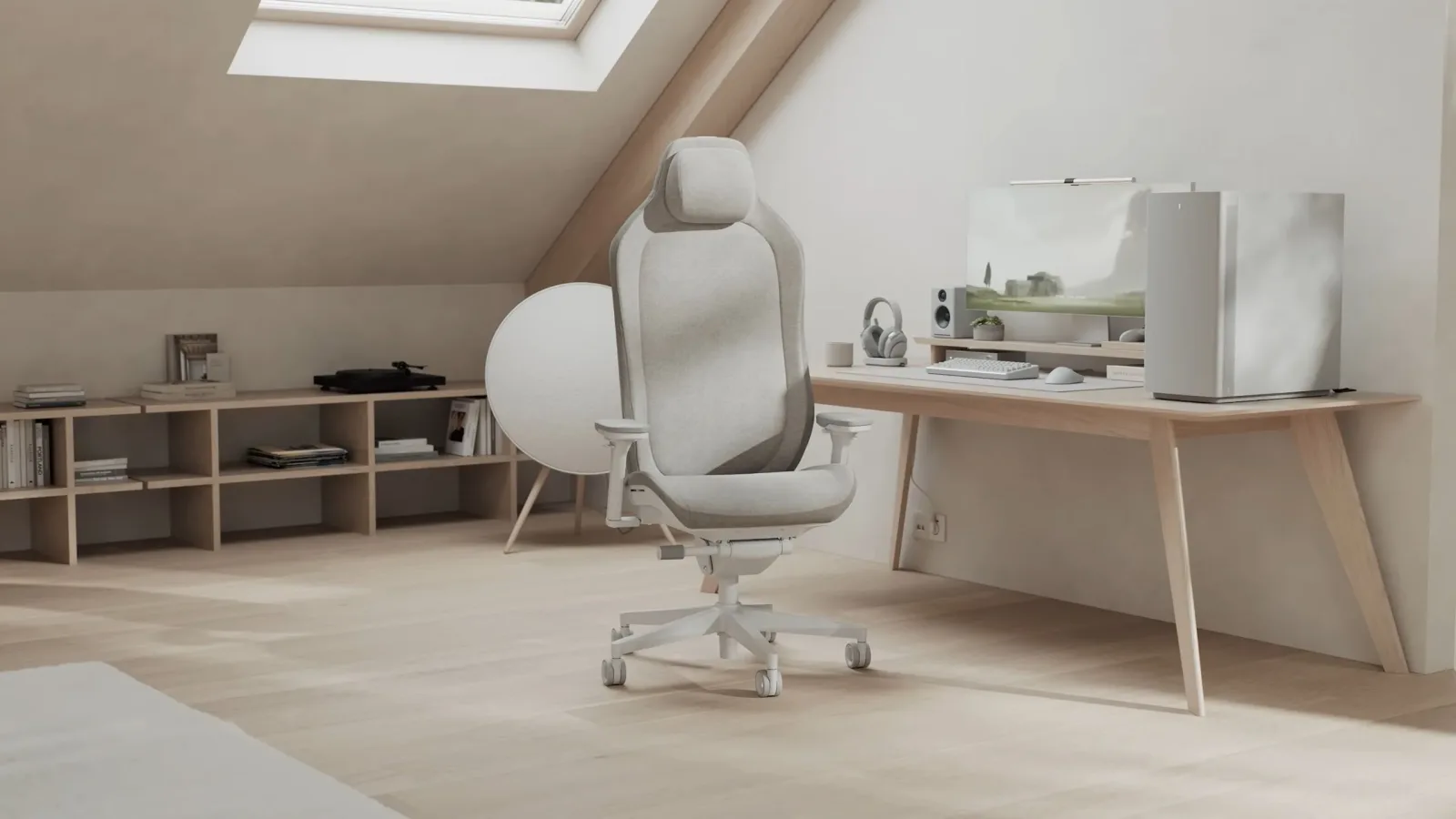
Fractal Design has introduced the Refine 2, a revised version of the company's gaming chair that first arrived in 2024. Rather than replacing the original concept with a dramatically different design, the new model focuses on comfort refinements, broader upholstery choices, and changes to the chair's adjustment systems. The result is a familiar-looking seat with a more ambitious feature set for players who split long sessions between games, work, and media.
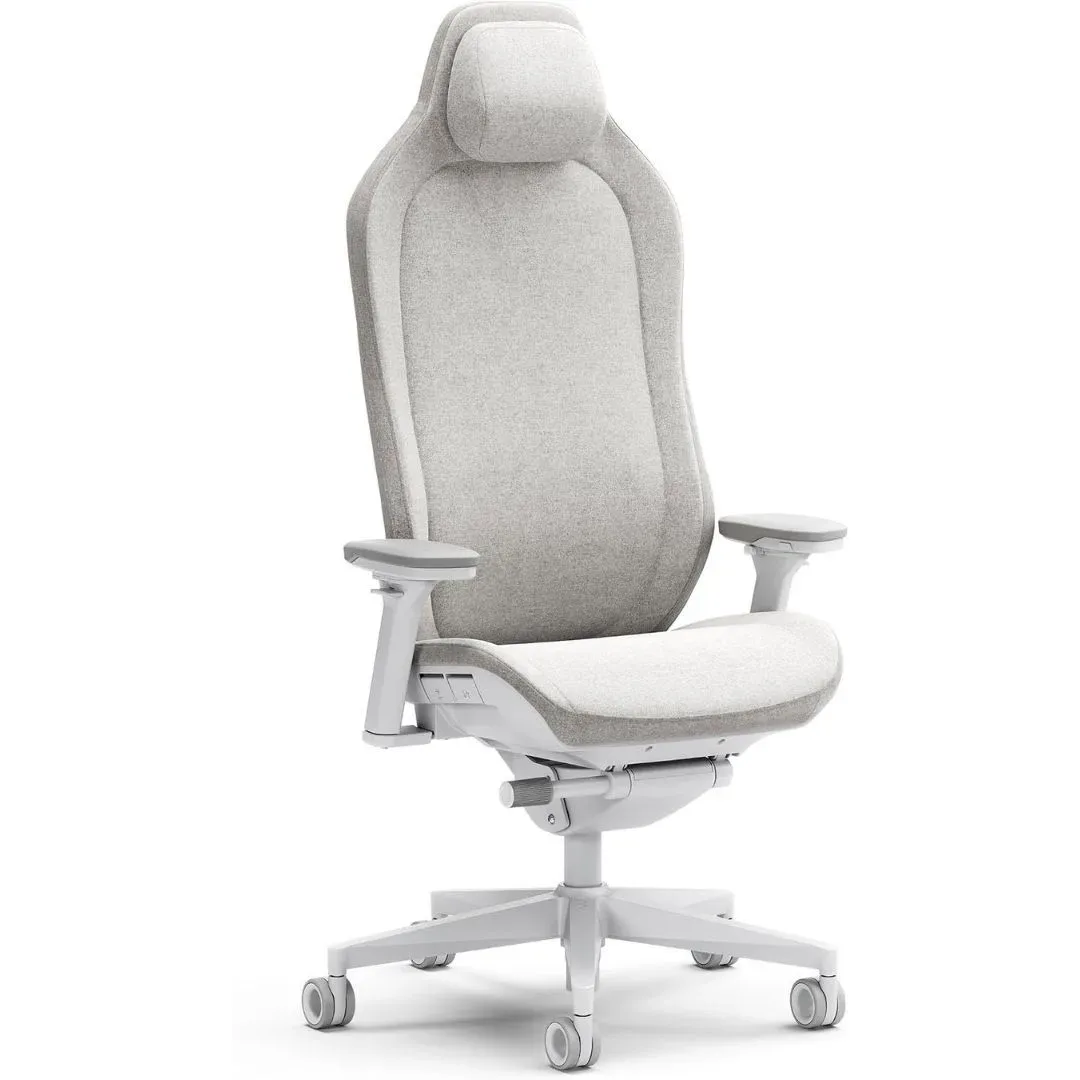
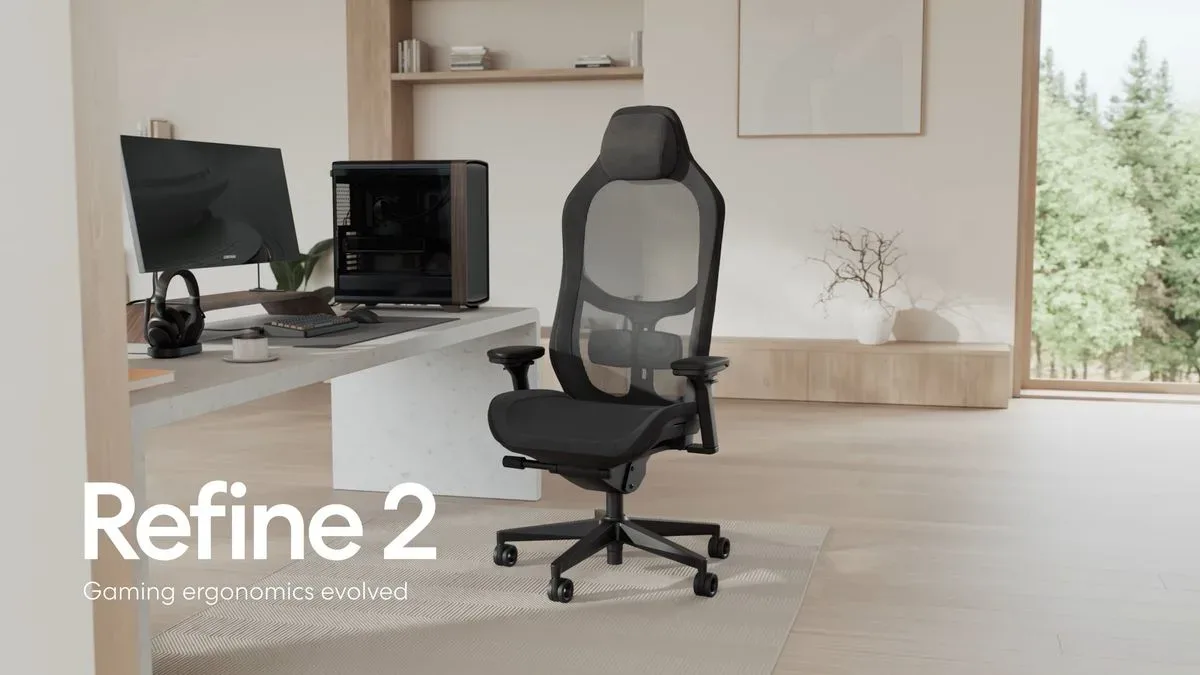
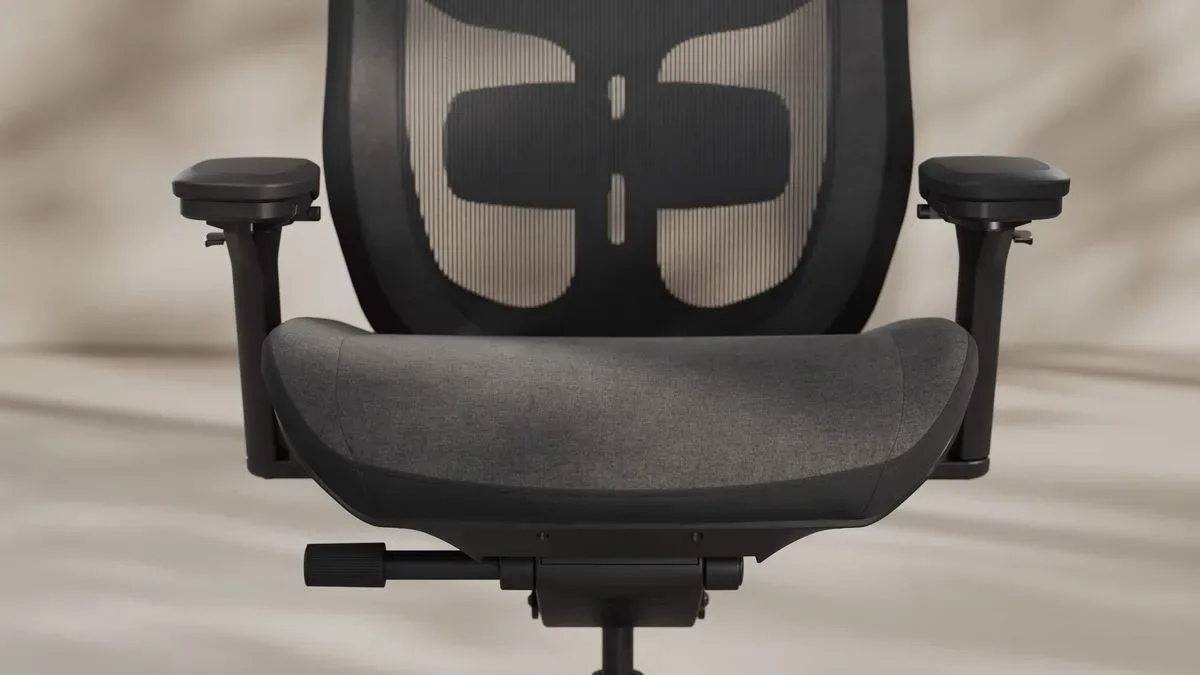
The Refine 2 is available now in light and dark color schemes, with buyers able to choose mesh or fabric upholstery. The most notable addition is a hybrid configuration that combines a mesh back with a fabric seat. All versions are priced at $639.99 / £499.99, regardless of finish or upholstery selection.
That unified pricing keeps the decision centered on feel, airflow, and appearance rather than forcing shoppers toward a higher tier for a particular material. It does, however, represent an increase from the original Refine's $549 starting price. Fractal has also discontinued the premium full-Alcantara version from the earlier range, which was priced at $899 / £799. There is no corresponding luxury-tier Refine 2 model at launch.
A broader take on mesh and fabric comfort
The revised lineup acknowledges that mesh and fabric each have devoted audiences. Mesh-backed chairs are often chosen for their ventilation, which can matter during extended PC play or in warmer rooms. Fabric seats, meanwhile, can deliver a softer and more traditional cushioned feel. The Refine 2 hybrid model attempts to provide both: breathable support at the back, paired with a fabric seat surface.
For useful background on this topic, read September Gameplay Clip Contest Puts the Focus on Speed.
Hybrid upholstery is still relatively uncommon in the gaming-chair market. Many products commit fully to mesh, fabric, synthetic leather, or another single covering. By offering a mesh back and fabric seat together, Fractal is giving buyers an alternative for setups where temperature control is important but a fully mesh seat is not the preferred experience.
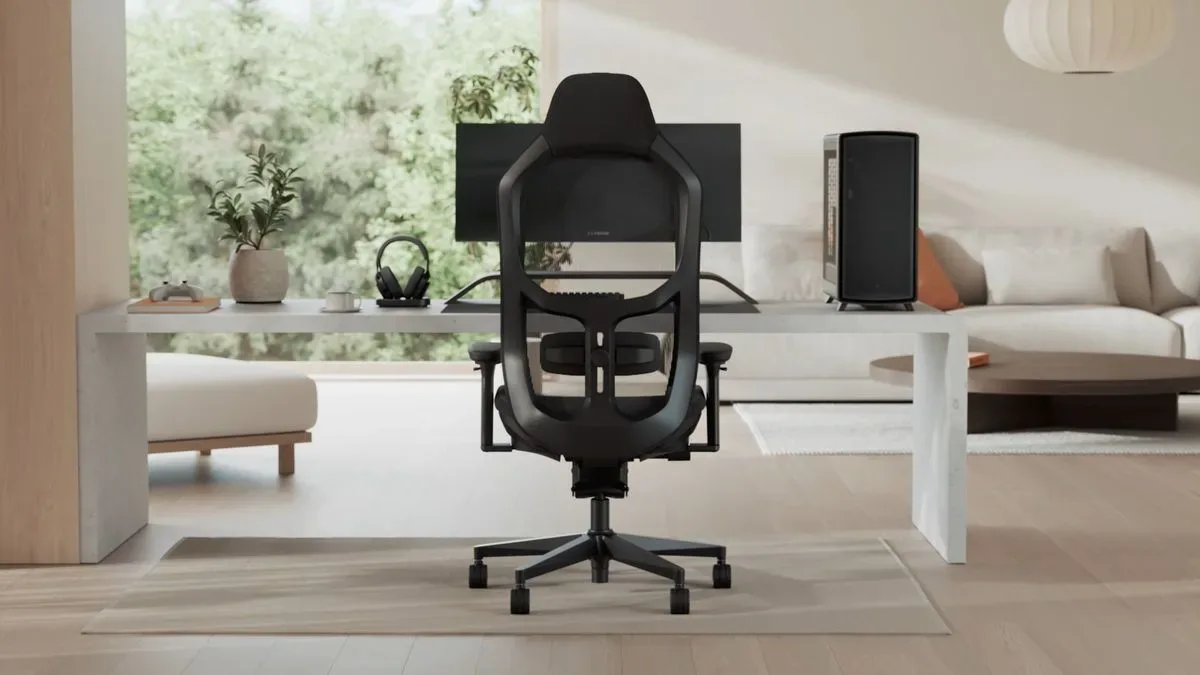
The chair's Scandinavian-inspired styling remains a key part of its identity. The Light Fabric model in particular uses brighter white frame elements than its predecessor, making it more visually assertive. That may appeal to players building neutral or light-toned desk spaces, including multipurpose rooms where a conspicuously aggressive racing-style gaming chair would look out of place. Dark versions remain available for more conventional gaming spaces and understated office environments.
Refined lumbar support and easier adjustments
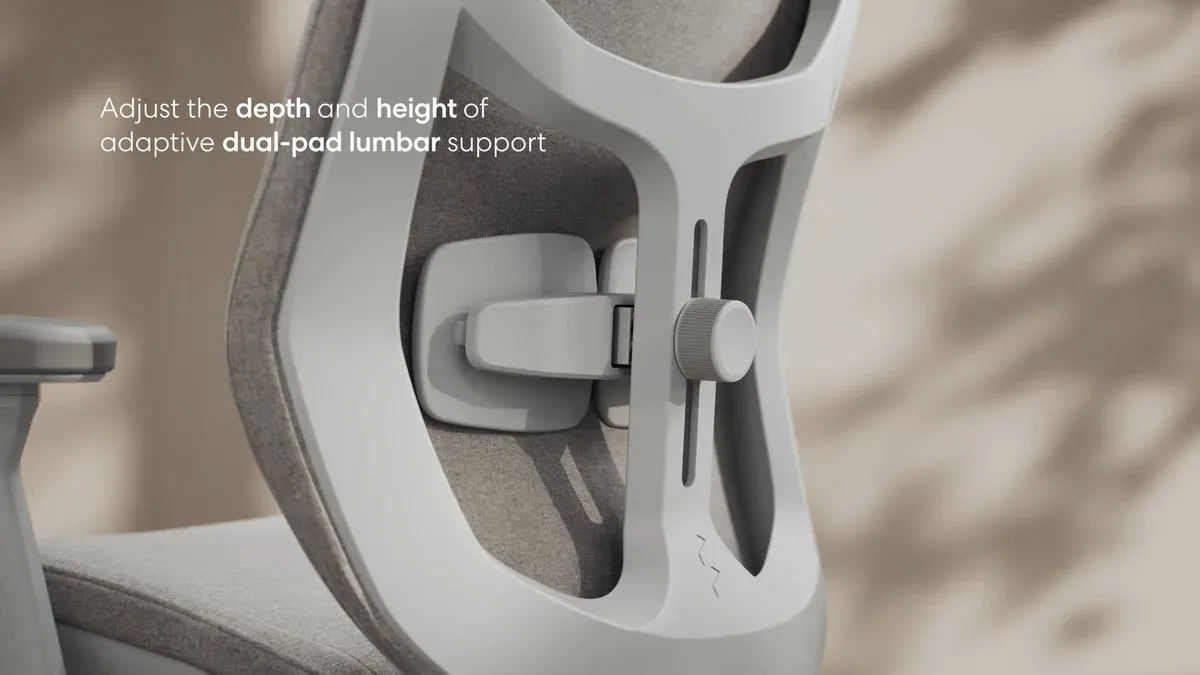
Fractal's changes are not limited to the outer materials. The Refine 2 revises its lower-back support by dividing what was previously one horizontal lumbar panel into two separate pads. The intended effect is a more adaptive contact area across the lower back. Lumbar support is one of the most important points of differentiation in ergonomic seating, but comfort remains highly individual; body shape, sitting posture, desk height, and monitor placement can all alter how effective a design feels in practice.
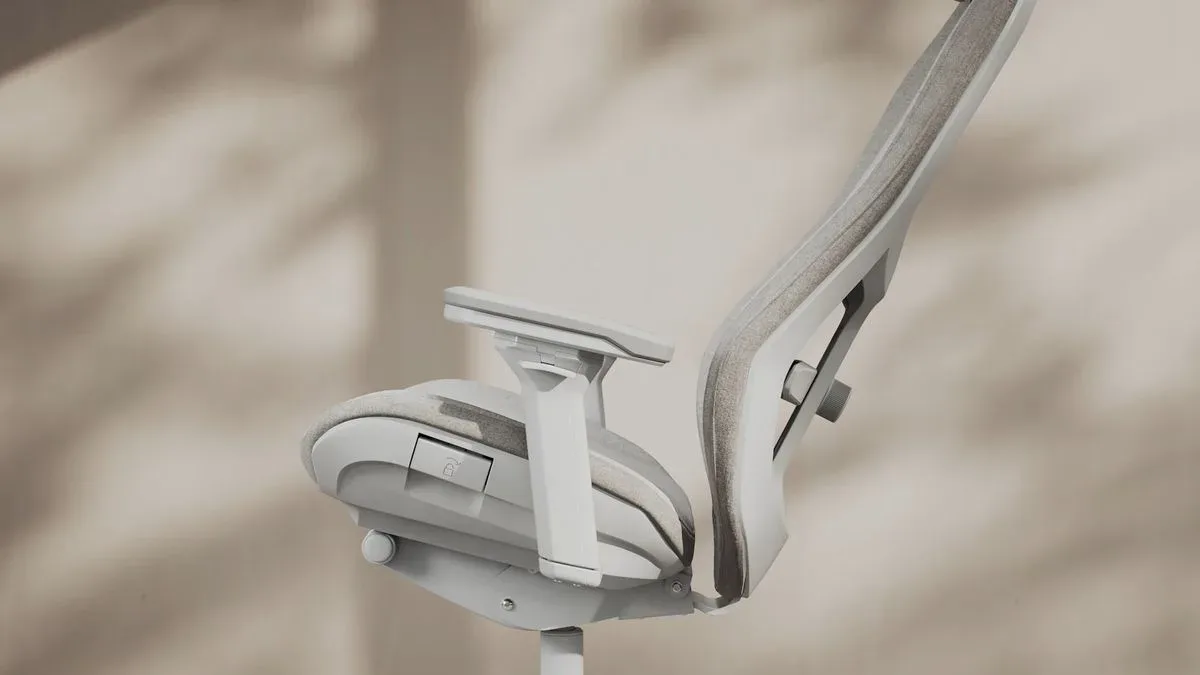
The company has also revised several points of physical interaction. The headrest now uses memory foam and has updated controls intended to make its positioning easier. The tilt-tension knob and lumbar controls have similarly been updated, with Fractal describing the aim as a more cohesive, tactile adjustment experience.
These changes may sound small on a specification list, but adjustment usability can be decisive in daily ownership. A chair may have a long list of ergonomic features, yet those features are far less valuable when the levers are hard to find, controls are unclear, or changes require the user to leave the chair repeatedly. Better tactile differentiation and smoother operation can make it easier to tune a seat for a focused competitive match, a relaxed controller session, or a workday spent editing and browsing.
Headrest height adjustment has been expanded as part of the update. Fractal has also extended the seat-depth range that was already a strength of the original model. Seat depth is particularly useful for accommodating different leg lengths: too little support can leave the thighs unsupported, while too much depth can create uncomfortable pressure behind the knees. Wider adjustment should help more users find a position that supports their legs without forcing them away from the backrest.
Synchro-tilt enters the Refine design
One of the larger mechanical additions is a synchro-tilt mechanism. In general, synchro-tilt systems coordinate the movement of the backrest and seat as the user reclines, rather than allowing the chair to behave like a simple fixed-angle recliner. This kind of movement is common in higher-end ergonomic office seating because it can help maintain a more natural posture while leaning back.
Fractal says the Refine 2 offers smoother movement across the chair, particularly during reclining. The approach is comparable in broad concept to the synchro-tilt functionality seen in Secretlab's newer Atlas chair. The quality of that motion will depend on real-world testing, including how the chair behaves at different tension settings and for users of different sizes, but the inclusion suggests Fractal is continuing to target the overlap between gaming furniture and serious ergonomic seating.
The Refine 2's weight capacity has increased from 125 kg to 135 kg. That is a meaningful practical revision, though shoppers should still review fit, dimensions, and adjustment ranges rather than treating a maximum capacity figure as a complete guide to comfort. Ergonomics is rarely one-size-fits-all, especially for a product intended to support long periods of seated use.
Lockable armrests address a familiar frustration
Fractal has added lockable armrest controls, a change that could prove especially welcome for users who have dealt with overly mobile armrests. Adjustable armrests can be useful when switching among keyboard-and-mouse games, controller play, and ordinary desk tasks. Yet armrests that slide, pivot, or shift too easily can become frustrating when they move unexpectedly while a player is trying to maintain a stable aiming position or simply get comfortable.
Locking the armrest settings should allow users to establish a preferred height and position, then keep it in place. For keyboard-and-mouse setups, that may help players align their forearms with the desk without their support points drifting through regular movement. Console players using a desk monitor, as well as handheld players who use a chair for extended sessions, may also appreciate being able to hold a consistent arm position.
It is an example of Fractal concentrating on a part of the chair that can be overlooked in marketing materials. Chairs are often judged first by upholstery, reclining angle, or visual design, but armrests are among the components users touch most frequently. A reliable locking solution could make a larger day-to-day difference than it initially appears.
The Alcantara Refine is gone, but choice remains
The original Refine was notable partly because its various cosmetic versions shared the same base price, at a time when mesh and ergonomic options could command substantial premiums over more conventional gaming chairs. The Refine 2 preserves that material-neutral pricing model. Whether a buyer chooses light fabric, dark mesh, or a hybrid version, the price remains $639.99 / £499.99.
What has changed is the absence of a top-end Alcantara option. The original full-Alcantara Refine occupied a distinctly premium niche at $899 / £799. Its removal means buyers who wanted that particular luxury upholstery will not find an equivalent successor in the Refine 2 lineup. For some, the expanded practical options may matter more; for others, the Alcantara version may remain the most distinctive expression of the original chair.
The Refine 2 arrives with a clear strategy: preserve the clean, adaptable design of the first chair, then address comfort and control details that can matter over hundreds of hours of use. The new hybrid material option, divided lumbar pads, memory-foam headrest, expanded fit adjustments, locking armrests, greater weight limit, and synchro-tilt mechanism collectively make this more than a simple color refresh.
Whether those changes elevate the Refine 2 to the front of the competitive gaming-chair market will depend on hands-on evaluation. Its specifications put it in a crowded premium category that includes increasingly sophisticated ergonomic designs, dynamic backrests, and advanced reclining systems. Still, Fractal's revised chair presents a thoughtful option for gamers who want a less flashy aesthetic without giving up the adjustability expected from higher-end seating.
Community
Discussion
Start the conversation.
No comments have been posted yet.