

Games Done Quick has spent more than a decade proving that speedrunning can be much more than a spectacle of technical play. The organization's events are built around players finishing games at astonishing speed, often using precise movement, clever routing, glitches, and extraordinary consistency. But the central purpose is charitable fundraising, powered by an audience and volunteer network that sees games as a way to bring people together for something bigger.
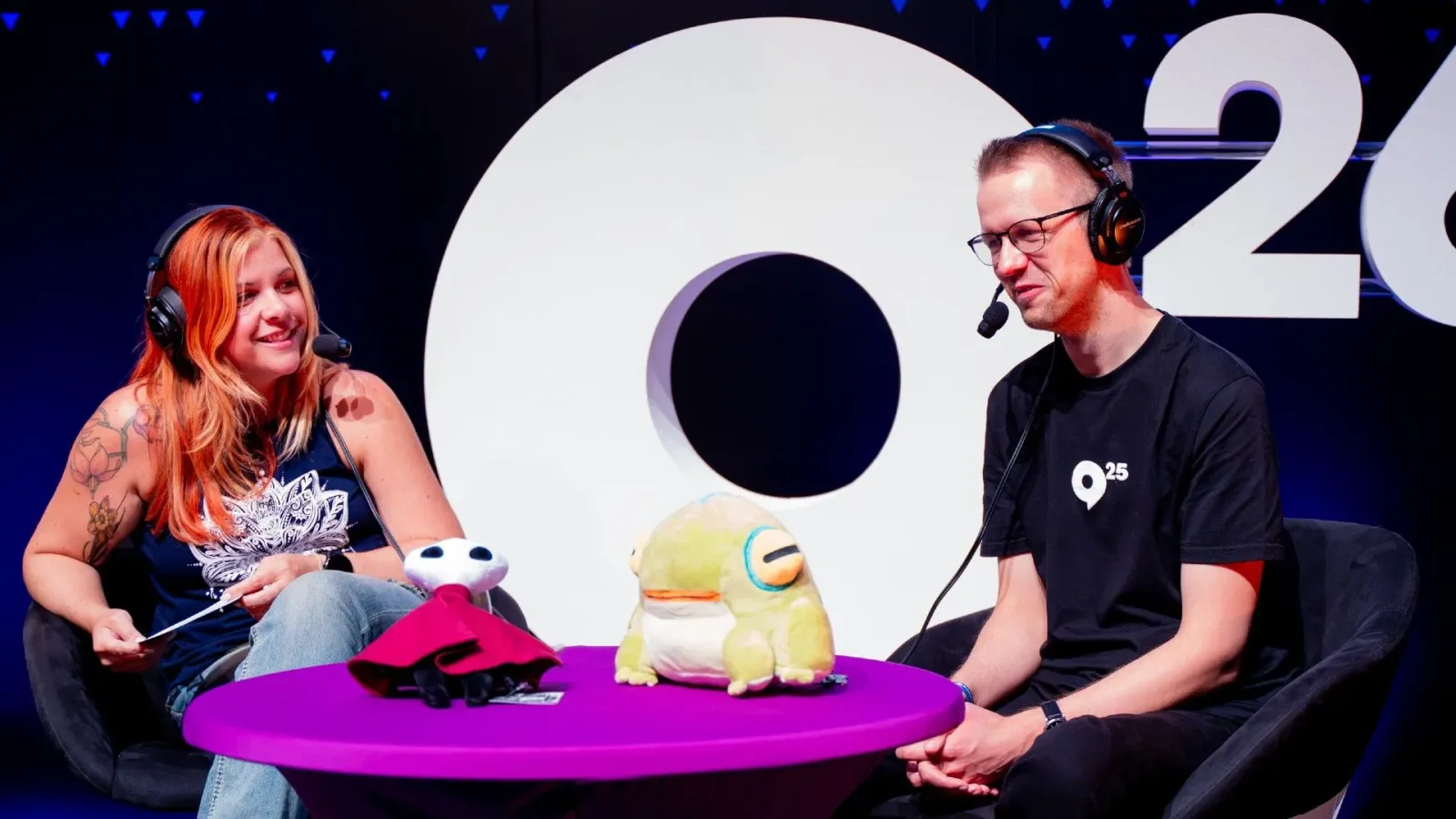
That formula reached a new stage at Gamescom 2026, where Games Done Quick held a live event at Koelnmesse for the first time. Speedrunners who would usually be watched through a stream had a crowd cheering them on in person, adding a convention-scale energy to a format already known for its excited chat rooms, donation messages, and marathon schedules.
Games Done Quick business director Ashley Farkas described the organization's identity as fundamentally rooted in people uniting around causes that matter to them. That collective effort comes from every layer of an event: employees, runners, volunteers, attendees in the venue, and viewers following along remotely. Each person's contribution, Farkas said, helps turn the event's enthusiasm into a tangible difference.
The scale of that difference is already substantial. Games Done Quick has raised $62 million for charity, supporting organizations including Doctors Without Borders and the Prevent Cancer Foundation. The total is remarkable, but it is not the sole yardstick guiding the group's future. For Farkas, the more important question is how GDQ can keep finding engaging ways to gather genuinely caring people around worthwhile charitable work.
For useful background on this topic, read BlizzCon 2026 Opening Ceremony: Start Time, Free Stream Details, and What May Be Revealed.
A Gamescom debut that fits the speedrunning spirit
Gamescom is built on a simple but powerful idea: gaming fans from around the world can meet in one place to celebrate the hobby's many communities. There are blockbuster showcases, indie games, esports, cosplay, hardware, creators, and more specialized corners of the industry all operating side by side. A Games Done Quick stage feels naturally at home in that environment.
Speedrunning has always been a highly communal form of play. A single runner may be at the controller, but a successful run is often informed by years of discoveries made by many players. Routes are tested, techniques are refined, records are challenged, and viewers learn the details of games they thought they knew inside out. At a GDQ event, that knowledge becomes a live performance, while the audience's donations give the performance an additional purpose.
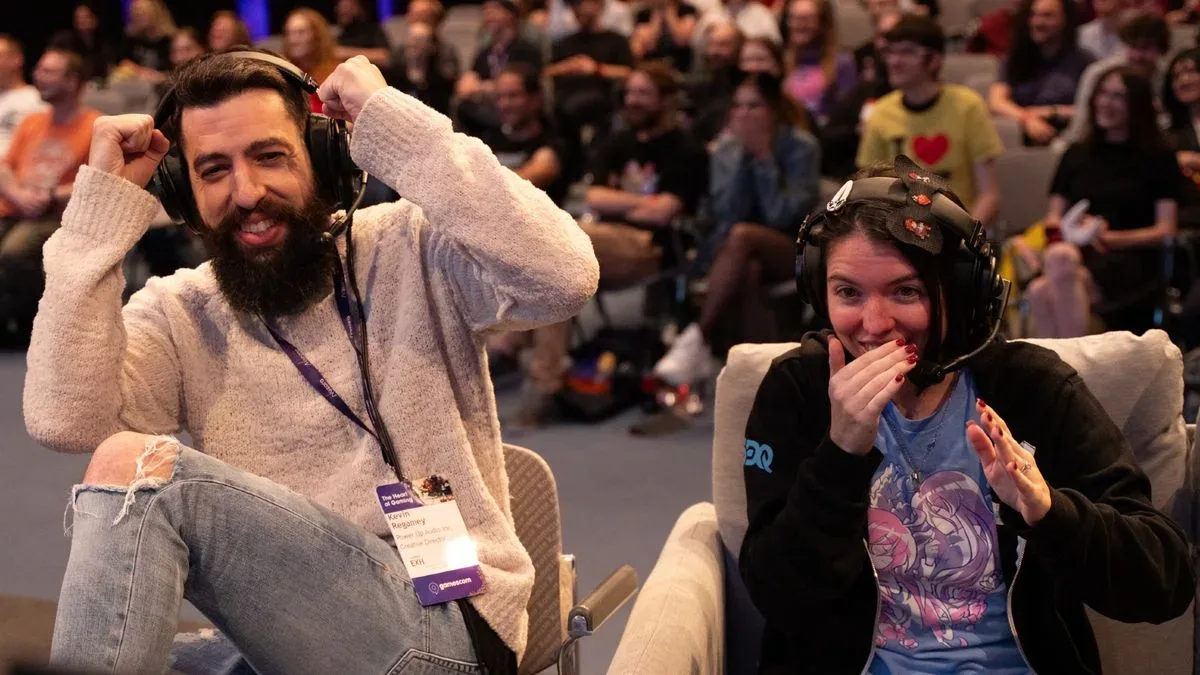
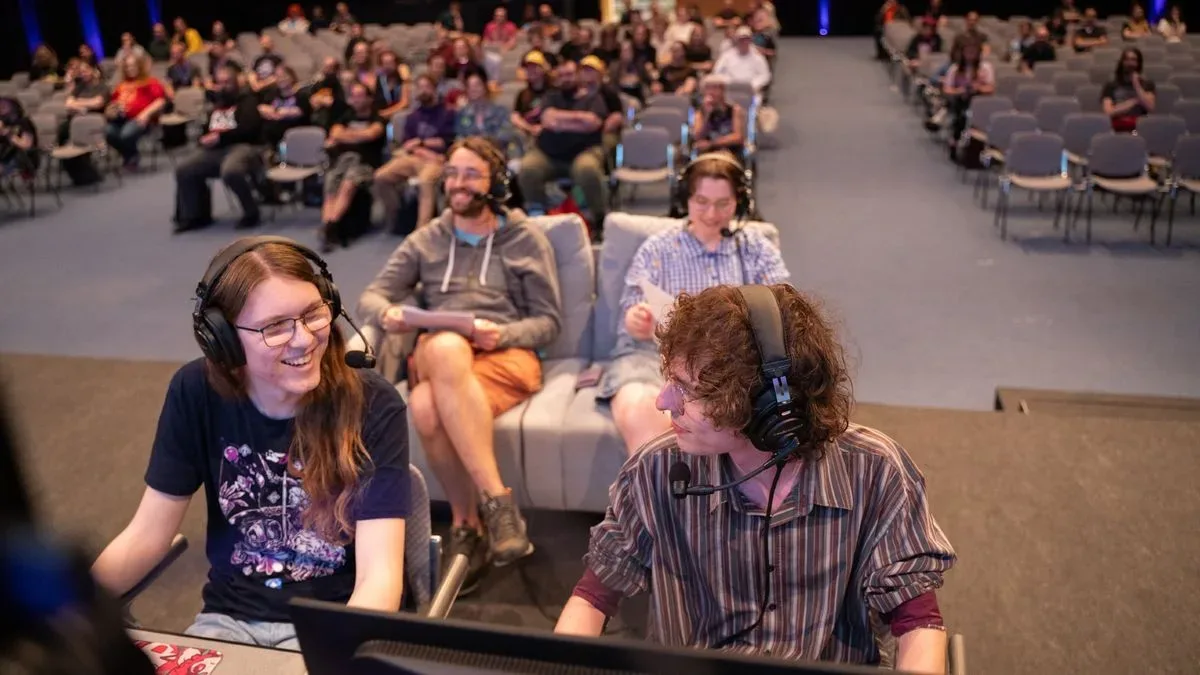
The Gamescom appearance also gave the format a different kind of audience connection. People in the Koelnmesse could watch the runs unfold in the room, react to close calls in real time, and share the tension of difficult tricks or unexpected setbacks. That live communal feeling is valuable for speedrunning, where one missed input can change a run completely and an improvised recovery can be as memorable as a perfect performance.
For an organization with a history of major marquee showcases such as Summer Games Done Quick, expanding into new settings is a logical way to introduce speedrunning's charitable culture to more people. It also reflects a broader interest in building experiences rather than treating fundraising as a simple transaction between donors and a cause.
More than a donation total
Charity streams and fundraising campaigns come in many forms across the games industry. They can center on individual creators, game launches, competitive tournaments, local communities, or global events. What distinguishes Games Done Quick is the way the organization turns fundraising into a recurring shared occasion. Viewers do not only donate; they watch challenges, follow incentives, celebrate runners, quote familiar event traditions, and join a collective atmosphere around each marathon.
Farkas acknowledged that conventional fundraising can sometimes feel direct and peer-to-peer, which is why GDQ is interested in creating more ways for people to participate in the experience itself. The organization has worked with GDQ ambassadors before, and Farkas pointed to potential opportunities to involve more creators in future initiatives. Such efforts could give supporters new entry points into the community while preserving the central mission of raising money for charities.
This approach matters because the most memorable GDQ moments are rarely only about the final donation tally. They can come from a risky run that succeeds at the last second, a couch commentator explaining an obscure technique, a bid war that changes an in-game decision, or supportive donation messages arriving from viewers. Those individual moments can turn a person watching for one game into someone who stays for a full event and returns for the next one.
It is also why setting a rigid prediction for future fundraising would not necessarily capture what makes GDQ work. The community's willingness to innovate has repeatedly shaped the organization. New games enter the speedrunning spotlight, established categories change as strategies improve, and event programming evolves alongside the people participating in it.
An emphasis on acceptance and belonging
Community is not merely a convenient description of Games Done Quick's audience. It is at the core of how the organization wants its events to feel, particularly for people who may not always feel welcomed elsewhere. Farkas emphasized the harm people can feel when they do not believe they belong, and described GDQ as a space where attendees can present themselves authentically without fear.
"You can show up to one of our events authentically as who you are and not be afraid or scared or anything," Farkas said.
That message has long been visible in the event culture. Donation messages frequently include encouragement for marginalized groups, including the trans community, and the programming has made room for events designed to highlight voices within speedrunning that have historically received less attention. Frame Fatales, for example, focuses on feminine-presenting speedrunners and is among the growing number of GDQ-branded events.
The organization has also launched Games Done Queer, its first event specifically under that banner. The event had already raised more than $11,000, with speedruns involving Donkey Kong and hot dog-making among the highlights that helped bring attention and donations to the marathon.
These events are not separate from GDQ's broader identity; they demonstrate its larger belief that a healthier community is one where more people can find a place. Greater representation means different players get a stage, different audiences discover speedrunning, and the wider charity effort is strengthened by the people who choose to take part.
Remote events showed the strength of the network
Games Done Quick's community-first structure was especially important in 2020, when in-person gatherings suddenly became impossible for many people around the world. Streaming, online hangouts, and remote events became vital social connections during a period of isolation. GDQ adapted its usual format to allow runners to participate from remote setups, keeping its shows moving despite the loss of a shared physical venue.
The adjustment revealed how much work exists behind every speedrun marathon. A broadcast depends on far more than paid staff and visible on-screen talent. Runners prepare their categories, volunteers help organize and operate events, technical teams keep broadcasts functioning, and viewers sustain the fundraising mission through donations and attention. Farkas stressed that there would be no show without runners, volunteers, and the larger community supporting it.
That lesson remains relevant even as GDQ returns to live spaces such as Gamescom. In-person crowds can create unforgettable scenes, but online participation still allows people across the globe to be part of the same moment. The ability to connect a runner in one location, a commentator elsewhere, and donors around the world remains one of the organization's most powerful strengths.
Where Games Done Quick goes next
The Gamescom 2026 debut is not simply another stop on a convention calendar. It signals that GDQ sees room to continue experimenting with its format, partnerships, and places where its community can gather. Whether that means further creator participation, additional specialized events, or more live appearances, the underlying goal remains consistent: create fun, welcoming experiences that channel gaming enthusiasm into meaningful charitable support.
Speedrunning is often viewed through the lens of precision and competition, but Games Done Quick offers a wider picture of what the discipline can be. It is a celebration of game knowledge, an opportunity for players to showcase difficult skills, a platform for communities to represent themselves, and a fundraising engine with a demonstrated record of helping real-world causes.
At Gamescom, surrounded by one of gaming's largest international gatherings, that combination was especially clear. The runners may be the people holding the controllers, but the event's momentum comes from a far larger group: the people who organize, watch, donate, cheer, learn, and return. For Games Done Quick, that shared sense of belonging is not an extra feature of the marathon. It is the reason the marathon can make a difference at all.
Community
Discussion
Start the conversation.
No comments have been posted yet.