

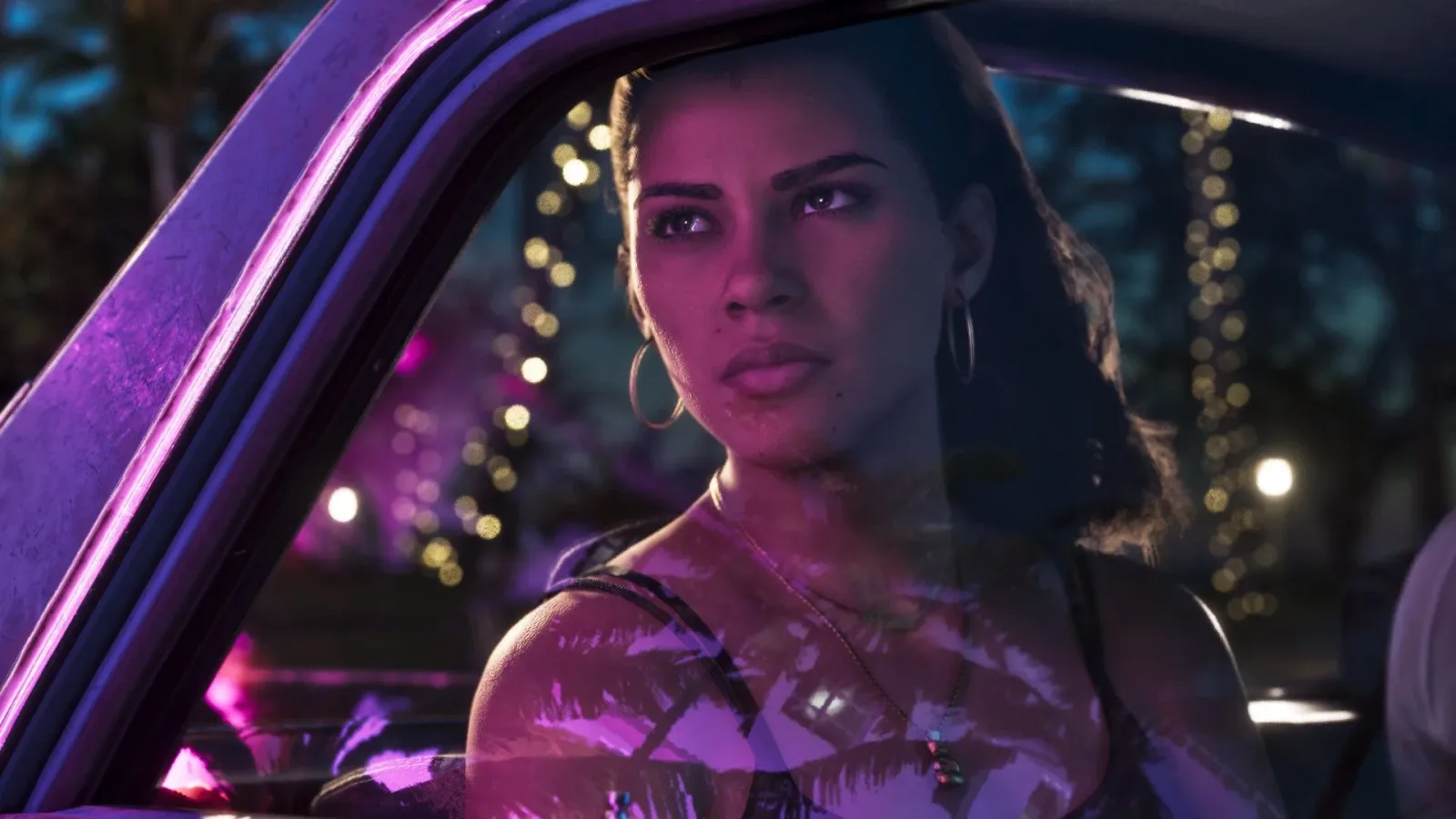
Grand Theft Auto 6 has arrived as one of the most commercially significant game launches in years, but its rollout is also putting a long-running industry argument back in the spotlight. The game is being sold digitally, including through boxed retail products that contain a code rather than a playable disc, and GameStop CEO Ryan Cohen believes that model strips away important choices that players once took for granted.
In a recent interview, Cohen said people who purchase a game should retain the ability to pass it on in practical ways. "When you buy a game, you should be able to sell it, trade it or lend it to a friend," he said. The comment gets to the heart of the friction between the convenience of digital storefronts and the ownership expectations built during decades of cartridge and disc sales.
For consumers, the difference is not merely about whether a game comes in a plastic case. A physical copy can be shared with a friend, traded toward another purchase, sold when its owner is finished with it, or kept as part of a collection. A digital purchase is generally tied to an account and governed by the rules of the platform holder and publisher. While storefronts may offer downloads, cloud saves, preloading and instant access, they do not usually provide a legal route for customers to resell the license they bought.
Cohen's position is unsurprising for the leader of a retailer whose traditional business has depended heavily on new physical releases and used-game trade-ins. Still, his argument goes beyond GameStop's own financial interests: he contends that the all-digital transition has made the market less favorable for buyers.
For useful background on this topic, read GTA 6 Chapter 1 Starts With Lucia's Prison Release and a Bank Heist Flashback.
"Unquestionably," Cohen said of the shift, "the decision to move to all digital has hurt consumers, and it's also hurt GameStop."
Why trade-ins remain important to physical gaming
The used-game market has always served a specific purpose in the broader console ecosystem. It lets players recover some value from games they no longer want, allowing them to put that money toward a new release, accessory, subscription, or another second-hand title. For households with limited entertainment budgets, that cycle can make keeping up with major launches substantially more affordable.
Physical ownership also creates flexibility. A player can lend a disc to a family member, bring a game to another compatible console, or give it away without needing to navigate account-sharing rules. Collectors can preserve boxes, manuals and special editions, while consumers who prefer to avoid permanent digital libraries have an alternative that feels more tangible and independent.
Digital distribution changes that relationship. Buying a digital game can feel like buying access rather than obtaining an item that can be freely transferred. The exact terms vary by storefront, but digital purchases are typically non-transferable. That means there is no equivalent of walking into a store with a finished game and exchanging it for credit.
There are advantages on the other side. Publishers and platform holders can distribute games globally without manufacturing, shipping, stocking or recalling discs. Players can purchase at any hour, switch between installed games without changing media, and often benefit from fast patches and downloadable additions. Digital storefronts have also helped smaller developers reach audiences that physical retail shelves might never have accommodated.
Yet those benefits do not entirely answer Cohen's concern. Convenience and consumer control are separate questions. A digital library may be easy to access, but that does not give a buyer the same choices available with a physical copy. The debate is therefore less about whether digital games are useful and more about whether a market that increasingly offers only digital licenses leaves enough room for traditional ownership.
Publishers have a clear reason to resist resale
Cohen acknowledged the core business reason publishers are wary of trade-ins. A used copy gives players an alternative to paying for a new one, and the publisher generally does not receive another share when that same disc changes hands at retail. From the publisher's perspective, the continued circulation of pre-owned copies can compete with fresh sales, especially after a game's launch window.
"Of course they don't like [trade-ins] because removing a used copy eliminates an alternative to buying new," Cohen said. "They're taking away competition."
That is a blunt description of a major structural change. With a physical game, a single unit can be sold repeatedly between players and stores. With a digital game, every new customer normally needs to buy another license through an approved storefront, unless a sale, subscription catalog, free promotion or account-sharing arrangement applies. Publishers retain a more direct connection to every transaction, and platform holders retain their storefront cut.
The result is a system with fewer independent paths to purchase. In the physical era, players could compare new copies, used copies, local shops, online retailers, rental services and personal borrowing. Digital storefronts can still have sales, but they are controlled by the companies operating those stores. The customer is offered prices and access terms set within a closed platform environment.
For GameStop, the stakes are immediate. Trade-ins help drive repeat visits, and pre-owned inventory has historically been a major part of its identity. If a major release is sold in a box but does not include a disc, the retailer can still sell that product, but it cannot eventually take that particular purchase back as a used game and sell it onward. The case becomes packaging for a digital entitlement, not a durable piece of resale inventory.
GTA 6 illustrates the code-in-a-box compromise
GTA 6 is a particularly visible example because of its extraordinary scale. Interest around Rockstar's latest open-world crime saga has made it a defining release, and Cohen said GameStop is selling a large amount of the game despite its digital-only arrangement. In commercial terms, the lack of a disc has not stopped the retailer from participating in the launch.
But the format remains revealing. A boxed code preserves some elements of traditional retail: shoppers can buy it in person, give it as a gift, and walk out of a store with a physical package. It may also appeal to those who want something tangible to wrap or display. What it does not provide is the central benefit of a physical game: the ability to put a playable disc or cartridge back into the market after the original owner is done.
That distinction could matter long after launch excitement fades. A physical GTA 6 copy could become a trade-in, a hand-me-down, a bargain-bin discovery or a collectible. A code redeemed to an account cannot. Once it has been used, the box itself has little practical value as game media.
For a release as large as GTA 6, that makes the issue easier to understand because so many players will encounter the format at once. The same trend has been developing across the industry for years through download-first hardware, digital editions, online storefront promotions and the gradual reduction of physical media production. GTA 6 has simply become a prominent symbol of where that progression can lead.
Ownership, preservation and the future of game libraries
The wider concern is not limited to resale value. Players who favor physical editions often point to preservation. A disc is not a complete guarantee that a modern game will remain playable forever, particularly when patches, online services and server checks are involved. Nevertheless, physical media can offer an additional layer of independence from storefront delistings, account issues and changing licensing agreements.
Digital stores can remove products from sale. Publishers can lose music, sports, film or brand licenses that affect older games. Online components can be discontinued. In some cases, a game remains available to prior purchasers even after delisting; in others, access can become more complicated. These realities make collectors and preservation advocates wary of an industry in which the consumer increasingly receives no transferable copy at all.
There is no simple reversal waiting around the corner. Digital distribution is deeply embedded in contemporary games, especially as file sizes expand and ongoing updates become normal. Many players prefer the speed and simplicity of buying without leaving home, and many publishers have strong incentives to favor a model that gives them greater control over pricing and distribution.
Still, Cohen's remarks reflect a question that will remain relevant as digital-only releases become more common: what should a buyer be entitled to do after paying for a game? If selling, trading and lending are no longer part of the transaction, players may reasonably view the purchase differently from the physical products that came before it.
GTA 6's sales show that demand for a major release can remain enormous even without a disc in the box. But its launch also makes the trade-off difficult to ignore. Digital access may be the direction of travel, yet the argument over ownership is far from settled.

Community
Discussion
Start the conversation.
No comments have been posted yet.