

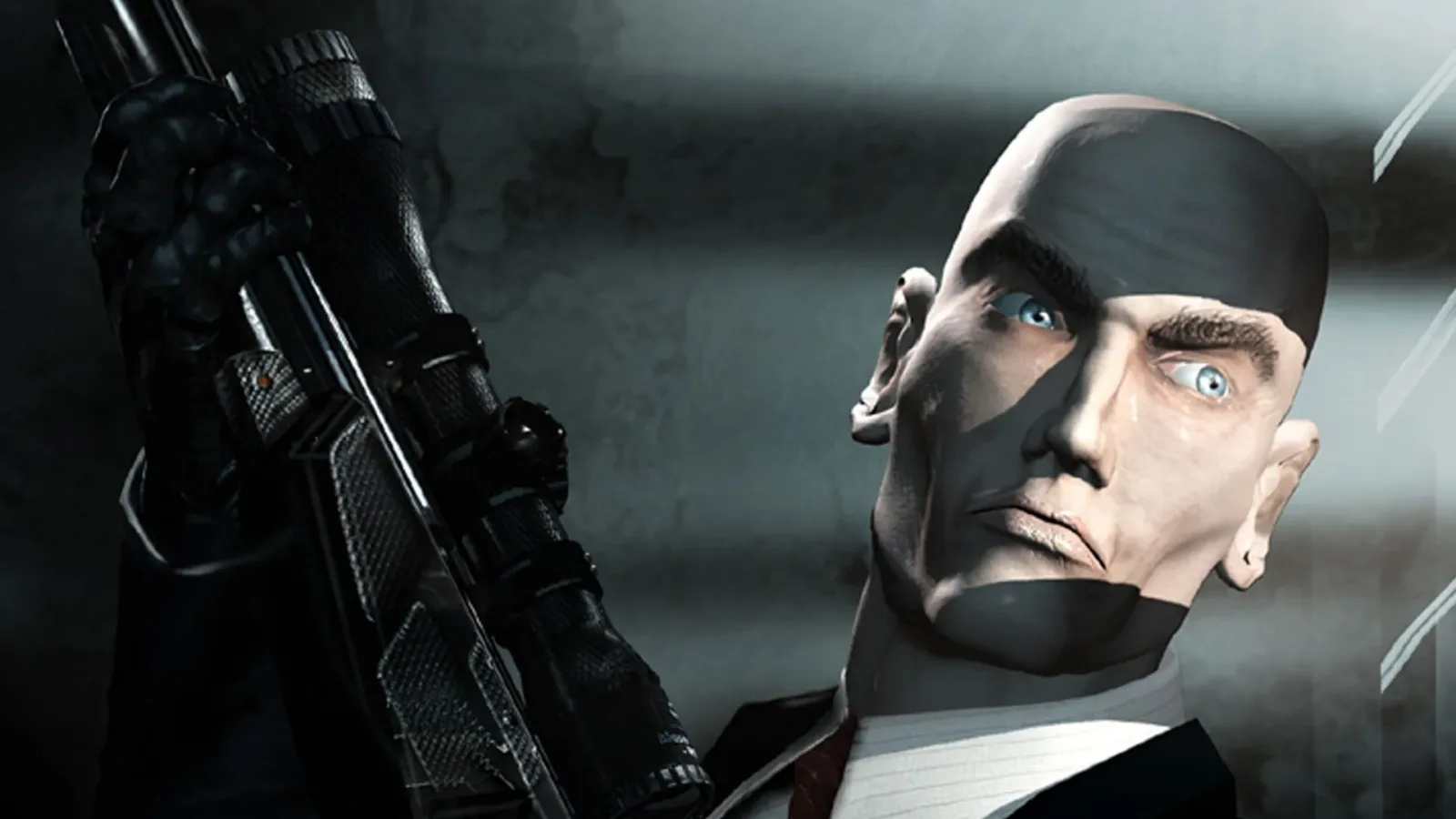
As the games business continues its long move away from discs, cartridges, and shelf-filling packages, GOG is putting renewed attention on a form of physical history that can be easy to overlook: the oversized PC game box. The DRM-free storefront has added interactive 3D scans of original retail packaging to a selection of classics through its Preservation program, allowing buyers to inspect digital recreations of the boxes from every angle.
The first group of games receiving the feature includes Myst, Descent, Hitman: Codename 47, Star Trek: 25th Anniversary, and Armikrog. Each supported game now comes with a scan of its real-world packaging, covering the front, rear, and spine. The files can be downloaded after purchase and opened using the 3D viewing tools already included with Windows and Mac, with no dedicated plug-in or additional application required.
It is a relatively simple idea, but one that speaks to a much larger preservation challenge. A game's executable, patches, and compatibility fixes are only part of what people experienced when they bought a PC release in the 1980s, 1990s, or early 2000s. The box art, promotional copy, manuals, maps, reference cards, inserts, and unusual packing materials all helped define an era when buying a game could feel like bringing home an object rather than simply adding software to a library.
A Digital Way to Handle a Physical Artifact
Big box PC releases were built to stand out. Their packaging was frequently much larger than the discs or floppy disks inside, leaving space for lavish illustrations, screenshots, technical information, lore, and branding designed to catch a shopper's eye. For many games, the exterior also preserved important details that are absent from digital storefront pages: original system requirements, publisher logos, sales pitches, edition-specific art, and the visual language of the period.
For useful background on this topic, read Elden Ring Patch 1.17.1 Closes Multiplayer Loophole That Granted Tarnished Pack Items.
The new 3D models aim to retain more of that material than a flat image of a front cover can. Instead of presenting packaging as a single scanned rectangle, the models let users rotate the item as though they were holding the box. That includes the side panel, which is often especially valuable to collectors and researchers because it can distinguish regional editions, releases from different publishers, and later reissues.
There is an obvious nostalgia factor in being able to turn a recreation of a favorite old box around on-screen. But the feature is also useful as documentation. Vintage packaging can be fragile, expensive, hard to photograph, and inaccessible to players who never encountered an original release. A downloadable 3D scan does not replace the physical object, yet it can make details available without requiring every interested player to track down a collector's copy.
Printable Files Bring Back the Craft Element
GOG's effort goes beyond the downloadable 3D models. In collaboration with Benjamin Wimmer, creator of the fan-led Big Box Collection project, the store is also making flat, printable versions of the featured box art available. Players can print those files, cut them out, fold the pieces, and glue together their own paper big boxes at home.
That turns the preservation material into something interactive rather than purely archival. A player may not own an original retail copy of Descent or Hitman: Codename 47, but they can create a display piece for a desk or game shelf. The result will not be identical to the original manufactured box, of course, yet the project recognizes that the tactile ritual of opening, assembling, and displaying physical game-related items remains meaningful.
Wimmer's Big Box Collection has already demonstrated why this material can be compelling. The fan project is dedicated to highly detailed 3D presentations of classic PC packages, giving visitors a way to view them closely in a browser. Its collaboration with GOG brings that archival interest into an official commercial game library and connects it directly to titles that customers can still buy and play.
The approach matters because packaging preservation can otherwise be scattered across auction listings, collector photographs, enthusiast forums, and incomplete databases. Those resources are valuable, but they can disappear, use inconsistent image quality, or leave out parts of a package. Incorporating scans and printable art alongside a game purchase provides a more deliberate route to preserving the wider release as an artifact.
Preservation Is More Than Keeping Software Bootable
Game preservation is often discussed in terms of functionality. Can an old game still launch? Does it work on modern operating systems? Is the original code available, and can players access it without depending on aging hardware or an online service? Those questions remain essential, particularly for PC games that may have been built around outdated versions of Windows, obsolete graphics standards, or physical copy protection.
However, making an old title run is not the same as retaining the complete cultural record around it. Older PC games regularly treated printed materials as part of the design. Manuals explained complicated controls, introduced worlds and characters, offered fiction, and sometimes included vital information. Maps, star charts, code wheels, reference sheets, and other extras could be central to the intended experience. Even when such materials were not required to play, they contributed to the sense that the game was a substantial product with a world extending beyond the screen.
Packaging can also reveal how publishers originally positioned a game. The back of a box might emphasize a new graphics feature, a celebrity license, a multiplayer mode, or a genre label that later became less common. Looking at that presentation now can help explain what made a release distinct in its own time. It is historical context that a modern product page, usually optimized for quick purchasing decisions, rarely captures.
Wimmer described the need for people willing to actively care for game history in an interview published by GOG. He compared that kind of stewardship to film preservation efforts, arguing that games likewise need committed figures and organizations to ensure works remain accessible in forms that respect their original presentation.
"What we definitely need are heroes to step forward and take good care of our games," Wimmer said.
That perspective is especially relevant as access to games becomes increasingly tied to digital ecosystems. Digital distribution can make older titles easier to discover and can remove the physical scarcity that once kept many classics out of reach. Yet it can also make releases feel detached from the objects and documents that originally accompanied them. Store closures, licensing complications, delistings, account requirements, and changing hardware policies all show why availability cannot be taken for granted.
A Timely Response to an Industry-Wide Shift
The new initiative arrives amid broader uncertainty around physical game releases. Sony is expected to end physical PlayStation games in 2028, a move that would further reduce the role of conventional boxed software at a major console manufacturer. Other hardware companies could eventually make similar decisions, while PC gaming has already spent decades operating in a predominantly digital marketplace.
Physical editions are not disappearing from every corner of the industry. Collector's packages, limited print runs, retro reissues, and premium editions remain popular with particular audiences. Even so, they are increasingly exceptions rather than the standard way players obtain a new game. That makes efforts to preserve older boxes more notable: they document a style of release that is becoming less familiar to new players.
The conversation also extends to modern games. CD Projekt Red has indicated that The Witcher 4 probably will not arrive on PlayStation 5 with a traditional physical disc, although the company has said fans will still have something to open and enjoy. That distinction reflects where the market may be heading: tangible merchandise and special-edition objects may persist even as the game itself becomes a digital download.
For GOG, the big box scans fit naturally with a catalog built around older PC releases and a store identity centered on DRM-free ownership. The company's Preservation program has focused on helping classic games remain playable, and this packaging feature broadens that mission. It suggests that keeping a title available should include consideration for the artwork, text, and design surrounding the software, not just the software itself.
Five Games, With Room for a Larger Archive
The initial lineup covers a useful range of PC history. Myst represents one of the defining puzzle adventures of the CD-ROM era; Descent is a landmark of six-degrees-of-freedom action; and Hitman: Codename 47 marks the beginning of IO Interactive's long-running assassination series. Star Trek: 25th Anniversary reflects the era of elaborate licensed adventure games, while Armikrog carries forward the handcrafted visual sensibilities associated with earlier point-and-click projects.
They are not identical kinds of releases, which makes the selection a useful showcase for the variety found in PC packaging. Whether GOG expands the feature to more titles remains to be seen, but the launch establishes a framework that could be particularly valuable for games whose original boxes contained dense artwork, extensive instructions, or distinctive supplemental materials.
For players, the new downloads offer a small but unusual bonus attached to classic purchases. For collectors, they provide accessible reference material. For preservation-minded fans, they are a reminder that an old game's history does not begin at its title screen and end at its credits. Sometimes it is also found in the oversized cardboard box that once sat on a store shelf, promising an entire new world inside.
Community
Discussion
Start the conversation.
No comments have been posted yet.