

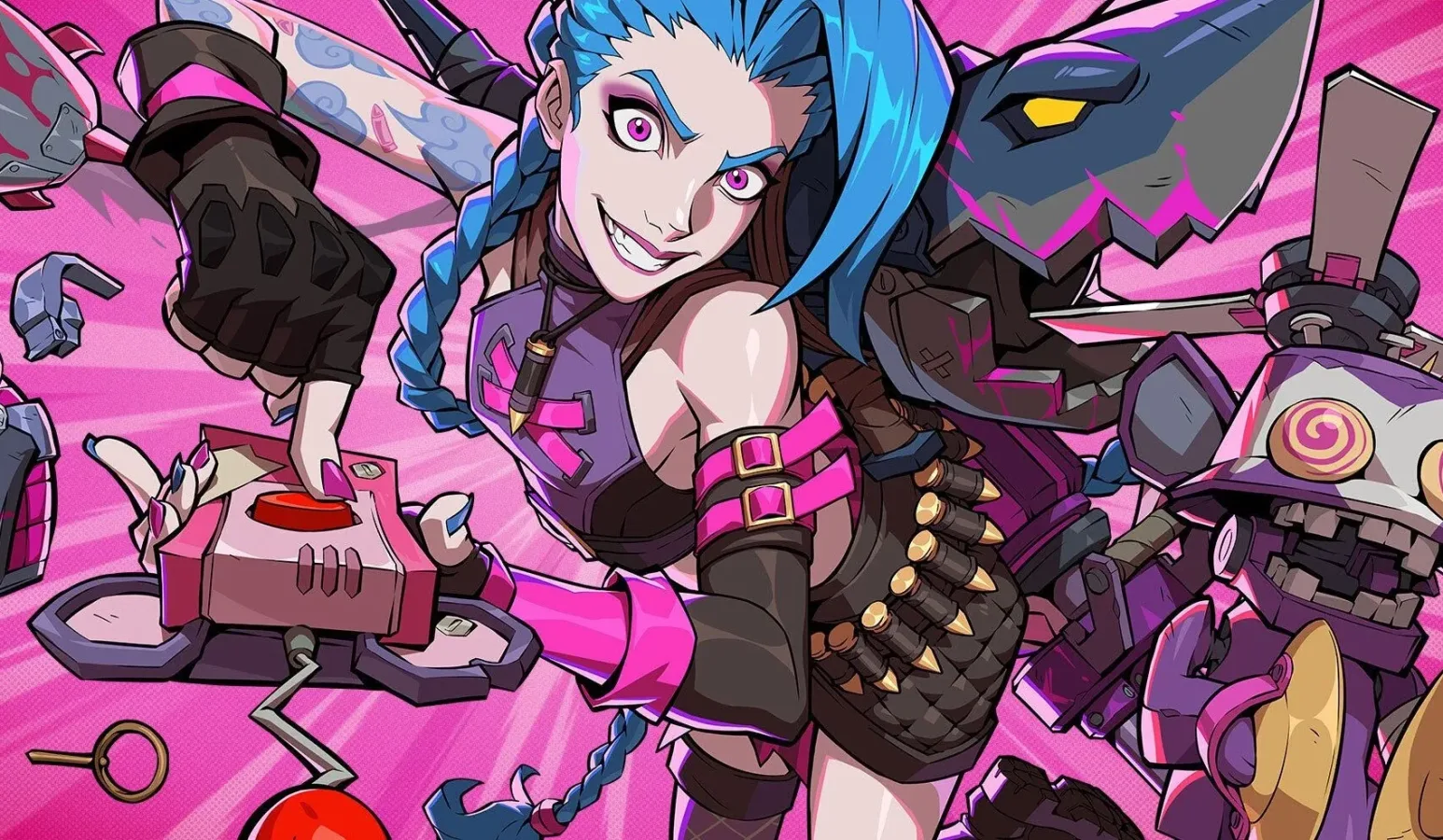
Grand Theft Auto 6 has become the defining topic of the current gaming news cycle. Just three days into the game's launch-period coverage, discussion surrounding Rockstar's open-world blockbuster has grown large enough that readers looking for anything else may have a difficult time finding it in a conventional chronological feed.
That situation has prompted a useful response: an ongoing effort to gather stories that have nothing to do with GTA 6 in one place. It is a small but revealing reminder of what happens when an entertainment release becomes so large that it does not simply lead the news agenda--it reshapes it.
The attention is understandable. GTA 6 is widely regarded as one of the biggest game launches in years, and interest has extended far beyond players deciding whether to jump in immediately. Readers are looking for reviews, early impressions, gameplay details, explanations, reactions, technical information, and the countless conversations that emerge when a major cultural event arrives. For people who want to avoid spoilers or begin the game with as little advance knowledge as possible, that same flood of information can make a general gaming news page feel unexpectedly difficult to browse.
The result is not that other news has stopped happening. Rather, it has become harder to see. A non-GTA roundup published during the launch rush highlights that point directly, collecting coverage from across the industry involving companies and teams including Riot Games, Pearl Abyss, Digital Eclipse, Games Done Quick, Blizzard, PolyCube, Nintendo, Nvidia, Microsoft, Ubisoft, Infold Games, Embark Studios, Freshly Baked Games, and Netflix.
For useful background on this topic, read GTA 6 Downloads Reportedly Break Global Internet Traffic Record Twice in a Week.
Even without reducing those items to a single trend, the breadth of the names involved tells its own story. The games business does not pause for one launch, regardless of how enormous that launch may be. Developers continue to make announcements, publishers continue to support existing games, events continue to organize communities, and platform holders continue to make decisions that affect players and the wider market.
A useful answer to blockbuster saturation
A chronological news feed is normally one of the easiest ways for readers to keep up with a busy hobby. It offers a quick view of what happened recently, with little need to sort through sections or hunt for a specific franchise. But its simplicity becomes a weakness during an unusually concentrated news event. If several consecutive posts concern the same game, a reader who is not interested in that game--or who is actively trying to avoid details--can miss unrelated reporting simply because it is surrounded by coverage they do not want to open.
A curated non-GTA list does not diminish the importance of GTA 6. It acknowledges the opposite: the game has become such a large subject that normal navigation needs some help. Separating unrelated stories creates an alternative route through the news cycle. It gives readers an easier way to follow the rest of the industry while allowing the flagship release to receive the scale of coverage its audience expects.
That approach is especially relevant for spoiler-conscious players. The earliest days after a major game arrives can bring a mix of carefully labeled reviews, broad news updates, social reactions, tips, guides, screenshots, clips, and discussions whose headlines may reveal more than some fans want to know. A dedicated selection of unrelated stories lets those readers remain connected to gaming news without forcing them to navigate a wall of GTA 6-related headlines.
The rest of the industry is still moving
The range of organizations represented in the non-GTA collection underscores how many distinct parts of games culture are active at once. Riot Games and Blizzard represent the ongoing world of major live-service games, where updates and community activity can matter as much as a traditional launch. Ubisoft, Pearl Abyss, Infold Games, and Embark Studios point toward the continued work of large publishers and developers operating across different genres and business models.
Meanwhile, Digital Eclipse and Games Done Quick evoke other important sides of the medium: preservation, historical appreciation, charity-driven events, speedrunning, and the long afterlife of games beyond their original release windows. These stories may appeal to audiences who are less interested in the newest blockbuster and more interested in how games are remembered, studied, restored, and played in creative ways years later.
Nintendo, Microsoft, Nvidia, and Netflix represent another broad set of forces shaping the space. Hardware, software ecosystems, graphics technology, subscriptions, screen adaptations, and distribution strategies all influence what games people play and how they access them. News tied to those companies can have consequences far beyond a single title, even when it receives less immediate attention than a record-setting launch.
Smaller or less universally recognized names matter as well. PolyCube and Freshly Baked Games are reminders that major news cycles can obscure the independent and emerging parts of the industry. For many players, these are precisely the stories worth seeking out during a blockbuster moment. Not everyone wants to spend the week discussing the same open-world crime game. Some are looking for a new project to add to a wishlist, an unusual creative idea, an update from a favorite niche developer, or a community event that offers a different kind of excitement.
Why enormous launches change editorial priorities
Big releases have always created bursts of coverage, but the scale of modern online conversation makes those bursts more visible and more persistent. A game such as GTA 6 does not generate just one obvious story. It produces a chain of connected subjects: launch reactions, analysis, player questions, technical conversations, mission and activity guides, cultural commentary, and follow-up reporting. Each may be useful to a different audience, but together they can dominate publishing schedules.
There is also a practical reason for broad coverage. A huge number of players are searching for answers at the same time. Some need help with an early objective. Others want to know whether a particular feature is present. Some are trying to make informed decisions before buying, while others simply want to take part in the shared conversation surrounding a landmark release. Serving that interest is a normal part of games journalism and guides coverage.
Still, a publication's readers are rarely a single audience. One group may want every GTA 6 update as quickly as possible. Another may care only about selected news, and a third may be playing GTA 6 but want to avoid all coverage until they have progressed further. A fourth group may have no interest in it at all. The non-GTA roundup recognizes those overlapping needs without treating any of them as less valid.
It also offers a model that could be useful beyond this particular launch. Whenever a highly anticipated game, hardware reveal, showcase, or industry controversy takes over the conversation, curated paths can make a site more welcoming. Readers should not have to choose between keeping up with the broader games world and avoiding one dominant topic.
Discovery remains an important part of games coverage
The value of a roundup is not limited to convenience. It is also a form of discovery. A reader arriving because of GTA 6 may notice a studio, event, developer, or game they otherwise would not have encountered. Conversely, someone deliberately avoiding GTA 6 can find a concentrated set of alternatives without feeling pushed out of the day's gaming discussion.
That is particularly important in an industry where visibility is uneven. A blockbuster can absorb attention at a scale that few other games can match, while many projects rely on moments of editorial attention, word of mouth, community enthusiasm, or platform promotion to reach their potential audience. A list that puts unrelated stories side by side does not solve the larger challenge of discoverability, but it can counter the immediate effects of a crowded news cycle.
There is a broader cultural benefit, too. Games are not defined solely by the largest release of the moment. They include competitive communities, independent creators, legacy projects, technical advances, charitable events, ongoing online worlds, and entertainment companies experimenting with new formats. Seeing those subjects together reinforces the fact that the medium remains much bigger than any individual launch.
Expect the conversation to broaden again
GTA 6 will likely remain a major subject for some time, especially while players are still forming first impressions and discovering its systems. That does not mean every day will remain equally concentrated. The initial launch window is often the moment when coverage is at its most intense, with both audience interest and the volume of newly available information at their peak.
As that intensity settles, unrelated stories should become easier to spot in standard news feeds again. Until then, focused collections of non-GTA reporting offer a sensible way to keep the wider industry visible. They provide a place for readers who want a break from the launch, for those guarding against spoilers, and for anyone who simply wants to know what else is happening in games.
The key takeaway is straightforward: GTA 6 may be the biggest story of the week, but it is not the only story. From live-service developers and technology companies to preservation specialists, charity events, publishers, and smaller studios, the rest of gaming continues to move forward--even when one release temporarily fills nearly every headline.
Community
Discussion
Start the conversation.
No comments have been posted yet.