

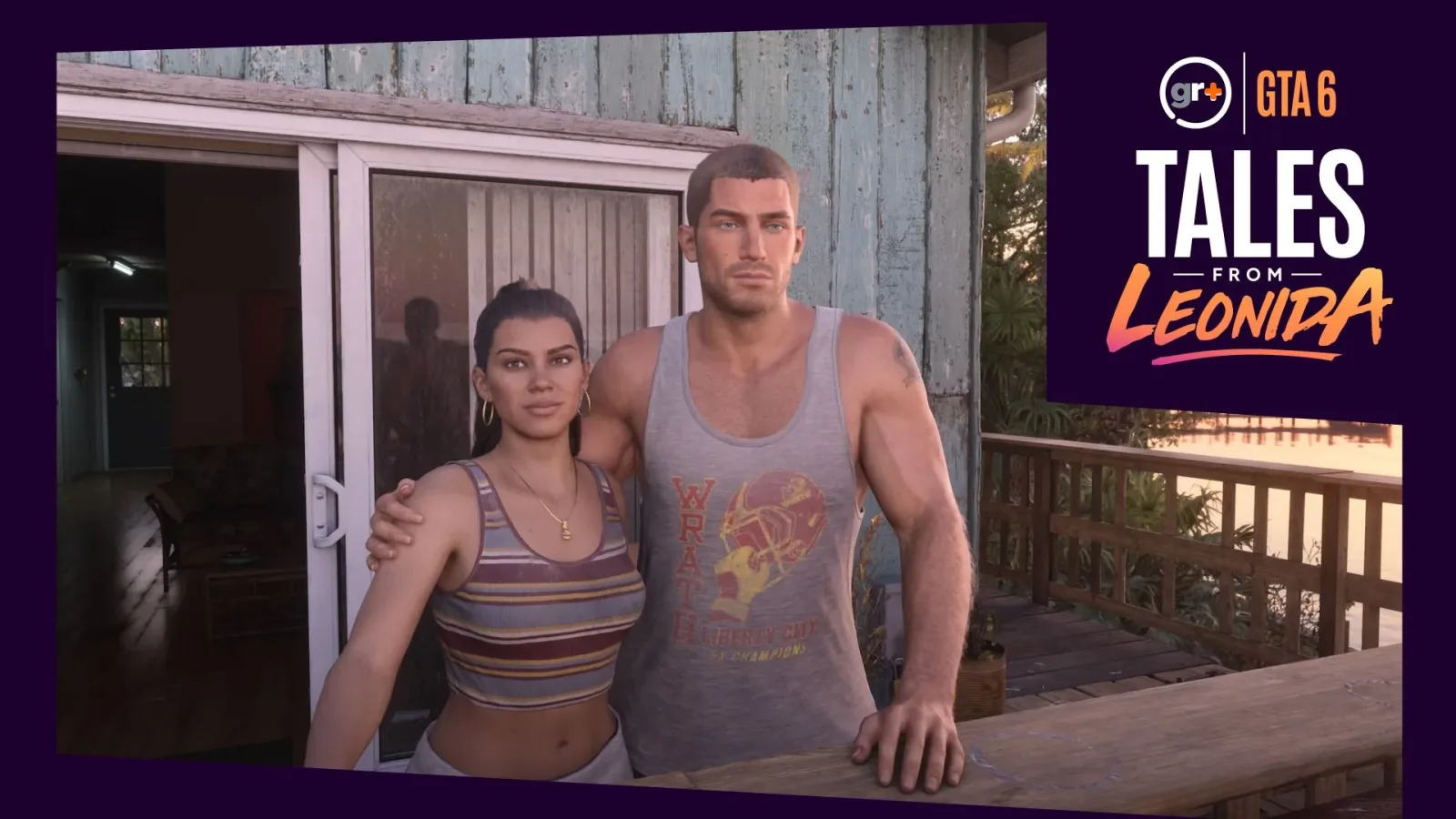
Grand Theft Auto 6 may be built around crime, chaos, fast cars, and the sprawling state of Leonida, but some of its most effective comedy appears to come from a much smaller problem: buying a bad gift.
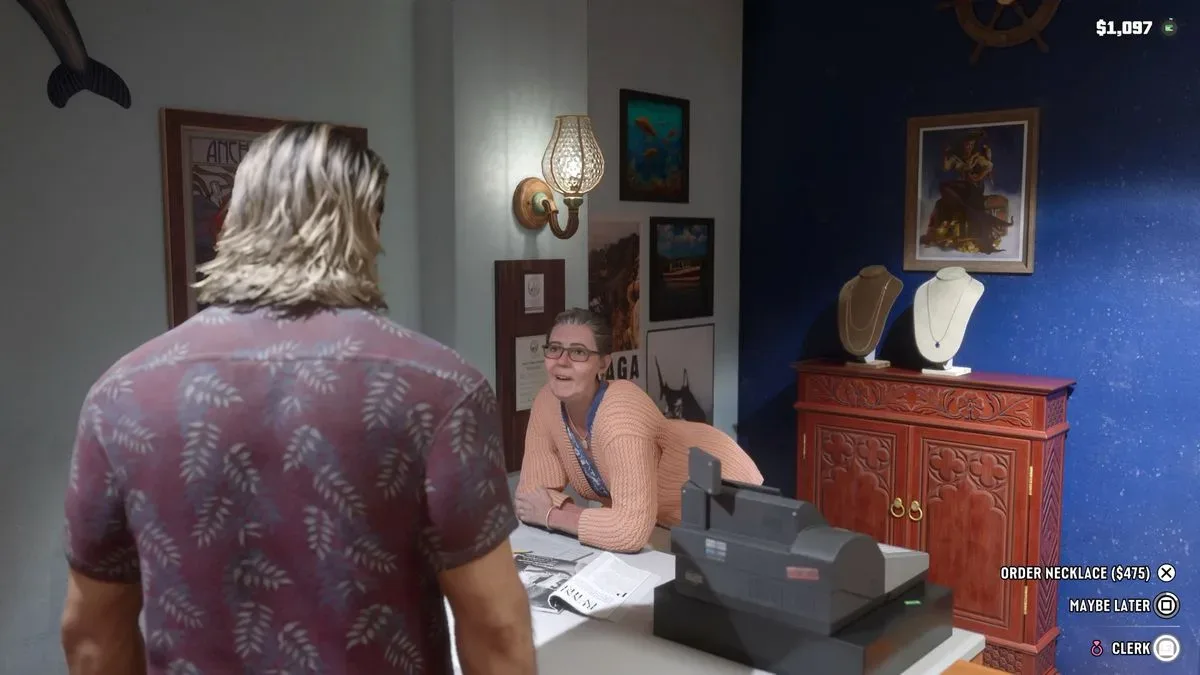
One early relationship-focused sequence sees protagonist Jason preparing for Lucia's release by making changes around his home, collecting requested items, stocking up on groceries, and purchasing flowers. The gesture eventually leads him to Siren's Cove, where he buys a necklace for $475. The catch is that the item is presented as a gold-plated alloy chain with a brass pendant: a piece of jewelry that sounds less like a treasured keepsake and more like a spectacularly overpriced mistake.
That awkward purchase is funny on its face. It is also a telling example of the kind of grounded character humor GTA 6 uses to make its larger-than-life world feel lived in. Jason is not merely a highly capable criminal or a physically imposing former military man. He is also portrayed as someone capable of confidently spending a considerable amount of money on an obviously flimsy necklace because he thinks it is the right thing to do.
It is an unusually domestic form of satire for a series known for escalating action, and it may say as much about the game's protagonists as any heist setup or police chase.
For useful background on this topic, read Currys Expands Black Friday DualSense Deals With Icon Blue and Wolverine Editions.
Jason's home tells its own story
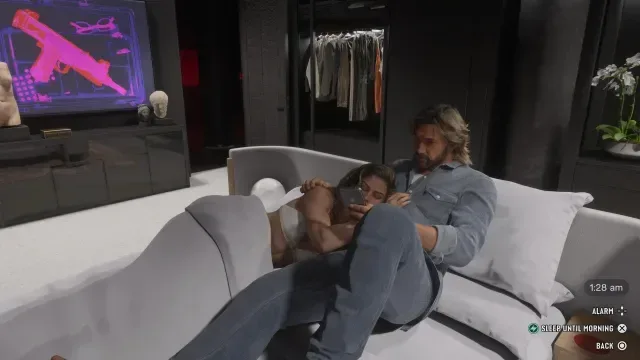
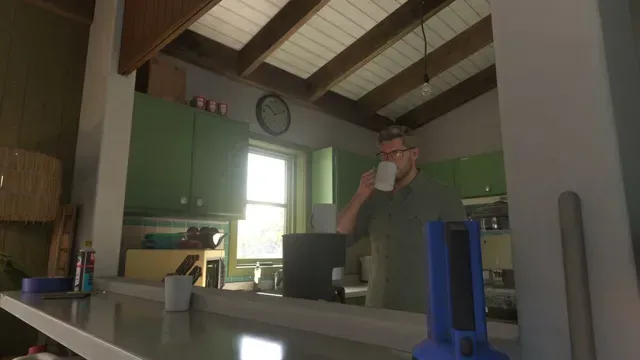
Jason's beachside stilt house in Key Lento is a major part of the joke. The space is not described as luxurious, carefully designed, or especially comfortable. Its living room furnishings are sparse: a sofa, a coffee table, and one rickety armchair. His food situation reinforces the impression of a man getting by with the minimum possible effort, with protein shakes, protein bars, old coffee, and gas-station snacks among the supplies.
None of those details are especially dramatic, but that is exactly why they work. A huge open-world game can establish personality through elaborate cinematics, major plot choices, and dramatic confrontations. It can also establish personality through a refrigerator that suggests its owner has not learned the value of a proper grocery run.
Jason's home life leans into familiar jokes about a single man who has optimized his routine around convenience rather than comfort. The game's comedy does not depend on presenting him as cruel or incompetent. Instead, he seems sincere, practical in his own way, and blissfully unaware of what he is missing. That makes the contrast with Lucia's arrival particularly useful.
When Jason's friend Cal comes over for video-game time, the pair reportedly begin by rearranging the living room with Lucia in mind. It is a small action, but it establishes that Jason is not entirely resistant to change. He can make space for someone else; he just may require a little prompting, and he may not have a clue how to execute every thoughtful gesture successfully.
A relationship system built around small acknowledgements
GTA 6 appears to make Jason and Lucia's relationship an active part of moment-to-moment play rather than leaving it exclusively to story scenes. Interactions that can earn Lucia's acknowledgement are marked with a small pink heart, encouraging players to notice opportunities that might improve Jason's standing with her.
That framework gives mundane decisions more significance. Home improvements matter. Fitness activities matter. Taking care of errands and preparing the house matter. Even choices involving Jason's behavior around neighbors can be interpreted as part of maintaining the relationship.
The approach is notable because it turns ordinary maintenance into character role-play. Players are not simply upgrading a safehouse for a numerical bonus or checking a shopping-list objective off a map. They are being invited to consider whether Jason is becoming more attentive, more considerate, or at least slightly less committed to the bachelor lifestyle suggested by his pantry.
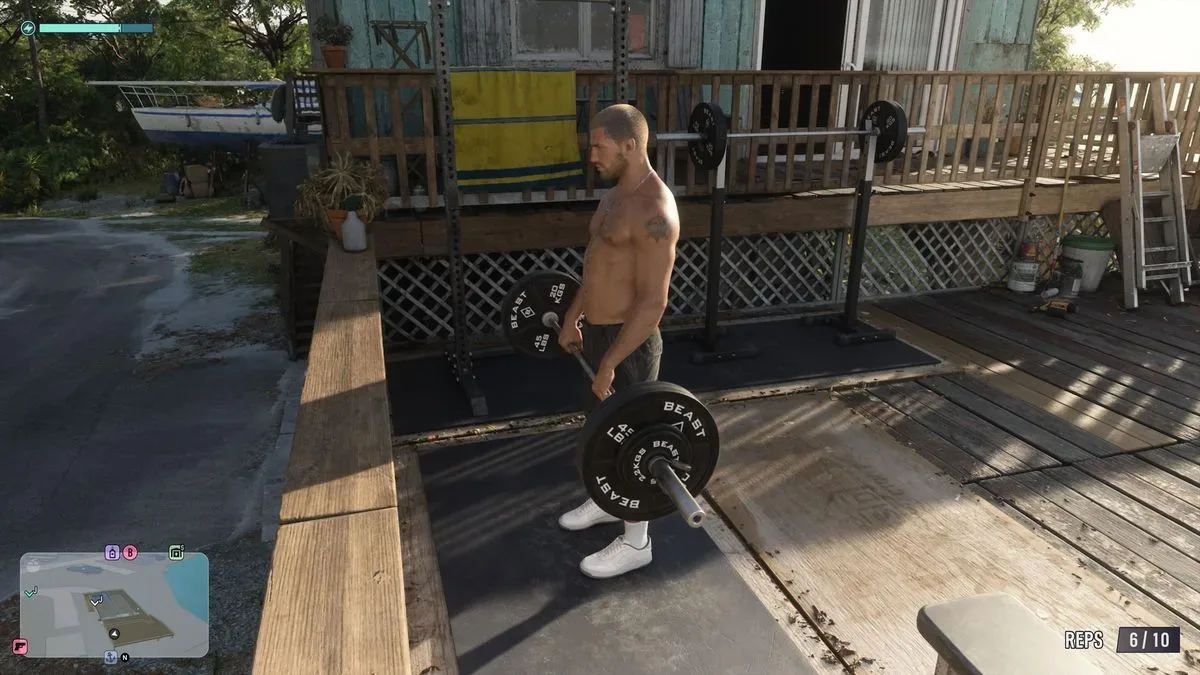
Fitness is one of the clearest examples. Jason begins the game already in impressive shape, with a low body-fat percentage and a muscular build. Nevertheless, players can push him further through kettlebells, bench presses, squats, pull-ups, and cardio. Within the relationship context, these workouts become less about brute efficiency and more about presentation. Jason can make an effort because he wants to look good for Lucia, even if he already resembles someone who spends plenty of time at the beach gym.
There is comedy in taking that effort to extremes. A player can delay major work, return home in the early hours, drink a protein shake, smoke a cigarette, and head to bed hoping the routine will lock in the day's gains. GTA has always found humor in contradictions, and the image of disciplined self-improvement paired with obviously unhealthy habits fits that tradition perfectly.
The $475 mistake is the point
The necklace purchase works because it combines sincerity, ignorance, and a painfully recognizable retail experience. Jason arrives at Siren's Cove intending to buy Lucia something special. He is not trying to be cheap. He is not deliberately choosing a joke gift. He is attempting to show affection.
Unfortunately, his apparent only option is a gold-plated alloy chain with a brass pendant, marketed with a level of solemnity that far exceeds its likely quality. The description alone implies an object made to look premium rather than be premium. An "eight karat" coating and a base-metal construction make it difficult to imagine as a wise purchase, particularly at $475.
The scene reportedly gives Jason no alternative inventory to inspect, no chance to compare styles, and no clear escape from the clerk's confident sales pitch. He listens, nods, and hands over the cash. The player may recognize the problem immediately, but Jason does not.
That gap between player knowledge and character knowledge is central to the humor. Many games make the player feel cleverer than the non-player characters through tactical choices, hidden information, or dialogue options. Here, the player is cleverer because they know a bad necklace when they see one. It is a surprisingly effective reversal for a protagonist who otherwise looks exceptionally capable.
There is also an element of anxiety underneath the joke. The money hurts, but the greater concern is whether Lucia will actually like the gift. A well-intended present can go wrong even when it costs a lot, and the scene understands that expense is not the same thing as thoughtfulness. Jason has made an effort, yet his effort has been filtered through limited expertise and a salesperson's exaggerated framing.
Why the joke makes Jason more likable
Jason's bad purchase could have made him seem foolish in a flat, dismissive way. Instead, it appears designed to make him endearing. The comedy is not that he does not care; it is that he cares enough to try and is unequipped to judge the result.
That distinction matters for a dual-protagonist game. GTA 6 needs Jason and Lucia to sustain a long story together, and relationship mechanics can feel hollow if one character is only a collection of stat checks. Details such as the necklace give Jason an emotional texture that is harder to get from combat proficiency or criminal expertise alone. He may be physically formidable and experienced in dangerous work, but he can still be outmatched by a jewelry counter.
The moment also gives players room to define their own version of Jason. Some may pursue every heart-marked interaction, upgrade his routines, handle every domestic preparation, and try to make him the best possible partner for Lucia. Others may see the game's relationship activities as a comic counterpoint to the criminal sandbox. Either way, the systems create stories from behavior rather than just cutscenes.
That is where GTA 6's apparent attention to detail could pay off most. The biggest spectacle will inevitably come from Leonida's scale, its vehicles, its crimes, and the unpredictable consequences of player freedom. But a stilt house with inadequate furniture, a pantry of workout products, a late-night text about a postponed job, and an absurdly expensive piece of plated metal can do something different. They make the world feel like it has room for embarrassing, everyday failures.
Domestic satire fits GTA's larger world
The Grand Theft Auto series has long targeted consumer culture, aspirational lifestyles, advertising language, and people who confuse price with value. The necklace scene channels all of those themes into a single transaction. The salesperson's grand presentation clashes with the necklace's suspect materials. Jason's desire to be generous clashes with his lack of experience. The high price clashes with the item's apparent quality.
It is satire on a small scale, but it is still satire. The gag is not simply that a man bought jewelry. It is that a shiny, heavily marketed product can exploit a buyer who wants to do the right thing but does not know enough to challenge the pitch.
For Lucia, the eventual reaction to the necklace has the potential to be more revealing than the purchase itself. Whether she loves the gesture, dislikes the design, recognizes the poor value, or simply appreciates the intent, her response can further shape the relationship's tone. The uncertainty is part of what makes the decision memorable: Jason has committed to a choice that cannot be solved by driving faster or firing a weapon.
In a game full of bigger risks, that is a refreshingly human problem. Jason's $475 necklace may be an awful deal, but it is also a concise expression of what GTA 6 seems to be aiming for with its two leads: a world where grand criminal ambition and small personal awkwardness can exist side by side.
Sometimes the most memorable open-world story is not the time a character escaped a six-star pursuit. Sometimes it is the time he confidently bought a piece of brass-plated disappointment and hoped, with all sincerity, that the person he cared about would see the love behind it.
Community
Discussion
Start the conversation.
No comments have been posted yet.