

Marvel's Wolverine has an immediate advantage that few action games can match: Logan is a character whose fighting style, healing ability, anger, and grim determination should translate naturally into a spectacular interactive power fantasy. Insomniac Games has already demonstrated a flair for adapting Marvel heroes to modern PlayStation blockbusters, so expectations for its take on Wolverine are understandably enormous.
There is a good game here. Its claws land with gruesome force, its protagonist feels appropriately hard-edged, and one especially effective middle chapter shows what a more confident, exploratory Wolverine adventure might have looked like. Yet this PS5 exclusive struggles to hold those strengths together. A largely linear structure, combat systems that seem to improve only after key upgrades arrive, and a narrative that feels fragmented leave the overall experience more competent than essential.
Released on September 15, 2026 for PS5, Marvel's Wolverine is developed by Insomniac Games and published by Sony Interactive Entertainment. The game was reviewed on a standard PS5 in Performance Mode using code supplied by the publisher. It is a bloody, polished, occasionally exciting superhero action game, but it rarely reaches the level of momentum or identity that its hero deserves.
Tokyo Shows What Marvel's Wolverine Could Have Been
The clearest high point arrives in the middle portion of the campaign, when Logan travels through a compact, semi-open district of Tokyo. This setting offers a welcome contrast to much of the game's more restrictive design. Neon signs, narrow side streets, storefronts, posters, and ambient crowds give the district a sense of place that the surrounding missions often lack.
For useful background on this topic, read Decapolice Delayed Again, Level-5's Detective RPG Now Set for 2027.
More importantly, Tokyo gives players a meaningful rhythm beyond moving between fights. Logan follows leads, investigates clues, tracks scents, and revisits locations as the chapter develops. There is a defined objective driving the time spent there, but enough environmental detail to make exploration worthwhile. It is the sort of setting that encourages players to pause at a shop window, listen to a nearby conversation, or simply absorb the atmosphere before pressing on.
That chapter also benefits from variety. Investigation, traversal, observation, and combat all have room to breathe, rather than feeling like brief interruptions between one arena encounter and the next. The result is a stronger sense of progression: Logan is not merely advancing down a hallway, but working through a location with its own visual character and escalating purpose.
Unfortunately, Tokyo stands apart rather than defining the full game. Most of the adventure on either side of it takes place in relatively boxy, linear spaces. These areas contain the occasional collectible tucked into a corner or a minor route split, but they offer little reason to linger. The chapter-based format recalls a more straightforward cinematic action game, though without consistently matching the level design finesse that structure can demand.
Later missions introduce a little more scope and variation, but many environments still feel primarily built to contain combat encounters. That is not inherently a problem for a Wolverine game, but it becomes noticeable when the battles themselves are not varied enough to sustain so much of the experience.
Violent Combat With a Slow-Burning Problem
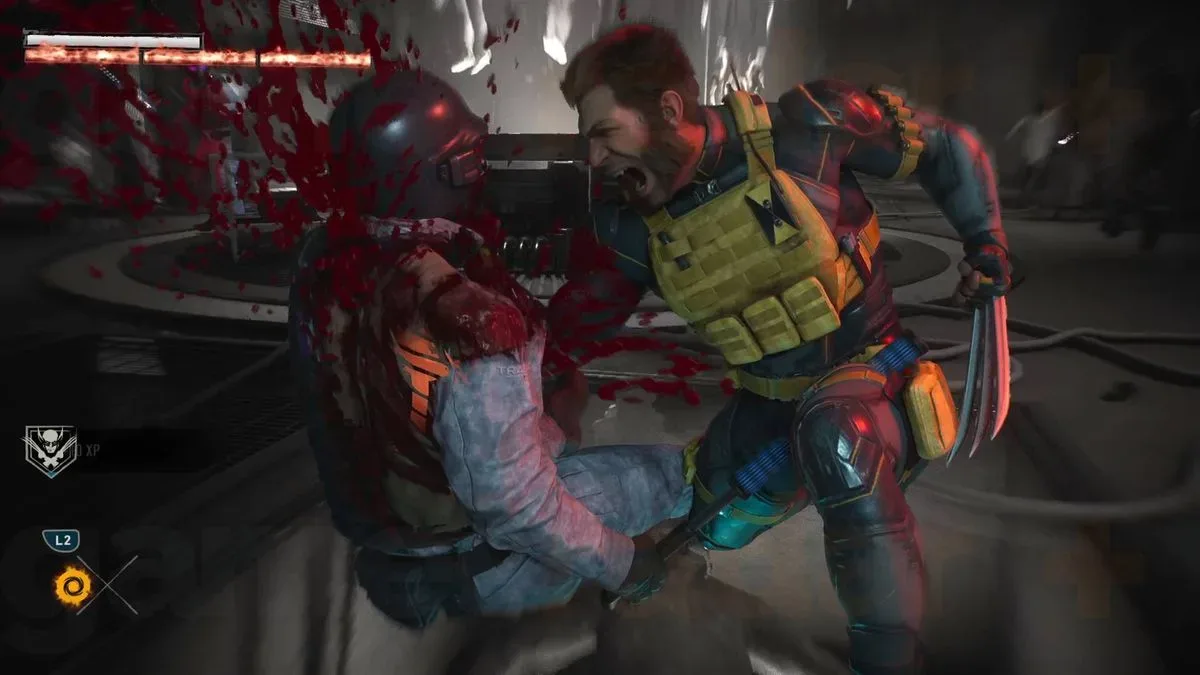
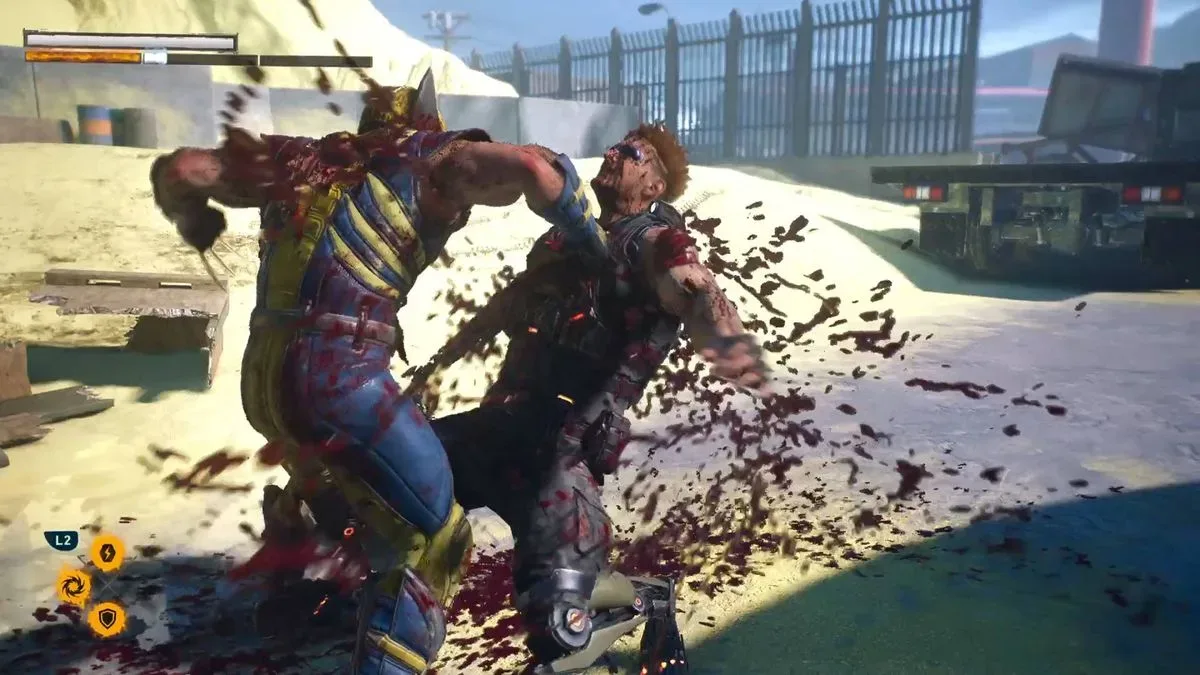
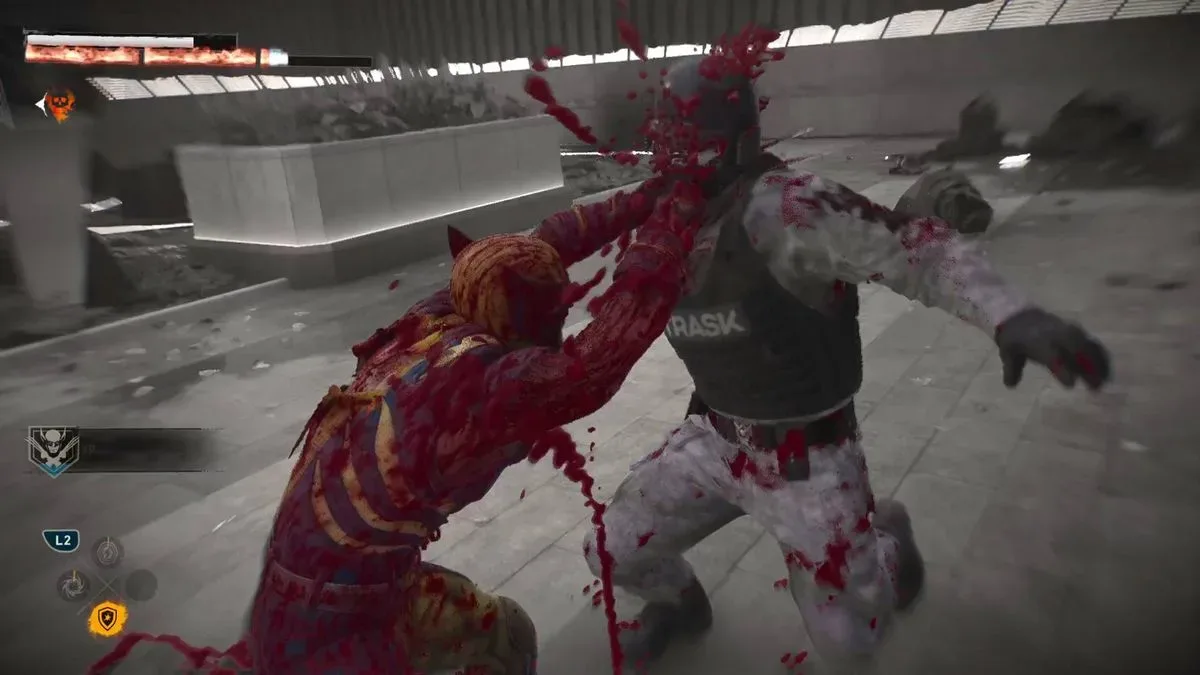
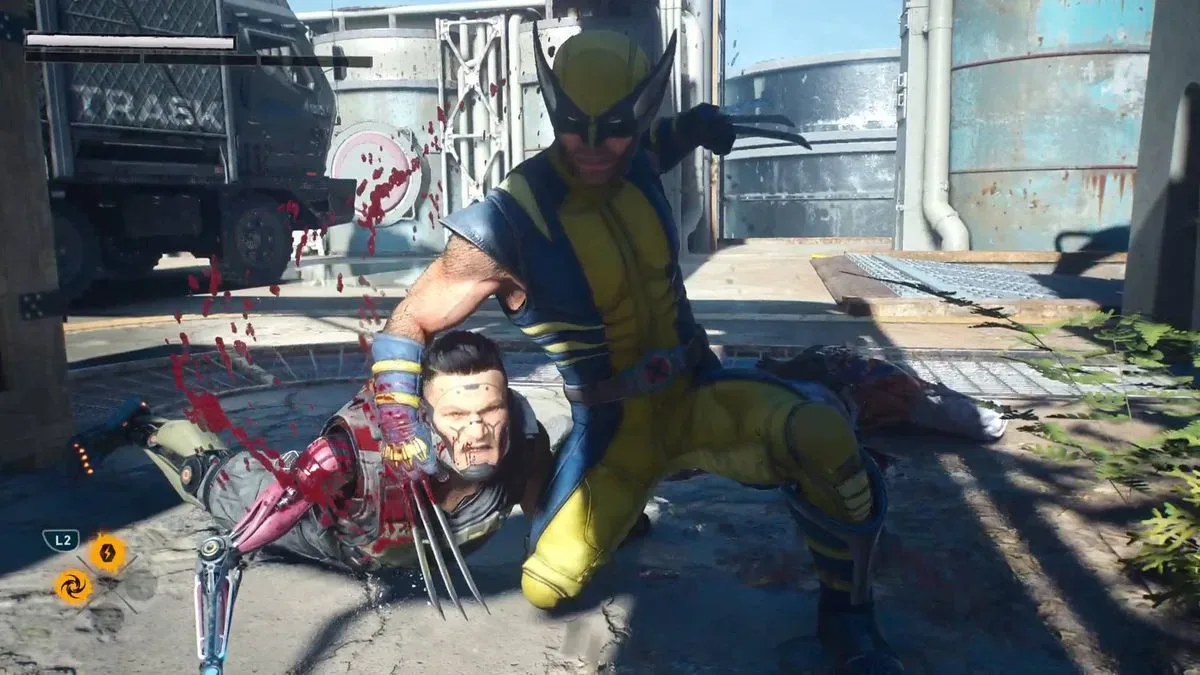
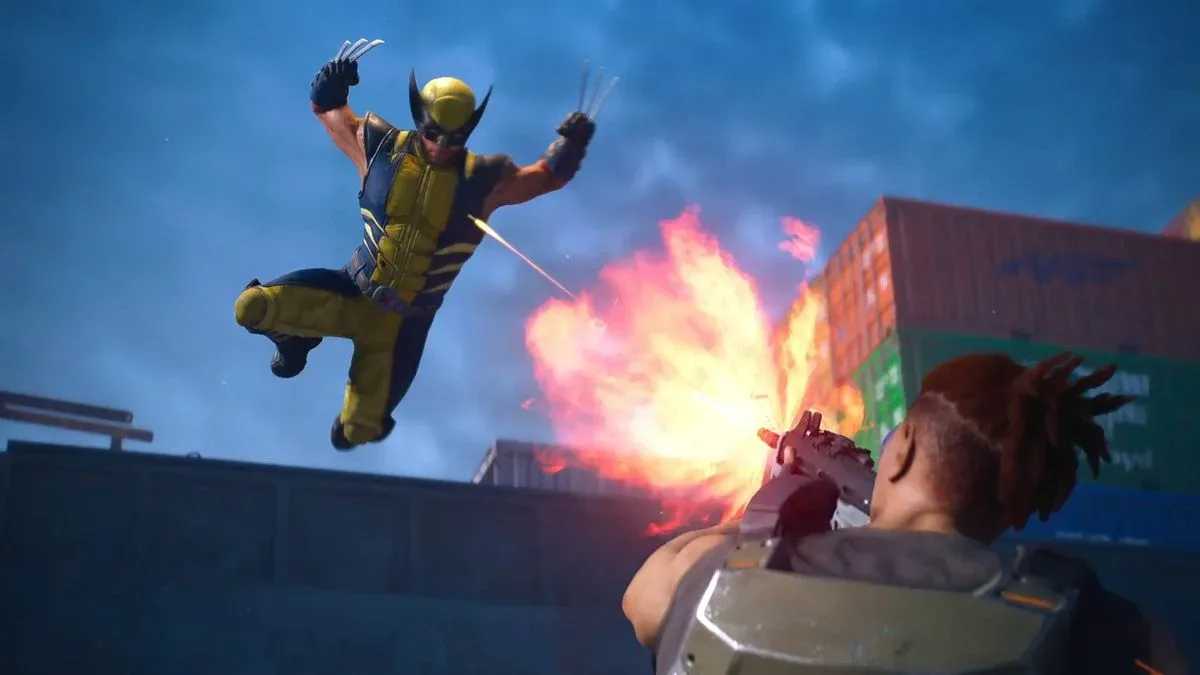
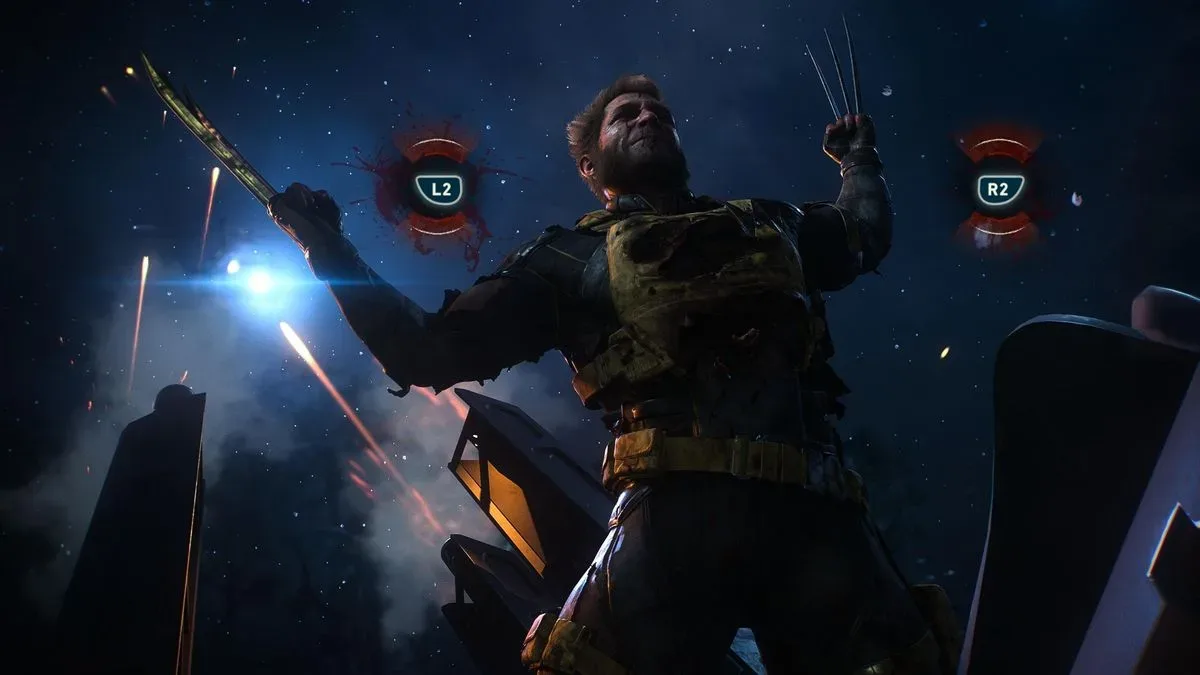
At its base, Wolverine's combat is suitably vicious. Logan can leap across a battlefield, slash through groups, and use special attacks to focus on either crowds or a single unfortunate target. The animation and impact of claws finding their mark sell the physical brutality of the character. Enemies are cut, crushed, and skewered with a level of gore that fits Wolverine far better than a sanitized superhero brawler would.
There is also a solid core of options. The game gives Logan tools for closing distance, dealing with groups, and capitalizing on openings. In the best moments, players can flow between targets, counter incoming pressure, and turn a packed arena into a blur of claws and bodies. Those sequences capture the wild, relentless energy that should be central to controlling Wolverine.
However, the system is held back by the way its most satisfying ideas are distributed through progression. The Rage mechanic has three levels. Its first tier can enable a regenerative revival after Logan is downed, the second improves damage on combo finishers, and the final tier boosts damage and allows instant-kill critical strikes against vulnerable enemies. On paper, that sounds like a smart way to represent Wolverine becoming more dangerous as his anger rises.
In practice, Rage can feel both overly busy and oddly underwhelming. The revival is useful, but the higher-tier benefits are less consistent. Critical strikes depend on specific enemy states, including low health, stagger, or intimidation, and their usefulness is further shaped by Adaptation perks that must be unlocked and equipped. This makes a number of the system's more appealing elements feel withheld for much of the campaign.
The broader skill progression has a similar issue. The Techniques tree steadily hands out abilities thanks to plentiful experience points, while the primary build choice is often limited to selecting four equipped special abilities from a pool of six. Instead of making Logan feel distinct through dramatically different builds, the system often feels like a delayed route toward the combat kit players wanted in the first place.
One late-game unlock illustrates the problem especially well: the ability to parry multiple simultaneous attacks. Before it becomes available, Logan can successfully counter one opponent only to be struck by another attacker a moment later. In crowded fights, that limitation can make defense feel frustrating rather than demanding. Once multi-parry is unlocked, though, battles become substantially more fluid. Logan can redirect attacks across a group and weave through enemies with a much more exhilarating rhythm.
That transformation is satisfying, but it also raises a difficult question. If the system becomes dramatically more enjoyable with such a fundamental crowd-control answer, why is that answer locked away until late in the game? The feeling is less that Logan has evolved into something extraordinary and more that the game has finally allowed its combat to work as freely as it should have from the beginning.
Stealth and Side Ideas Feel Underdeveloped
Stealth appears intermittently, but it does not add much flexibility. Logan can automatically conceal himself in designated patches of cover, creating a familiar "magic grass" approach to sneaking. He cannot freely cling to walls, hide at will, peek around corners, or lure enemies into traps. Instead, stealth largely asks players to study the preset layout and identify a sequence of takedowns that avoids raising an alarm.
This can work in small doses, but it feels restrictive for a character who could have supported a more predatory approach. Wolverine's senses and physicality seem ideal for a system based on stalking, separating, and ambushing enemies. Here, stealth is more of an occasional puzzle with limited player expression.
That lack of follow-through extends to other mechanics and activities. Several ideas are introduced and then seemingly fade away. Audio diaries, for instance, do not maintain a strong enough presence to become an important part of exploration or storytelling. The game repeatedly suggests additional dimensions to its structure, only to return to corridors, combat arenas, and cutscenes before those ideas can grow.
A Story Searching for a Center
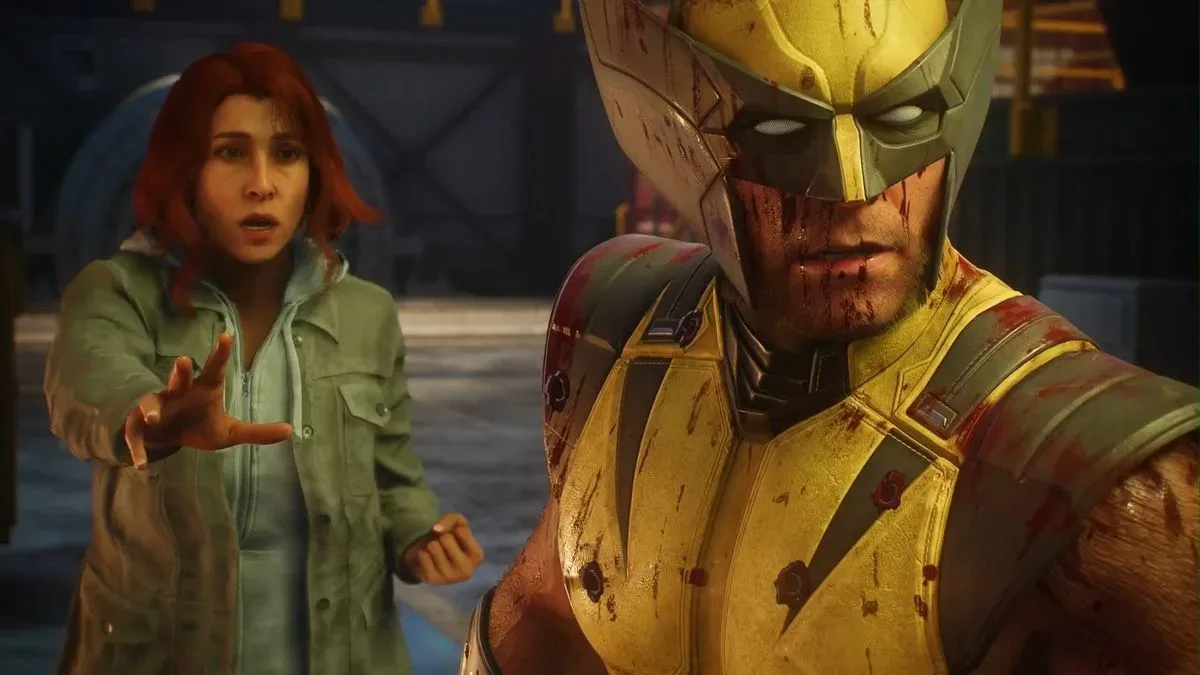
The narrative also has trouble establishing a steady throughline. Familiar characters such as Jean Grey and Sabretooth appear, but the X-Men themselves are absent by design. This version of the world does not include Charles Xavier's team, although the story still touches on recognizable mutant themes, particularly fear, exploitation, and the treatment of people seen as different.
That premise could have created an intriguing space for Logan outside the usual team dynamic. Instead, the plot reportedly feels like several loosely connected sections fastened together by a MacGuffin whose role shifts as events unfold. Antagonists come and go, one enemy faction returns under a new leader later on, and a relatively minor figure abruptly becomes central before receding again.
The problem is not merely that the story has twists or changing priorities. Wolverine stories can thrive on conspiracies, trauma, shifting loyalties, and murky motivations. The issue is that the connective tissue does not always feel sturdy enough to support those turns. Plot points, gameplay concepts, and characters can seem introduced haphazardly, then left behind before they acquire real weight.
This contributes to an overall sense that Marvel's Wolverine is a game with a number of promising pieces but no consistently clear vision of how they should interlock. Its best chapter has atmosphere, purpose, and variety. Its best combat moments have speed and savagery. Its world has room for compelling mutant drama. But too often those strengths are isolated instead of cumulative.
An Enjoyable but Underwhelming Wolverine Game
For all of its shortcomings, Marvel's Wolverine is not a failure. It can be entertaining, especially for players who want a mature, graphic Marvel action game and enjoy the fantasy of tearing through enemies as Logan. The presentation of violence is effective, the core fighting mechanics are functional, and Tokyo is a persuasive glimpse of a richer direction.
Still, this is a lightweight blockbuster by modern standards. Even a full completion run is unlikely to stretch beyond 20 hours, and replaying missions makes the simplicity of many combat spaces more apparent. A shorter game does not need to be a weakness, but it puts greater pressure on every chapter, encounter, and story beat to feel deliberate.
Insomniac's Wolverine ultimately lands as an average action adventure with flashes of a much better one inside it. Its hero is famous for being the best at what he does, but this game settles for being broadly okay. There are claws, blood, neon-lit streets, and a few genuinely strong ideas. What is missing is the final burst of confidence, cohesion, and combat brilliance needed to make Logan's first major PS5 outing truly unforgettable.
Community
Discussion
Start the conversation.
No comments have been posted yet.