

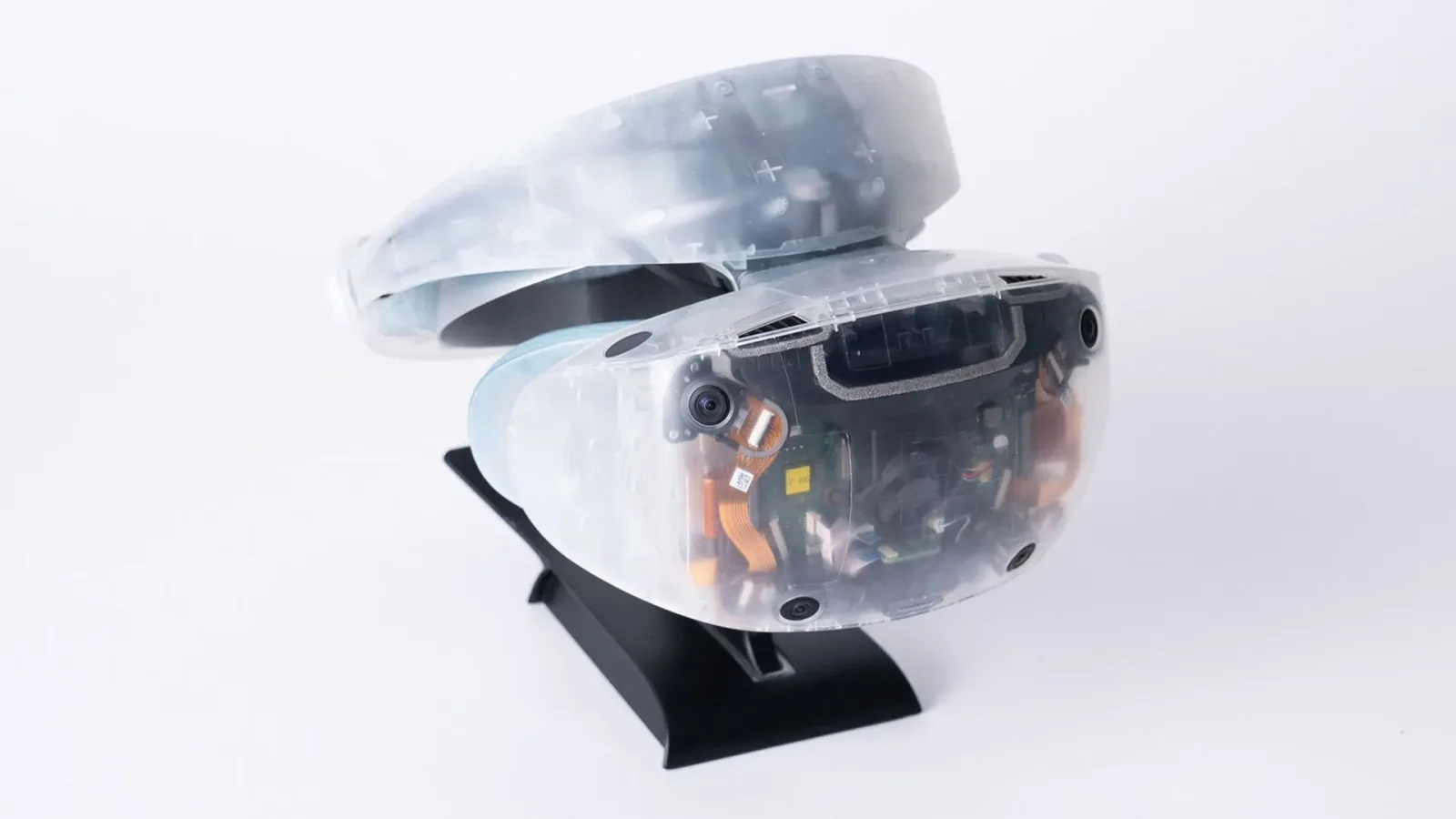
PlayStation's future in virtual reality is under renewed scrutiny after Meta acquired a collection of Sony patents connected to extended-reality technology. The transaction includes 43 US XR patents originally filed between 2010 and 2022, alongside an agreement covering 419 patents filed across multiple territories. The intellectual property is described as relating to areas including head-mounted displays, mixed-reality uses, and glasses-style devices.
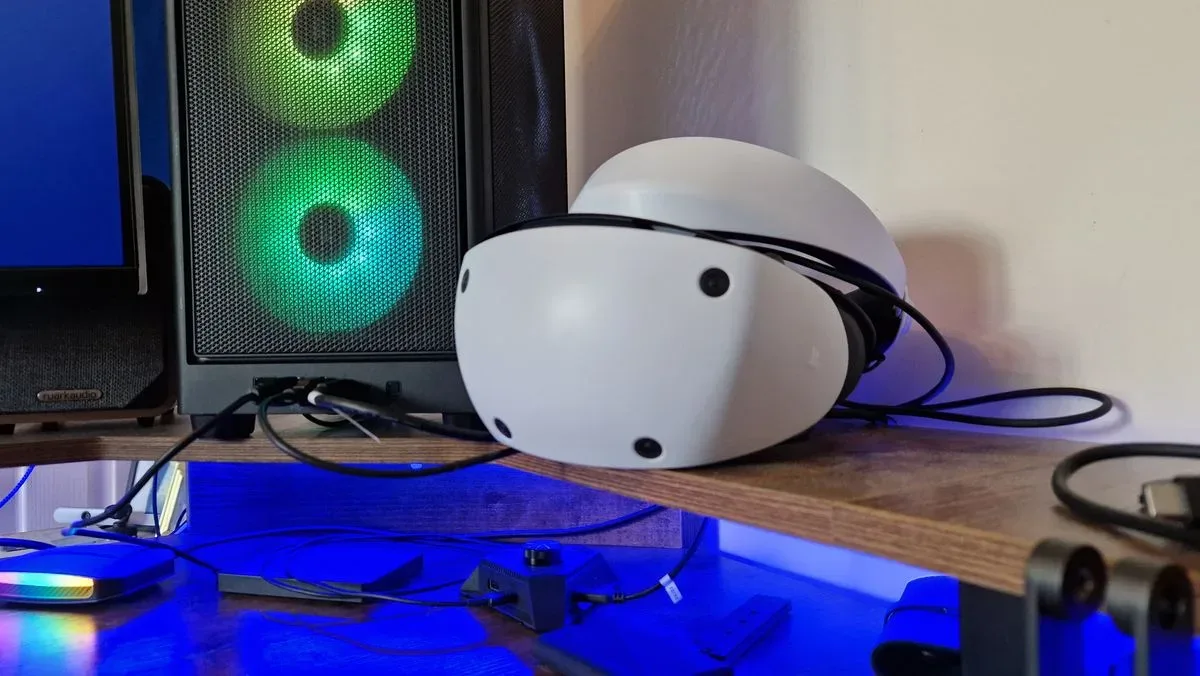
The patent sale arrives during a difficult period for PSVR 2, Sony's current PlayStation 5 headset. The device has reportedly been hard to find at regular retail pricing for months, while its first-party software pipeline has remained quiet since the headset launched in 2023. Those circumstances have led to growing speculation that Sony may be reducing its ambitions in the consumer VR space.
That conclusion is not confirmed. Sony has not said that PSVR 2 production has ended, nor has it announced that it is leaving VR altogether. Patent ownership can change for many reasons, and the sale of a specific portfolio does not automatically mean that every related research effort, product plan, or licensing arrangement has been abandoned. Still, the timing makes the transfer notable, particularly for a headset that has received relatively little public attention from PlayStation in recent years.
What the patent transfer appears to cover
The patents acquired by Meta are part of a broader group of 419 transferred filings, with 43 of them identified as US XR patents. XR, or extended reality, is a broad label that can encompass virtual reality, augmented reality, mixed reality, display systems, tracking, wearable hardware, and associated software concepts. The portfolio reportedly includes technology concerning headsets, mixed-reality applications, and glasses-form devices.
For useful background on this topic, read Shawn Layden Urges Developers to Chase Passion, Not Just the Next Big Hit.
That scope matters because Meta remains heavily invested in hardware beyond conventional VR gaming. Its Quest line has been a major consumer VR platform, while the company has also pursued mixed reality and glasses-based computing. Acquiring patents from Sony could give Meta additional options for future product development or provide defensive intellectual-property coverage in a competitive hardware field.
It is also worth noting that a patent transfer is not the same thing as proof that a product has been cancelled. Companies routinely buy, sell, license, consolidate, or reorganize patent holdings. Some patents may cover ideas that never reached a retail product, while others may have limited relevance to a company's current roadmap. The available details therefore support questions about PlayStation's direction, but they do not establish that a PSVR 3 is impossible.
PSVR 2's uncertain position
PSVR 2 arrived in 2023 as a premium headset built around the PlayStation 5. It earned strong early responses for its OLED display, eye tracking, headset feedback features, and overall focus on high-end console VR. Horizon Call of the Mountain, launched alongside the hardware, demonstrated the kind of polished, large-scale experience Sony hoped the platform could support.
However, the headset's price was an immediate point of debate. For many players, the cost of PSVR 2 on top of the need for a PS5 made it difficult to justify, especially in a market where competing devices increasingly offered standalone operation. The headset's wired design and dependence on a larger host machine also put it at odds with a growing expectation that VR hardware should work independently as well as connect to more powerful systems.
PSVR 2 remains a technically capable device, and its display quality and gaming-first design continue to make it an appealing headset for players who own the necessary hardware. Yet technical strengths alone have not solved the platform's larger challenge: maintaining a steady stream of must-play software, particularly software backed directly by PlayStation.
Outside its launch window, PSVR 2 has not received another major first-party game built specifically to sell the value of the headset. Its bundle situation has also remained limited, with the Horizon Call of the Mountain package still standing as its sole major official bundle. Meanwhile, the selection of VR games available through PlayStation Plus has become smaller rather than expanding into a clearer subscription incentive for headset owners.
Stock shortages add to the concern
Availability has become another major issue. PSVR 2 stock has reportedly been low for an extended period, and listings that do appear can be pre-owned, refurbished, or priced above the levels shoppers would expect for a normally supplied product. Rising prices do not, by themselves, confirm that manufacturing has stopped. They can reflect retailer behavior, regional inventory differences, distribution problems, or a smaller number of units entering the market.
Even so, reduced availability is not an encouraging signal for consumers trying to assess the headset's future. A product with healthy long-term support usually benefits from consistent retail visibility, promotions, new bundles, and messaging around upcoming games. PSVR 2 has instead faced questions about supply at the same time it has lacked a prominent slate of PlayStation-led releases.
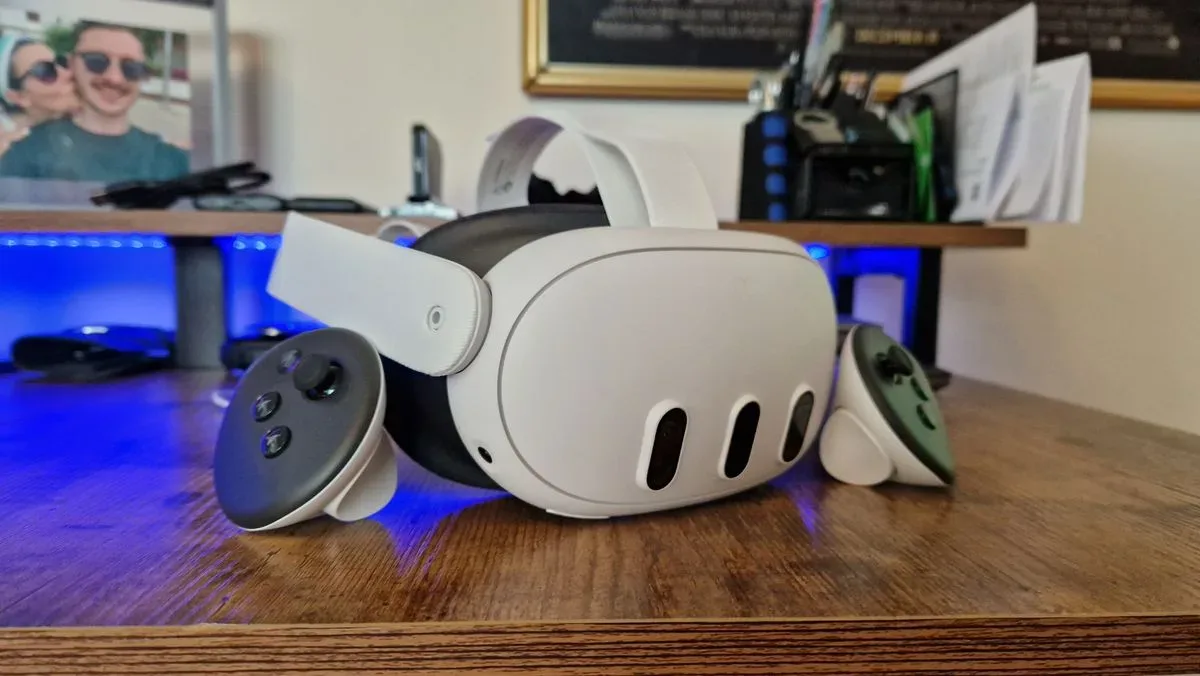
The situation is especially striking because PSVR 2 became more competitively priced after changes elsewhere in the VR market. At the reported pricing levels, Sony's headset is more affordable than the 256GB versions of Meta Quest 3 and Meta Quest 3S. That could have been a meaningful opportunity for PlayStation to emphasize premium visual quality and the PS5 library. Limited availability makes it harder to capitalize on that advantage.
PC support offered a boost, but with compromises
Sony did take a significant step when it introduced a PC adapter for PSVR 2. The accessory gave the headset a second life for some players, opening a route to PC VR software and making the hardware more flexible than its original PS5-only setup. Interest in the device reportedly increased following that expansion.
But the PC experience has important limitations. Several of PSVR 2's most distinctive features, including headset haptics and foveated rendering, are tied to PlayStation 5 support rather than the PC connection. The setup process has also been seen as more cumbersome than the approaches offered by hardware designed primarily for PC use, and the connection is limited to USB-C.
Those compromises make PSVR 2 a less straightforward recommendation for players building a VR setup around a computer. For someone already invested in PS5, the headset's console features can remain compelling. For a player chiefly interested in PC VR, dedicated alternatives may offer fewer restrictions and a more established ecosystem. Sony's broader pullback in PC hardware and game output has done little to create confidence that it will aggressively develop PSVR 2's role on the platform.
A changing VR market for both companies
Meta's interest in Sony's XR patents is notable because Meta has also made visible cutbacks in consumer VR gaming. During the year, the company has closed gaming studios and reduced the Reality Labs workforce. It has also followed Quest 3 hardware with Meta VR glasses that do not carry the same gaming-focused appeal as a dedicated headset.
In other words, the transaction should not be read as a simple story of one company charging ahead while another exits. Both Sony and Meta are navigating a market where VR remains technologically impressive but difficult to turn into a predictable mass-market games business. Hardware is expensive, software development is demanding, and consumers have multiple competing ideas of what immersive computing should look like.
The wider market is also moving toward versatility. Newer headsets increasingly provide standalone functionality, even when they can also connect to PCs or other devices for more demanding experiences. Valve's recently launched Steam Frame reflects that direction. By comparison, PSVR 2's core identity remains that of a display tethered to a PlayStation 5, a design that delivers benefits but can feel less flexible beside current alternatives.
What this could mean for PSVR 3
The most immediate takeaway is not that PlayStation VR is definitively over. There has been no official cancellation notice, no announcement ending PSVR 2 production, and no statement that Sony will never produce another headset. Players should be cautious about treating patent transfers and stock issues as final proof of a complete withdrawal.
However, the combined picture makes a near-term, ambitious successor harder to envision. A PSVR 3 would need a convincing hardware strategy, substantial software backing, and a clear response to standalone and mixed-reality competition. It would also need to persuade players that Sony is committed for the long haul after PSVR 2's muted first-party follow-through.
For current PSVR 2 owners, the headset's existing library, display technology, and PS5-specific features still have value. The PC adapter also ensures that the hardware has uses beyond Sony's console ecosystem, even if those uses do not expose every feature. The larger concern is less about whether PSVR 2 can still deliver enjoyable VR games today and more about what level of support it will receive tomorrow.
Meta's patent acquisition does not answer that question on its own. But combined with shortages, limited promotion, shrinking subscription support, and the absence of new first-party showcases, it adds another meaningful sign that PlayStation's VR strategy may be entering a far more cautious phase.
Community
Discussion
Start the conversation.
No comments have been posted yet.