

Order of the Sinking Star is an ambitious puzzle adventure from Thekla that asks players to think several moves ahead--then rethink the rules entirely. Built around four pre-existing, highly regarded block-pushing puzzle concepts, the game turns them into a larger fantasy journey featuring a Queen, an explorable overworld, environmental obstacles, and more than 1,000 individual challenges.
After roughly 10 hours with a pre-release build, the clearest takeaway is that the puzzle design itself is exceptionally strong. The more complicated question is whether the surrounding story, visual presentation, and overarching mystery can match the quality of the central mechanical ideas. The game is set to launch on October 8 for PC and Nintendo Switch 2, although some elements encountered in the preview build were still unfinished.
Four puzzle games under one roof
At its core, Order of the Sinking Star is a large-scale collection of sokoban-inspired puzzles. Sokoban is the classic format in which a player pushes crates or other objects through a compact space, with the catch that a single careless move can make a puzzle impossible to complete. Thekla's project expands that basic language by drawing from four separate browser-based games, each licensed from its original creator and reworked into a new setting.
The four foundations are The Heroes of Sokoban by Jonah Ostroff, Promesst by Sean Barrett, Mirror Isles by Alan Hazelden, and Hazelden's Skipping Stones to Lonely Homes. Rather than simply presenting those projects as a compilation, Order of the Sinking Star creates new puzzle sequences around their systems and eventually combines their ideas in increasingly elaborate ways.
For useful background on this topic, read Overwatch's Support Sombra Rework Is Already Showing Surprising Promise.
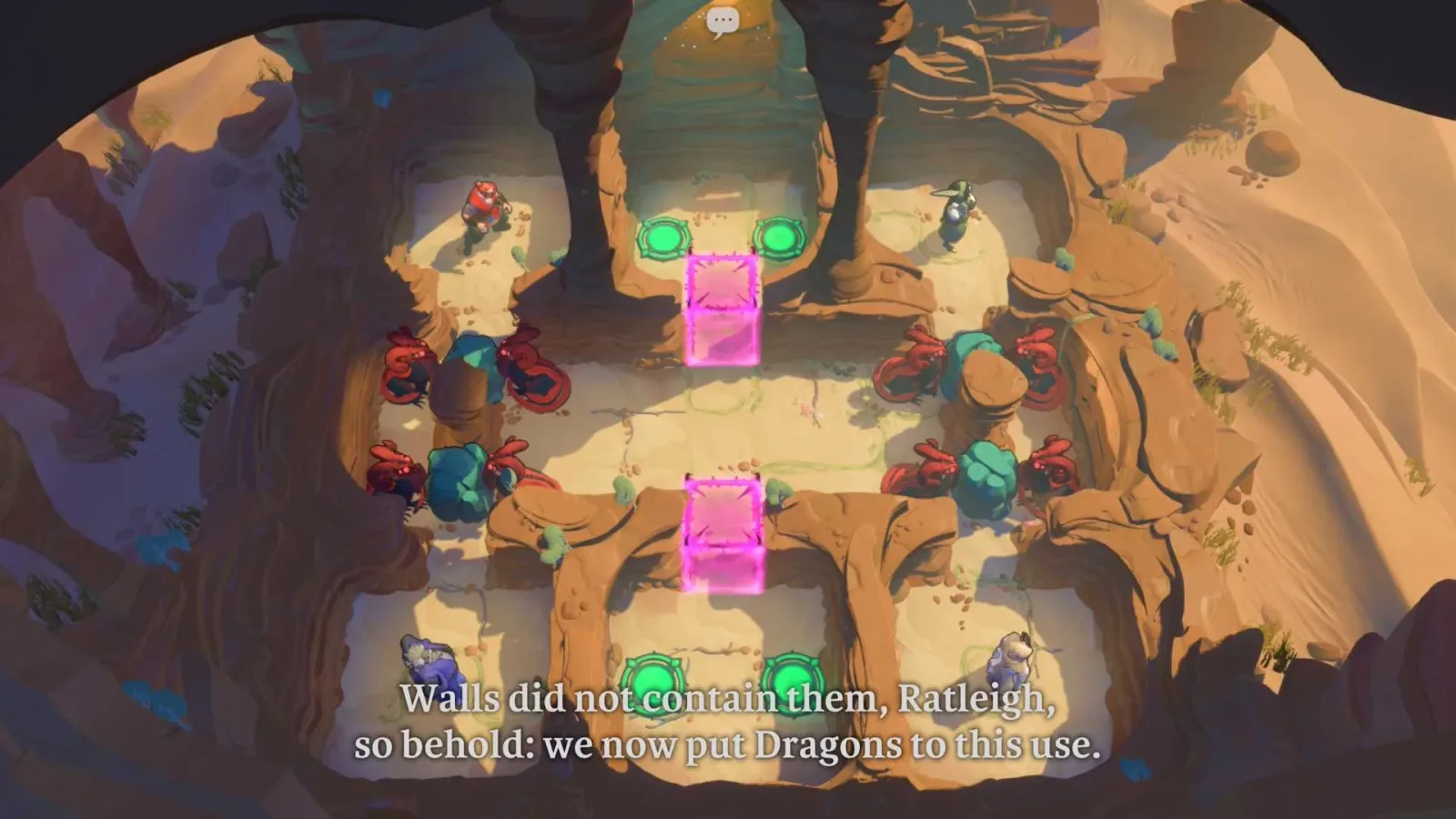
The Heroes of Sokoban contributes a party-based structure. Different adventurers possess distinct abilities, such as pushing objects, pulling them, or swapping positions with blocks. That transforms simple navigation into a problem of arranging both the environment and the available characters in the correct order.
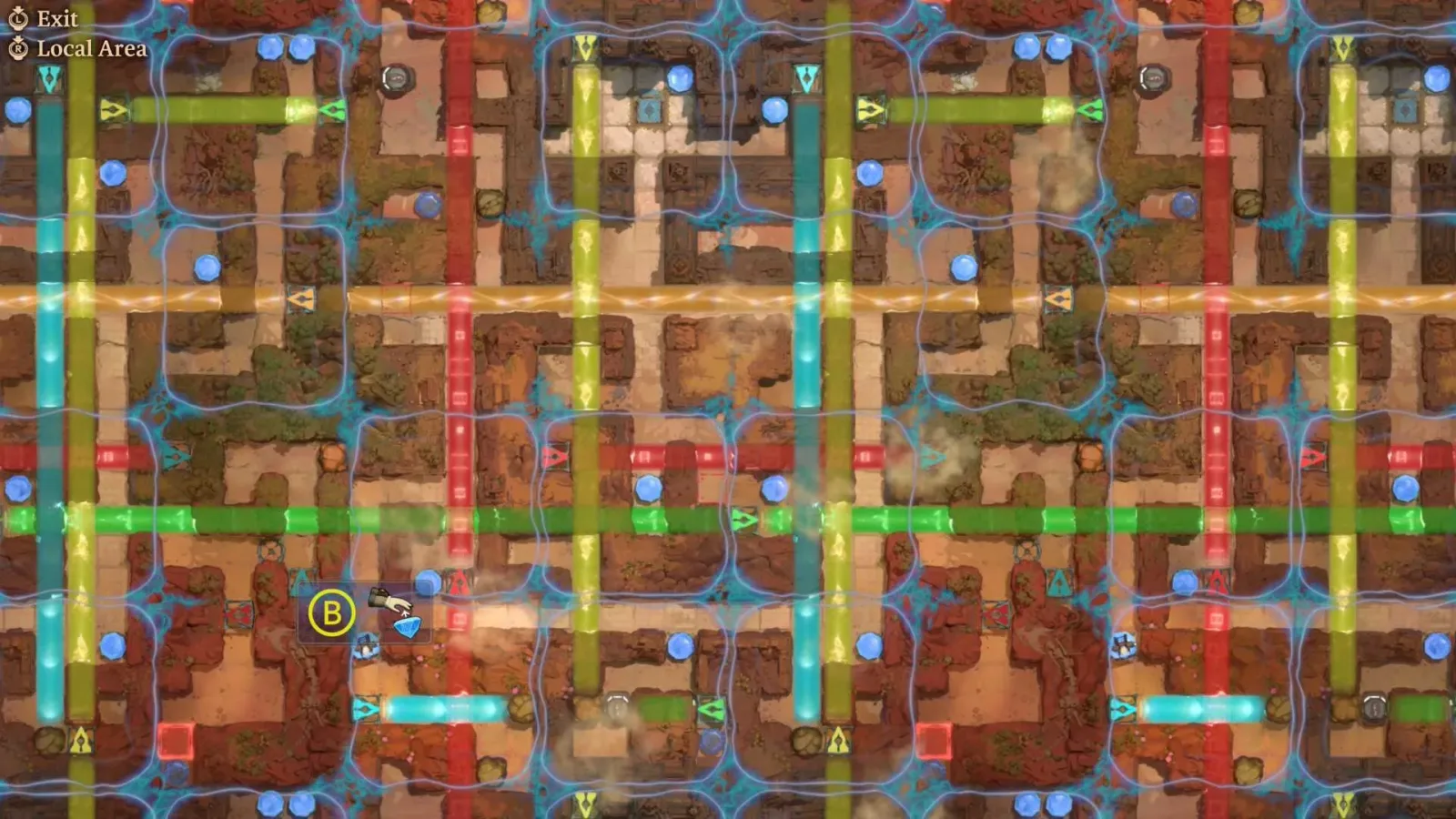
Promesst is built around switches, machinery, gems, and colored beams. Activating one device can create a beam that changes how the player moves or interacts with the maze, opening routes to further switches and resources. The result is a chain of interlocking cause-and-effect decisions.
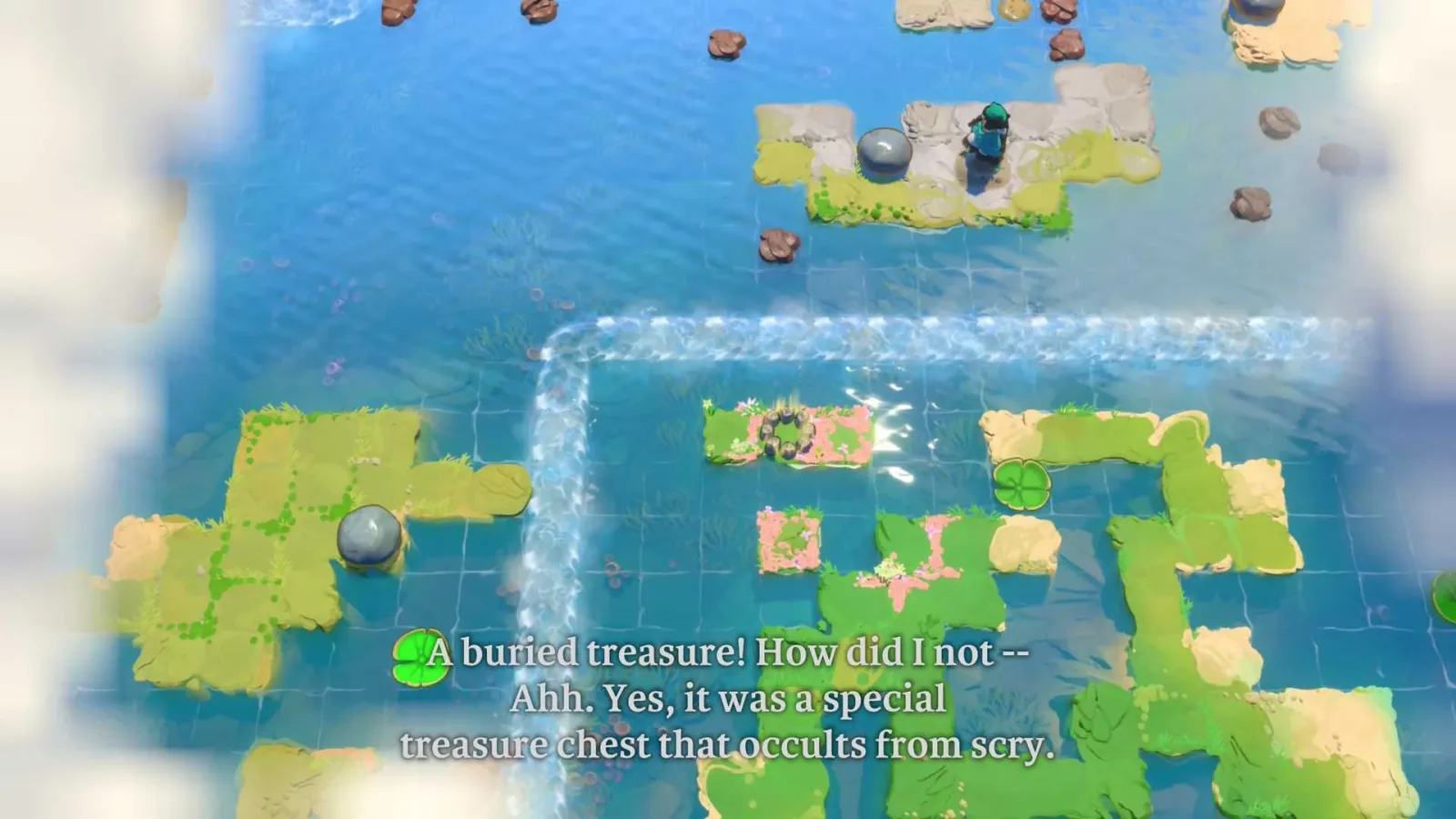
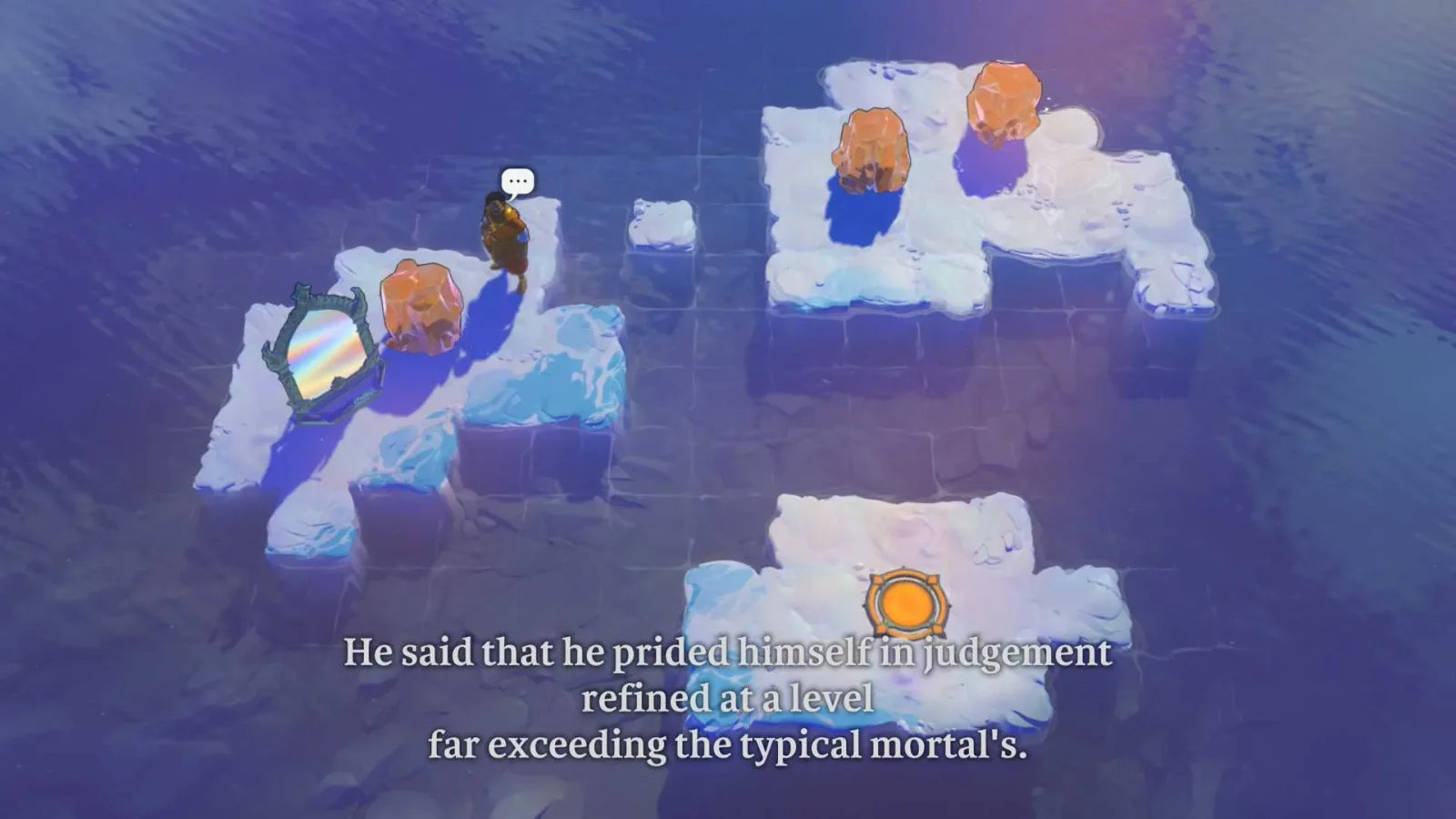
In Mirror Isles, mirrors reflect the protagonist across the map. Later puzzles can split a character or object into multiple copies, making position, symmetry, and simultaneous movement central to the solution. Skipping Stones to Lonely Homes, meanwhile, asks players to push rocks into water so that they skip to other pieces of land, with additional interactions involving objects such as lily pads.
All four concepts were compelling in their earlier forms, but their original browser-based releases may not have reached a broad audience. Thekla's approach gives each of them a more lavish presentation and a shared framework, while preserving the crucial appeal: puzzles that become satisfying only after the player has fully understood a dense web of rules.
A puzzle game for committed solvers
Order of the Sinking Star does not appear interested in easing players into a lightweight series of brainteasers. Its puzzles quickly become demanding, and the game is likely to appeal most strongly to players who enjoy spending time examining a board, testing possibilities, recognizing failed assumptions, and finally seeing a solution click into place.
That click is the game's greatest strength. Thekla, led by Jonathan Blow, has a substantial history with cerebral puzzle design through The Witness, and the new project's designs reflect an interest in teaching through interaction rather than lengthy explanation. Patrick Traynor is also credited as a major force behind the puzzle work. The individual systems are not merely repeated; they are developed, layered, and at times cross-pollinated with one another.
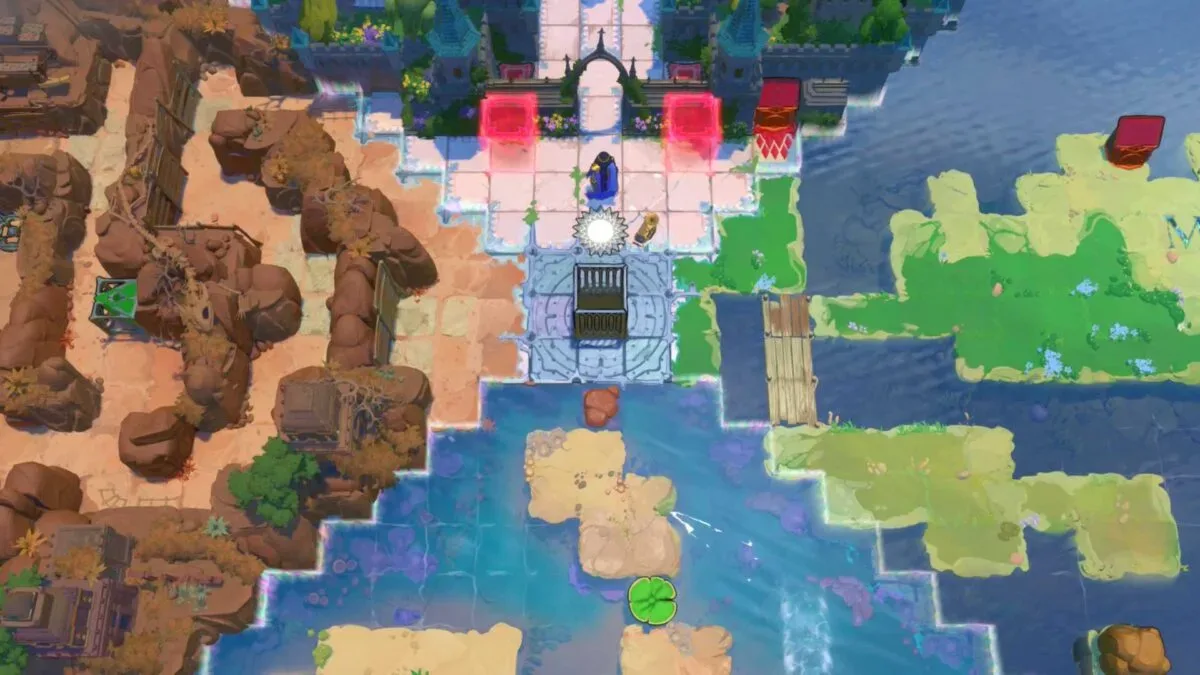
The game's overworld is another thoughtful piece of the design. The Queen travels between discrete puzzle areas, but what she learns within those areas can then be used to solve obstacles in the larger landscape. That creates a nested structure: standalone rooms teach mechanics, while the overworld tests whether the player has truly absorbed them.
There is also an unusual travel feature that helps players change direction when they become stuck or simply want a break from one region. By pulling out to a more distant, bird's-eye view, players can move through a simplified version of the map and then return to a chosen location. For a game with so many puzzles, that flexibility could be important. It discourages the feeling that progress has come to a complete halt just because one particular room remains unsolved.
Presentation can make new rules difficult to read
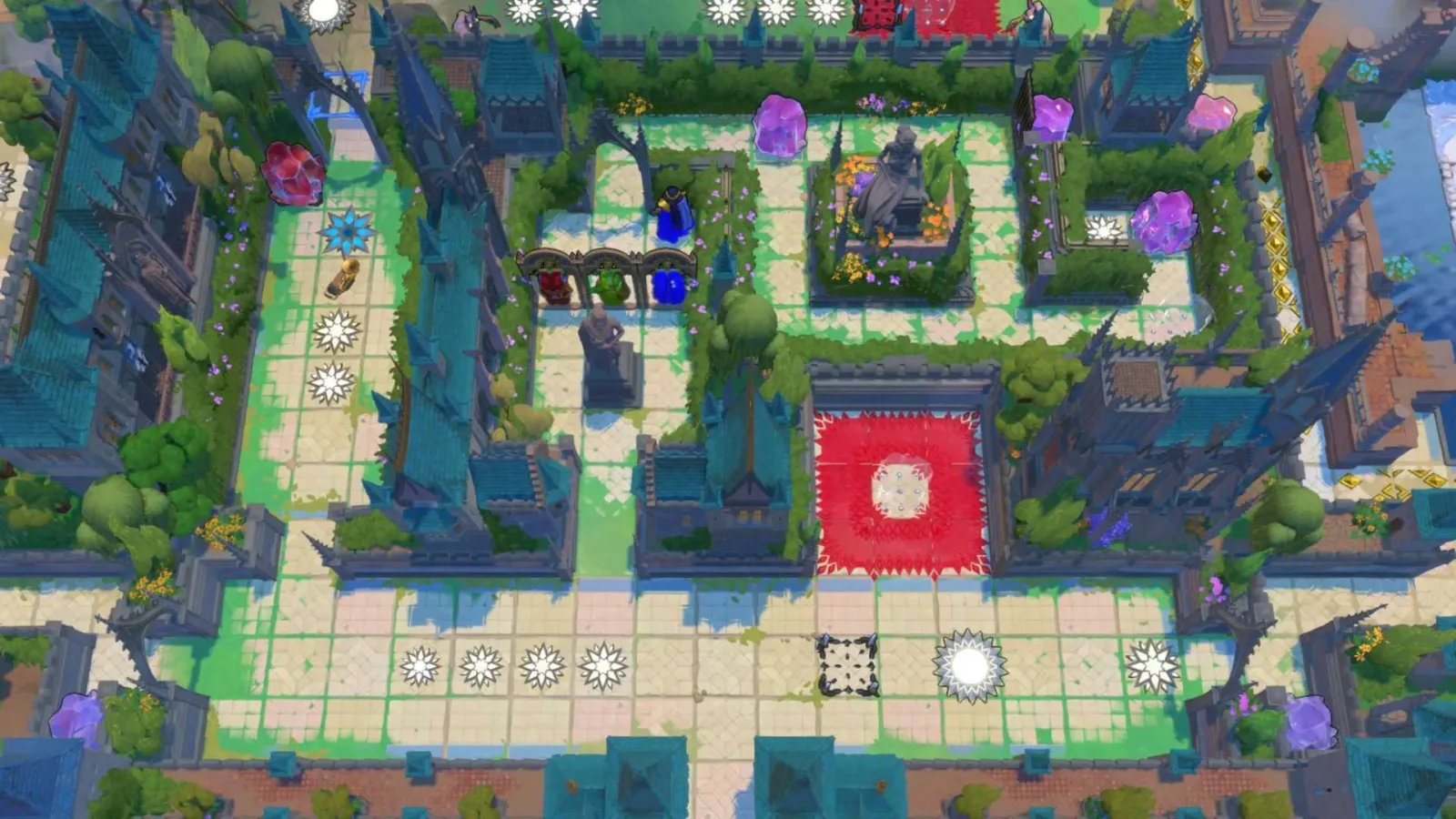
Despite the strength of its systems, Order of the Sinking Star may not always communicate those systems cleanly. Its world is colorful and detailed, but the density of visual information can make it difficult to identify what an object is or understand how it is supposed to behave--especially when a mechanic is introduced for the first time.
In a puzzle game, visual clarity is more than an aesthetic concern. Players need to distinguish movable objects from fixed scenery, recognize interactive elements, and notice differences between states. Glowing features, blocks with special behavior, and environmental props can lose their immediate readability when many different details compete for attention.
One early example involves an object that changes the Queen's cape color and grants a different ability. Its function was not instantly obvious in the pre-release experience, and the distinction between the character's ordinary purple coloration and a new blue state was reportedly difficult to notice. Scale also contributed to the issue when playing docked on Switch 2. A closer PC setup or portable play may make some details easier to parse, but the game's small visual elements could still prove challenging for some players.
That concern is notable because the source material behind these mechanics was often minimalist. The original browser games may lack Thekla's elaborate art direction, but their stripped-down presentation can make rules easy to identify. Order of the Sinking Star offers a much more fully realized setting, yet that added richness sometimes appears to come at the expense of immediate legibility.
An unfinished narrative picture
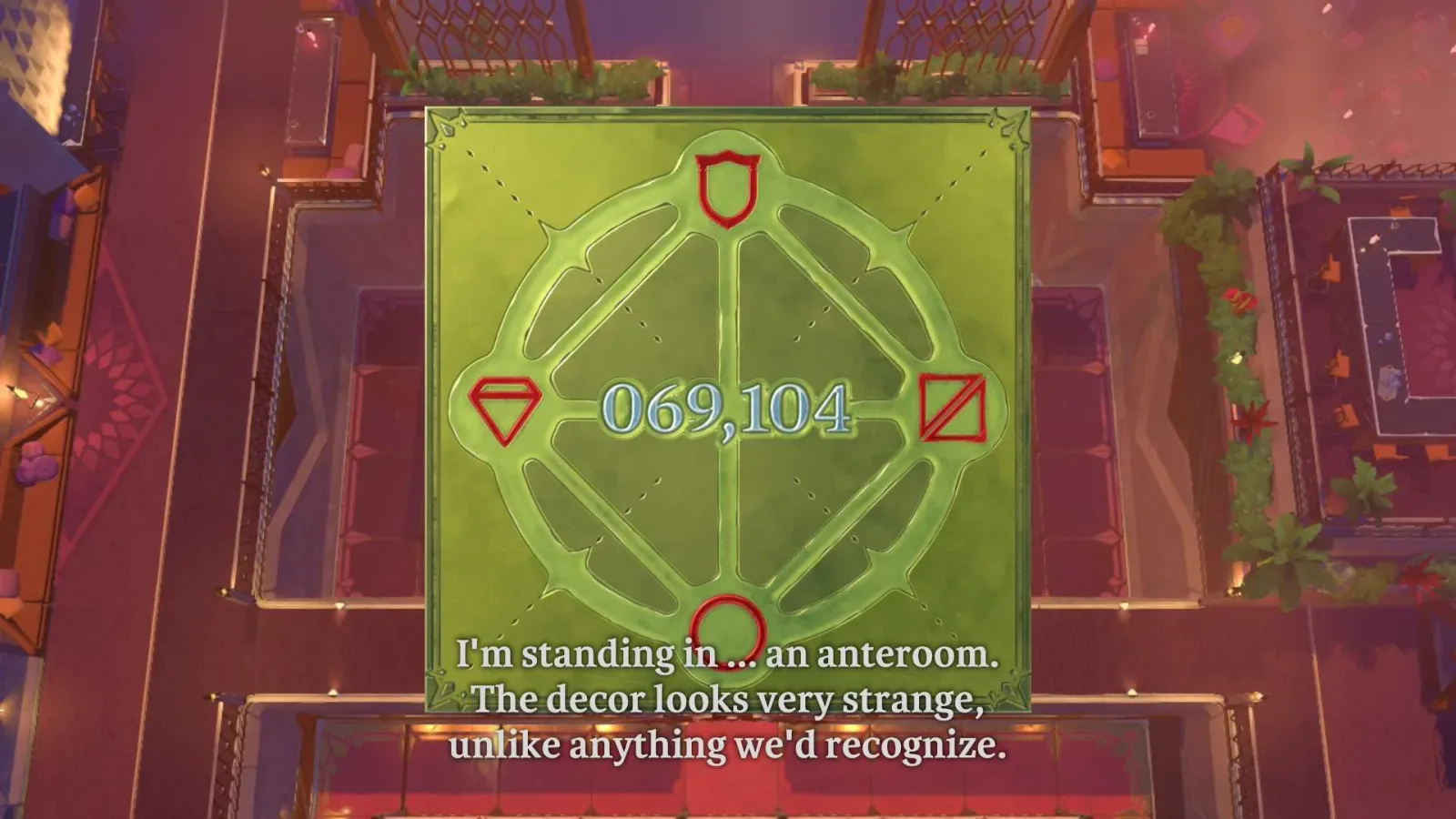
The broader narrative remains harder to judge. The Queen explores a strange temple-like place, discovers recordings left by an earlier traveler, and enters worlds connected to the characters and mechanics of the four puzzle strands. The individual sections have their own premises: one follows a group called the Heroes of Hauling, while another involves a man returning to a place from his childhood while believing he may soon die.
There are signs, hidden-looking details, and suggestions of a larger mystery, placing the game in territory that may invite comparison with puzzle adventures such as Blue Prince, Animal Well, Void Stranger, and Lorelei and the Laser Eyes. However, after 10 hours, the characters and central enigma had not yet established a similarly compelling pull.
The early dialogue was described as often either vague about immediate events or highly specific in ways that lacked sufficient context. That can leave players hearing repeated observations about mystery and forward motion without gaining a strong emotional reason to care about the people involved. It is possible that the narrative gains focus later, but that could not be confirmed from an incomplete run through the game.
Crucially, the preview build also contained temporary AI-generated voices for roughly half of its characters. Thekla had warned reviewers that these performances would not be in the launch version. The final release is expected to use a full cast of human voice actors, and the human performances already present were viewed positively. Still, scenes that alternated between human and AI voices created an uneven, distracting effect in the preview version.
Subtitles were also still in progress, with reported typos, mismatches between spoken dialogue and on-screen text, and occasional confusing lines. Since Thekla said these issues would be addressed for launch, they should not necessarily be treated as representative of the final game. They do, however, make it difficult to reach a definitive conclusion about the quality of the writing, acting, or plot based solely on the available build.
Who should consider Order of the Sinking Star?
Players looking primarily for intricate sokoban puzzles may find an enormous amount to admire here. The four foundational concepts are excellent, and Thekla's new variations and combinations appear to give them considerable range. With more than 1,000 puzzles, the game is positioned as a major undertaking rather than a short puzzle diversion.
Players who need a powerful narrative hook, highly readable environmental design, or a fully satisfying meta-mystery may want to wait for impressions from people who have completed the final release. The pre-launch version leaves those areas unresolved, both because the story has not yet revealed its full shape and because important presentation elements were temporary.
There is also a separate consideration for some potential players: Jonathan Blow's public political statements have drawn criticism, including from people connected to the original games that informed this project. The game itself had not presented a clear political message within the first 10 hours, but players weighing a purchase can make their own decisions about supporting work associated with its director and studio.
For those who want to explore the mechanical inspirations directly, the four original games remain available to play in a browser at no cost. Their minimalist form may be preferable for players who value immediate visual clarity, although they do not offer the convenience of Order of the Sinking Star's PC and Switch 2 release.
Order of the Sinking Star is therefore a fascinating, complicated proposition. Its block-pushing challenges seem capable of delivering the kind of hard-won breakthroughs puzzle devotees love. Whether its story and surrounding world become equally memorable is a question that the finished version will need to answer.
Community
Discussion
Start the conversation.
No comments have been posted yet.