


Piece & Quiet: A Stained Glass Restoration will launch for PC via Steam on November 27, 2026. Published by Spaghetti Cat, the cozy first-person restoration game sends players into an abandoned chapel in the mountains, where six damaged stained-glass windows await patient reconstruction.
Rather than building its appeal around pressure, punishment, or difficult combat encounters, Piece & Quiet centers on a deliberately unhurried process. Players will clean, organize, and fit together a total of 2,655 glass fragments, using their shapes and colors to return each window to its original form. The project combines a tactile puzzle-game premise with a quiet, story-focused setting that gradually reveals the history of the chapel and its former master glassmaker.
A restoration game built around small, careful steps
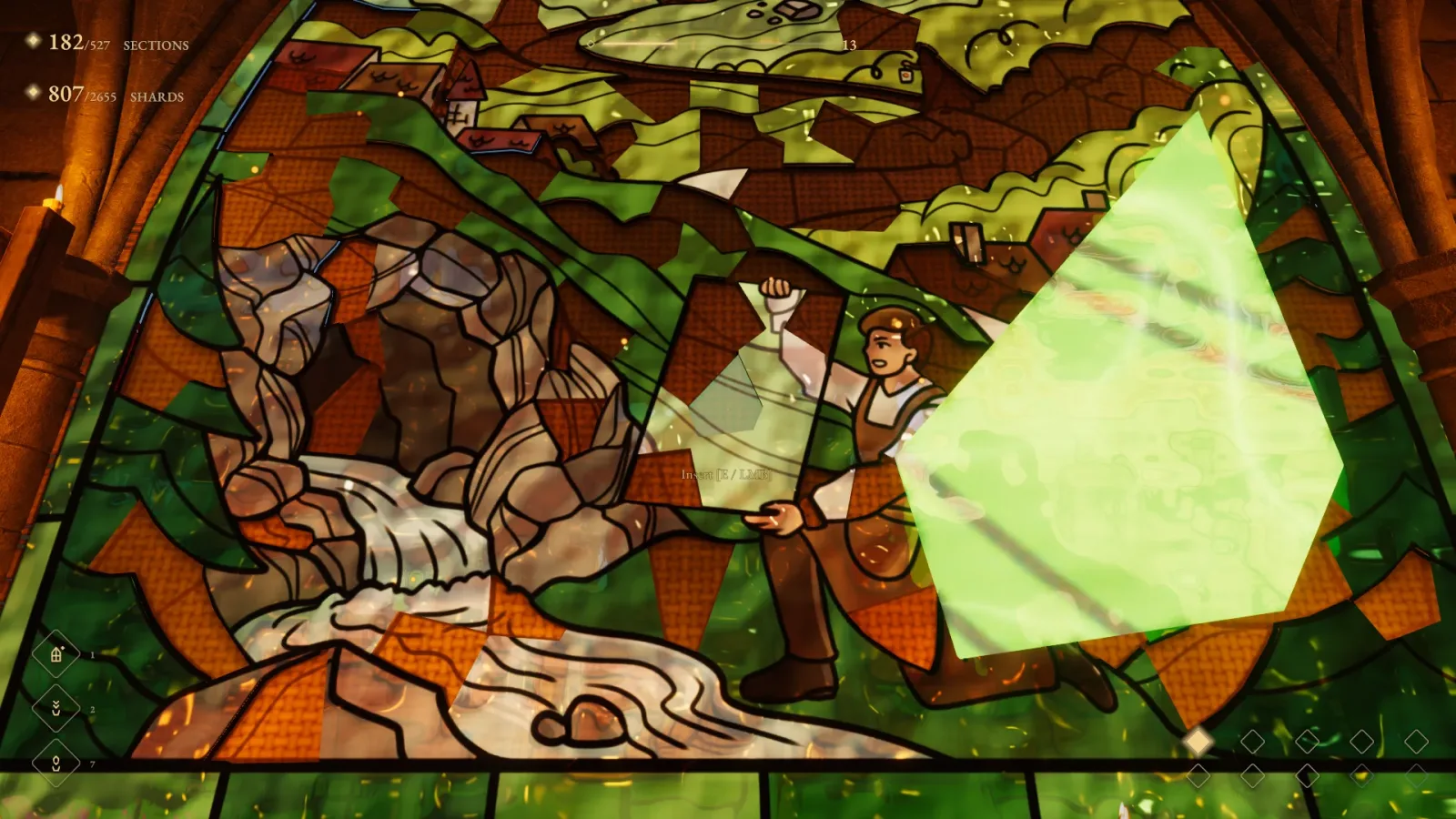
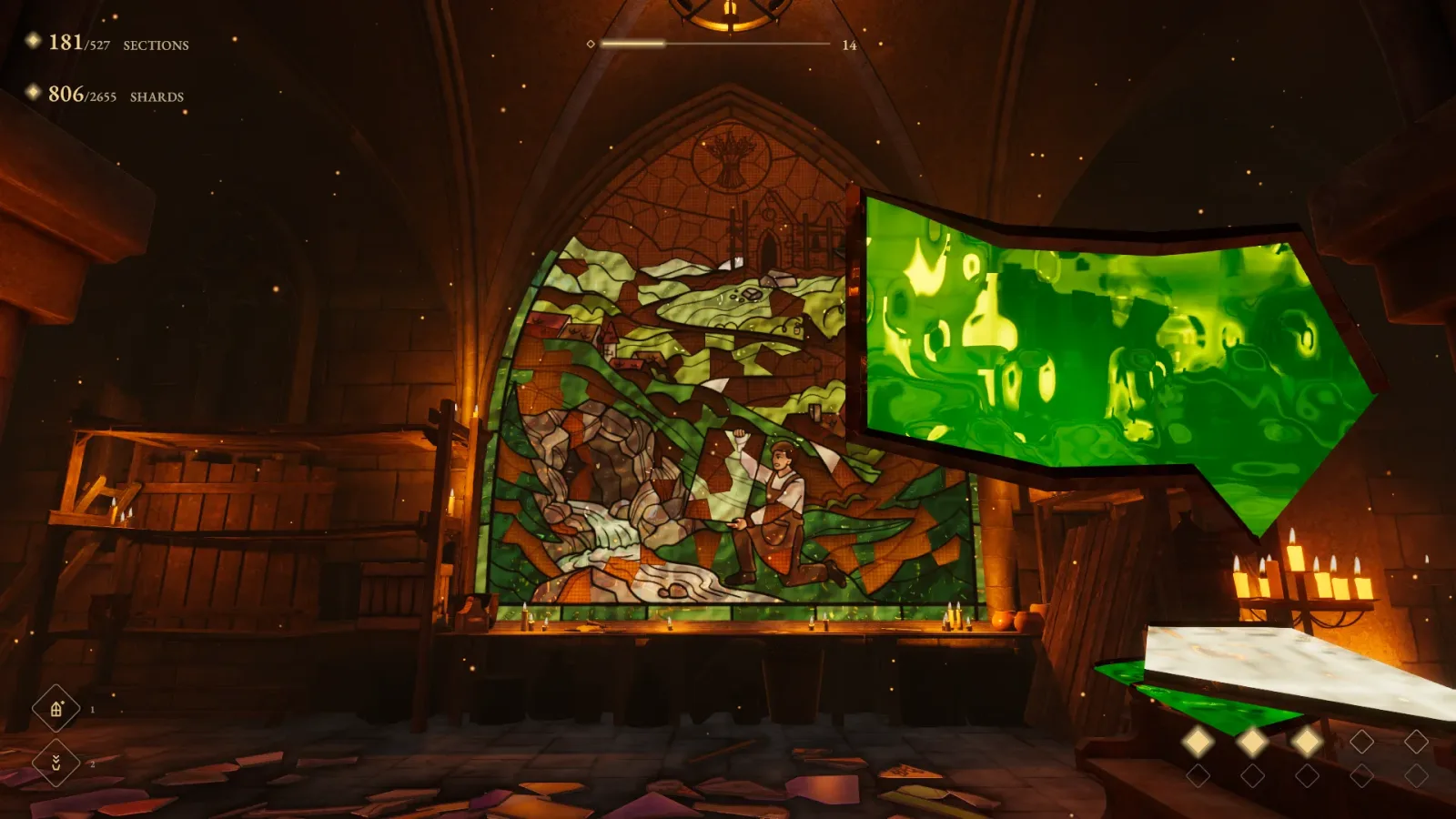
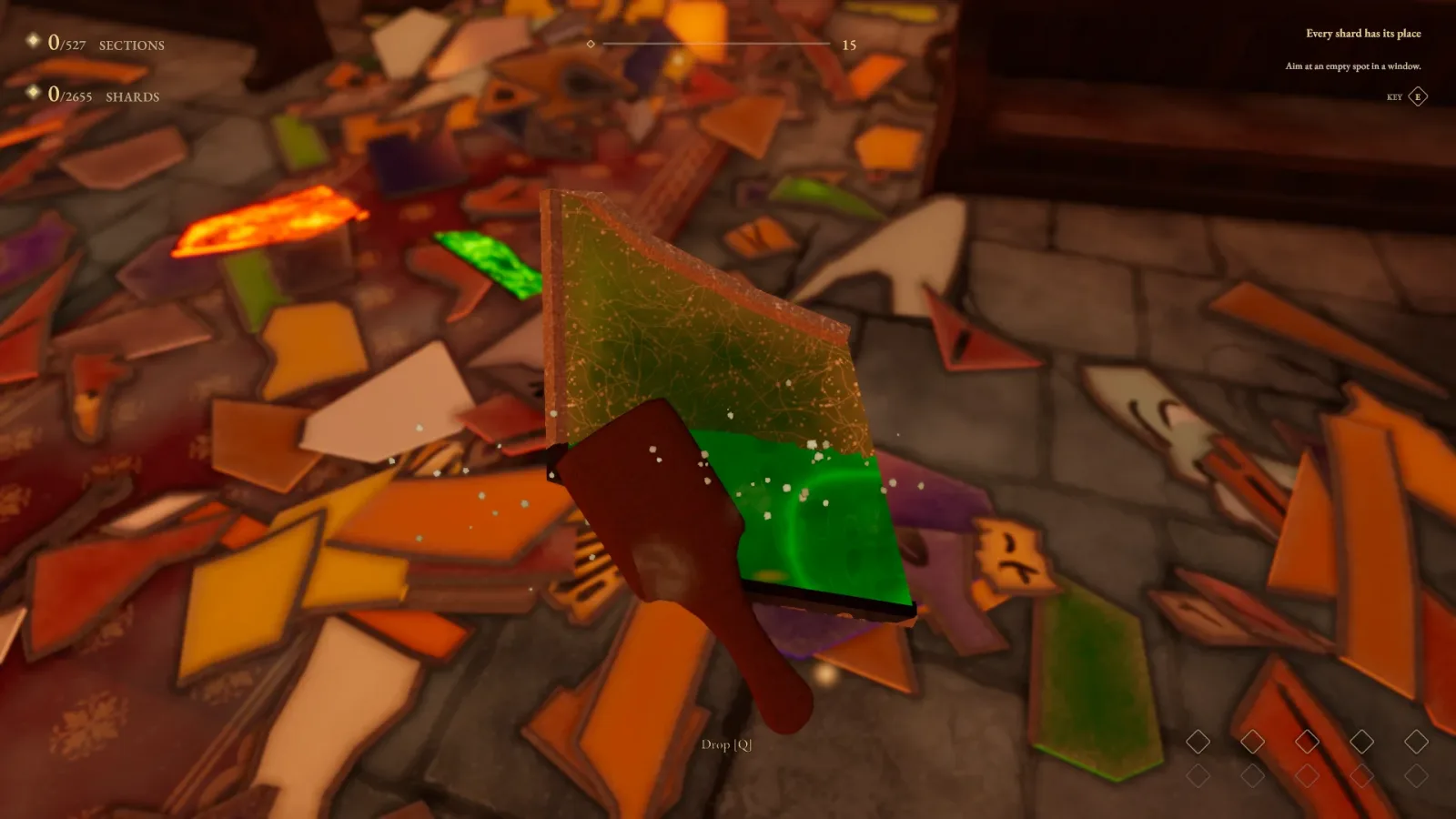
The core loop in Piece & Quiet is straightforward but detail-oriented. Every stained-glass window has been broken into many separate pieces, and players must work through those fragments one at a time. The process involves identifying where a shard belongs, comparing its outline and coloration with the incomplete design, and carefully placing it into the larger composition.
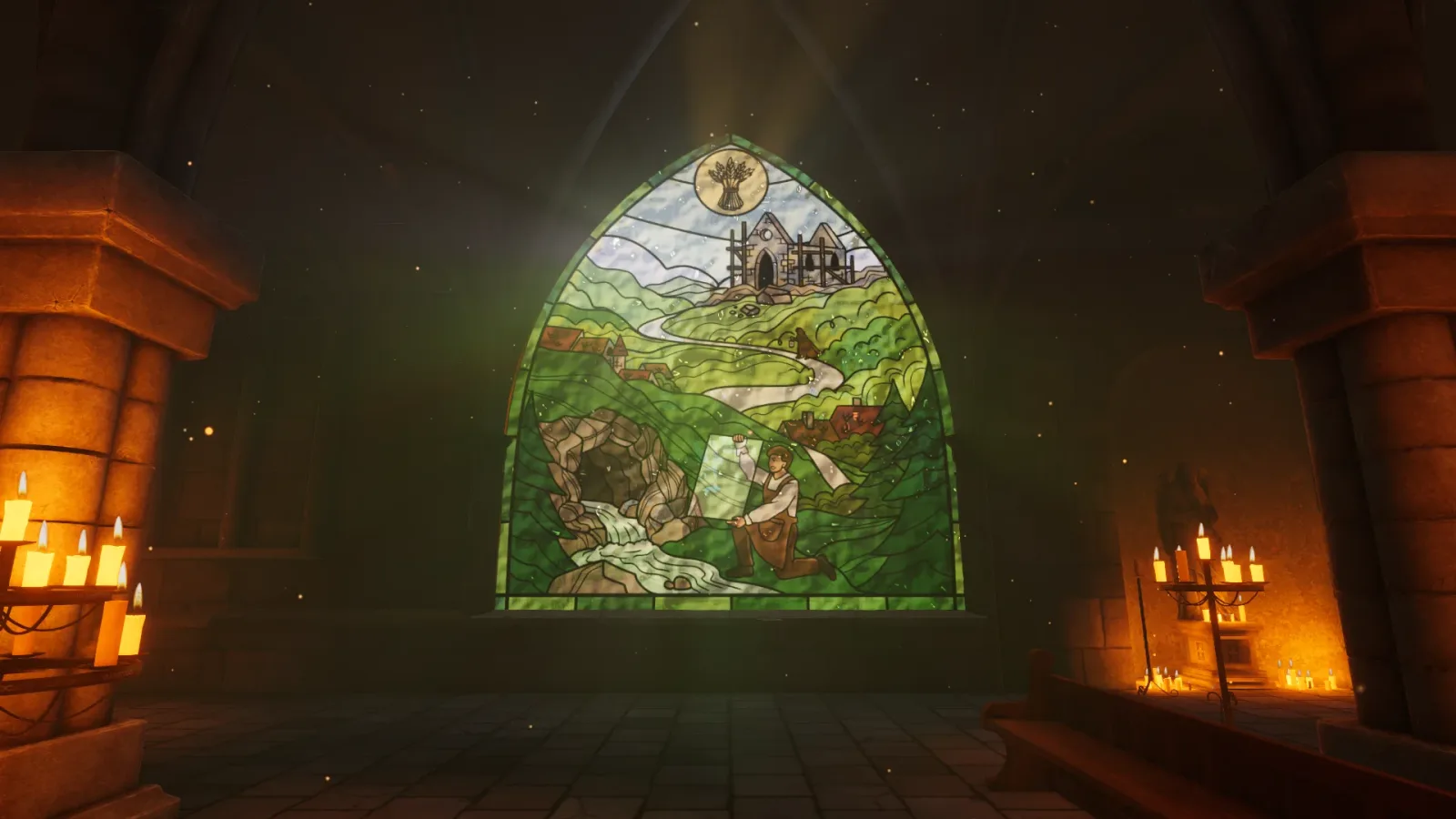
That focus makes the game less about solving a single abstract puzzle and more about seeing a damaged work of art slowly become whole. A window that begins as scattered pieces can eventually reveal a complete image, giving each successful placement a visible contribution to the chapel's recovery. With six windows to restore, the game's progression is tied to the gradual transformation of its central location.
For useful background on this topic, read GTA 6 Mission Replay: Can You Revisit Completed Story Missions?.
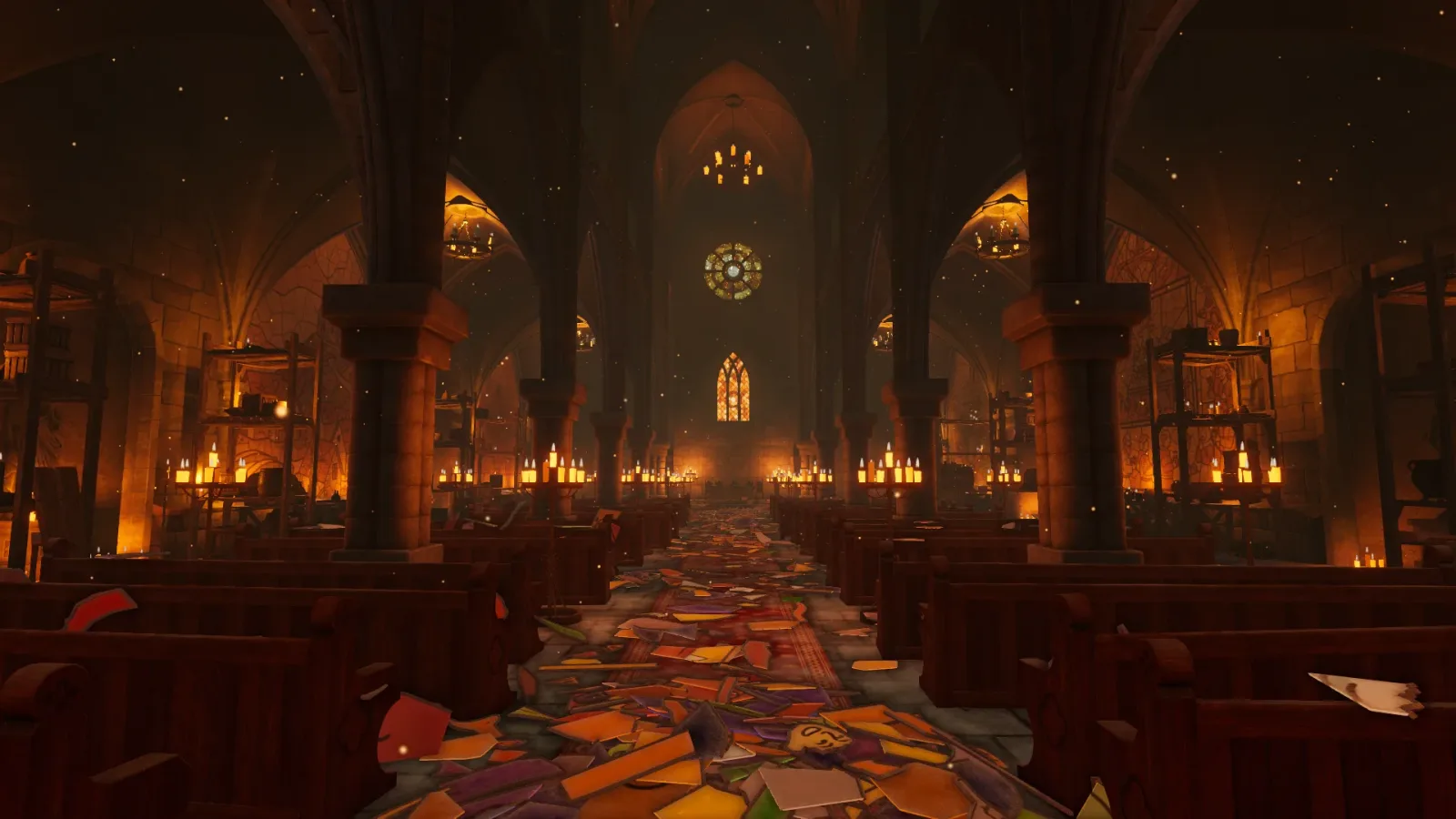
The setting is an abandoned mountain chapel, an environment well suited to the stained-glass restoration theme. The chapel is not simply a backdrop for a collection of puzzles: its neglected windows, quiet atmosphere, and hidden history give the reconstruction work a sense of purpose. As more glass is repaired, players are expected to see more of the building's forgotten artistic legacy come back into view.
Six windows and 2,655 fragments to assemble
Piece & Quiet's restoration task spans 2,655 individual glass fragments across its six stained-glass windows. That number suggests a game designed for players who enjoy methodical sorting, close observation, and the satisfaction of completing a larger image through many smaller decisions.
Color matching is one important part of the process, but shape recognition also plays a role. Fragments need to be compared against the gaps in each design, making the work feel closer to handling a physical artwork than simply moving pieces around a flat board. The first-person presentation further supports that hands-on angle, placing the player in the chapel as the person responsible for bringing these pieces back together.
The game falls into the cozy, casual, and simulation categories, though its central activity also has obvious appeal for traditional puzzle fans. Its premise leans into the pleasure of orderly tasks: cleaning up a space, sorting a large collection of objects, and gradually producing a finished result that was impossible to see at the beginning.
For players drawn to games about repair and renewal, the visual payoff should be a major part of the experience. Stained glass changes dramatically when an image is complete, as disconnected colors and shapes become scenes, figures, or patterns. Completing a window does more than mark off an objective; it restores an artwork intended to be viewed as a whole.
A mystery told through art and handwritten notes
Beyond the mechanical work of restoration, Piece & Quiet includes a narrative concerning a mysterious master glassmaker. Each completed window reveals another portion of that story, with stained-glass imagery and handwritten notes used to uncover the details.
This approach gives the six restoration projects a narrative function. Instead of presenting every window as an isolated challenge, the game connects them through the creator whose work players are preserving. The story is communicated through the artistic designs themselves as well as written material found during the journey, encouraging players to look at each finished piece not only as a puzzle solution, but as part of an unfolding account.
Using the windows as storytelling objects is especially fitting for the setting. Historically, stained glass has often carried stories through images, and Piece & Quiet adopts that visual language for its own mystery. The designs can convey information in a way that is distinct from a conventional dialogue-heavy adventure, while the notes provide additional context around the chapel, its maker, and the works left behind.
Exactly how the master glassmaker's story develops has not been detailed. What is clear is that restoration and discovery are meant to move forward together. The more progress a player makes on the physical reconstruction, the more they learn about the person behind the chapel's lost windows.
No fail states, with a timer only for those who want one
Spaghetti Cat is positioning Piece & Quiet as a peaceful experience with no penalties and no fail states. That design choice is central to the game's relaxed identity. Players are not expected to worry about losing progress, failing an attempt, or being forced to work at a pace that does not suit them.
The game will offer two modes. Relaxed Mode removes the on-screen timer, allowing players to restore the windows at whatever speed feels comfortable. This option is aimed squarely at those who want the process itself to be the reward, whether that means carefully examining every fragment or spending long stretches simply enjoying the chapel's atmosphere.
Timed Mode is available for players who would like an added personal challenge. Rather than changing the restoration goal, it tracks the time spent completing the work. This gives more competitive or efficiency-minded players a way to measure their performance without making time pressure mandatory for everyone else.
The two-mode setup is a sensible match for a puzzle experience with a broad potential audience. Some players may prefer to treat the game as a calming digital craft, while others may enjoy returning to a window or progressing through the game with an eye on speed. Both approaches remain focused on the same careful assembly mechanic.
Magical upgrades support the restoration work
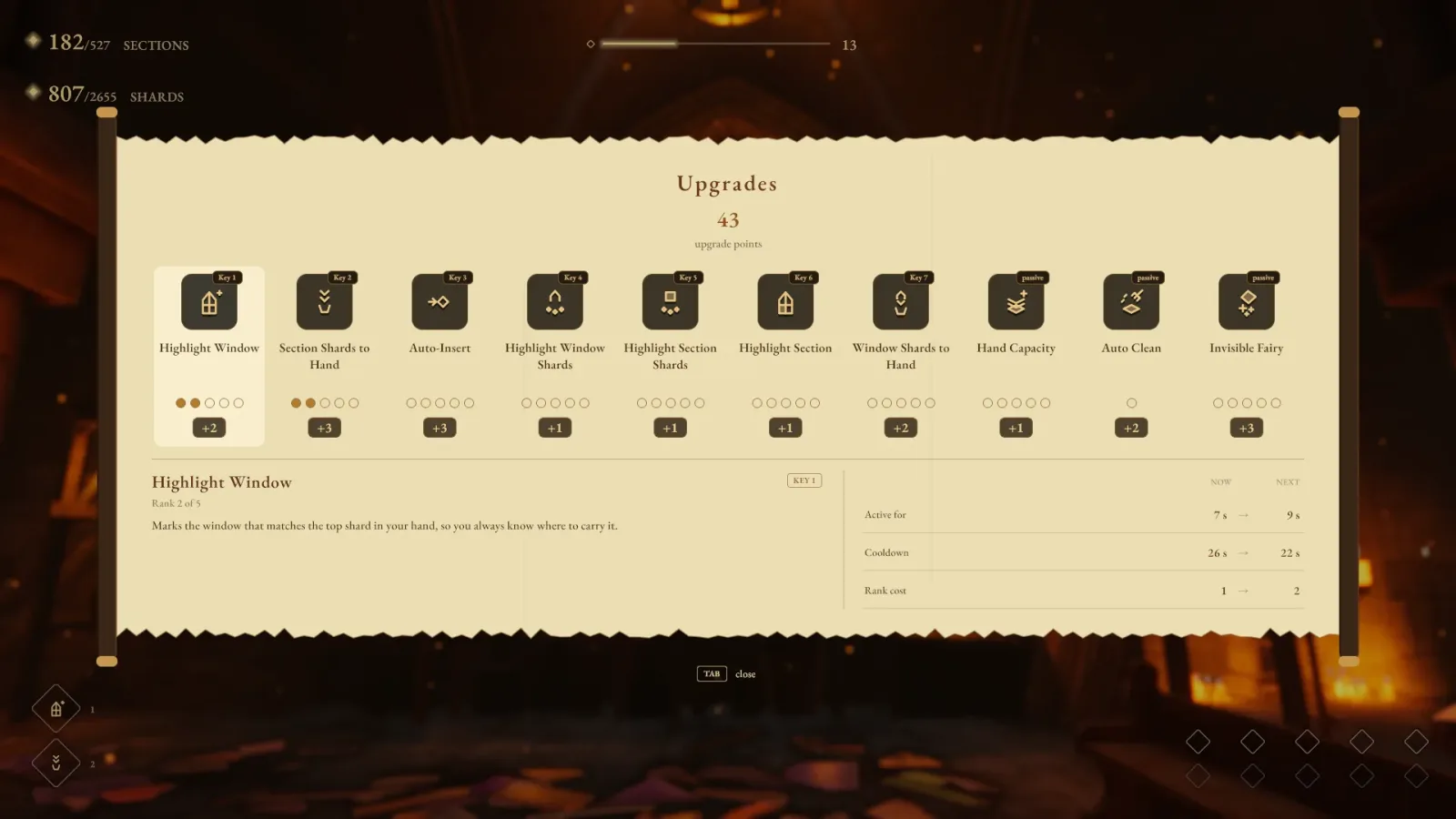
Players can unlock 10 magical upgrades while restoring the chapel's windows. These upgrades are intended to make the process more enjoyable as the project continues, offering a sense of progression beyond the completion of individual stained-glass artworks.
Specific effects for the upgrades have not been outlined, so it remains to be seen exactly how they will affect cleaning, sorting, or assembly. Their inclusion nevertheless suggests that the game's longer restoration tasks will not remain entirely static from start to finish. As players advance through the chapel, they will have new tools or enhancements to look forward to alongside additional story revelations.
That progression may be particularly welcome given the large fragment count. A game about deliberate repetition needs to preserve the pleasure of its central action, and unlockable upgrades can help make later stages feel like part of an expanding restoration journey rather than simply more of the same work.
Piece & Quiet arrives on PC in November
Piece & Quiet: A Stained Glass Restoration is scheduled to release on November 27, 2026 for PC through Steam. No other platform versions have been announced.
Its first-person perspective, tranquil mountain chapel setting, optional timing challenge, and penalty-free structure place it firmly among games intended for a slower, more contemplative kind of play. For anyone who finds satisfaction in sorting objects, completing intricate visual puzzles, and watching a neglected place regain its beauty, the restoration work at the heart of Piece & Quiet offers a focused and approachable premise.
When the chapel doors open this November, players will have six windows to save, thousands of fragments to place, and a hidden glassmaker's story to piece together along the way.
Community
Discussion
Start the conversation.
No comments have been posted yet.