


The debate around physical games has become more urgent for PlayStation owners in 2026. Sony has announced plans to discontinue physical games by January 2028, a prospect that has prompted vocal resistance from players who see discs as an important part of ownership, preservation, affordability, and the social side of gaming.
A week-long player boycott was organized in response to the planned shift. Yet the campaign appeared to have little measurable effect on PlayStation Network activity. An analyst said the blackout brought no significant change to PSN player-count figures, while Sony's share price mostly moved upward across the same period. That does not make the concerns behind the protest unimportant, but it does illustrate the difficult reality facing consumers attempting to influence a company at PlayStation's scale.
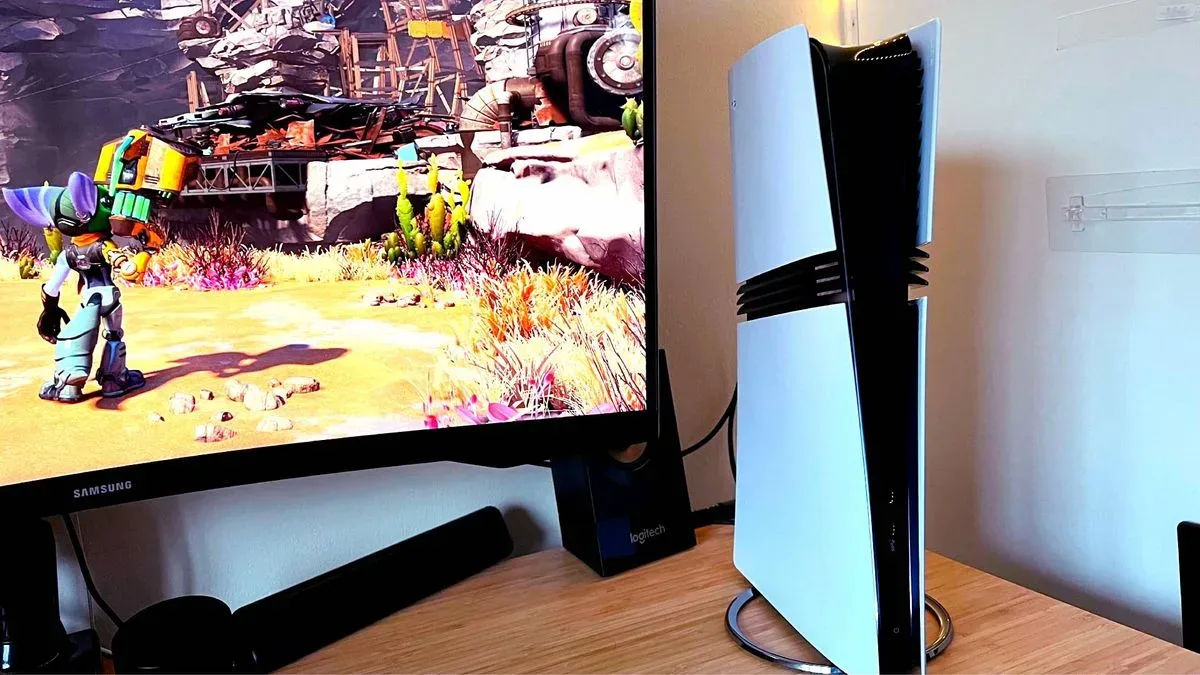
For some players, that reality has not resulted in surrendering to an all-digital future. Instead, it has renewed interest in the hardware and habits that keep physical games useful right now. The PS5 disc drive, particularly for owners of a PS5 Pro system that does not include one by default, has become a practical way to access existing collections, shop for used copies, and continue using a console as a movie player.
A disc drive is no longer an assumed console feature
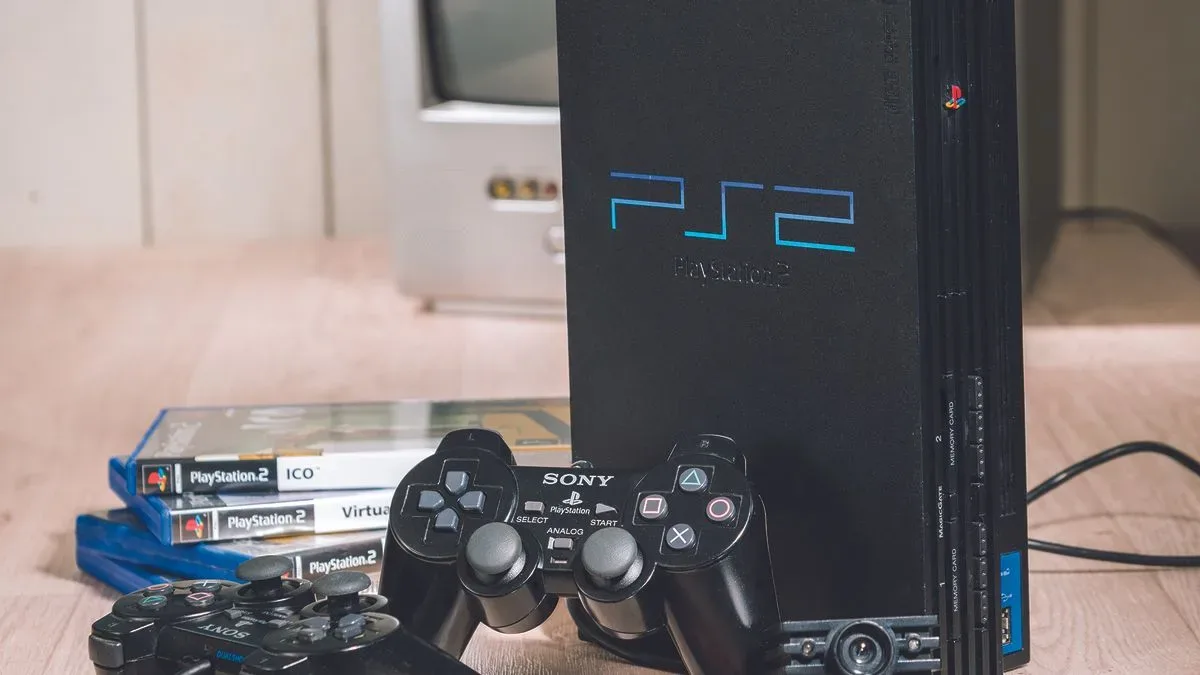
For many generations of console players, buying a machine capable of reading game discs was simply a given. From the original PlayStation and Xbox through the GameCube, Wii, PlayStation 4, and Xbox One, a disc slot was a standard part of the living-room console experience. Even cartridge-based systems made physical software feel fundamental rather than optional.
For useful background on this topic, read Pocketpair Says Terrain Digging and Underwater Areas Would Be Palworld 2-Scale Work.
That expectation can collide with the current PlayStation hardware lineup. A PS5 Pro purchase does not automatically include a disc drive, so a buyer who wants to use Blu-rays, older PS5 discs, or newly bought boxed games needs to make a separate hardware decision. It is easy to overlook that distinction when upgrading, especially for players who have spent years building primarily digital libraries on services such as Steam or the PlayStation Store.
But the added drive has value beyond game compatibility. It allows the console to play physical video media, including collector-oriented releases such as the 10th anniversary edition of Interstellar. In an entertainment landscape increasingly organized around subscriptions and digital storefronts, having a device that accepts media already owned can feel unexpectedly liberating.
The point is not that every player must return to buying discs. Digital distribution remains fast, convenient, and essential for a huge number of games. It supports instant downloads, patches, independent releases, and a vast catalog that would be difficult to stock in physical shops. For PC gaming especially, a large Steam library can be the most natural way to play. Still, the changing status of console disc drives is forcing players to think more carefully about what they give up when physical access is treated as an extra.
The used-game store still offers something digital storefronts do not
One of the strongest cases for a PS5 disc drive is the second-hand market. A trip to a local used-game shop can turn game buying from a search bar and a checkout button into an afternoon of discovery. Shelves of old and new software, hardware from multiple generations, DVDs, and CD-ROMs create opportunities that are increasingly rare in digital stores designed around algorithms, featured promotions, and current releases.
That experience can also be cheaper. One recent shopping trip yielded a used copy of Ghost of Tsushima for $35 plus two additional spontaneous game purchases. The total came to $79 for three games, only $3 more than a pre-order of Marvel's Wolverine. Prices will vary by location, game condition, demand, and retailer, but the comparison captures an enduring advantage of physical software: players can hunt for value instead of being limited to the price structure of a single digital platform.
Used copies make it possible for games to circulate. A player can buy a game, lend it to a friend or family member, trade it in, sell it, or donate it. These options are familiar to anyone who grew up visiting game shops without a particular title in mind, hoping a pre-owned case on a shelf might lead to a new favorite. Digital licenses do not generally offer the same flexibility, regardless of how easy they are to purchase.
There is also an emotional dimension that should not be dismissed as mere nostalgia. Opening a newly purchased case on the ride home, looking at the disc or cartridge, and flipping through whatever insert came in the box used to be part of getting a game. Modern packages rarely include substantial manuals, and many games need downloads or patches before they are fully ready. Even so, a physical case remains an object that marks an occasion. It can be displayed, revisited, shared, and remembered in a way a new tile in a digital library often cannot.
Ownership and preservation remain central concerns
The pushback against ending physical games is about more than collecting. Players worry about what happens when a title is delisted, when licensing agreements change, when a storefront closes, or when an account loses access. A disc is not a perfect solution to every preservation problem. Contemporary games can depend on updates, online services, and downloadable content. Some releases are incomplete without a connection. Nevertheless, a physical copy can provide a degree of independence from a storefront that a purely digital license cannot.
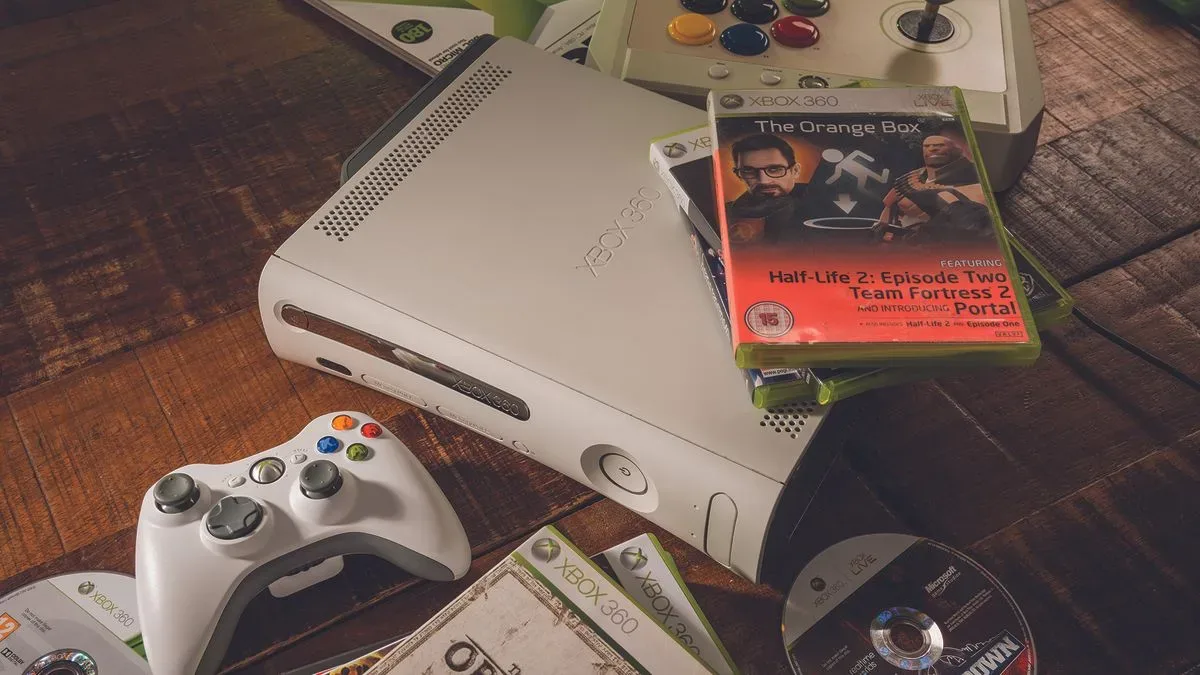
Older collections show why that distinction matters. Many households still have PC CD-ROMs, boxed expansion packs, Xbox games that are not compatible with current hardware, and media made for devices that are no longer part of everyday setups. A box full of The Sims 3 expansions is not immediately useful if the available computer has no disc drive. Original Xbox discs can sit unused when they are outside current backward-compatibility support. Physical ownership does not guarantee permanent access, but it preserves a connection between the player and the item that can sometimes be restored with the right hardware.
That is why used-game stores and collectors matter even to people who do not currently buy many discs. They maintain a practical archive of formats, accessories, and knowledge. They also preserve the possibility that an older game may still find a new player years after its publisher has moved on.
Digital convenience and physical choice can coexist
The physical-media debate is often framed as a battle between progress and nostalgia, but that framing is too simple. Digital games are not inherently bad, and physical releases are not automatically superior in every circumstance. Downloaded games are invaluable for convenience, accessibility, small-scale creators, and players who do not live near a specialist retailer. Meanwhile, physical editions take up space, can be damaged, and increasingly arrive with limitations in an era of mandatory updates.
The concern is about choice. A market where players can select either a download or a disc supports more ways to buy, play, lend, collect, and preserve games. Removing one option shifts more control toward platform holders and away from consumers. It also reduces the role of local shops, resale markets, and personal collections.
The reported 2028 end point for PlayStation physical games therefore makes today's purchasing decisions more meaningful. Owners who value discs may want to ensure their PS5 setup includes the necessary drive while it remains available. They may also want to revisit local retailers, check the condition and compatibility of their existing libraries, and consider which games they would most regret seeing become dependent on a digital storefront.
No individual purchase can reverse an industry-wide strategy on its own, and a boycott that barely moved usage figures demonstrates the limits of symbolic protest. But players still have agency in how they use the time before any physical-game transition takes effect. Buying a used title, maintaining a working console, lending a disc, or supporting a local shop are all ways to keep the format active in everyday life.
As PlayStation's future grows more digital, the appeal of the PS5 disc drive is becoming clearer. It is a small piece of hardware, but it represents access to a wider marketplace, a personal archive, and a style of game ownership that many players are not ready to leave behind.
Community
Discussion
Start the conversation.
No comments have been posted yet.