

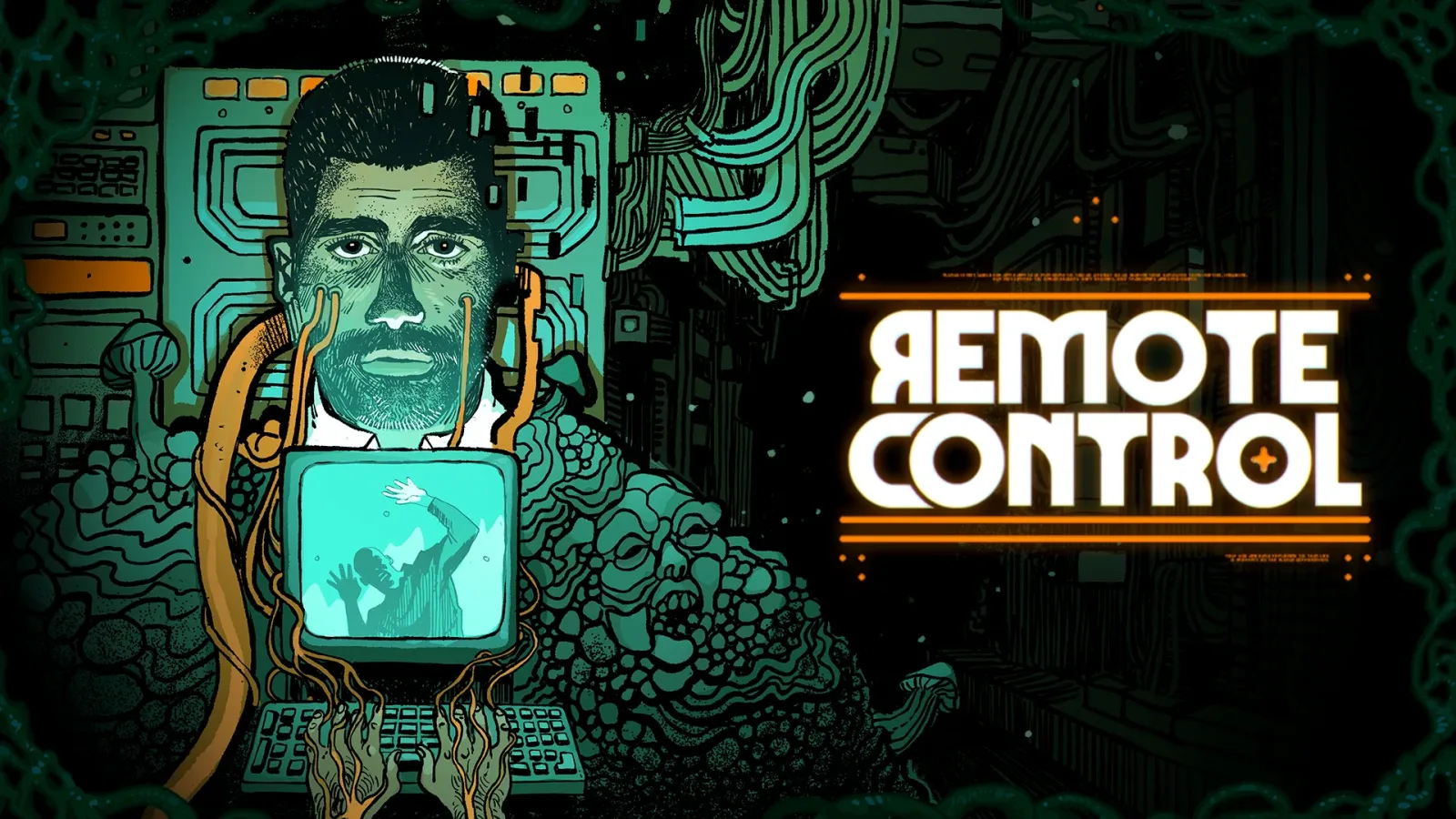
Remote Control, a science-fiction psychological horror game built around typed instructions and high-stakes decision-making, is set to launch for PC through Steam on January 29. Developed by Canteen Games, the game places players in the relative safety of a desk-bound command position while six human proxies enter a long-lost research ship called The Pelican.
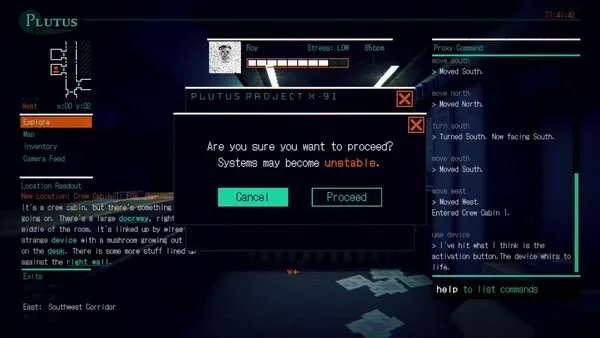
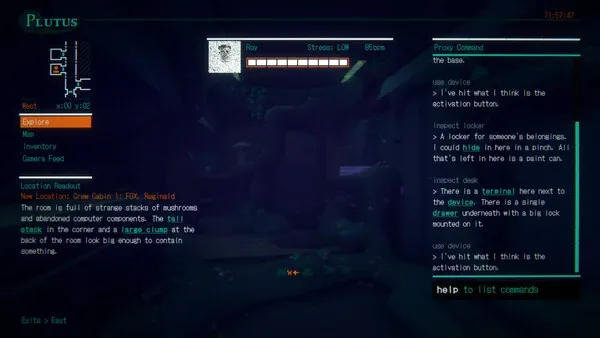
The setup turns distance into its own form of tension. Players are not described as directly walking through the abandoned vessel themselves. Instead, they observe and direct a team that must physically carry out each instruction. The people on board are the player's eyes and ears in a place that has been silent for a very long time, and every movement forward depends on the orders typed into the system.
That command-driven structure is the central hook of Remote Control. Exploration, evidence gathering, access to new sections of the ship, and the survival of the team all flow through the player's written directives. It is a horror premise that makes communication itself part of the pressure: the player has authority, but the proxies are the ones facing whatever remains inside The Pelican.
A Lost Ship Returns With Questions Attached
The Pelican is a research spaceship that disappeared long ago before mysteriously reappearing. Its return launches the game's investigation, with the proxy team sent inside to determine what happened to the ship and its crew. The crew is dead, leaving the protagonists to reconstruct events from the traces left behind.
For useful background on this topic, read Meta Quest 3S 128GB Drops to $297 With Standalone VR and Mixed Reality Features.
Remote Control frames that search as more than a simple recovery mission. The ship contains scattered logs, clues, and evidence that gradually expose a larger story involving blackmail, betrayal, and corporate greed. Players will need to connect those fragments while working through the practical dangers of moving deeper into a derelict spacecraft.
That combination gives the game two distinct mysteries to unravel. There is the immediate question of what happened aboard The Pelican, including why it vanished and why it returned. There is also the human story beneath the disaster: the relationships, pressures, and institutional interests that may have shaped the fate of everyone who once served on the vessel.
In a setting full of sealed rooms, lost records, and an absent crew, information becomes as important as access. Finding a clue may clarify a past event, but it may also open a new route through the ship. The game's progression is tied to investigation, asking players to gather evidence and unlock new areas instead of treating the spaceship as a straightforward linear corridor.
For another perspective on this story, read Remote Control Sets January 29 Steam Launch for Its Typing-Driven Sci-Fi Horror Mystery.
Typing Is the Interface Between Safety and Danger
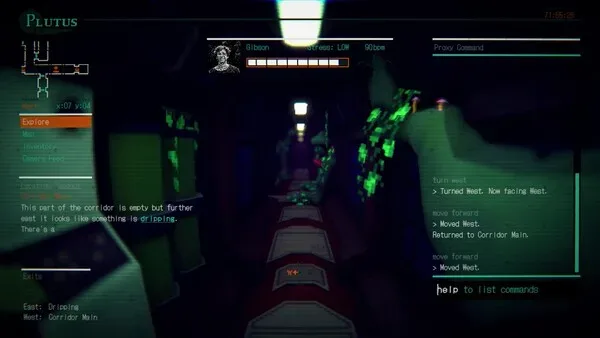
Remote Control begins with a limited collection of commands. As the investigation continues, players learn additional instructions, expanding the ways they can interact with the team and respond to the ship's challenges. The gradual growth of that command vocabulary appears to be a key part of the game's structure.
Rather than relying on constant direct character control, the experience emphasizes deliberate input. A proxy does not simply act because the player wants something done; the player must give a command and rely on that person to execute it. This approach can make even ordinary tasks feel consequential. A request to inspect, search, move, or otherwise proceed is not abstract when another person must enter the next darkened space to obey it.
The typed-command system also fits the game's remote-operational premise. The player is separated from the danger but not disconnected from responsibility. The desk offers physical safety, yet that safety comes with a difficult position of control. Every instruction is a choice about what risk another human being should take.
As new commands become available, players may gain more options, but additional tools need not make the situation simple. In psychological horror, knowledge and capability can increase dread as readily as they increase confidence. More ways to direct a team can mean more decisions to make, more possible mistakes, and more opportunities to discover something that cannot be easily explained away.
Six Proxies, No Replacements
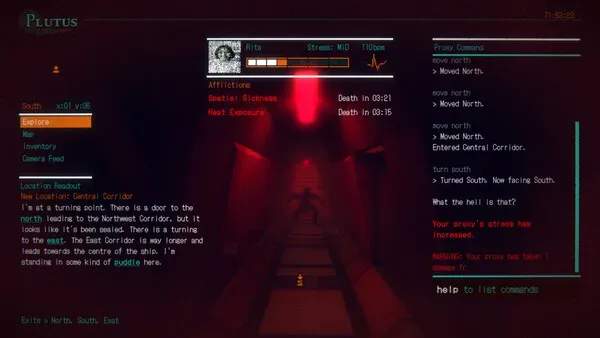
The team consists of six human proxies, and their lives are finite. Deaths are permanent, making each loss a lasting change to the investigation rather than a temporary setback. A proxy who dies will not return for a later attempt, and the consequences extend beyond the emotional impact of losing a member of the crew.
Since the proxies are the player's sensory link to The Pelican, losing one also means losing a participant in the mission. The remaining team must continue with fewer people available to investigate the ship, carry out instructions, and face whatever the next area contains. This creates a clear reason to treat exploration as a careful calculation instead of an exercise in reckless trial and error.
The proxies are not presented as silent drones. They can express fear and a desire to preserve their own lives, even as they continue to follow orders. That detail is especially important to the game's horror angle. The people sent into danger understand the threat, react to it, and may not want to continue, but the command structure still places the final direction in the player's hands.
Remote Control's premise places the player in a position of authority without removing the human cost of that authority.
The resulting tension should come from the gap between obedience and comfort. A player may need an answer that lies beyond a dangerous door, while the proxy asked to open it may be afraid of what is waiting there. The game's structure makes that fear part of the decision instead of background flavor.
Permanent loss also raises the stakes around incomplete information. Players cannot know every outcome before giving an instruction, particularly in a mystery designed around uncovering hidden events. Choosing whether to push forward, explore another route, or reconsider a situation can become a meaningful strategic decision when there are only six lives available from the start.
Psychological Horror Through Command Responsibility
Remote Control's horror does not rest solely on the imagery of an abandoned spaceship. The Pelican offers a familiar and effective sci-fi setting: a confined structure isolated from help, filled with unanswered questions, and marked by the deaths of its former inhabitants. But Canteen Games' command interface changes the player's relationship to that setting.
Many horror games make vulnerability immediate by placing the player's character face-to-face with danger. Here, the player is removed from the physical space, yet the distance does not eliminate vulnerability. It redirects it. The player must live with the knowledge that the people entering the ship act because they were told to do so.
This can turn a seemingly practical order into a moral one. Sending someone to investigate is necessary to make progress, but the situation may be frightening, uncertain, and potentially fatal. The game's psychological horror identity is rooted in that ongoing discomfort: control is available, but certainty is not.
The narrative themes of corporate greed, betrayal, and blackmail are likely to reinforce this atmosphere. Those ideas suggest that the tragedy aboard The Pelican may not be an accident in isolation. As evidence accumulates, players will be piecing together not only what happened, but also which forces and decisions put the crew in harm's way.
What to Expect on January 29
When Remote Control arrives on Steam for PC, players can expect an investigation-focused horror experience centered on exploration, evidence, typed orders, and irreversible consequences. Its core elements include:
- A remotely directed expedition into the reappeared research spaceship The Pelican.
- Typed commands that begin with a limited set and expand during the investigation.
- Six human proxies who provide the team's view and presence aboard the ship.
- Permanent deaths that make each decision and each loss carry forward.
- New areas to unlock through exploration and evidence gathering.
- Logs and clues that reveal a conspiracy-shaped story involving blackmail, betrayal, and corporate greed.
Remote Control's defining idea is simple but unsettling: being far away does not mean being free of danger's consequences. From a desk, players can issue the orders. Inside The Pelican, six people must live with them.
For fans of sci-fi horror, narrative mysteries, and games that turn interface design into part of the drama, the Steam release on January 29 will offer a distinctive kind of expedition. The path through the ship may be discovered one instruction at a time, but every command carries the possibility that the team will uncover a truth it cannot safely escape.
Community
Discussion
Start the conversation.
No comments have been posted yet.