

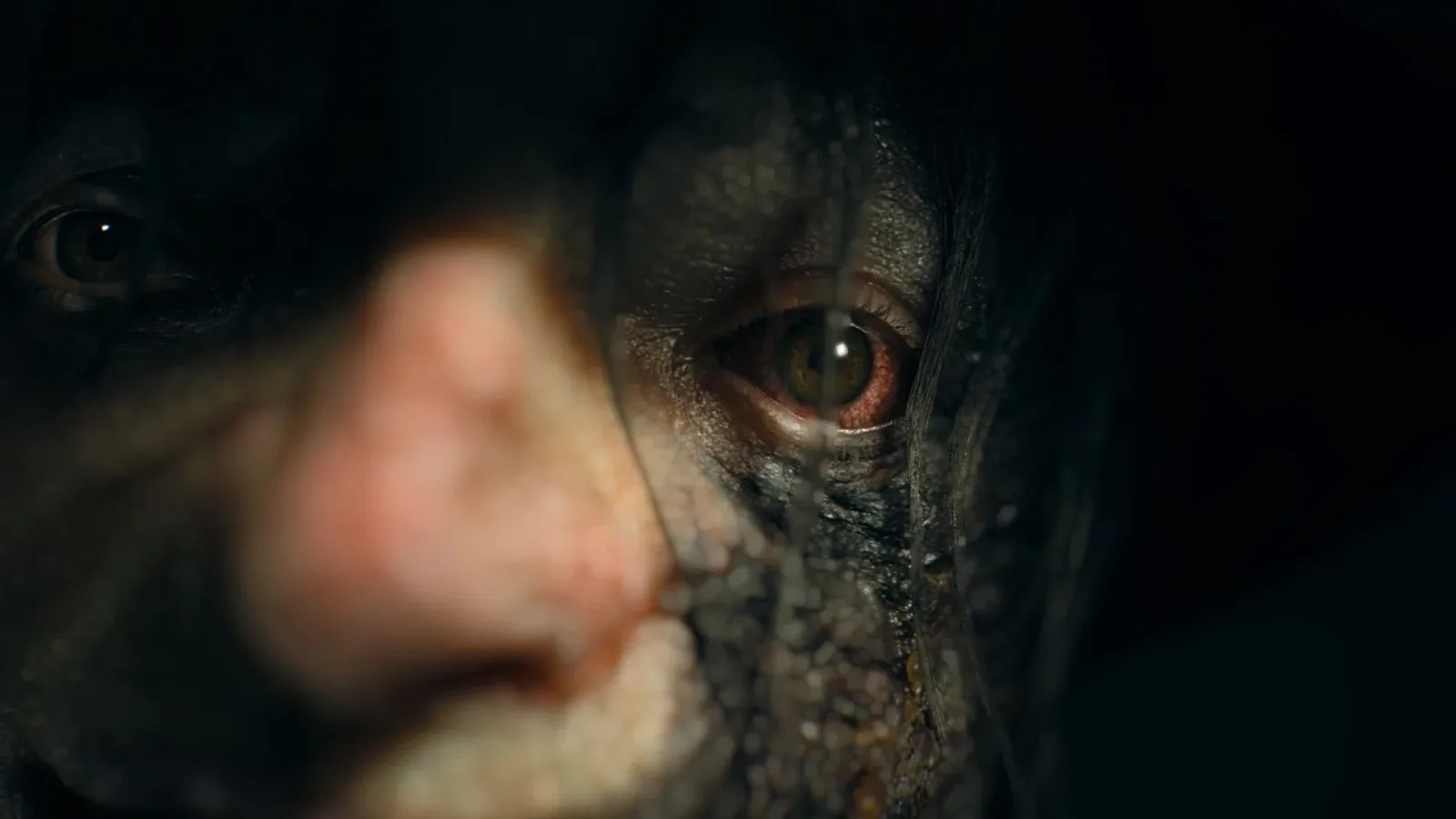
Ritual Tides is still without a release date, but Vertpaint's psychological horror project is already making an impression through its oppressive atmosphere, grotesque creature work, and a survival-focused approach that does not treat its protagonist as an action hero. Set in the fictional coastal settlement of Hortus, the game places players in the role of a woman who wakes on a beach with missing memories, then gradually exposes her to the place's disturbing past and her own connection to it.
Vertpaint creative director and CEO James Macleod has described the project as an especially dark story, one he felt compelled to pursue. The team's premise combines an isolated island mystery with a narrative shaped by danger, vulnerability, and the different ways people move through threatening spaces. It is a direction that gives Ritual Tides a potentially distinctive place among modern horror games, particularly as it draws on familiar survival-horror fundamentals without simply turning its lead into an unstoppable combatant.
Ritual Tides is currently planned for PC, PlayStation 5, and Xbox Series X. Its final launch window remains to be confirmed.
A coastal nightmare built around Hortus
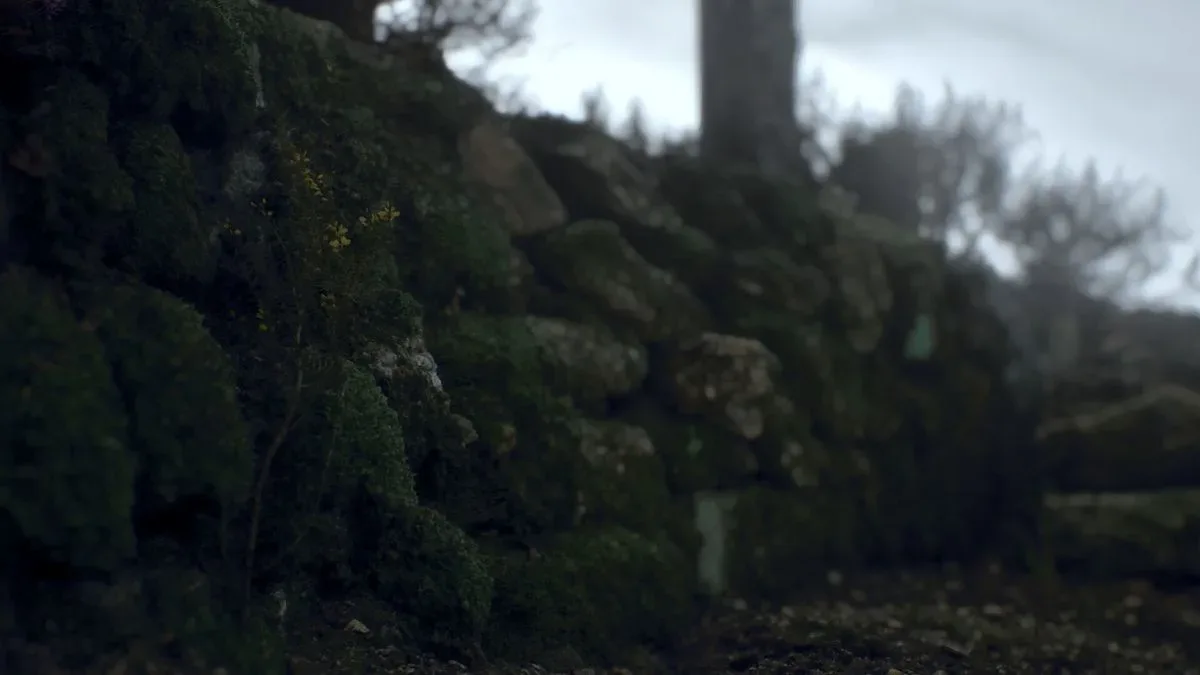
The first look at the game's playable environment presents Hortus as a bleak, grey shoreline swallowed by heavy fog. It is the kind of setting where visibility is limited, the horizon is uncertain, and every path seems capable of concealing something hostile. The game's first-person perspective brings players close to its damp rock faces, caves, beaches, and decaying coastal details, emphasizing physical proximity over cinematic distance.
For useful background on this topic, read Persona 4 Revival Is Being Built as a Full Persona 4 Golden Remake, Atlus Says.
That mood naturally recalls landmark psychological and survival-horror traditions. The foggy townscape and emphasis on a character's personal trauma suggest one lineage, while the close-up first-person viewpoint and grotesque biological horrors evoke another. Yet Ritual Tides does not appear to be chasing a simple nostalgia exercise. Its setting has a more maritime identity, with salt, cliffs, surf, and rough natural surfaces serving as important parts of both its visual language and gameplay design.
The story begins with an amnesiac protagonist on a beach, but the mystery is not framed as a light adventure. As she investigates the island's history and reconstructs parts of her own past, the discoveries become increasingly horrifying. Macleod has indicated that the material is particularly grim, especially in how it approaches the experiences and dangers faced by women.
A horror story informed by vulnerability
Rather than approaching fear only through monsters and shocks, Ritual Tides is rooted in a more everyday understanding of vulnerability. Macleod has spoken about conversations with his sisters that made him consider how differently women and men can assess risk in public spaces. A route through a dark alley, for example, may feel like a minor inconvenience to one person and an unacceptable threat to another.
That perspective appears central to the game's larger atmosphere. Ritual Tides is not merely about being trapped on an eerie island; it is about inhabiting a character who cannot assume that darkness, isolation, or an unfamiliar route will be safe. Horror games regularly ask players to enter dangerous locations, but Vertpaint's concept seems interested in the emotional and social realities beneath that familiar setup.
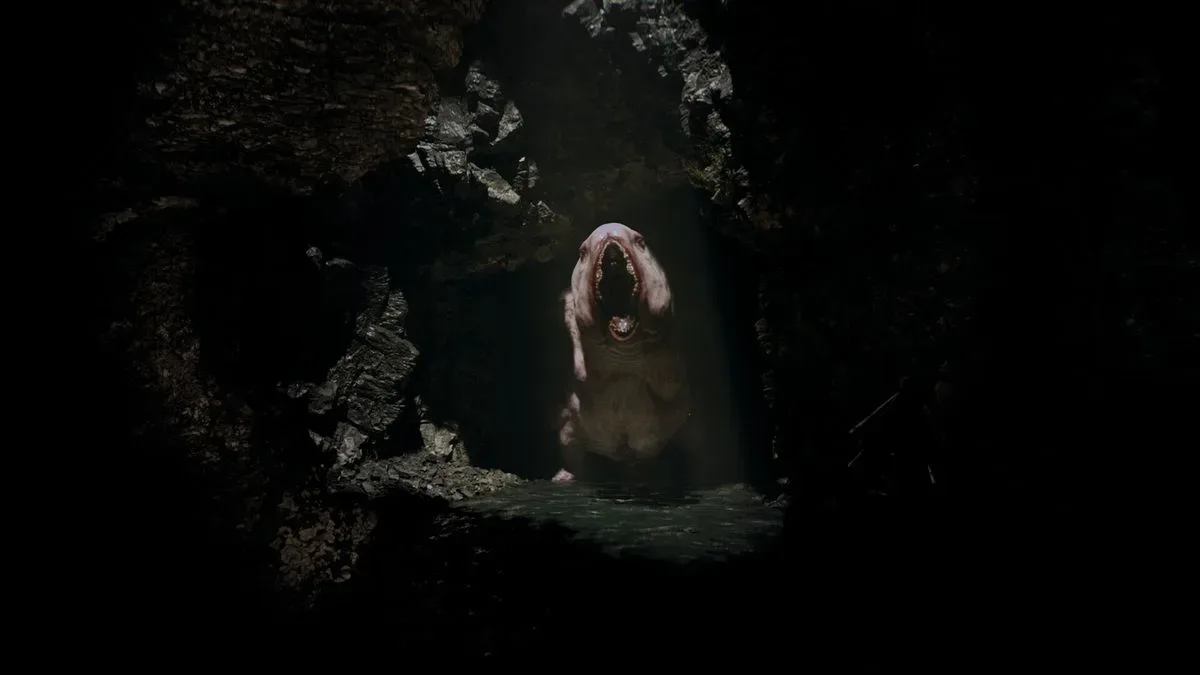
Body horror is also likely to be a major component. One of the game's showcased creature designs, called Agnes, is an elaborate hand-painted statue combining insectile, larval, and deeply unsettling human-adjacent qualities. The effect is intentionally repulsive but artistically detailed: a creature that feels less like a conventional enemy design and more like something shaped by biological anxiety and nightmare logic.
This focus aligns Ritual Tides with a broader renewed interest in female-centered body horror across games and other media. The subject can be powerful because it turns physical change, social pressure, danger, and loss of control into literal visual horror. Vertpaint has not outlined every theme or plot point, but the early material suggests that its monsters are meant to support the game's ideas rather than exist solely as combat targets.
Survival before firepower
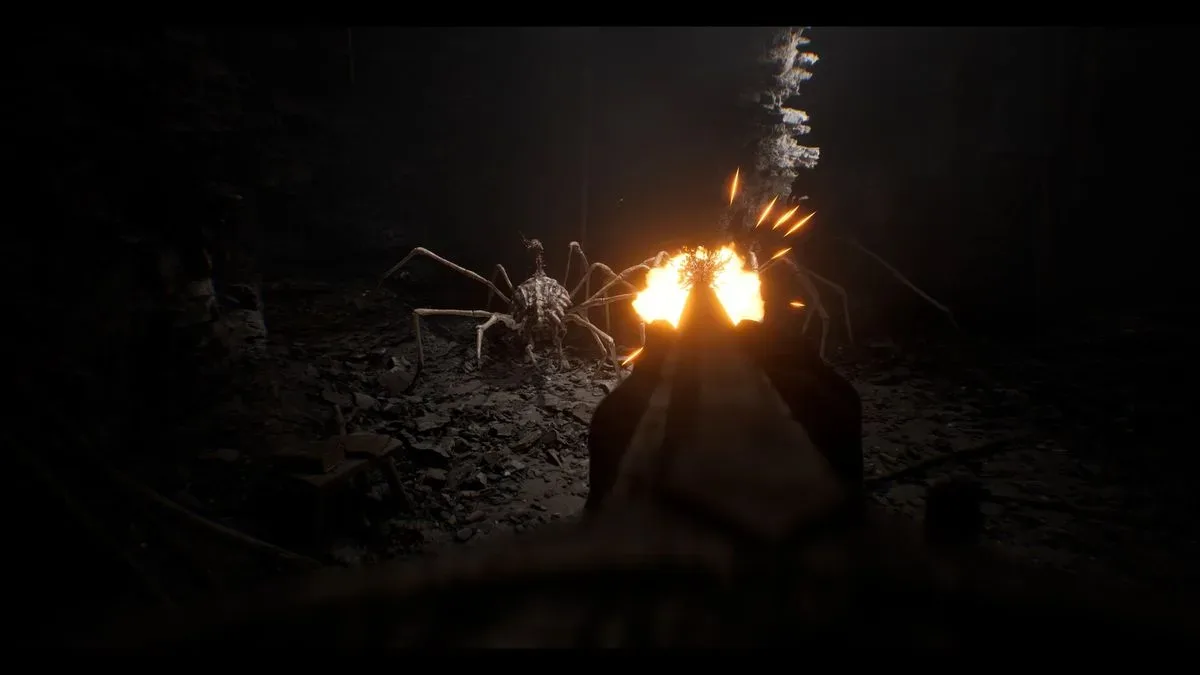
Combat in Ritual Tides is designed around limitation. The protagonist can use melee weapons and firearms, but the intended answer to many encounters is reportedly to escape rather than stand and fight. That is a meaningful distinction in a genre where resource management often exists alongside increasingly capable protagonists.
Vertpaint's lead character is not presented as trained military personnel. If she finds a large, heavy firearm, she handles it as an ordinary person would, with physical weight and difficulty rather than effortless one-handed control. The weapons are said to have substantial recoil, reinforcing the notion that firing a gun is not a clean power fantasy. It is an awkward, forceful, and potentially desperate act.
Melee gear will not last forever, either. Ritual Tides includes weapon durability, placing further pressure on players to think carefully about when a confrontation is worth the cost. In a game built around an unknown island and a vulnerable protagonist, a bat or similar tool is not a permanent solution to every monster in the road. It is a short-term option that may fail when it is needed most.
That structure could make the game's hostile creatures more intimidating. A large insectoid enemy can be beaten, but doing so may consume time, damage equipment, attract danger, or leave the player less prepared for whatever waits further along the coast. Retreating, avoiding detection, or choosing another route may be the smarter choice. The strongest survival horror often comes from exactly that tension: not whether players have a weapon, but whether using it is truly wise.
Climbing that makes every movement feel physical
One of Ritual Tides' more unusual systems is its climbing mechanic. Scaling a surface involves using the left and right triggers to grip and release individual handholds. Instead of reducing climbing to a single automatic animation, the system asks players to participate in the act of pulling themselves up a cliff face or navigating a rocky obstacle.
It is a small feature with major atmospheric potential. In a horror game, adding direct control to a precarious movement can create anxiety without a monster even being present. A steep rock wall becomes a problem of coordination and attention. A climb out of a cave can feel like a struggle. If danger is nearby, every decision to hold on, shift position, or let go can become more stressful than simply pressing a button and watching the character climb.
The mechanic also supports the setting. Hortus appears to be built from uneven coasts, caves, boulders, and natural pathways rather than only hallways and locked doors. Traversal through this environment should feel like navigating a hostile physical place, not merely moving between combat arenas. That is an especially promising match for an island horror story, where the landscape itself can become part of the threat.
Environmental guidance without the usual visual shorthand
Ritual Tides also seems to be seeking subtler ways to direct players. In the preview build, climbable rocky surfaces were identified through pale, chalk-like traces left on stones and boulders. The marks are presumed to be sea salt, creating an in-world explanation for a visual cue that might otherwise feel artificial.
Clear navigation language is necessary in a dense first-person game, especially one with detailed scenery and limited interface elements. But overt indicators can disrupt immersion when they do not belong to the world. By using residue that plausibly fits the shore environment, Vertpaint is attempting to preserve readability while letting the environment retain its natural, weathered look.
The game uses a sparse HUD, further pushing attention toward the scenery, soundscape, weapon handling, and physical details around the player. Early impressions have highlighted the photorealistic textures and the care given to rocks, coastlines, cave surfaces, and other elements of the setting. That detail matters in psychological horror: when a place looks credible enough to touch, its strange details become harder to dismiss.
A rough build, but a clear creative identity
The playable version shown was a level-design build used after a separate demo encountered technical problems. That naturally means the experience should not be taken as a complete representation of the final product. Temporary issues, possible extra enemy spawns, and unfinished presentation are all normal considerations when a game is still in development.
Even so, the build appears to have communicated Ritual Tides' central identity effectively. Its horror is not dependent on a polished reveal trailer or a perfectly controlled demo sequence. The key elements were already visible: the oppressive fog, the isolated coast, the tactile climbing, the heavy weapons, the emphasis on fleeing, and the grotesque creature designs.
That is encouraging for a project still making its way toward completion. Atmosphere can be difficult to demonstrate early, but Ritual Tides seems to have a strong grasp on what it wants players to feel: exposed, physically constrained, uncertain of their surroundings, and deeply uneasy about what their discoveries will reveal.
There are still plenty of unanswered questions. Vertpaint has not confirmed a release date, and the full extent of the game's combat, exploration, puzzles, enemy variety, and narrative structure remains under wraps. But Ritual Tides already has the makings of a compelling survival-horror prospect. If the finished game can sustain the tension of its fogbound shores while delivering on its darker themes, Hortus may become one of the genre's most memorable new locations.
Community
Discussion
Start the conversation.
No comments have been posted yet.