

Valve has opened nominations for the 2026 Steam Awards, marking the 10th edition of the annual community-voted celebration. This year's event includes a special new category, the Hall of Fame Award, which asks Steam users to select a favorite from a group of ten previous Steam Game of the Year winners.
It is a straightforward premise on paper: gather a decade of top winners and invite players to decide which one deserves an additional honor. But the nominee list also highlights an unusual part of Steam Awards history. The event did not originally have a conventional Game of the Year category during its first two years, yet Grand Theft Auto 5 and The Witcher 3: Wild Hunt are being treated as the Game of the Year representatives for 2016 and 2017.
Both games are enormously influential releases with no shortage of critical and player acclaim behind them. Still, neither was voted into a Steam Game of the Year category at the time. In fact, the PC version of Grand Theft Auto 5 and The Witcher 3 both arrived in 2015, before the Steam Awards had even begun. Their presence in the Hall of Fame is the result of Valve using winners from the awards' earlier, more playful category structure as proxies for those missing yearly Game of the Year selections.
A decade-spanning Steam Awards vote
The 2026 Steam Awards nomination period arrives with the Hall of Fame concept as a way to look back across the event's history. Instead of focusing only on the latest releases and updates, the category puts prior annual champions in direct competition. That naturally creates a heavyweight lineup, with modern award winners standing alongside games that have shaped PC gaming for years.
For useful background on this topic, read tinyBuild CEO Says Strong Game Feel Is the Best Defense Against AI Copycats.
Among the notable titles now sharing the same ballot space are Grand Theft Auto 5, The Witcher 3: Wild Hunt, Elden Ring, Baldur's Gate 3, and Hollow Knight: Silksong. The exact appeal of a Hall of Fame vote is that it is not limited to a single release year's trends. Players can weigh enduring influence, personal favorites, ongoing communities, replay value, memorable worlds, or simply the game they feel made the biggest impact.
Steam Awards voting has always been especially community-driven, and that can make a category such as this less predictable than a traditional industry awards panel. Popularity, cultural staying power, and the habits of Steam's active audience can matter as much as launch-year consensus. The result is an invitation to revisit games that may be separated by many years, different design philosophies, and very different eras of the PC market.
However, the inclusion of two retroactively assigned Game of the Year slots makes this particular retrospective a little more complicated than it first appears.
Why GTA 5 and The Witcher 3 are counted as Game of the Year winners
When the Steam Awards started, Valve leaned heavily into unconventional categories rather than the familiar slate of Game of the Year, Best Narrative, or Best Art Direction-style awards. Those early categories often had humorous names, but they still celebrated qualities players value: spectacle, memorable mechanics, player choice, and games that surpassed expectations.
Grand Theft Auto 5 won the 2016 award called "Whoooaaaaaaa, dude!" That category was intended for games able to deliver overwhelming, face-melting moments. The wording was deliberately unserious, yet the win reflected the enormous impression Rockstar's open-world blockbuster made on its audience.
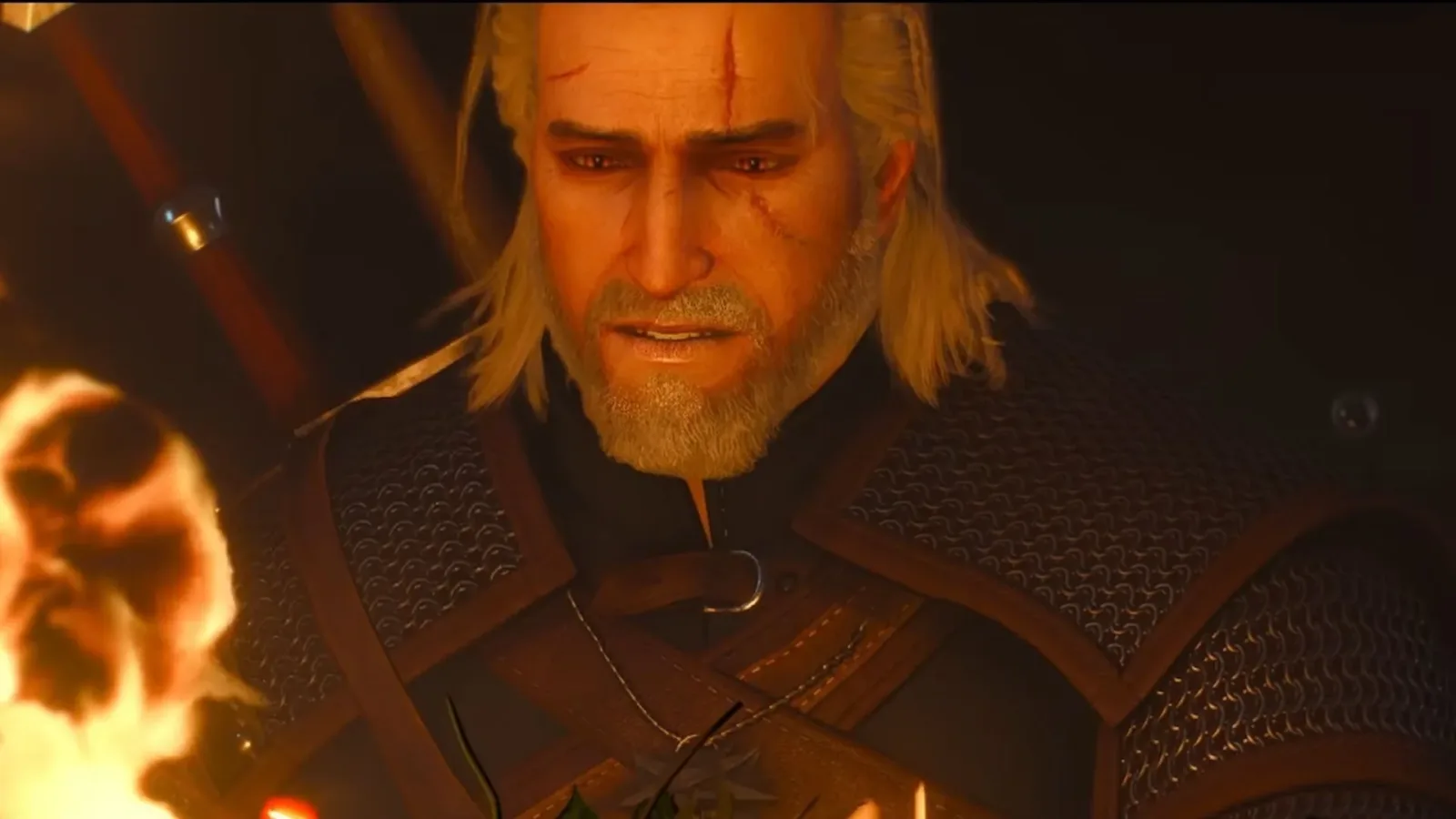
The following year, The Witcher 3: Wild Hunt won the "Choices Matter" award, a category focused on player agency. CD Projekt Red's fantasy role-playing game was a natural fit. Its branching quests, difficult decisions, and emphasis on consequences were central to its reputation, while its vast world and acclaimed expansions helped make it one of the defining RPGs of its generation.
Valve has explained in a FAQ accompanying the 2026 nomination announcement that it used these awards as proxies for the missing 2016 and 2017 Game of the Year designations. In practical terms, GTA 5 and The Witcher 3 have been elevated into the annual winner sequence so that the Hall of Fame can feature ten representatives rather than leaving the early years unaccounted for.
That decision has an understandable logic. A 10th-anniversary category built around prior Game of the Year winners benefits from having a full decade of entries. Both games are certainly plausible candidates for any broader list of major Steam-era titles. Yet it also means their Hall of Fame eligibility comes from a retrospective classification, not from winning a Game of the Year vote when the awards were first held.
The oddities of Steam's early category format
The proxy approach also opens the door to an obvious question: why these particular category winners? The early Steam Awards had no shortage of options, including awards that arguably could have functioned as closer equivalents to a traditional yearly top prize.
For 2017, one potential alternative was "Whoooaaaaaaa, Dude! 2.0", which was won by The Evil Within 2. Another was the "Even Better Than I Expected" award, won by Cuphead. The latter is particularly notable because it was explicitly designed around games released in 2017, whereas The Witcher 3 was a 2015 game recognized later for the strength of its player-choice systems.
None of that diminishes The Witcher 3's stature. It remains a landmark RPG and one of the most widely celebrated games available on Steam. Likewise, Grand Theft Auto 5's scale, technical ambition, and lasting multiplayer presence make it hard to dispute its status as a major PC release. The issue is not whether either game is worthy of recognition. It is that the new Hall of Fame framing makes Steam's improvised early awards structure suddenly matter in a more formal way.
At the time, a quirky award name was simply part of the charm. Years later, those categories have become historical evidence used to fill in a record that did not yet exist. It is a reminder that game awards, even player-voted ones, often develop their traditions as they go.
Heavyweights from different eras meet on one ballot
The unusual backstory does add a fun dimension to the Hall of Fame field. Grand Theft Auto 5 and The Witcher 3 are now positioned beside later Steam Game of the Year winners such as Elden Ring and Baldur's Gate 3, as well as Hollow Knight: Silksong. These are titles associated with different communities and different definitions of success.
- Grand Theft Auto 5 represents the long-running appeal of a giant open world and an online ecosystem that has remained active for years.
- The Witcher 3: Wild Hunt stands for expansive single-player storytelling, consequential quests, and a richly realized fantasy setting.
- Elden Ring reflects the global impact of challenging exploration-driven action RPG design.
- Baldur's Gate 3 demonstrates the continued demand for deeply reactive role-playing systems and cooperative adventure.
- Hollow Knight: Silksong brings a newer entry into a ballot shared with games that have had far more time to establish their legacies.
A vote between these games is unlikely to settle any meaningful question about which one is objectively "best." Their audiences overlap, but not completely, and each has distinct strengths. That is precisely why the category is likely to inspire lively debate among Steam users. Retrospective awards invite players to compare memories and long-term impact, not just review scores or launch-week excitement.
A celebration with room for argument
Every awards season creates discussions about nominees, missing games, eligibility rules, and whether one category should carry more weight than another. The Steam Hall of Fame Award has arrived with an especially interesting rulebook wrinkle because it has effectively rewritten part of the event's early Game of the Year history.
Valve's solution ensures that the first decade is represented as a complete set, and it places two beloved games back into the spotlight. For fans of GTA 5 and The Witcher 3, the decision offers another opportunity to celebrate titles that remain enormously important to PC players. For those more interested in the awards' technical history, it is a chance to revisit the loose and humorous origins of the Steam Awards.
Ultimately, the Hall of Fame category is not a historical archive in the strictest sense. It is a community celebration built around games that have already proven their popularity. Whether players favor an older open-world giant, a choice-driven fantasy epic, an action RPG phenomenon, a tabletop-inspired adventure, or a newer indie favorite, the 2026 Steam Awards are inviting them to make that choice.
And if the nominee list prompts arguments over whether a "Whoooaaaaaaa, dude!" trophy should count as an unofficial Game of the Year crown, that may be fitting. Steam's awards have always left room for both sincere appreciation and a little bit of chaos.
Community
Discussion
Start the conversation.
No comments have been posted yet.