

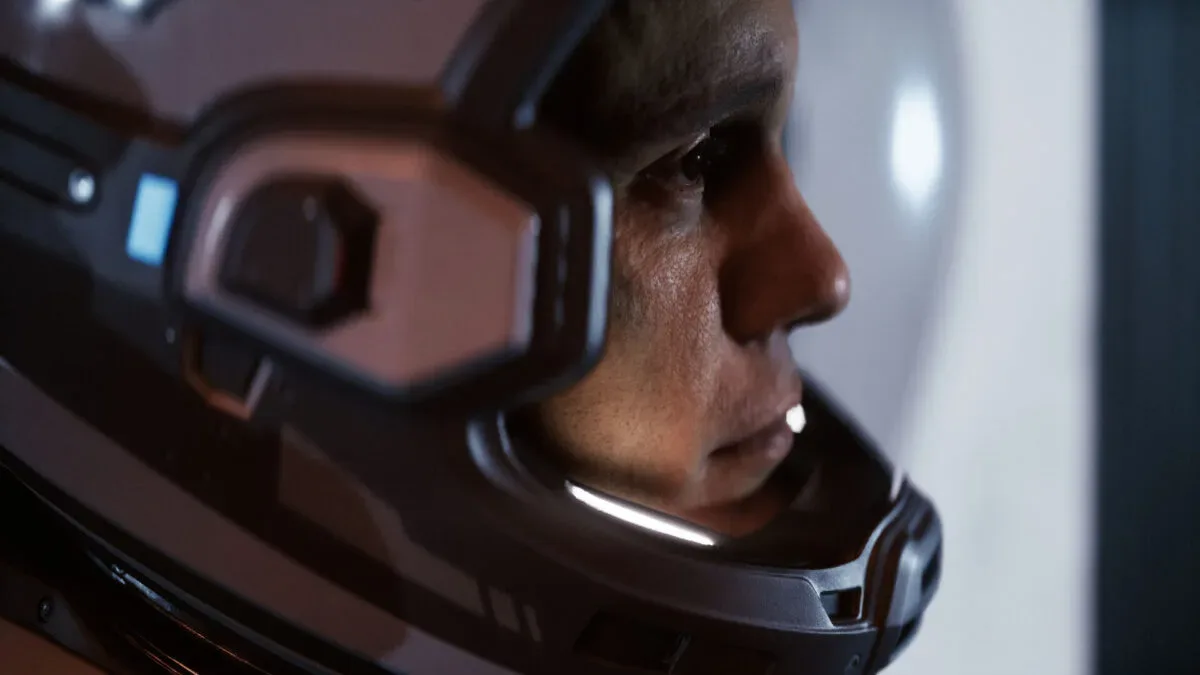
Supermassive Games has reduced its workforce by more than 70 people, less than six months after the release of its science-fiction horror game Directive 8020. The cuts affect staff across numerous disciplines, including development, art, production, quality assurance, operations and other areas of the studio.
The scale of the reduction was shared publicly on October 5 by Frank Tindle, Supermassive's departing IT and Facilities Director and a member of its senior leadership team. Tindle said he had joined the company in 2010, when he effectively constituted its entire IT department, and was leaving after 16 years as part of the broader round of departures.
"It isn't just me leaving today," Tindle wrote. "More than 70 brilliant people are leaving Supermassive: developers, artists, producers, QA, operations and more."
Embedded X/Twitter post
He encouraged companies with open roles to get in touch, saying he would be willing to introduce prospective employers to affected colleagues. The message also reflects just how substantially the studio expanded during his tenure. Tindle said Supermassive had grown from a small group into a company of more than 400 people, making the current reduction a significant moment for a team that had built a sizable presence in narrative-focused horror games.
For useful background on this topic, read Ubisoft Calls Watch Dogs Important, but No New Game Appears to Be in Development.
A previously announced restructuring
While the affected employees were confirmed this week, Supermassive had warned in August that layoffs were coming. At that time, the company described the planned reduction as a necessary move intended to support its long-term sustainability. The latest departures appear to be the outcome of that process.
Layoffs have continued to shape the games business across studios of varying sizes, from independent teams to major publishers and platform holders. In Supermassive's case, the news arrives at a particularly visible point in its release cycle. The company launched Directive 8020 earlier this year, adding another game to its established catalogue of cinematic, choice-driven horror experiences.
That timing does not necessarily establish a direct link between the game's commercial performance and the restructuring. The studio's earlier statement framed the decision around company sustainability, and no additional explanation connecting the layoffs to a specific project has been provided. Still, a large workforce reduction shortly after a new release underscores the difficult economics surrounding premium, narrative-heavy games, even for studios with a recognizable genre identity.
Directive 8020's uneven reception
Directive 8020 takes Supermassive's branching-horror format into a science-fiction setting. Like the developer's earlier games, it centers player choice, dramatic outcomes and the possibility that characters may live or die depending on decisions made throughout the story. The game contains moments of effective horror, but its reception has been mixed, including on Steam.
Criticism has focused in part on the writing, while the absence of online co-op at launch also became a notable issue. Multiplayer has been an important component of how many players experience Supermassive's games, whether they are passing choices between friends in the same room or sharing a horror story remotely. Launching without the online option created a gap between the intended social appeal of the format and the features immediately available to players.
Supermassive announced only last week that online multiplayer is expected to arrive in an update sometime in October. That patch would land nearly five months after Directive 8020 launched. The delayed feature may improve the game's appeal for players who prefer cooperative or group-based horror sessions, though it also arrives during a period of major internal change for the studio.
The situation illustrates a familiar challenge for games built around ongoing player discussion and replayability. A patch can meaningfully improve the experience and give potential buyers another reason to look at a release, but the first months after launch are often crucial for establishing momentum. Mixed impressions and missing expected features can be difficult to reverse once early conversation has settled.
A studio defined by interactive horror
Supermassive is best known for horror games structured around consequential player decisions. Its projects invite audiences to guide a cast through dangerous situations, with branching scenes and diverging character fates encouraging replays. The format has helped the developer establish a distinct niche: games that combine cinematic presentation with group-friendly decision making and genre storytelling.
Among its recent releases are The Quarry, released in 2022, and The Casting of Frank Stone, released in 2024, alongside entries in The Dark Pictures Anthology. Those games have not always earned universal critical acclaim or become blockbuster hits, but they have regularly found an audience among players drawn to interactive horror. That audience has given Supermassive a clear identity in a market where many studios move between genres and project types.
There is value in that specialization, but it also creates pressure. Choice-driven horror games can demand extensive writing, performance work, animation, cinematic production and testing because of the many possible routes through a story. Quality assurance becomes especially important when a game contains a large number of branches, states and outcomes. The fact that the layoffs include people across creative, technical and operational roles demonstrates that the impact extends beyond any single department.
For the employees leaving, Tindle's public message is a reminder that a layoff is not a judgment on individual talent. He specifically characterized the departing workers as highly capable people and highlighted the breadth of their skills. Developers, artists, producers and QA specialists all bring different expertise to game production, and the next destinations for those workers could spread that experience throughout the industry.
Until Dawn continues elsewhere
Supermassive's most widely recognized horror title remains Until Dawn, the PlayStation franchise that helped define the studio's reputation for cinematic, decision-led scares. A sequel is planned for 2027, but Supermassive is not handling that follow-up. Development has been assigned to PlayStation studio Firesprite.
That detail matters because it separates the future of the franchise from Supermassive's immediate internal position. The company's legacy is closely tied to Until Dawn, but the announced sequel will not provide a direct indication of what Supermassive itself is making next. The studio has not outlined a new project in connection with the layoffs, and there is no confirmed information about how its development plans may change following the reduction.
For fans, the most immediate game-related development remains the promised online multiplayer update for Directive 8020. For the studio, however, the larger story is the loss of more than 70 employees during a period when it is attempting to maintain sustainability after another major release.
What comes next for Supermassive
Supermassive's announcement in August made clear that leadership viewed the restructuring as necessary for the company's future. Whether the reduced team will continue on the same scale of cinematic horror production, alter its approach to multiplayer and release support, or move toward a different production model remains unknown.
What is clear is that the affected staff leave with experience from a studio that has spent years making technically and creatively demanding interactive stories. The public call for potential employers to contact Tindle may help connect those workers with new opportunities, but it does not lessen the disruption that comes with a reduction of this size.
The coming months may offer a clearer view of Supermassive's direction. The October multiplayer patch for Directive 8020 is still expected, while the studio's longer-term slate has not been detailed. Until then, the layoffs stand as a difficult post-launch development for one of horror gaming's most identifiable specialist teams.
Community
Discussion
Start the conversation.
No comments have been posted yet.