

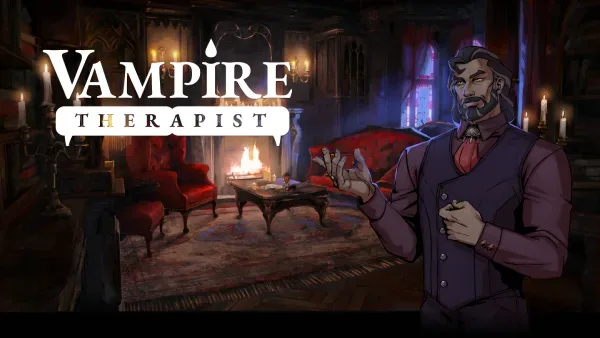
Vampire Therapist, the BAFTA-nominated visual novel from Little Bat Games, is now available for iOS and Android devices. The mobile release gives players a new way to step into the role of an undead counsellor, helping centuries-old vampires confront their fears, habits, anxieties, and long-held distortions through conversations grounded in real therapy concepts.
The game first launched on PC in 2024 before expanding to Nintendo Switch, Xbox, and PlayStation in February 2026. Its move to mobile includes the base game, every free content update released so far, and the Couples Therapy DLC pack. The iOS and Android editions have also been adjusted for touch interfaces, adapting the experience for players working through dialogue and activities on phones and tablets.
A free download is available through the App Store and Google Play. That download provides access to the tutorial and the first two full therapy sessions, letting curious players get a sense of the game's unusual mix of visual-novel storytelling, comedy, historical characters, and therapeutic discussion before progressing further.
A vampire gunslinger trades violence for listening
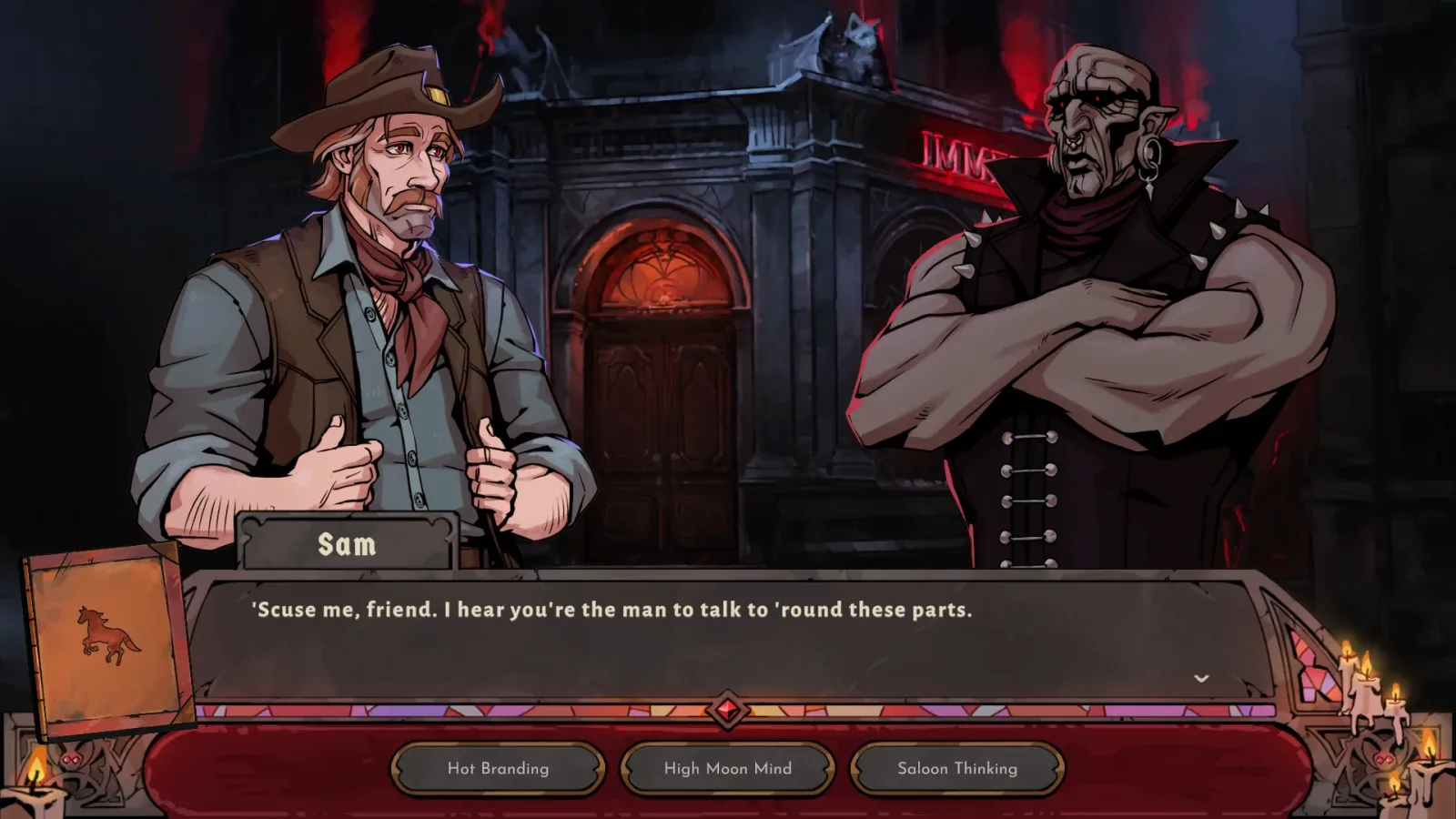
Vampire Therapist begins from a deliberately unexpected premise. Players take on the role of a reformed gunslinger vampire from the Wild West, a former killer attempting to build a more constructive existence. Rather than settling disputes with firearms, the protagonist is learning how to guide fellow vampires through the emotional consequences of immortality.
For useful background on this topic, read Scott Pilgrim and Ramona Flowers Are Heading to Fortnite's Shop This Week.
That responsibility means sitting down with clients whose problems have had a very long time to worsen. The people seeking help are vampires, but their struggles are recognizable: destructive thinking patterns, shame, grief, loneliness, anger, fear, relationship trouble, and difficulty seeing their own circumstances clearly. Immortality provides the game with a comic and historical angle, while the sessions are structured around the idea that even supernatural clients may need help challenging the stories they tell themselves.
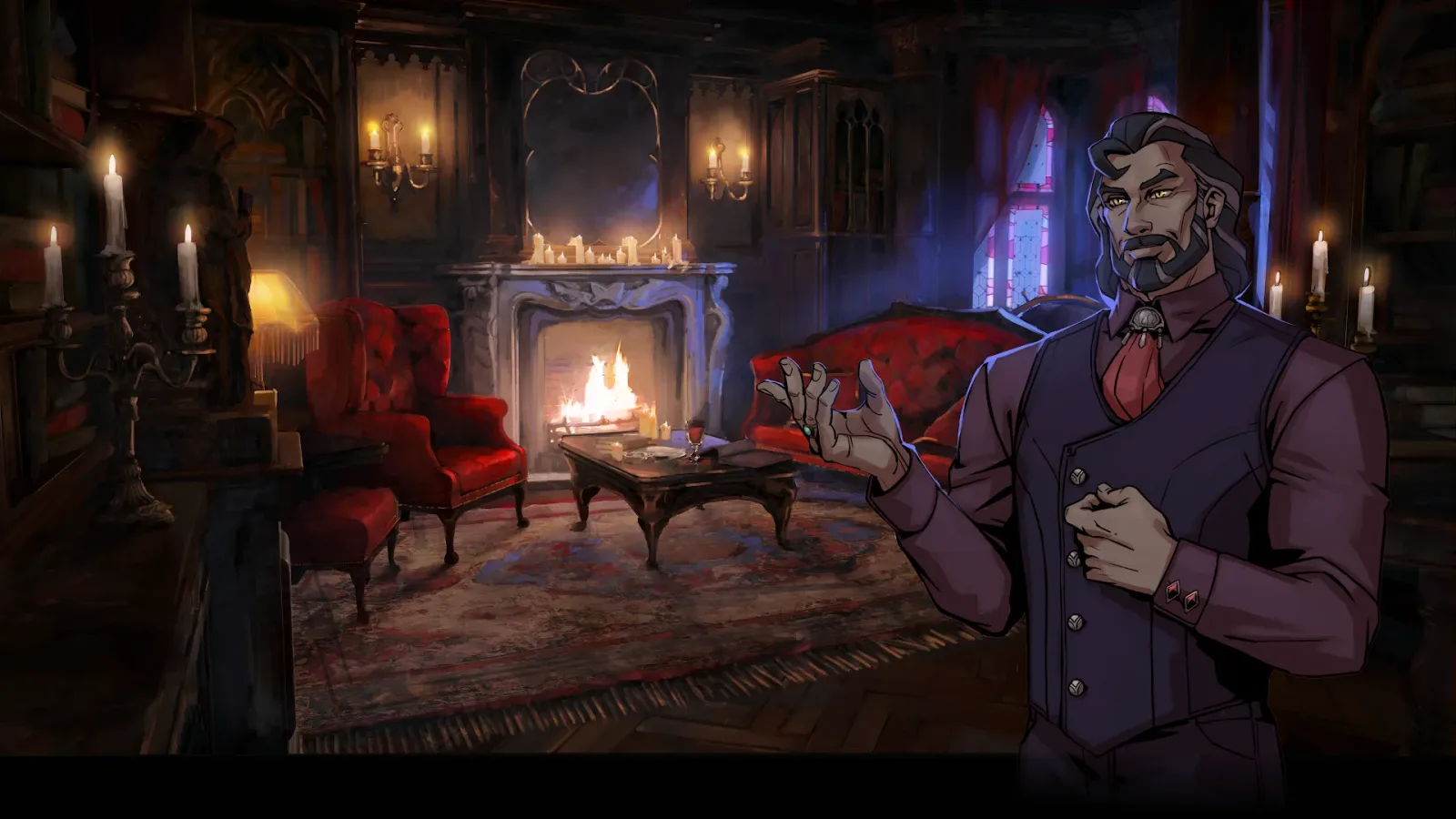
The protagonist does not enter this work alone. Their training comes from a vampire therapist said to be 3,000 years old, operating from an office above a European goth nightclub. It is a setting that signals the game's willingness to be playful and theatrical, but it also creates a central contrast: sincere conversations about mental wellbeing unfolding amid fangs, nightlife, ancient grudges, and the absurdity of living forever.
Therapy concepts at the heart of the gameplay
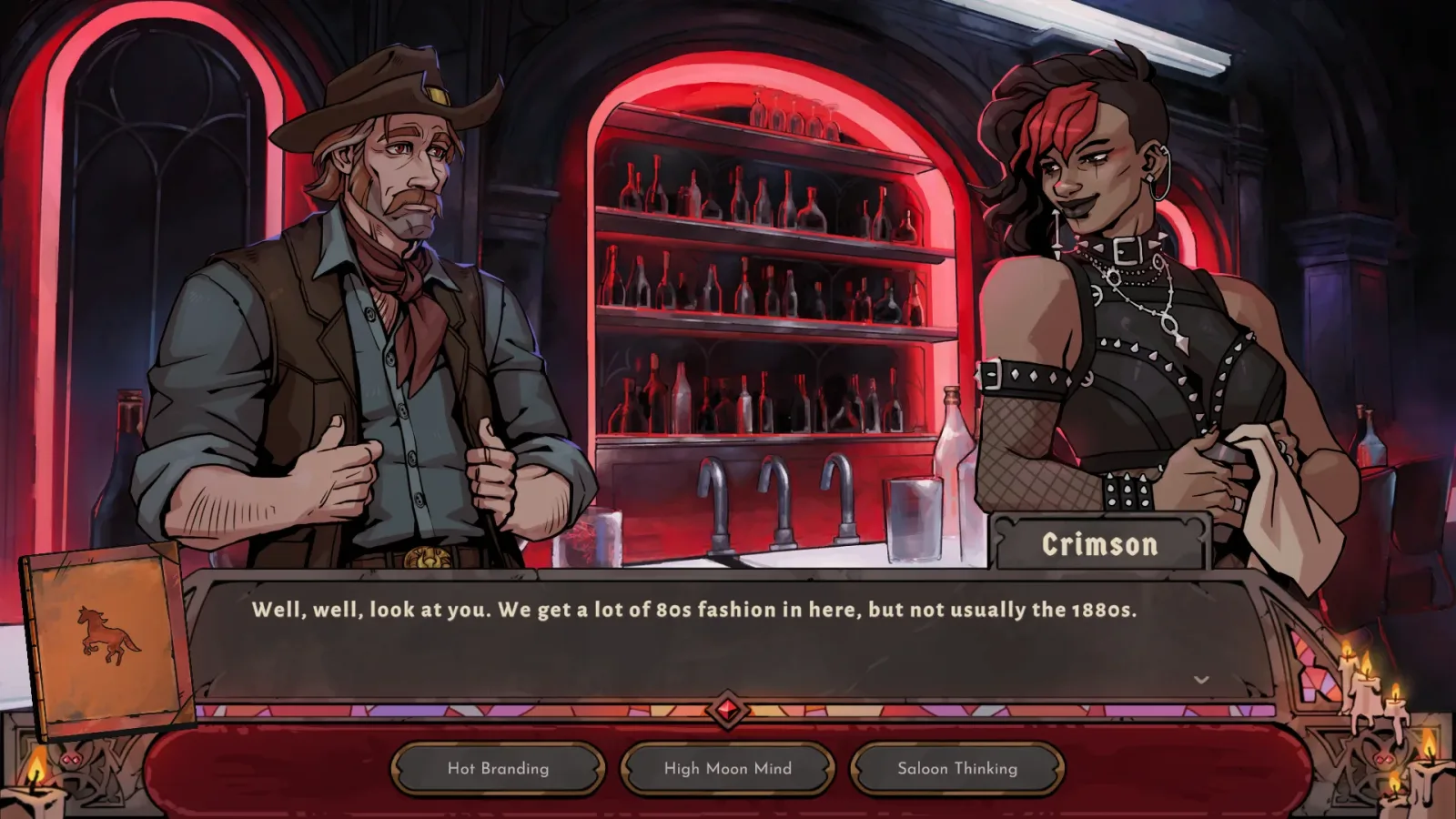
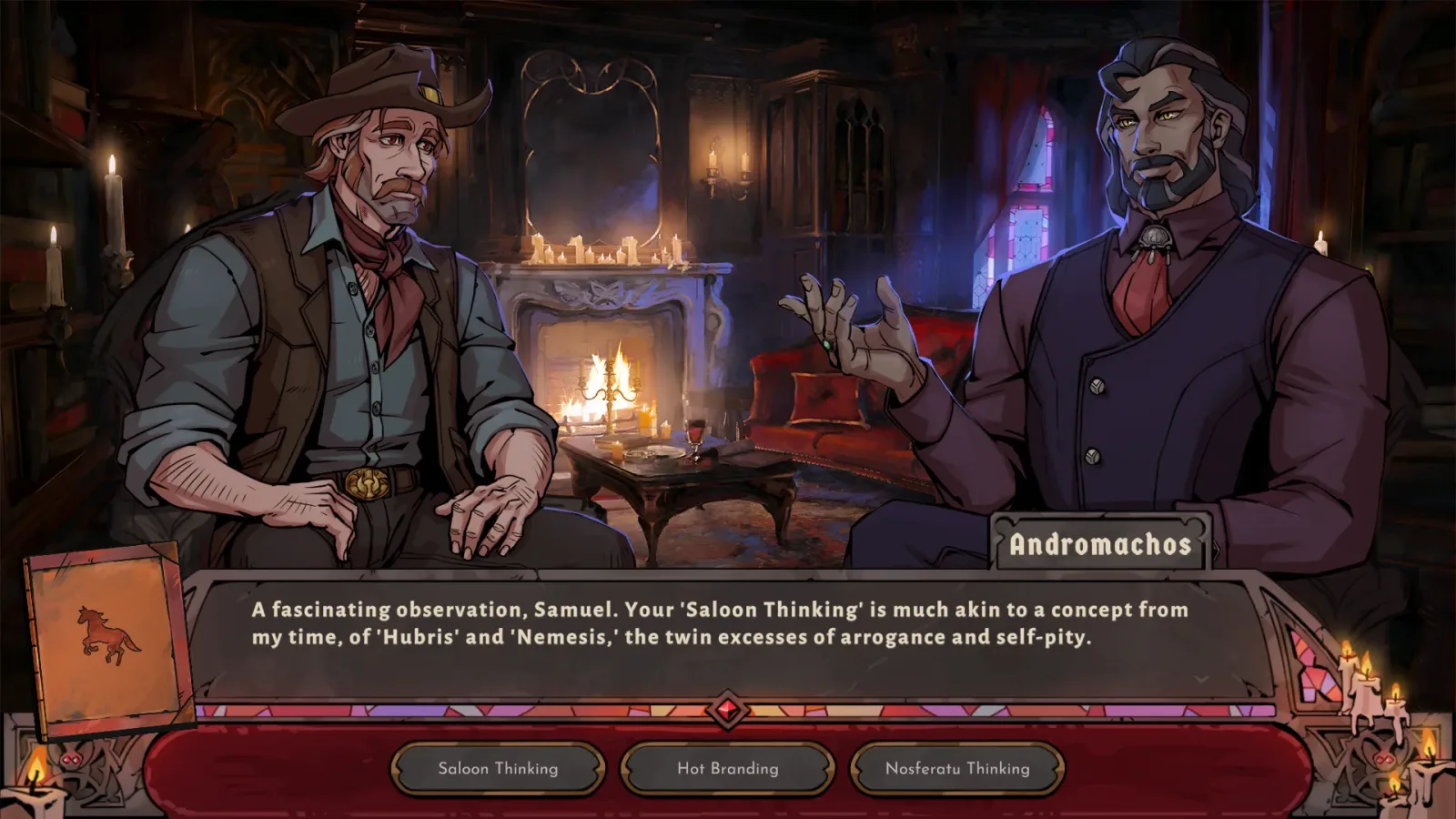
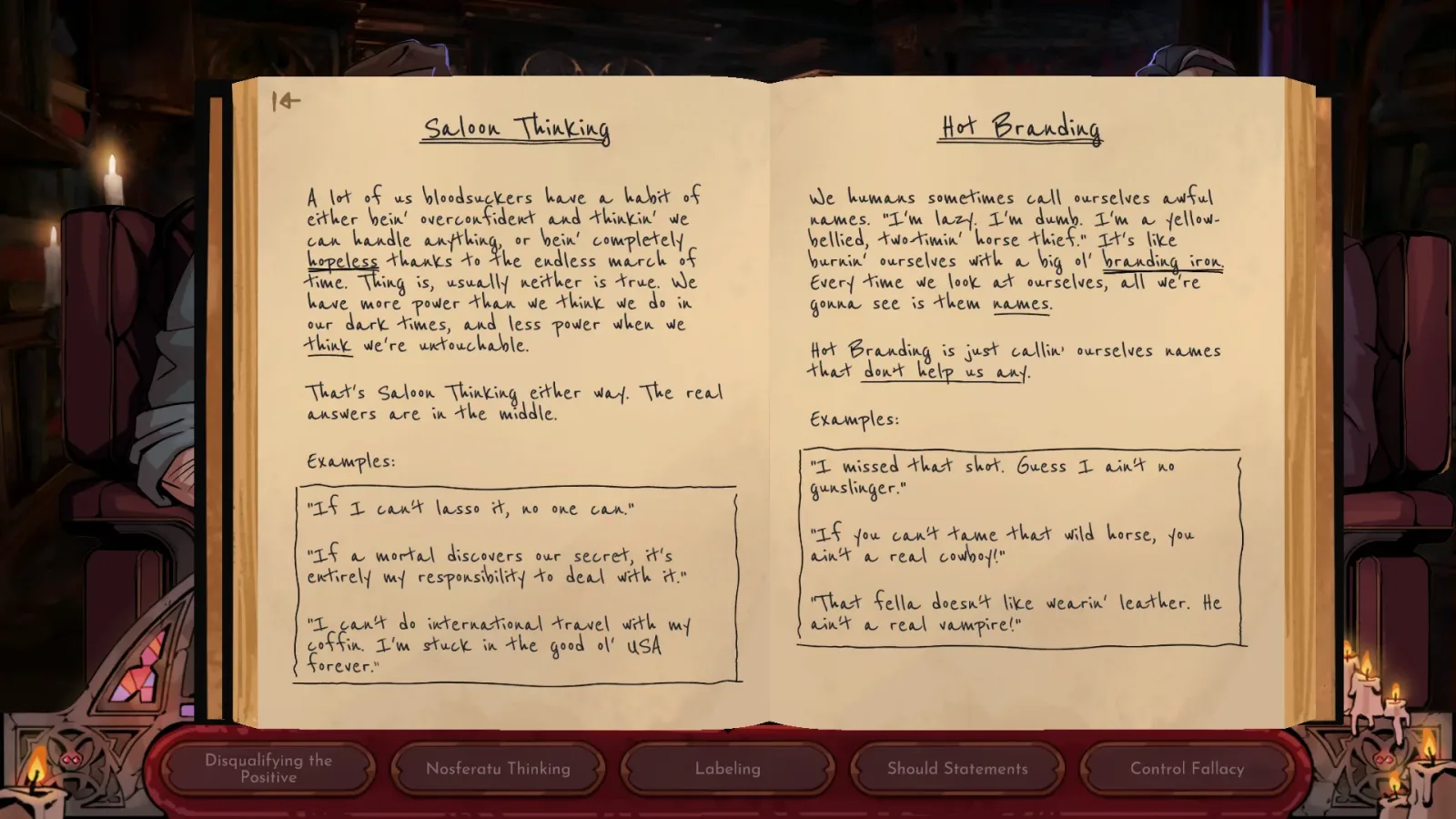
The key mechanic in Vampire Therapist is not combat, loot collection, or vampire hunting. Players listen closely to clients, consider what they say, and identify cognitive distortions in their thinking. These are concepts associated with cognitive behavioural therapy, or CBT, and include the kinds of unhelpful mental shortcuts that can cause someone to interpret events in overly negative, rigid, or unrealistic ways.
For another perspective on this story, read Vampire Therapist launches on iOS and Android with DLC included.
During sessions, players are expected to challenge those distortions and encourage clients to reconnect with a more grounded interpretation of reality. The game's approach has been vetted by licensed therapists, an important detail given that it borrows ideas from real therapeutic practice rather than using counselling solely as a superficial theme.
That does not turn Vampire Therapist into a replacement for professional care. It is a narrative game with fictional characters and supernatural situations. Still, its design places careful attention on listening, reflection, and the ways language can reveal distorted assumptions. The appeal lies in making those ideas interactive: a player must pay attention to what a character believes, why that belief may be causing harm, and how to respond constructively.
This also gives the visual novel format a distinct rhythm. Conversations are the main attraction, but they are not simply passive scenes. Players are asked to engage with the client's perspective and use the tools they have been taught. For an audience interested in character-driven games, that structure makes every session an opportunity to learn more about both the vampire on the couch and the counsellor trying to help them.
Clients drawn from across history
The game uses its supernatural premise to pull characters from a range of eras and cultures into one contemporary-feeling setting. Players can expect to meet vampires with connections to ancient Greece, Renaissance Italy, revolutionary France, Tudor England, and Iron Age Ireland. Their origins create room for historical flavour, different outlooks, and the sort of cultural misunderstandings that can emerge when people from radically different centuries are forced to confront the present.
Immortality is particularly useful here because it can magnify ordinary problems. A bad decision need not haunt a client for weeks or years; it might have haunted them for hundreds of years. A personal grudge can become a lifestyle. An outdated worldview can remain frozen in place long after society changes around it. The game's comic historical setting allows these premises to become funny, but it also gives its emotional conflicts a potentially larger scale.
Little Bat Games describes the game as an award-winning comedic historical experience, and its cast of clients is central to that identity. The different time periods are not merely decorative backdrops. They support the core idea that personal baggage can survive every fashion, revolution, empire, and social convention--especially when the person carrying it is unable to die.
Voice talent and side activities accompany the sessions
Vampire Therapist features a voice cast that includes Matthew Mercer, Francesca Meaux, Sarah Grayson, Kylie Clark, and creator Cyrus Nemati. Full performances are especially important for a dialogue-heavy game, where the success of a therapy session can depend on small changes in tone, defensiveness, discomfort, confidence, or vulnerability.
Beyond its central conversations, the game includes mindfulness exercises and consensual bite minigames. These additions broaden the structure beyond office-based dialogue while remaining tied to the setting's distinctive vampire sensibility. The mindfulness elements fit naturally alongside the game's interest in mental wellbeing, while the bite-focused activities make clear that the title has not abandoned the stranger, darker, and more playful details expected from a vampire story.
The combination is unusual by design. Vampire Therapist is interested in real psychological terminology, but it filters that interest through a comic genre setup involving ancient undead clients, a former gunslinger, and a therapist's office above a goth club. Its tone is therefore unlikely to resemble a conventional educational app or a grim horror game. Instead, it aims for a character-focused experience where humour and empathy can sit beside each other.
What the mobile edition includes
The new iOS and Android edition is intended as a complete and current entry point for mobile players. It contains the base game, all free updates, and the Couples Therapy DLC pack. Including that extra content from the outset means mobile users are receiving more than the original launch version of the game.
Touch-interface updates should also matter for a title built around reading, selecting responses, and engaging with lighter interactive segments. A mobile version of a visual novel needs its navigation and dialogue interactions to feel natural on a smaller screen, and this release has been tailored with that format in mind.
For players who have not encountered the game on PC or consoles, the free opening download offers an accessible introduction. The tutorial explains the basics, while the first two full sessions provide a more substantial look at how the counselling gameplay works. Those early encounters should establish whether the game's particular blend of therapy-informed deduction, historical comedy, and vampire melodrama is a good fit.
A new home for an unconventional visual novel
With its iOS and Android launch, Vampire Therapist is now available across PC, Nintendo Switch, Xbox, PlayStation, and mobile. The expansion is a notable fit for a dialogue-led game: its session-based structure and focus on carefully reading characters can suit portable play, whether in short stretches or longer late-night conversations with the undead.
More importantly, the mobile debut makes one of the more unusual recent visual-novel premises easier to sample. Players can now meet a cast of troubled immortals, put CBT-inspired tools to use, and see whether a former Wild West vampire can genuinely help clients find a little inner peace. For a game about people who have had centuries to avoid their problems, that is no small task.
Community
Discussion
Start the conversation.
No comments have been posted yet.