

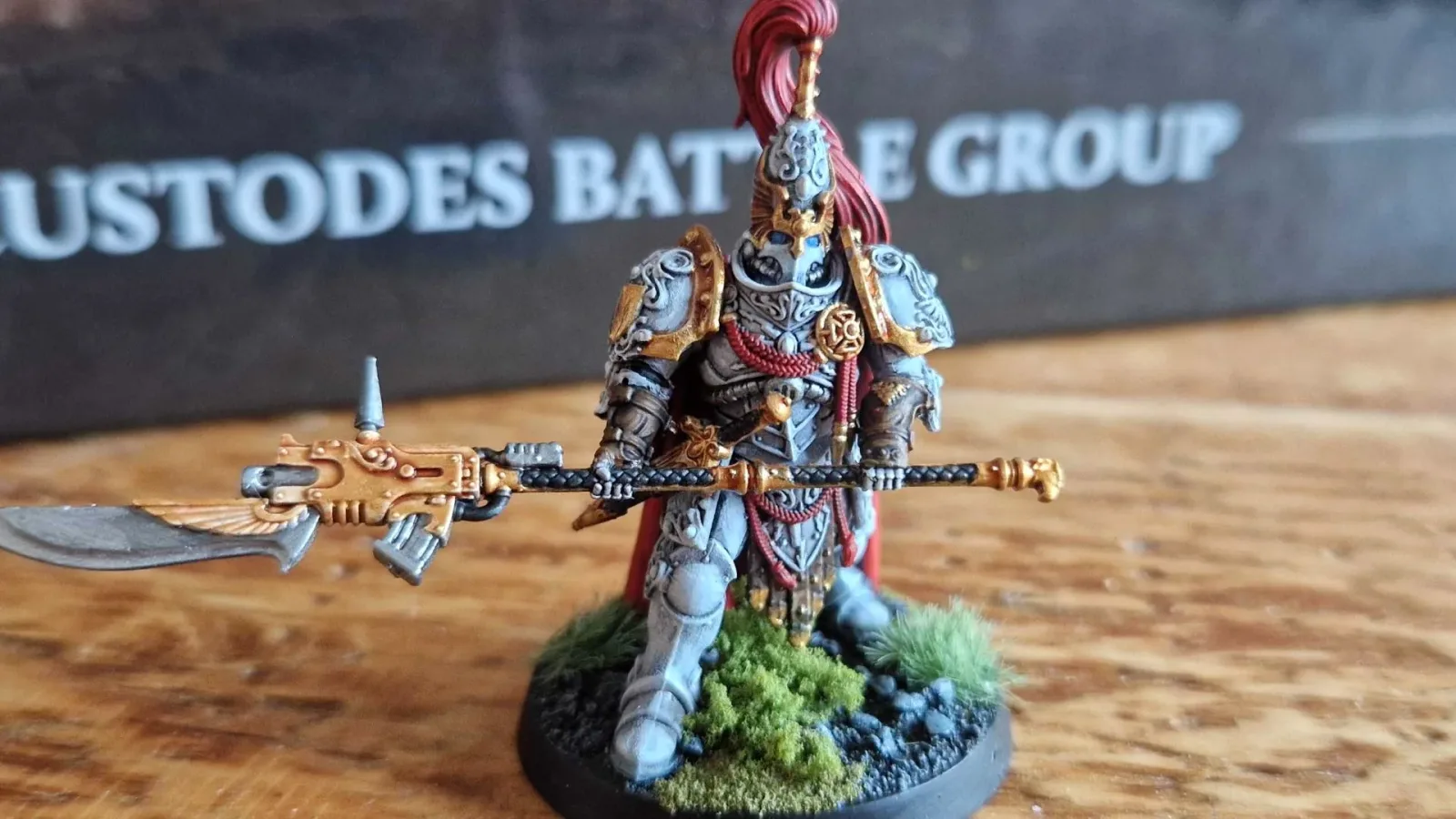
For years, the Adeptus Custodes have occupied an awkward place in Warhammer 40,000. In the setting's fiction, they are not simply the Imperium's most ornate soldiers. They are the Emperor's personal guardians: superhuman warriors presented as a cut above even the already formidable Space Marines. On the tabletop, however, translating that mythic status into a playable army has been difficult.
Once the Custodes became a full faction in 8th Edition, Games Workshop had to make an army out of warriors who are routinely framed as near-impossible opponents in novels and background stories. That inevitably meant seeing them destroyed by the kinds of guns, blades, monsters, and alien infantry that every tabletop force needs to field. It created a disconnect. They could be expensive elite troops, certainly, but they did not always feel as extraordinary as their reputation suggested.
The new Adeptus Custodes codex for 11th Edition appears designed to address exactly that problem. Its rules, updated unit profiles, expanded Martial Ka'tahs, and new detachment choices all point toward an army intended to feel extremely small, resilient, specialised, and terrifying once it reaches its target. There is still an important missing variable in the form of final points costs, but the foundations suggest a much clearer identity for the Ten Thousand.
Custodes durability is now much closer to the fantasy
The key change is straightforward: basic Custodes are significantly harder to remove. At the lower end of the army's profiles, warriors begin with Toughness 7, five wounds, a 2+ armour save, a 4+ invulnerable save, and a 5+ Feel No Pain against mortal wounds. Even before considering leaders, upgrades, stratagems, or more specialised units, that is a substantial defensive package.
For useful background on this topic, read Capcom Plans to Evolve RE Engine Into an AI-Generation Game Engine.
It also gives the faction a more distinct place beside other Imperial elite forces. A Space Marine Captain is meant to be an exceptional combatant, but a standard Custodian should feel beyond that level. These new baseline numbers make that distinction much easier to see on the table. Opponents will need focused, efficient firepower to bring down even a small squad, and careless exchanges are likely to prove punishing.
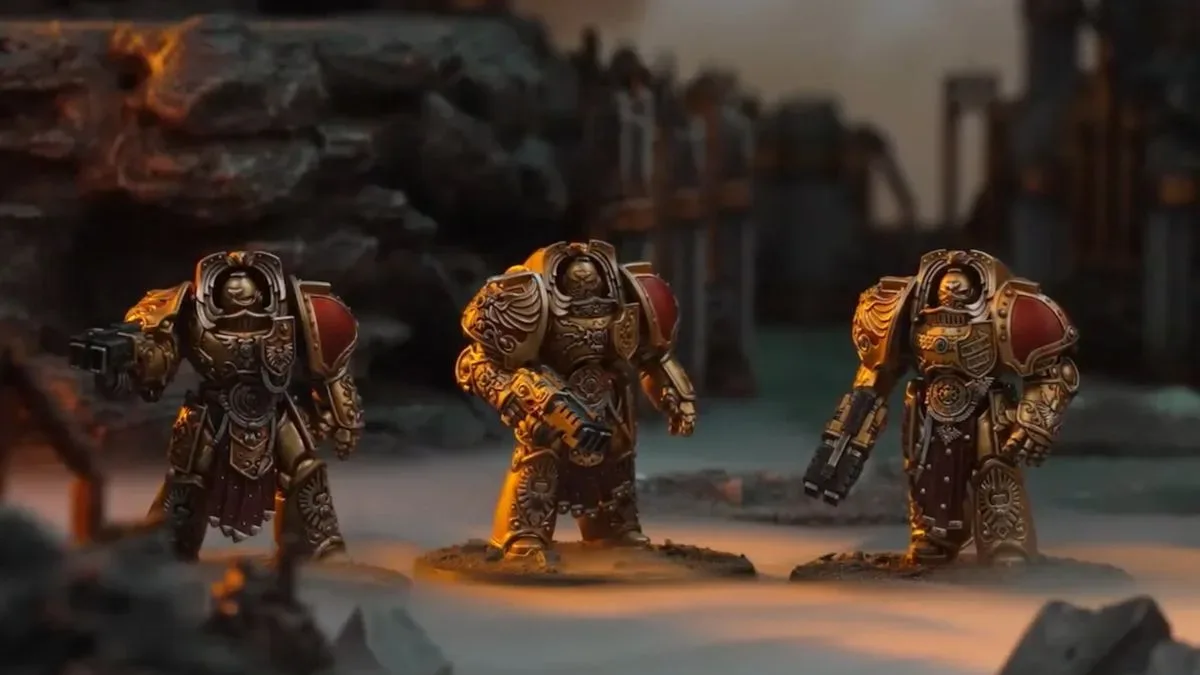
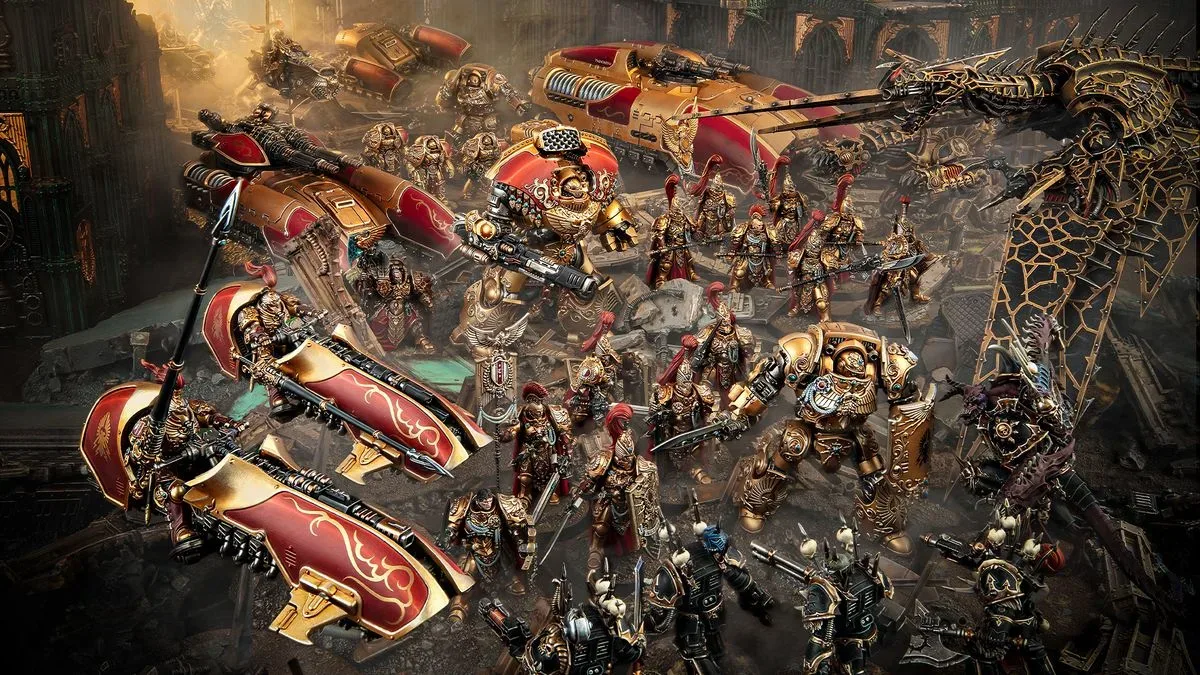
The more heavily equipped elements of the range go even further. Aquilon Terminators and Gyrfalcon Jetbikes are positioned as especially formidable examples of the army's new durability, with profiles capable of eclipsing prominent Space Marine characters in raw toughness. The updated Telemon Dreadnought may be the most dramatic case. With access to an upgrade from the Dreadnought-focused detachment, it can approach the staying power associated with a C'tan shard.
That does not mean the army is invulnerable, and it should not be. Warhammer 40,000 is built around interaction, target priority, and lethal weapons. But Custodes players should now be able to put a handful of models onto an objective or into a key lane of attack and reasonably expect them to demand a real response.
Deadlier weapons make every surviving model matter
Defensive improvements alone would not solve the faction's old tension. If the Custodes are supposed to represent warriors of exceptional skill and equipment, their attacks need to feel equally consequential. The 11th Edition book improves nearly every weapon profile, making the army more dangerous at both range and in melee.
Sentinel Guard, for example, receive an additional attack with their blades, which now inflict 2 damage. The Castellan axes carried by Wardens and Terminators have climbed to Strength 10 and damage 4. That puts those axes in a far more meaningful position against heavily armoured infantry, elite monsters, and vehicles. It also gives Custodes units a better sense that their melee weapons are relic-grade instruments of war rather than slightly enhanced versions of standard equipment.
Ranged weapons are seeing broad improvements as well. Many have increased Strength values and twice as many shots as before. This should lessen the feeling that Custodes players must merely endure enemy fire until they arrive in combat. The army will still be defined by elite close-quarters pressure, but its shooting can now contribute more convincingly to the battle plan.
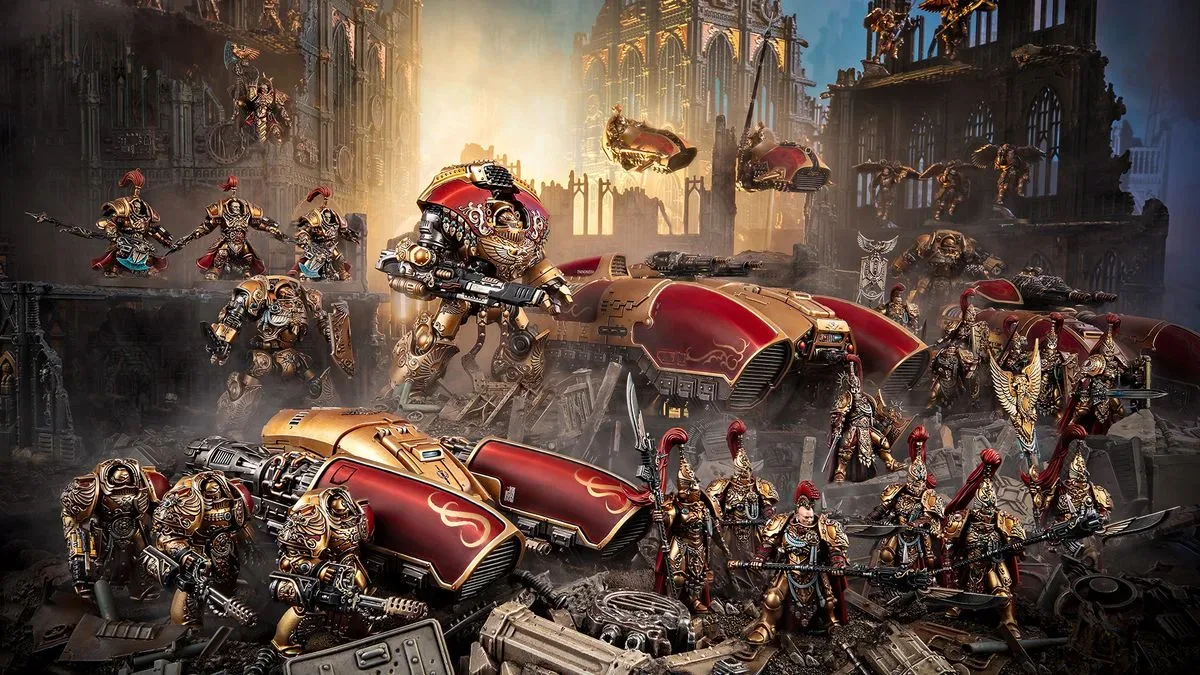
The vehicle updates may be just as notable. The faction has lost access to the Land Raider, a familiar transport option for many Imperial armies, but its dedicated vehicles have received substantial attention. The Pallas Grav Attack is a particularly striking beneficiary. Its primary weapon has changed from a minor anti-infantry tool into a much more dangerous option capable of threatening Terminator-class targets. Alongside improved dreadnoughts, that gives Custodes commanders meaningful reasons to examine a broader slice of the range rather than defaulting to the same familiar infantry blocks.
Martial Ka'tahs offer flexibility rather than a fixed routine
Rules alone do not create character; the way an army makes decisions matters too. Martial Ka'tahs, often jokingly referred to by players as the army's "karate," have been expanded to become a more flexible central mechanic.
Custodes units begin each turn in a readied state. They can spend that readiness to activate one of six Ka'tahs when the moment calls for it. The available techniques include practical tactical options, such as performing an action while still being able to shoot or moving through enemy models. Others are aimed directly at combat efficiency, including access to Lethal Hits or the ability to reroll hit rolls of 1 in melee.
This approach is important because it reinforces the idea that Custodes are disciplined masters responding to the flow of battle, not merely durable stat blocks walking toward the nearest enemy. A player can decide whether a squad needs to secure an objective, push through a screen, or maximise its lethality in a decisive engagement. That situational decision-making should add considerably more texture to each turn.
It may also make the faction more rewarding for players who like a compact army with a high number of meaningful choices attached to each unit. Custodes armies will have fewer bodies than most opponents. When every model represents a large percentage of the force, the ability to adapt at the correct time becomes especially valuable.
Thirteen detachments bring Shield Host identity back
The codex includes 13 detachments, allowing players to lean into different collections of units and preferred strategies. That is a major boost for variety within a faction that can otherwise risk feeling narrow because its roster is made up of so few, highly elite models.
Most exciting for long-time Custodes players is the renewed focus on Shield Hosts. These subfactions bring specialised detachments, enhancements, and stratagems that restore some of the flavour lost in the 10th Edition version of the army. Rather than presenting all Custodes as one homogeneous golden force, the book gives different traditions a stronger battlefield role.
- Shadow Keepers gain extra resilience while controlling objectives.
- Solar Watch emphasise increased mobility.
- Dread Host focus on manipulating movement around melee engagements.
Each Shield Host also has a favoured Ka'tah, granting an additional benefit when units use that particular technique. The result is an appealing link between a player's detachment selection and the army rule itself. It should encourage lists with a more deliberate theme rather than simply taking universally efficient rules.
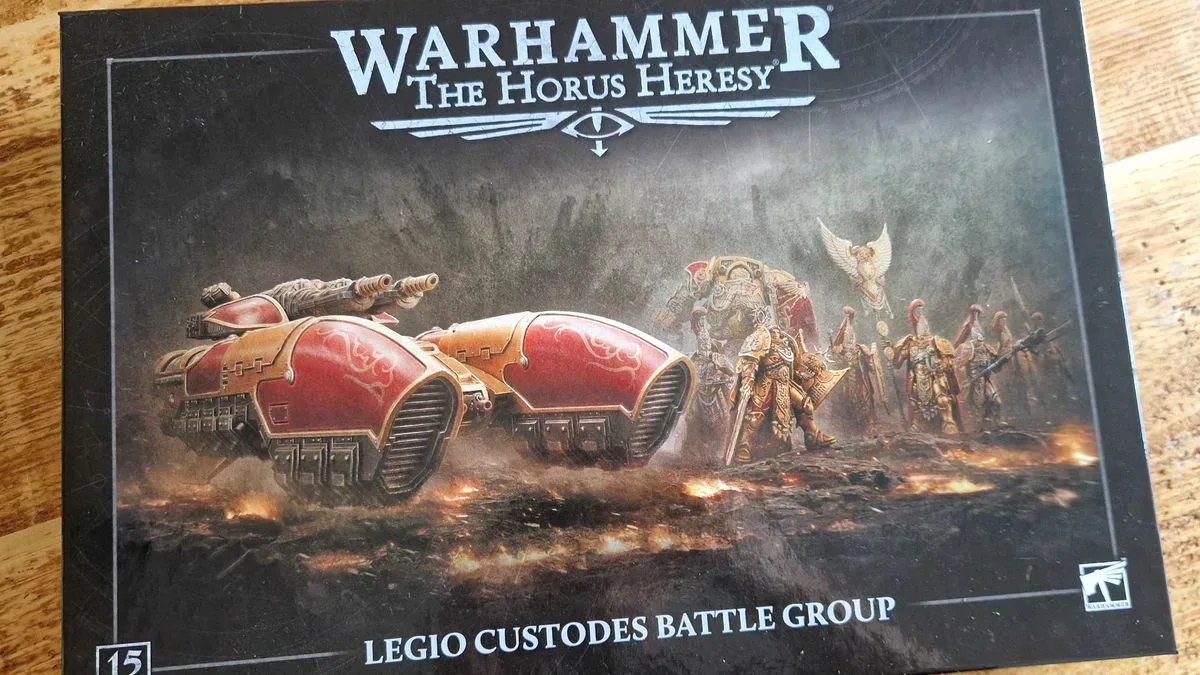
The breadth of detachments also matters for the range's newer units, several of which have already appeared under the Horus Heresy banner. Players interested in the new 40K releases will have opportunities to build toward infantry-heavy formations, fast attack elements, vehicles, or dreadnought-oriented forces instead of being funnelled into one template.
Points will determine whether the new army is thrilling or oppressive
For all the encouraging changes, the final judgement cannot arrive until points values are known. Those costs have been heavily revised, and they will determine whether the new rules create a precision elite army or an unhealthy wall of near-indestructible threats.
The apparent direction is toward smaller, hyper-elite units, including three-model squads, instead of the larger groups of Allarus Terminators and Wardens often seen in the previous edition. That sounds appropriate for the Custodes thematically. An army of demigod bodyguards should feel outnumbered, and every casualty should hurt. Yet the balance is delicate.
If units are priced too cheaply, the combination of durability, stronger weapons, versatile Ka'tahs, and powerful detachment support could make the faction overwhelming. If they are set too high, Custodes players may find they lack enough units to contest objectives, cover the board, or absorb bad luck. The first 11th Edition codex releases for Space Marines and Orks have already set a high power bar, so there is understandable concern that Custodes could launch slightly above the intended curve.
Still, points are among the easiest parts of a tabletop game to adjust through later balance updates. The more difficult task is establishing a compelling fantasy and a coherent rules identity. On that front, this codex appears to have found the answer. The Adeptus Custodes now look set to play like what they have always been described as: a tiny force of gleaming, relentlessly capable warriors whose presence can reshape an entire battle.
Whether they prove merely powerful or genuinely balanced will be decided after the points arrive and games begin. But as a statement of what the Emperor's guardians are supposed to be, 11th Edition looks like a major step forward.
Community
Discussion
Start the conversation.
No comments have been posted yet.