

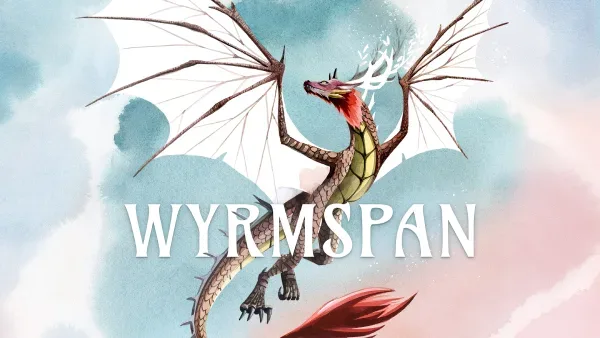
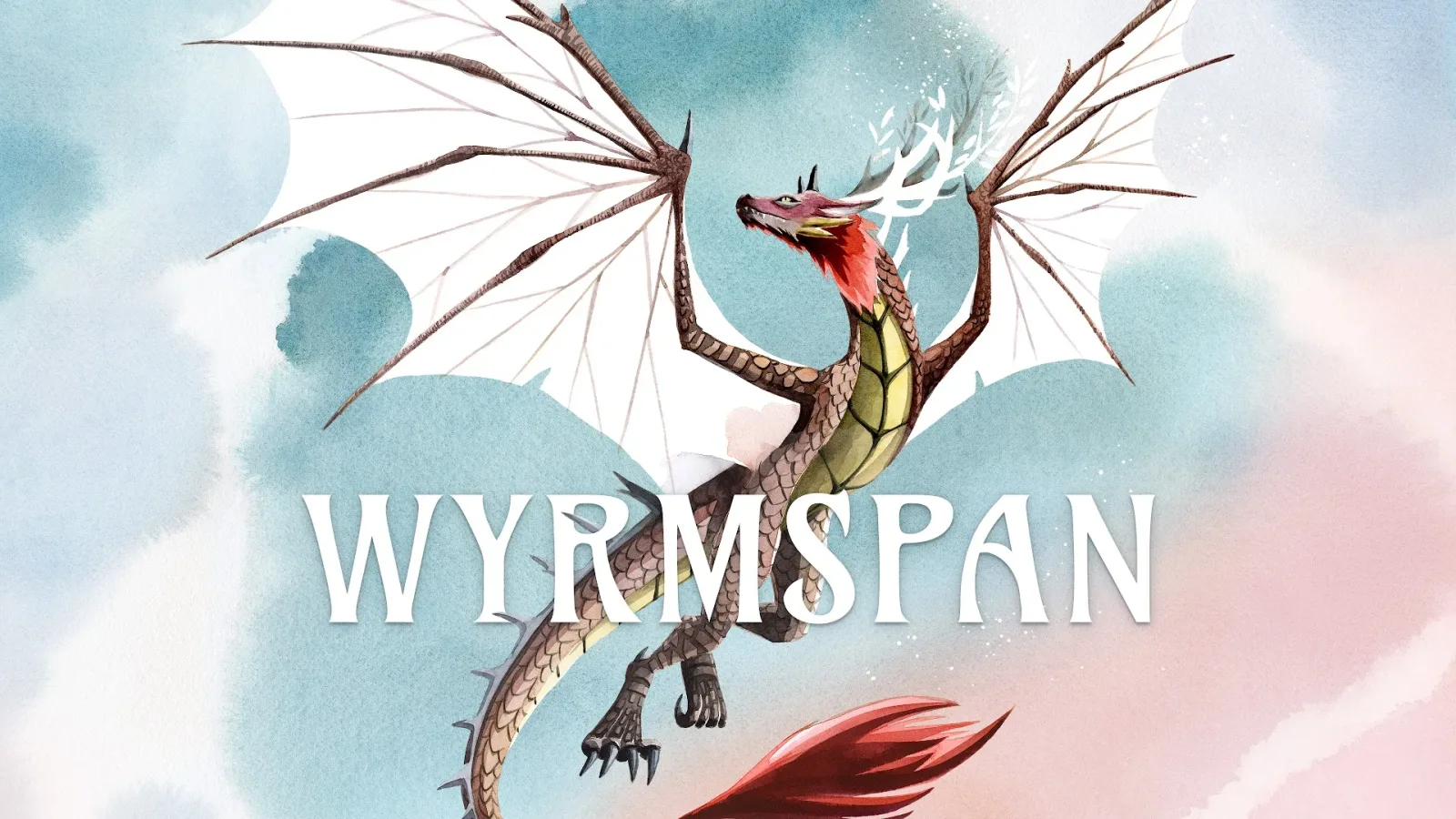
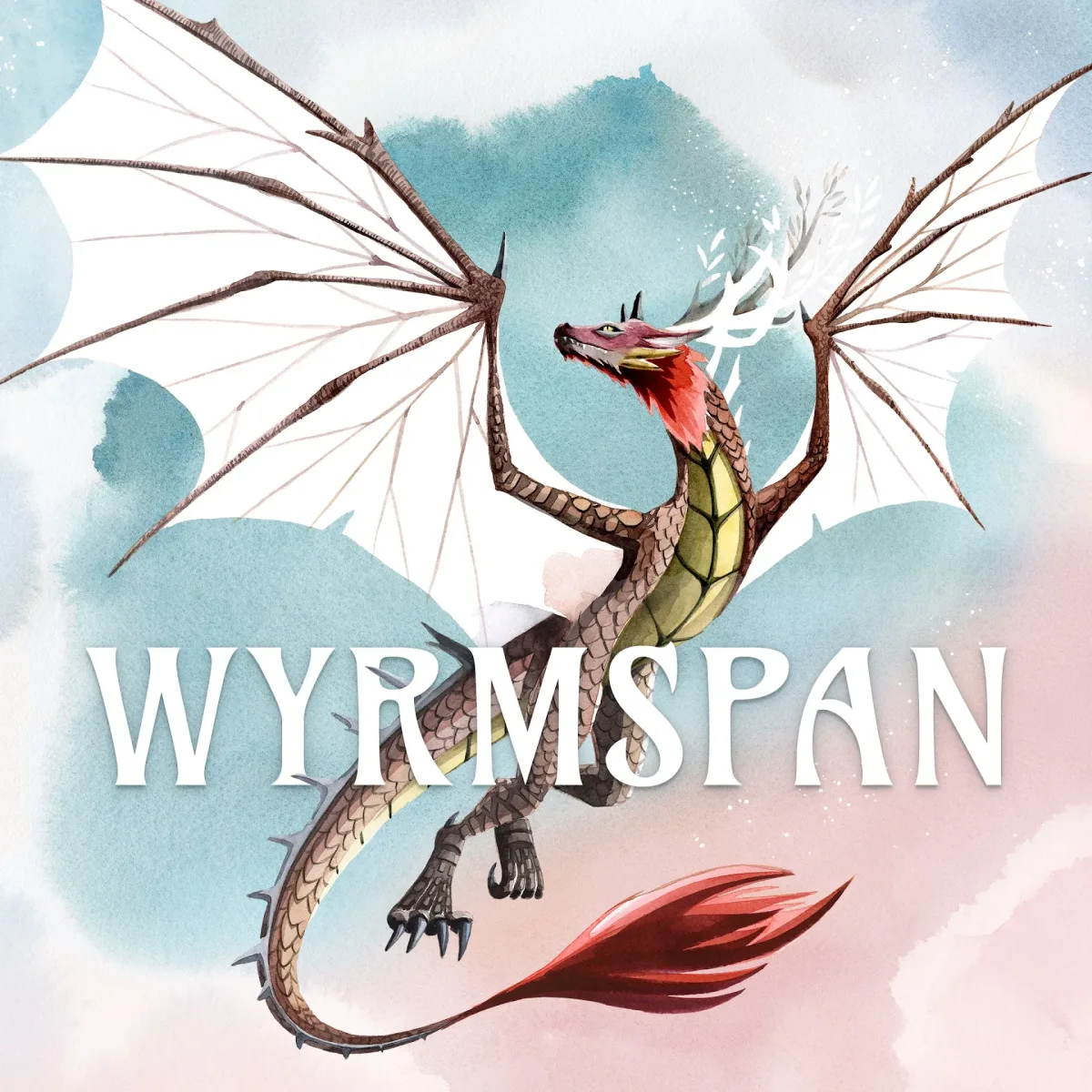
Monster Couch has announced the first public playtest for Wyrmspan, its upcoming digital adaptation of the dragon-themed strategy board game from Stonemaier Games. The limited Steam test is scheduled to run from December 10 through December 14, 2026, offering interested players an early chance to see how the card-driven tabletop experience translates to PC.
Participation requires players to register through the official sign-up form. While the announcement does not detail how many applicants will be admitted or whether access will be granted to everyone who registers, the playtest represents the first public hands-on opportunity for the project. Wyrmspan is currently listed as coming soon to PC.
The adaptation arrives from a studio with considerable familiarity with the broader Span line. Monster Couch previously developed the digital version of Wingspan, another Stonemaier Games title, for PC in 2020. That experience matters for a game such as Wyrmspan, where much of the appeal lies not only in learning a ruleset, but in making a dense tabletop system readable, inviting, and smooth to play in a digital space.
A cave sanctuary built around dragons
In Wyrmspan, players take the role of novice dragon researchers, called Dracologists, who have discovered a hidden maze of caves filled with potential habitats. The task is to excavate that underground network and turn it into a sanctuary able to accommodate a large and varied dragon population.
For useful background on this topic, read Cozy Holiday 2 Brings 10-Player Christmas Tree Chaos to Steam This December.
The game's central structure is built around cards, resources, cave development, and the abilities of the dragons that eventually occupy the player's growing lair. More than 180 dragon types are included in the game's roster, ranging from hatchlings that can provide immediate benefits to adult creatures with stronger and more specialized effects. The result is a strategy game centered on building an efficient system rather than simply collecting the biggest dragons available.
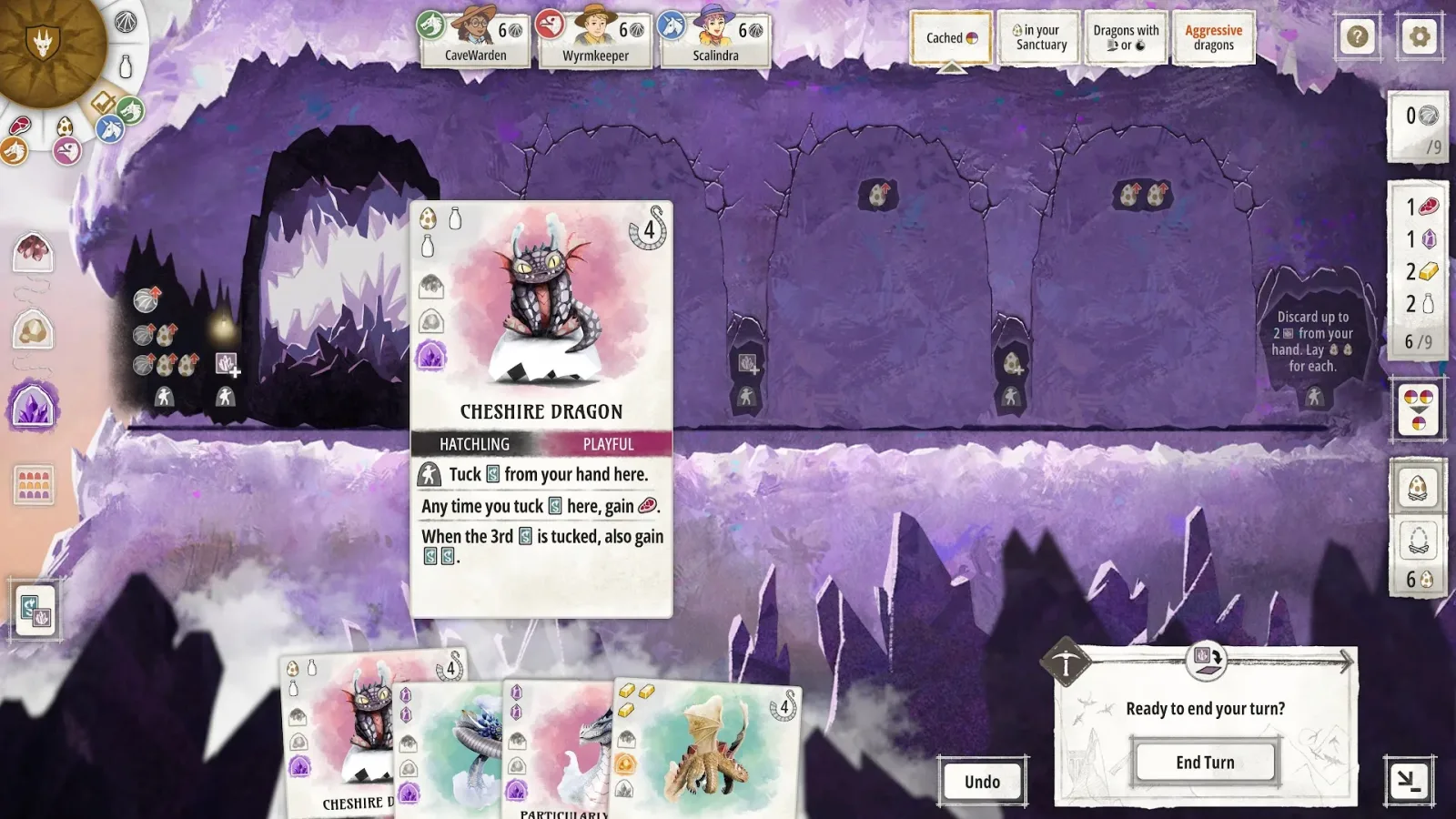
Players will develop their sanctuaries across areas including the Crimson Cavern, Golden Grotto, and Amethyst Abyss. Cave cards allow the underground home to expand, while excavation opens paths deeper into the available spaces. How and when those areas are developed should shape what each player can do later in a match, particularly as dragons with useful abilities begin to populate the caves.
The basic premise gives Wyrmspan a different thematic identity from its avian predecessor. Instead of organizing habitats for birds, players are working through a fantasy excavation project populated by mythical creatures. Yet the strategic draw remains comparable: deciding which cards deserve a place in a limited ecosystem, setting up advantageous turns, and identifying when a short-term reward supports a more valuable long-term engine.
Excavate, entice, and explore
Monster Couch has outlined several major actions and systems players can expect during the playtest. Excavation is the foundation of sanctuary construction. By playing cave cards and moving farther into the caverns, Dracologists establish the spaces that will make future dragon placements possible. This turns the board into more than a backdrop; it is a developing strategic map that influences the options available over the course of play.
Enticing dragons is the next major concern. Each creature can bring its own abilities and rewards, creating an incentive to consider combinations instead of treating every card as an isolated point source. Hatchlings may help establish early momentum, while adult dragons can offer more commanding effects. Since the game contains more than 180 possible dragons, the specific mix encountered in a session should keep players adapting rather than following a single fixed plan.
Exploration pushes that engine-building further. Venturing into the caves can activate chains of dragon abilities, allowing carefully assembled turns to produce increased rewards. These combo opportunities are likely to be one of the most important areas for playtest participants to investigate. Digital board game adaptations live or die on clarity when several effects trigger in succession, and an early public test is a useful setting for players to see whether those sequences are easy to follow and satisfying to execute.
There is also the Dragon Guild board, which provides another route for progression. Players can decide from turn to turn whether to focus on attracting dragons, handling the resources needed for future actions, extending their cave network, or advancing through guild-related goals. That range of competing priorities is intended to support different approaches to the same match.
For players who enjoy methodical strategy rather than direct confrontation, this structure suggests a game of timing and efficiency. The key questions are likely to be less about stopping an opponent outright and more about determining when to invest in infrastructure, when to secure a particularly useful dragon, and when an ability chain is ready to generate a major return.
Solo and multiplayer options are part of the test
The December playtest is not restricted to a single way of playing. Monster Couch says participants will have access to a selection of modes covering both solo and multiplayer sessions. Solo players can take on the Automa, while bot opponents will also be available for those looking to practice against computer-controlled rivals.
For groups sharing a screen or computer setup, the test will include local multiplayer. Online matchmaking will be available as well, allowing players to find opponents over the internet during the event window. Including all of these options in a first public test is notable because each mode can reveal different challenges for a digital tabletop game.
Solo play puts the spotlight on the quality of the Automa and on whether the interface clearly communicates the game state without another human player present. Matches against bots can give newcomers a place to experiment with strategies at their own pace. Local multiplayer needs to make passing control and preserving hidden information feel natural. Online matchmaking, meanwhile, will be particularly important for testing turn flow, stability, reconnection behavior, and how clearly the game presents decisions when players are participating remotely.
The announcement does not specify whether all modes will be available throughout the full test, nor does it provide details on match timers, supported languages, deck options, or other potential settings. Those interested in the test should therefore expect the event to function as an in-development opportunity rather than a final statement of every feature planned for the eventual PC release.
Exact Wyrmspan playtest times
The public Steam playtest begins on December 10 at 1:30 a.m. PST. That corresponds to 4:30 a.m. EST, 9:30 a.m. GMT, and 10:30 a.m. CET.
It is scheduled to conclude on December 14 at 2:00 p.m. PST, equivalent to 5:00 p.m. EST, 10:00 p.m. GMT, and 11:00 p.m. CET. The narrow window means prospective participants will want to register before the event begins and allow time to explore both the solo and multiplayer offerings if they are interested in comparing them.
- Start: December 10, 2026 -- 1:30 a.m. PST / 4:30 a.m. EST / 9:30 a.m. GMT / 10:30 a.m. CET
- End: December 14, 2026 -- 2:00 p.m. PST / 5:00 p.m. EST / 10:00 p.m. GMT / 11:00 p.m. CET
- Platform: Steam on PC
- Available modes: Automa solo play, bot matches, local multiplayer, and online matchmaking
A meaningful early look for strategy fans
For tabletop players who already know Wyrmspan, the playtest will offer an opportunity to evaluate how Monster Couch handles the rituals that make board games enjoyable: drawing and playing cards, monitoring resources, recognizing synergies, tracking progress, and watching a personal tableau grow. For players new to the game, it should provide an accessible entry point into a fantasy-themed strategy experience built around planning rather than action-heavy spectacle.
Monster Couch's prior work on Wingspan provides a relevant foundation, but Wyrmspan has its own identity, setting, and systems. The cave-building focus, Dragon Guild progression, and extensive collection of dragon cards give the adaptation plenty of room to establish itself beyond a simple thematic variation. The public test should offer the first substantial indication of how successfully those pieces fit together on Steam.
There is no final release date attached to the announcement beyond the game's coming-soon status on PC. Until more is shared, the December 10-14 playtest is the clearest upcoming milestone for anyone eager to begin building a cavernous dragon sanctuary digitally.

Community
Discussion
Start the conversation.
No comments have been posted yet.