

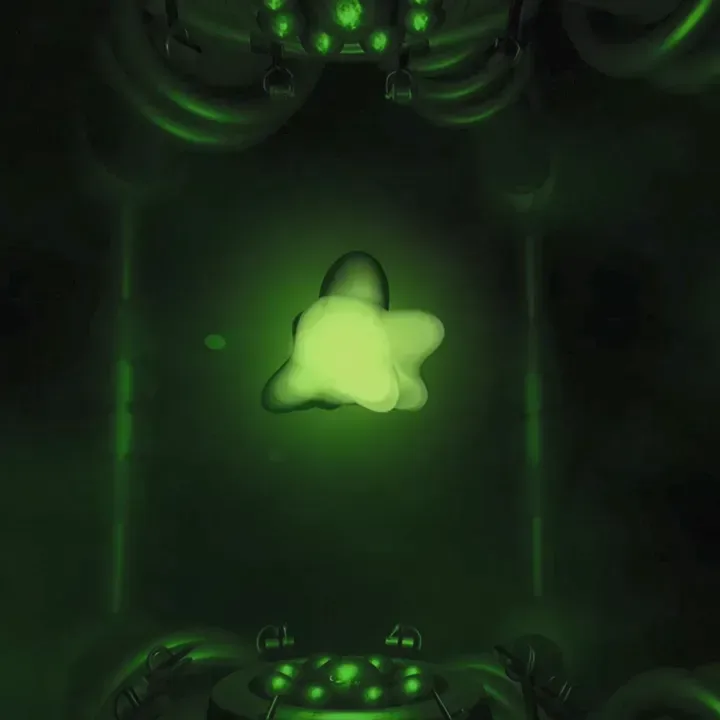
Xbox is celebrating its 25th anniversary with a particularly direct piece of fan service: the return of classic console startup animations. A new update for Xbox Series X/S and Xbox One introduces three optional boot-up sequences drawn from the earlier eras of Microsoft's gaming hardware. Players can choose an animation inspired by the first Xbox console, plus versions based on the Xbox 360's 2005 and 2010 startups.
The feature is arriving as part of the company's anniversary activity, giving longtime Xbox players a chance to hear and see some of the brand's most recognizable opening moments before they reach the dashboard. The animations are designed as nostalgic recreations rather than major reinterpretations, retaining the visual identities that made each generation's startup sequence immediately recognizable.
For players who have owned Xbox hardware across multiple generations, the addition turns a routine act--powering on a console--into a small reminder of the platform's history. For newer owners of Xbox Series X/S or Xbox One, it also offers an accessible look at the presentation styles that accompanied the original Xbox and the Xbox 360 during two very different periods for the brand.
Embedded X/Twitter post
Three generations of Xbox startup style
The three new selections span the launch of the original Xbox through the latter years of the Xbox 360. The original Xbox option brings back the science-fiction-flavored sequence associated with Microsoft's first console. Its distinct, atmospheric presentation was a notable contrast to the more colorful and playful identities used by several competing systems of its era, helping establish the original Xbox as a machine aimed at a more technical, futuristic aesthetic.
For useful background on this topic, read VMX Could Bring a Dreamcast-Style Screen Memory Unit to the Original Xbox Duke.
That boot animation remains strongly associated with the first Xbox generation and its defining games, including Halo: Combat Evolved, Project Gotham Racing, Fable, and Ninja Gaiden. While a startup screen is a brief part of using a console, the original sequence became a familiar ritual for users who spent years with the hardware. Bringing it to modern systems gives the current Xbox interface an unusually tangible connection to that 2001 launch period.
The other two animations reflect separate phases of the Xbox 360's long lifecycle. One is based on the console's 2005 startup, recalling the era when Microsoft introduced the Xbox 360 as the center of a redesigned Xbox ecosystem. The other takes inspiration from the 2010 version, associated with the later dashboard era and the broader changes made to the console's hardware and services over time.
Those two options are useful reminders that the Xbox 360 was not a static platform. Across its generation, Microsoft changed the system's look, user interface, accessories, online offerings, and hardware designs. Its startup presentation evolved along with those changes. Providing both variations means the anniversary update does not reduce the 360 to one single memory; instead, it acknowledges that players may connect most strongly with different points in the console's lifespan.
Available on Xbox Series X/S and Xbox One
The boot-up options are being made available for Xbox Series X/S and Xbox One consoles. The update means current Xbox hardware can display visual cues from systems that predate the newest generation by decades, without requiring players to take older machines out of storage or maintain legacy hardware.
Microsoft has not positioned the animations as replacements for the systems' broader user interface. They are startup choices intended to personalize the moment a console begins its boot process. That makes the feature a relatively simple change, but one with clear appeal for players who value the sensory details tied to older gaming platforms: the colors, sounds, logos, pacing, and distinctive visual language that appeared before a game even loaded.
The timing also fits Xbox's wider interest in preserving access to its past. Backward compatibility has been a major part of the brand's modern console strategy, and the company has frequently highlighted its older software catalog through digital storefronts, subscription offerings, and compatibility enhancements. Startup animations do not add games to a player's library, but they extend that preservation-minded approach to the experience surrounding the games.
There is an important practical difference, of course. Playing an older title through backward compatibility preserves software access, while a boot animation preserves the character of the platform itself. The latter is not essential to playing, but it can matter a great deal to people for whom a console generation is remembered as a complete experience rather than a list of releases.
A milestone celebration built around memory
The startup additions are part of a broader 25th anniversary celebration for Xbox. Microsoft has also published an Xbox 25th Anniversary Magazine, looking back across the company's quarter-century history in games while also outlining some of what may lie ahead.
That pairing of history and future planning is fitting for the moment. Xbox has gone through several transformations since the original console entered the market. It began as a new hardware competitor with an unfamiliar green-and-black visual identity, developed into a major online-console force during the Xbox 360 era, navigated a more complicated Xbox One generation, and now operates across console hardware, PC, cloud technology, subscription services, and a growing network of internal studios and publishing labels.
The three boot sequences effectively compress part of that journey into a menu selection. The original Xbox animation recalls the beginning, when Microsoft was building its console identity. The 2005 Xbox 360 option reflects the arrival of a generation that established Xbox Live as a central part of the brand's culture. The 2010 variation evokes a later phase in which the Xbox 360 remained active and evolved long after its launch.
For an anniversary feature, the decision to preserve multiple versions of the Xbox 360 startup is especially telling. It recognizes that nostalgia is not uniform. Someone who bought an Xbox 360 at launch may remember one visual and audio sequence, while someone who joined the ecosystem years later may remember another. The update gives both groups a version that may feel closest to their own entry point.
Xbox looks ahead amid a difficult year
The anniversary arrives during a challenging period for Microsoft's gaming business. The company has introduced a new CEO, Asha Sharma, and has announced thousands of layoffs. Those developments place the celebratory messaging in a more complicated context, particularly as Xbox prepares for decisions that could shape its next generation of hardware, services, and software strategy.
Among the initiatives connected to Xbox's future is Project Helix, previously described as a family of devices that could represent a new direction for the brand. Details remain limited, and it is not yet clear exactly how the project will ultimately take shape or what it may mean for the relationship between dedicated consoles and Xbox's wider device ecosystem.
That uncertainty makes the anniversary retrospective feel especially significant. Xbox is honoring the visual and cultural touchstones of its past while facing questions about where its hardware ambitions will lead next. The brand's current position is unlike that of its first two decades: it is no longer defined solely by a single console in a living room, yet the emotional connection many players have with Xbox is still closely tied to the machines that introduced them to the platform.
Classic boot-up animations cannot answer those larger questions, and they are not intended to. Instead, they offer a compact celebration of continuity. The hardware has changed, the dashboard has changed, and the business around games has changed, but the original Xbox and Xbox 360 remain foundational parts of Xbox's identity.
A small update with strong nostalgia appeal
Console startup screens have always occupied an unusual place in gaming culture. They are short, sometimes seen only for seconds at a time, and easily overlooked in the rush to begin playing. Yet the best-known sequences become embedded in memory because they are repeated so often. They mark the beginning of late-night multiplayer sessions, a newly opened game, a weekend spent with friends, or the first time a player turns on a new system.
Microsoft's new options lean into that association. Rather than merely displaying a commemorative badge or anniversary theme, they bring back audiovisual signatures from earlier hardware generations. The result is an update aimed less at adding a new utility and more at restoring a familiar feeling.
Players with an Xbox Series X/S or Xbox One can expect the selections to become available through the anniversary update. With the original Xbox startup and two Xbox 360-era alternatives now joining modern hardware, the 25th anniversary celebration gives Xbox owners a way to begin each session with a little more history behind it.
Community
Discussion
Start the conversation.
No comments have been posted yet.