

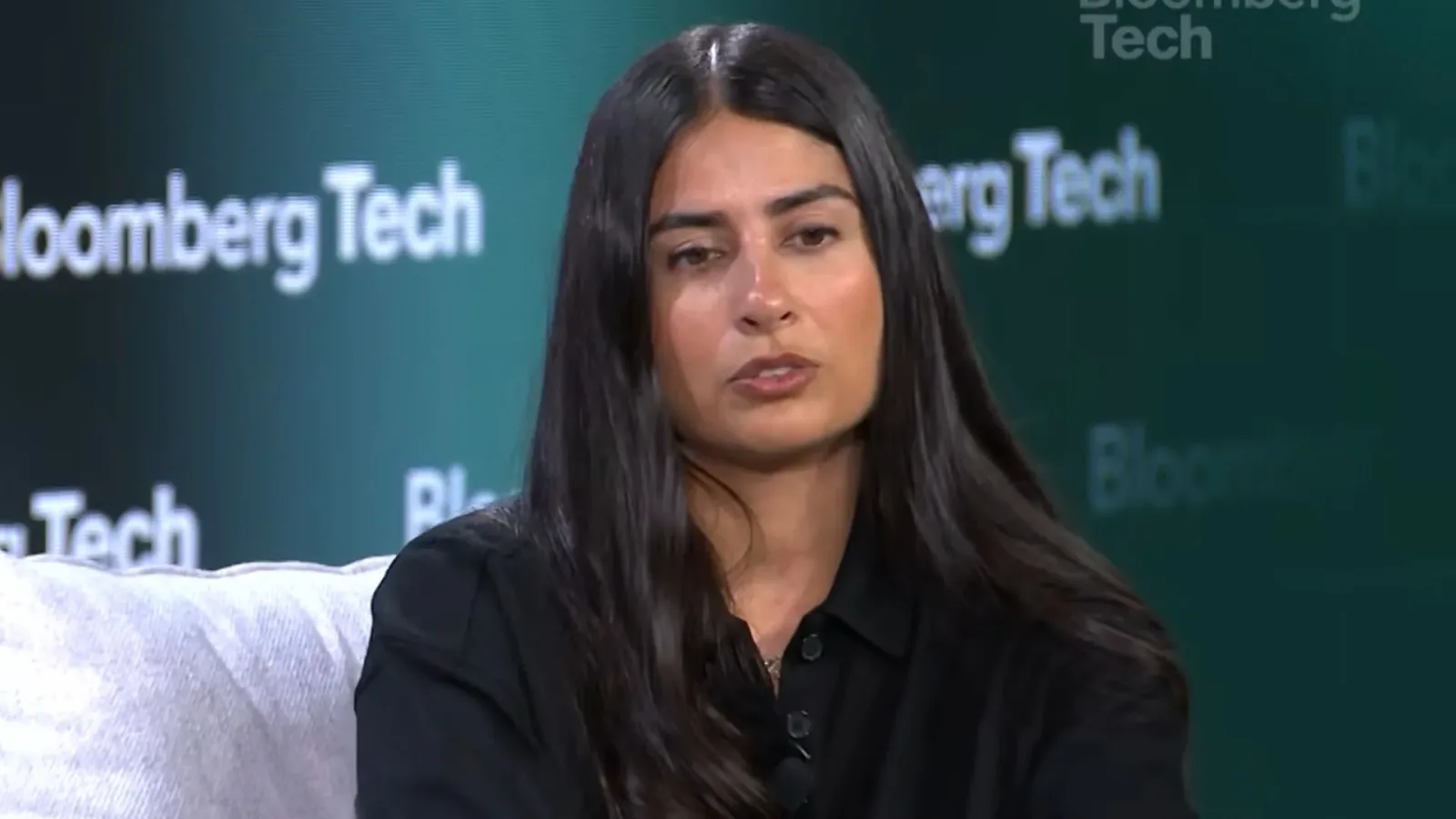
Xbox CEO Asha Sharma has said that Microsoft is not planning to sell its gaming business, pushing back against months of speculation surrounding the future of the Xbox organization. Her comments arrive during an exceptionally difficult period for the division, which is undergoing what Sharma has described as its largest restructuring to date.
"Xbox is not for sale," Sharma said in an interview with The New York Times. She added that the company intends to make the decisions it believes are necessary to establish a healthier future for the business, including considering new partnerships and changes to its operating structure.
"We will do whatever it takes to set the company up for success, and we will look at the right partnerships, the right operating model and everything needed to achieve that."
The firm denial is significant because questions about Xbox's place inside Microsoft have intensified alongside layoffs, cancelled projects, studio closures, and a wider effort to make the gaming operation more profitable. Xbox remains one of the largest gaming organizations in the world, spanning console hardware, PC releases, Game Pass, first-party publishing, cloud ambitions, and an enormous collection of studios and franchises. Yet the scale of that footprint has not prevented a painful reset.
For useful background on this topic, read Resident Evil's Remakes Are Building Toward a Future Crossover, Producer Teases.
A denial after months of divestiture speculation
Rumors about a potential Xbox divestiture gained traction in June, when The Information reported that Microsoft had considered options that could have included spinning Xbox out or restructuring it as a wholly owned subsidiary in preparation for a possible sale. None of those possibilities had been confirmed by Microsoft, and Sharma's statement makes the company's current public position unambiguous: Xbox is staying within Microsoft.
That does not mean the current structure is guaranteed to remain untouched. Sharma's language leaves considerable room for change. By referring to the "right partnerships" and "right operating model," she indicated that Xbox is still evaluating how it should function, spend, publish games, and pursue growth. In a business that has recently expanded through major acquisitions while also facing pressure to control costs, those decisions could prove as consequential as a sale would have been.
For players, the distinction matters. A sale or separation would raise fundamental questions about ownership of Xbox studios, existing subscription services, hardware plans, and the long-term status of major series. A restructuring within Microsoft, meanwhile, could still lead to major changes without removing Xbox from the company that owns it. Sharma's comments point toward the latter path, even as the details remain unclear.
Thousands of jobs affected by the reset
The clearest consequences of Xbox's transformation so far have been felt by its workforce. Around 3,200 people are expected to lose their jobs by the end of the current fiscal year. That total follows several rounds of reductions and has come alongside studio shutdowns, game cancellations, and reports of teams being cut back dramatically.
In July, Sharma announced what she called "the most significant restructure in Xbox history." That round eliminated 1,600 jobs. A further reduction in September affected roughly 250 additional employees, including cuts at The Coalition, the studio behind Gears of War, and World's Edge, the developer associated with Age of Empires.
Other parts of the wider Xbox Game Studios network have also been impacted. Entire studios have been shut down, projects have been cancelled, and some teams are reportedly operating with only a fraction of their former staff. Halo Studios has been cited as one example of a team reportedly reduced to a skeleton crew, a particularly striking development given Halo's historic importance to the Xbox brand.
These changes are not occurring in isolation. The games industry has endured extensive layoffs and project cancellations in recent years, even as blockbuster releases continue to sell millions of copies. But Xbox's situation stands out because the company is simultaneously dealing with organizational cuts, the integration of a huge first-party portfolio, weaker hardware momentum, and a strategy that has increasingly moved beyond console exclusivity.
Pressure to improve profits
Microsoft CEO Satya Nadella recently characterized the streamlining of Xbox as "great to see," a remark that further fueled anxiety about the division's direction. From a corporate perspective, the message is straightforward: Xbox needs to operate more efficiently and produce stronger financial results. From the perspective of the people making games, however, the process has brought disruption on a sweeping scale.
An id Software employee described the internal goal in blunt terms, saying that the only concrete direction communicated has been a demand for higher profits immediately. That perspective helps explain why the restructure has been so severe. The concern is not simply whether Xbox can continue making games or supporting its services; it is whether the organization can meet the financial expectations being placed on it now.
Xbox has spent years facing sluggish hardware sales. Its response has included an expanded focus on PC, Game Pass, cloud gaming, and bringing selected first-party titles to additional platforms. The broader multiplatform turn was meant to create new revenue opportunities beyond Xbox console ownership. However, the hoped-for results from a multiplatform approach centered on Game Pass have not materialized in the way the company needed.
That leaves Xbox in a difficult position. It owns or oversees an extraordinary range of development talent and intellectual property, but large teams and ambitious projects are expensive. Subscription services require a steady flow of appealing content. Publishing games on more platforms can increase sales potential, but it can also complicate the traditional argument for buying Xbox hardware. Finding a balance between those competing needs is likely at the heart of the operating-model review Sharma referenced.
A long-term promise in a short-term moment
Sharma has framed the upheaval as part of a longer journey toward a sustainable and profitable Xbox. She acknowledged that the process will take time, even while the company is being asked to show stronger returns.
"We've got a long way to go with Microsoft, and we're going to take the long-term view."
That statement presents an inherent tension. Xbox leadership is asking employees, players, and business partners to view the current pain as part of a long-term plan. At the same time, reports from within the organization suggest there is intense pressure for profits now. Both positions can be true, but reconciling them will be difficult. Long-term game development requires stability, planning, and investment; rapid cost reductions can undermine all three.
For the audience that follows Xbox primarily through its games, the next steps will matter more than broad assurances. The company will need to demonstrate what its future creative pipeline looks like after cancelled projects and team reductions. It will also need to clarify how its console business, PC strategy, Game Pass offerings, and outside-platform releases fit together. Those answers may arrive gradually rather than through a single announcement, especially if leadership is still assessing partnerships and internal structures.
What "not for sale" does and does not settle
Sharma's statement settles the immediate question of whether Microsoft intends to sell Xbox: publicly, the answer is no. It does not settle every other question surrounding the division. Microsoft can alter reporting lines, reduce or expand studio investment, change publishing plans, seek partnerships, and reorganize how Xbox operates while retaining ownership.
That uncertainty is likely to persist while the restructuring continues. The business still has valuable brands, large-scale development resources, and a presence across console and PC gaming. It also has the backing of one of the world's largest technology companies. But those strengths are being tested by the challenge of turning a vast and costly gaming operation into one that Microsoft considers sustainably profitable.
For now, the clearest message from Xbox leadership is that the brand is not being put on the market. The less clear question is what Xbox will look like when this reset is complete. With thousands of roles affected, studios reshaped, and strategic priorities under review, the answer may take years to fully emerge.
Community
Discussion
Start the conversation.
No comments have been posted yet.