

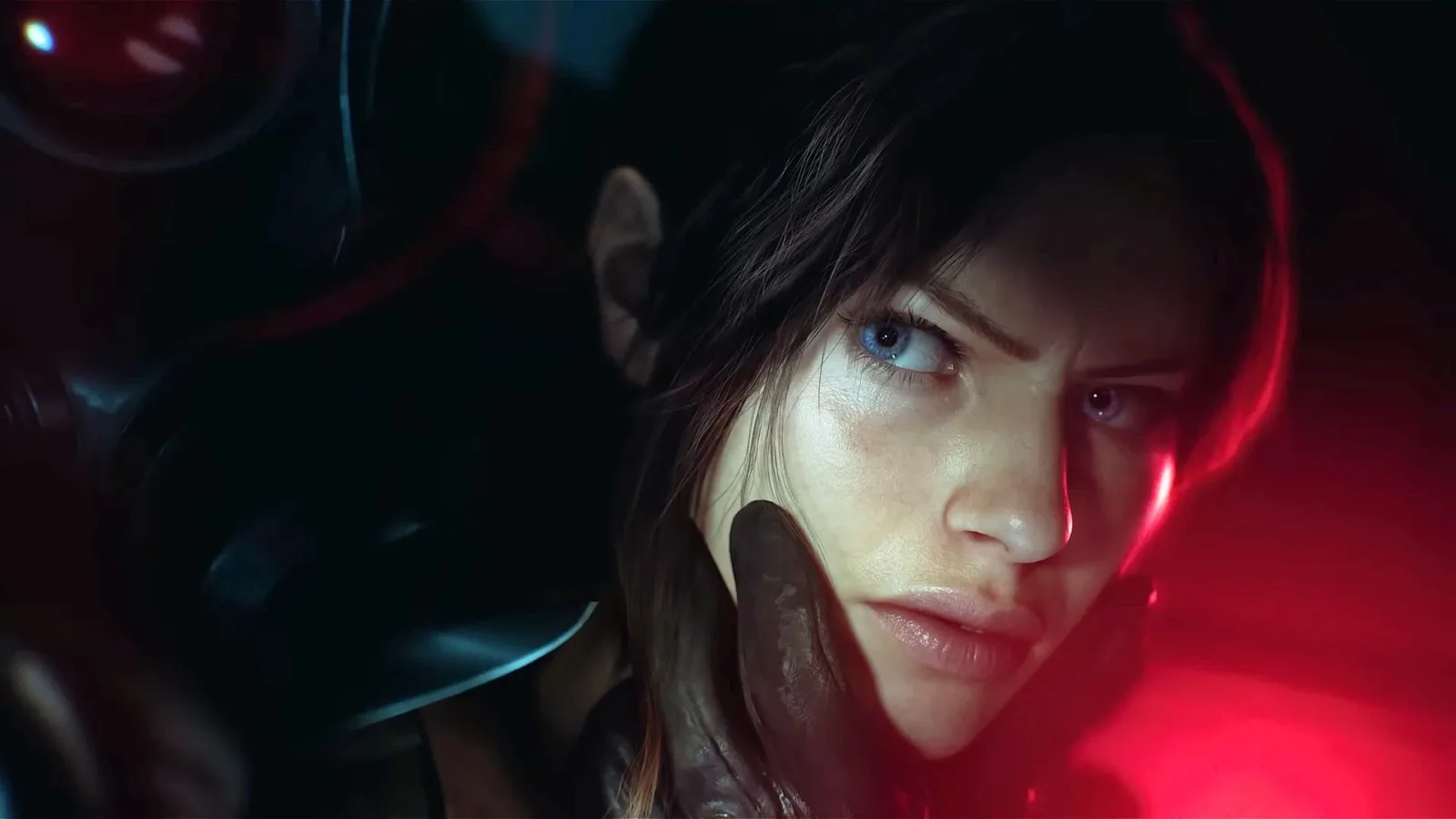
Capcom appears to be thinking well beyond its next Resident Evil release. In comments published as part of the franchise's 30th-anniversary coverage, executive producer Jun Takeuchi has described a long-term plan in which the series' remake line and its newer numbered entries eventually meet in a "crossover."
The remarks offer an unusually direct look at how Capcom views Resident Evil's current structure. The publisher has spent recent years supporting two connected but distinct tracks: modern sequels that move the wider story forward, and remakes that revisit pivotal events from the original games. Takeuchi's comments suggest those tracks are not intended to remain separate forever.
That does not amount to confirmation of any specific remake, a new game, or a timetable. It does, however, indicate that Capcom has been considering what happens when its revisited history catches up to the era represented by the contemporary mainline titles. For a franchise with decades of characters, organizations, locations, and unresolved narrative baggage, that prospect could become a major creative turning point.
Two Resident Evil paths, one eventual destination
Takeuchi characterized Resident Evil as operating through a two-pronged approach. The numbered games carry the ongoing drama of the series, while the remake releases allow players to experience earlier chapters of its history. It is a simple description, but an important one: Capcom does not seem to regard the remakes merely as standalone nostalgia projects.
For useful background on this topic, read Burning Sword: Death Sun Demo Now Live on Steam With High-Speed Wuxia Combat.
Instead, the remake initiative has helped make foundational Resident Evil stories available to a modern audience while reintroducing ideas that remain central to the franchise. The rebuilt versions of earlier games have put familiar people, places, and incidents back in front of players who may have entered the series through newer releases.
Takeuchi said that the remake line will eventually reach the period of the numbered titles, and that mechanisms for handling that moment are already under consideration. He further indicated that preparation has been happening gradually since Resident Evil Village.
That wording leaves plenty of room for interpretation. A crossover could mean a story event that directly combines characters and concepts from several eras. It could mean the remakes and new entries arrive at a shared narrative framework. It might also describe something more thematic, with classic lore and modern plotlines brought into closer alignment. Capcom has not detailed the format, and fans should be cautious about treating the tease as a reveal of a particular game.
Village, Umbrella, Spencer, and Raccoon City
Takeuchi pointed to the appearance of names including Umbrella and Spencer, along with the return of Raccoon City in Resident Evil Requiem, as elements of this wider preparation. Those references matter because they connect Resident Evil's current direction to some of its oldest and most recognizable mythology.
Umbrella is inseparable from the franchise's early identity, while the Spencer name carries major weight in the history of the organization and the broader origins of Resident Evil's biohazard outbreaks. Raccoon City, meanwhile, remains one of the series' defining locations: a disaster zone whose destruction shaped the world, its survivors, and the direction of later games.
Bringing those pieces back into focus can serve several purposes at once. For longtime players, it creates continuity with the games that established the series. For newer players, it provides accessible context for why those names remain significant. And for Capcom, it creates a clearer bridge between the events being revisited in remakes and the present-day stories of the numbered releases.
Requiem has already been described as pulling together material from across Resident Evil's history, with Umbrella and Raccoon City once again prominent. In that sense, it may offer an early example of the kind of blend Takeuchi has in mind, even if it is not necessarily the ultimate crossover he is teasing.
Why the remakes matter to Capcom's larger strategy
Takeuchi also reflected on the origins of the current remake strategy. He explained that Resident Evil 2 was selected for a remake if Resident Evil 7 proved successful. At the time, the earliest games were not easy to access despite Resident Evil having begun on PlayStation, and even where players could find them, those titles were decades old.
The modern remake approach therefore has a practical preservation role alongside its commercial and creative value. It gives Capcom a way to revisit landmark games with contemporary technology and presentation, while allowing the company to reframe older stories for an audience accustomed to more recent Resident Evil design.
That perspective also helps explain why the line is more than a simple archive project. The remakes can restore old story material to active relevance. Characters and plot points that once seemed locked to a specific console generation are now part of the conversation around the franchise's future again.
Takeuchi tied this thinking to the "RE" used throughout the brand, discussing it in terms that evoke both remake and response. The label is especially fitting for Resident Evil's modern era: these games respond to a legacy that is still important, but they also remake that legacy into something intended to stand alongside the newer installments rather than behind them.
No confirmation of Resident Evil 5 or Resident Evil 6 remakes
The immediate reaction to any discussion of the remake timeline naturally turns toward Resident Evil 5 and Resident Evil 6. If Capcom intends to let the remake strand advance toward the period of newer numbered games, those entries are obvious topics for speculation.
Still, Takeuchi's comments do not announce remakes of either title. They do not identify the next remake after Resident Evil Veronica, which is currently in development, and they do not promise that every past numbered entry will receive a rebuilt version.
There are reasonable grounds to expect Capcom to continue exploring remakes. The earlier modern remakes have been successful, and Resident Evil Veronica demonstrates that the company is still willing to revisit important parts of the series' history outside the most straightforward numbered sequence. But expectation is not confirmation.
That distinction is particularly important with a franchise as expansive as Resident Evil. A future crossover may require more than a predictable run through older games. Capcom could choose to adapt, condense, reinterpret, or reference material in ways that do not map neatly onto a conventional remake schedule.
Requiem's title may carry another clue
Takeuchi also highlighted the spelling of Requiem, saying the title was not chosen solely because of the word's traditional meaning. In his explanation, REQUIEM contains both "RE," associated with the response idea he had discussed, and "Q," which he linked to a question.
His broad suggestion was that Requiem contains both an answer and a question, with the fuller meaning to be explained at a later time. It is deliberately cryptic, but it reinforces the impression that Capcom is positioning the game as part of a larger narrative conversation rather than an isolated chapter.
Translation differences have circulated around Takeuchi's Japanese comments, especially over the precise wording of the crossover plan. The central point is consistent, though: Capcom is looking ahead to the day when the remake era reaches the newer numbered era, and it has been planting connective material in the meantime.
A long view toward Resident Evil's 40th anniversary
Takeuchi said players should understand the meaning of the crossover before Resident Evil reaches its 40th anniversary. As the series' 30th-anniversary discussion makes clear, that gives Capcom a substantial window for the plan to develop.
It also signals confidence in Resident Evil's future. Rather than treating its history as a finite catalog to be remade until no obvious candidates remain, Capcom appears to see the past and present as resources that can eventually be brought together. The result could give the franchise a new way to honor its origins while continuing its ongoing story.
For now, the most concrete takeaway is patience. Resident Evil Veronica is on the way, Resident Evil Requiem is carrying forward prominent legacy elements, and Capcom's producers are openly framing both strands as parts of a larger design. The exact nature of the promised crossover remains unanswered--but, fittingly, that unanswered question seems to be part of the point.
Community
Discussion
Start the conversation.
No comments have been posted yet.