

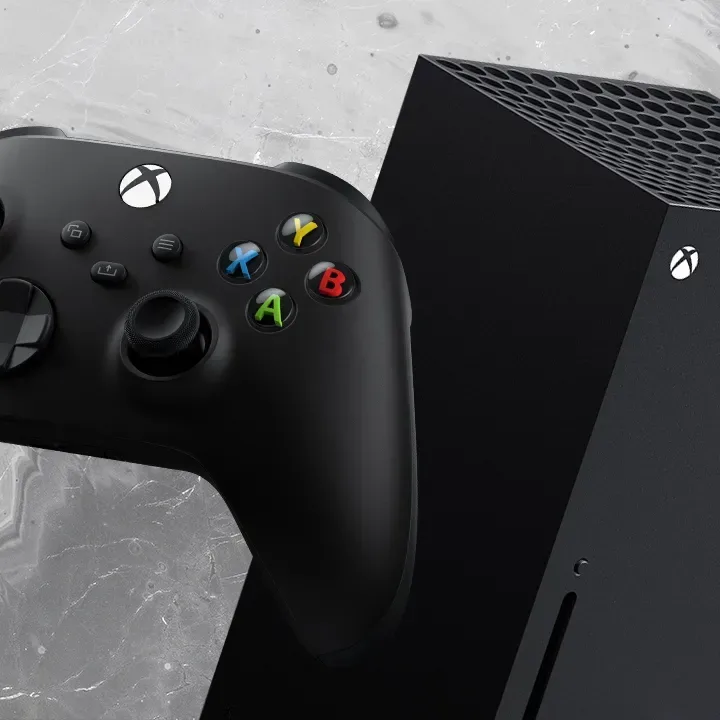
Xbox is facing a defining strategic question, and former PlayStation executive Shawn Layden believes the answer cannot remain ambiguous forever. Speaking about the challenges now facing new Xbox CEO Asha Sharma, Layden characterized the decision as a potential "Dreamcast moment": a point at which a major game business must decide whether to continue pursuing console hardware or redirect its full weight toward publishing games across the wider market.
Layden's central advice was straightforward: pick a lane. In his view, Microsoft has two plausible paths. One would be a serious renewed attempt to compete with PlayStation in the hardware-platform market, supported by the right approach to exclusives, third-party partnerships, and a future console strategy. The other would be to recognize the scale of Microsoft's game publishing portfolio and lean completely into becoming one of the world's leading multiplatform software companies.
The comments arrive during a turbulent period for Xbox. Microsoft's gaming organization has undergone a major restructuring that has resulted in almost 2,000 job losses, while multiple studios have either departed the Xbox organization or faced closure. A number of projects have also been canceled. At the same time, Xbox appears to be concentrating its investment around a smaller selection of major brands, including The Elder Scrolls, Fallout, and Minecraft. The Halo franchise has meanwhile been moved under Activision, the company behind Call of Duty.
Why Layden Invoked the Dreamcast
Layden's comparison refers to Sega's exit from the console manufacturing business in early 2001. The Dreamcast, Sega's final home console, failed commercially despite earning passionate support and building a library that remains highly regarded. Afterward, Sega stopped producing hardware and became a software publisher, bringing its games to competing systems including Sony's PlayStation 2.
For useful background on this topic, read Shure MV6 Gen 2 Brings White Design and Smarter Controls to USB Gaming Audio.
That transition ended an important era in gaming. Sega had produced a string of notable hardware products before the Dreamcast, from the Sega Genesis and Game Gear to the Sega Saturn. Yet leaving the console race did not mean leaving the games business. Sega instead continued as a developer and publisher, ultimately releasing games for platforms made by its former rivals.
Layden's point is not that Xbox has already chosen that future, nor that its departure from console hardware is inevitable. Rather, he argues that Microsoft has enough publishing power that it could thrive if it chose to prioritize software over a direct platform battle. Microsoft now owns Activision Blizzard and Bethesda, alongside Xbox Game Studios and a collection of globally recognizable properties. Even while noting Tencent's scale in the global industry, Layden suggested Microsoft is the largest game publisher in the Western market.
"You got to pick a lane," Layden said, laying out the choice between becoming a competitive hardware platform again or embracing the role of a dominant software company.
The Case for Continuing the Console Fight
One route would be for Xbox to double down on the platform business. Microsoft has confirmed work on a next-generation console, currently known as Project Helix, and the prospect of new Xbox hardware puts the company on course for another clash with a future PlayStation system, commonly expected to be called PlayStation 6.
Layden stressed that it is not impossible for Xbox to make another run at competing with PlayStation. However, doing so would require decisions that reinforce the value of the Xbox platform itself. Exclusivity is a major part of that discussion. The more Microsoft releases its biggest games on rival hardware, the more it expands the audience and revenue potential of those games--but it can also make an Xbox console less essential for players deciding where to spend their money.
Third-party support is another central issue. A successful console platform needs more than first-party games. It needs publishers to see its hardware as a meaningful place to launch titles, market products, and build long-term communities. That involves hardware performance, tools, commercial terms, audience size, retail presence, and confidence that the platform will remain a major part of the market for years to come.
Xbox has not matched PlayStation's console sales performance for multiple generations. The Xbox Series X and Series S have faced softer sales than their PlayStation counterparts, following similar difficulties for Xbox One. Those realities have fueled recurring speculation over whether Microsoft will eventually stop making dedicated Xbox consoles. Yet company leadership has publicly maintained its commitment to hardware. Microsoft CEO Satya Nadella and Sharma have both continued to position console hardware as a core piece of the company's gaming plans.
For a hardware-first strategy to be convincing, Project Helix would need to offer a clear answer to a difficult consumer question: why should someone buy an Xbox console specifically when many Microsoft games are also available on PC and, increasingly, on other console platforms? That does not mean exclusivity must be absolute, but it does mean Xbox would need a coherent identity and a compelling reason for players to enter its ecosystem.
The Software Giant Option
The alternative is the path Layden compared to Sega's post-Dreamcast transformation. Microsoft could decide that its greatest opportunity is not to sell a box under televisions, but to publish games wherever the largest possible audience plays them. The company's portfolio gives it unusual strength in this area.
Activision Blizzard brings Call of Duty, World of Warcraft, Diablo, Overwatch, and more. Bethesda contributes series including The Elder Scrolls, Fallout, and Doom. Mojang's Minecraft remains one of the biggest cross-platform games in the world. Xbox Game Studios adds franchises and development teams built over decades of investment. Combined, that is a publishing foundation few companies can rival.
A publishing-led Xbox could potentially prioritize release reach across PC, PlayStation, Nintendo hardware, Xbox systems while they remain available, cloud services, and other future devices. Such a model would not automatically mean the end of Game Pass or the Xbox brand. It would mean that the brand's center of gravity shifts away from using proprietary hardware as the primary gateway to Microsoft's games.
There are obvious benefits to that approach. Major releases can reach more customers, reduce dependence on one hardware install base, and create more opportunities for recurring revenue through expansions, live-service content, subscriptions, and long-term franchise support. Microsoft is already moving in this direction to an extent, with more Xbox titles appearing beyond the company's own console ecosystem.
But there are trade-offs. Moving too far toward universal availability can weaken the distinct purpose of Xbox hardware. It may also alter how consumers perceive Game Pass, first-party releases, and the value of remaining inside the Xbox ecosystem. That tension is exactly why Layden believes the company needs a more decisive direction rather than an indefinite balancing act.
Rising Hardware Costs Complicate Everything
The debate is happening as the economics of traditional consoles become increasingly challenging. Sharma has previously discussed the pressure created by rising component costs, particularly memory pricing amid what has been described as the RAMpocalypse. Global crises and growing demand linked to artificial intelligence have contributed to higher costs for existing and future hardware components.
In June, Sharma said the next generation may require "radically different business models." The concern is not merely that premium devices are expensive today. It is that the industry could reach a point where a new generation of hardware costs thousands of dollars, putting conventional consoles beyond the reach of the mass-market audience that made past generations successful.
That pressure is affecting the entire industry, not only Microsoft. Former PlayStation executive Shuhei Yoshida recently argued that Sony and Nintendo need to keep their current systems viable for as long as possible as costs rise. PlayStation 5 and Switch 2 price increases have already underscored how difficult it has become to preserve the old expectation that console prices steadily fall as a generation matures.
For Xbox, this environment makes Project Helix more consequential. A future Xbox cannot simply be judged by technical specifications. Microsoft will need to decide what the machine is for, how it earns money, how it fits with PC and cloud gaming, and whether its value proposition can survive rising prices across the industry.
Big Questions Still Hang Over Project Helix
Microsoft has not yet fully explained what Project Helix will look like or how it will fit into the company's wider plans. That uncertainty leaves several major questions unanswered. How traditional will the next Xbox console be? Will it rely more heavily on digital distribution, cloud integration, subscriptions, or PC-like flexibility? What role will physical media and retail play? And, most importantly, how much exclusivity will Microsoft preserve for its own platform?
Layden's advice does not resolve those questions, but it frames the stakes clearly. Xbox can attempt to be a stronger, more focused challenger in the console market, building hardware and platform advantages that make its ecosystem indispensable. Or it can accept that its unmatched publishing footprint may be the more powerful long-term asset and pursue audiences on every viable device.
Both choices involve risk. Both could also be successful. What may be hardest to sustain is a strategy that attempts to maximize the benefits of both without making clear sacrifices or commitments. As Xbox restructures around its largest franchises and weighs a costly new hardware era, Sharma's eventual answer could determine not only the shape of Project Helix, but the meaning of Xbox itself in the years ahead.
Community
Discussion
Start the conversation.
No comments have been posted yet.