

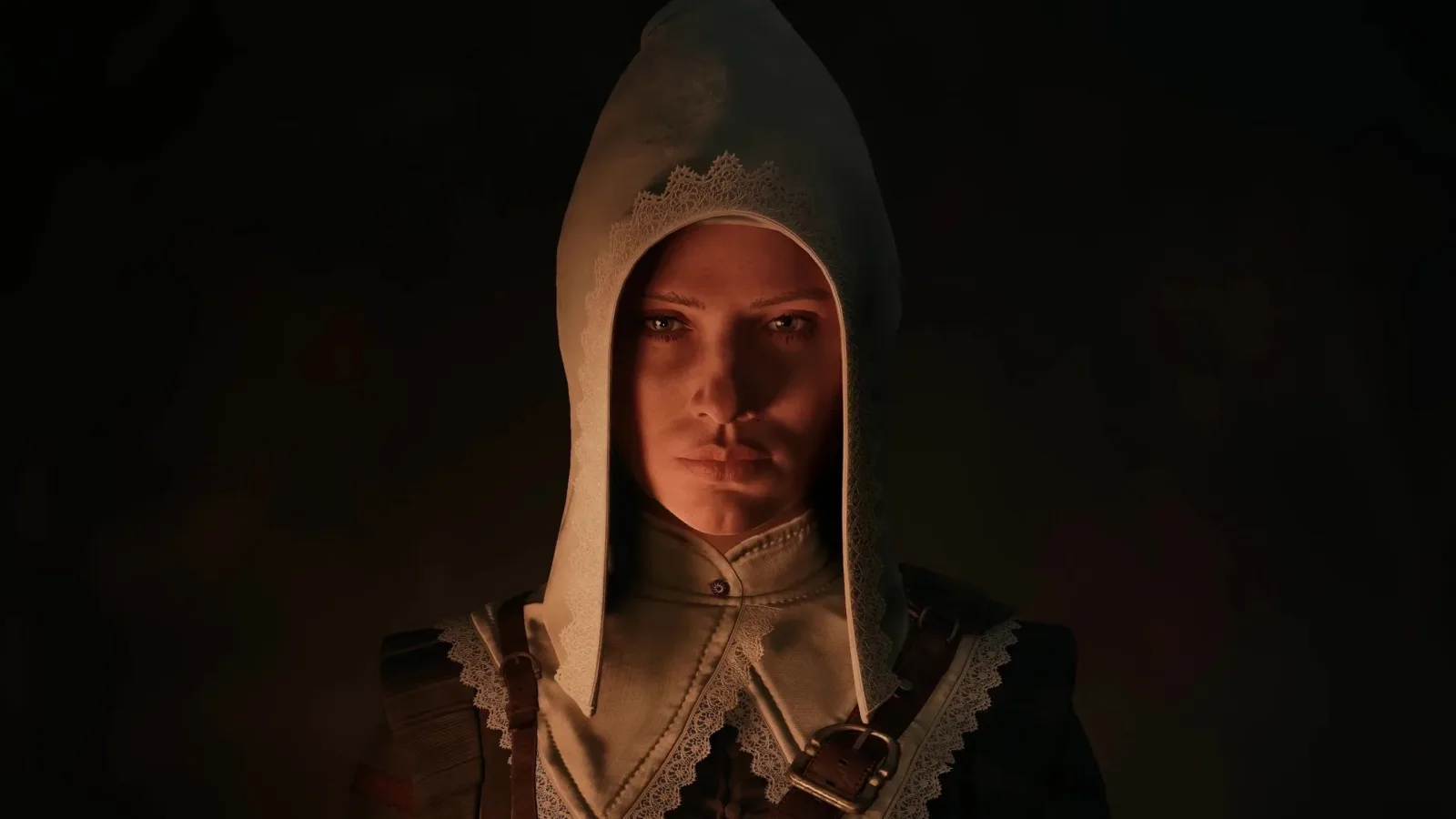
1666 Amsterdam has reached Early Access after a development journey that stretches back more than a decade, but Patrice Désilets does not see the launch as the end of a long campaign. Instead, the Panache Digital Games project has entered what may be its most important phase: building the game alongside the people playing it.
Désilets, widely recognized for his foundational work on Assassin's Creed, has spent years revisiting, rethinking, and rebuilding the concept behind 1666 Amsterdam. The game arrived in Early Access in August 2026, following a lengthy intellectual-property dispute with former employer Ubisoft after Désilets' 2013 departure. Now, with players able to get their hands on Noa's supernatural story, the studio is collecting the kind of direct feedback that can reshape systems before version 1.0.
That is a significant distinction for a game that has already changed dramatically. The version now in players' hands is not simply an old pitch finally released. Its protagonist, themes, mechanics, and even core supernatural premise have evolved over time. At one point, Désilets' idea was centered on playing as the devil. Eventually, he concluded that was no longer the story he wanted to make.
From a devil-centered concept to a new vision of witches
Désilets said the initial version of 1666 Amsterdam emerged shortly after his work on Assassin's Creed. He was still influenced by the characters and design principles that helped define that series, including the rules and structures developed around Altair and Ezio Auditore. The earliest conception of the new project was therefore very different from the witch-focused experience Panache is now making.
For useful background on this topic, read Tetris Has Been Re-Released More Than Any Other Game--and It Still Fits Everywhere.
When he returned to the project around 2020, Désilets revisited its fundamentals. Rather than continuing with the original devil-focused approach, he began considering what sort of character could embody the darker, uncanny side of the world he wanted to portray. The answer was witches.
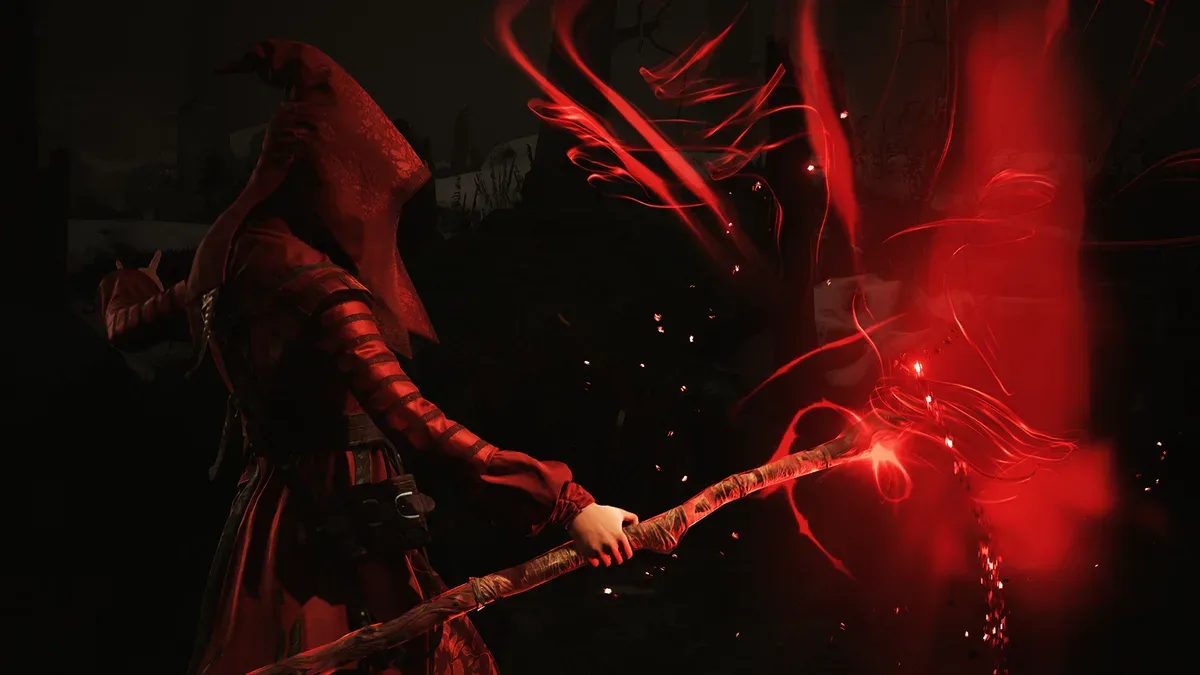
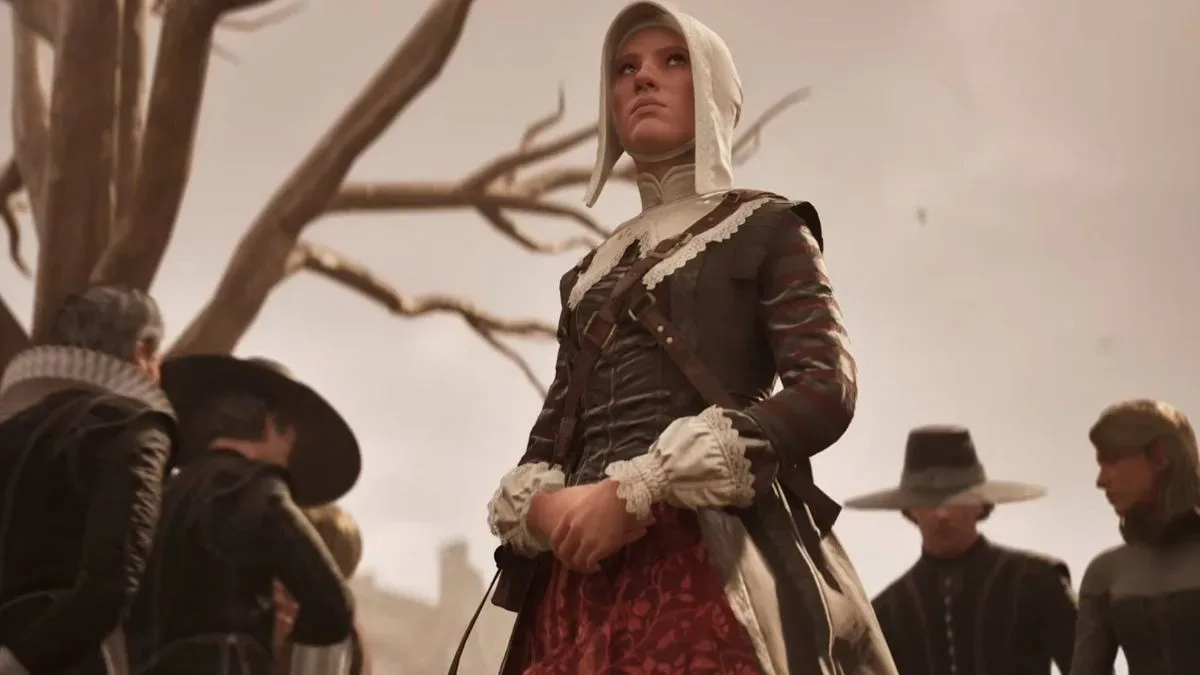
The goal was not to lean on a passive or familiar fantasy stereotype. Désilets wanted to approach witches with the same sense of reinvention he had brought to assassins: building an open-world framework around a powerful, memorable central figure. In this case, that means a witch who can use a broom and inhabit a version of 17th-century Amsterdam shaped by magic, danger, and witch-hunt anxieties.
That pivot helps explain why 1666 Amsterdam has spent so long in development. Its creators were not merely polishing a fixed design. They were willing to return to the beginning, discard a direction that no longer felt right, and construct a new identity around Noa and the game's two-period premise.
The result is a project with an unusually long history, but Désilets appears convinced that continuing to pursue it was worthwhile. Releasing it to players has brought a mix of satisfaction and uncertainty. The game is available, visible, and receiving reactions, yet the team's work immediately continues. Early Access is not a victory lap; it is the next stage of development.
Early Access is meant to be an active design process
Panache Digital Games has approached Early Access as a practical extension of its existing iterative process. Désilets describes a development culture in which the team tests ideas, listens closely to what the game itself is revealing, and accepts that some concepts will not work as intended.
That outlook matters because 1666 Amsterdam includes systems designed to alter how players deal with missions from one attempt to the next. It is not a game where every decision has been treated as untouchable. On the contrary, the studio has already altered a major progression mechanic after playtesting made it clear that the original version was too punishing.
Previously, failure could strip Noa of the abilities a player had gathered, requiring them to go back into the open world and locate those powers again. Players who had spent a long time collecting abilities reacted strongly to the prospect of losing that investment. Panache listened and changed the structure.
In the Early Access build, discovering coffers and curiosity cabinets unlocks categories of abilities permanently. A failed attempt does not force a player to repeat the complete hunt for those discoveries. Instead, the game rerolls the abilities available for the next run, creating a new combination that may include some familiar tools alongside others that demand a different approach.
This means a player may enter one mission well-equipped for direct confrontations, then return after a failure with a kit that emphasizes another discipline. Désilets used the example of losing access to Warp, which can make Noa physically formidable, while gaining greater strength in Compulsion. The intent is to produce a strategic shift rather than simply punish the player with a reset.
Completing an Esbat, described as a full moon cycle, also provides a further measure of long-term security. Players can lock one or two abilities permanently after finishing one. It is a compromise between roguelike-style unpredictability and the understandable desire to preserve meaningful advancement.
Feedback can change mechanics, but not every creative choice
Désilets is clear that community participation has limits. Players can help identify friction, reveal unexpected mechanical opportunities, and support changes that make the experience clearer or more enjoyable. If community suggestions line up with ideas already on the studio's backlog, those shared priorities can move rapidly to the front of the queue.
However, Panache is not handing over every creative decision. The narrative remains the team's responsibility, and the story is intended to remain a surprise for players. Likewise, some character and thematic choices are already settled.
One especially notable example is the cat. During development, there was a period when players could possess cats, before the idea was removed. Désilets had worried that pairing a witch with a cat might feel overly familiar. Eventually, though, the team found a narrative reason that made the relationship feel more integral to the game rather than merely decorative.
Aaron, a figure from 1999, was once conceived as a spectral humanoid who could possess people. The current idea of having him possess a cat in 1666 creates a tighter bond between the game's two time periods and its two major characters. Rather than treating the cat as a surface-level witch motif, Panache is using it to weave together the 1999 and 1666 sides of the story.
So while mechanical feedback can influence balance and player-facing systems, fans should not expect every element to become a vote. Noa's cat is not an interchangeable animal selected by committee. The relationship serves the narrative structure that Panache wants to tell.
A long-awaited project enters its most flexible period
The timing of 1666 Amsterdam has inevitably drawn attention from players interested in witch-trial-era fiction. Ubisoft's Assassin's Creed Codename Hexe, another project associated with witch-trial themes, has reportedly been delayed by a year and had not received a proper reveal before 1666 Amsterdam entered Early Access. Still, Désilets' game has its own complicated lineage and has clearly been in his thoughts for far longer than any recent comparison suggests.
Its defining feature now may be its willingness to remain flexible. The team has a plan, a backlog, and control over the story it wants to tell, but it is also receiving real player data instead of relying only on internal assumptions. That can expose problems more quickly than traditional late-stage testing, particularly for a game built around repeat attempts, changing powers, open-world exploration, magical combat, and investigation.
For players, the central promise is that feedback can have a real effect on how 1666 Amsterdam develops. The revised ability system is already evidence that Panache is prepared to adjust a core loop when testing shows that the cost of failure feels excessive. At the same time, the studio is trying to protect the unpredictability that makes each run distinct.
After 16 years of changing ideas, delays, and reinvention, 1666 Amsterdam is no longer solely a concept in Désilets' head. It is an Early Access game with a foundation in place, a community beginning to respond, and a development team prepared to keep changing the details. The journey to version 1.0 remains unfinished, but Noa's story has finally begun its public chapter.
Community
Discussion
Start the conversation.
No comments have been posted yet.