


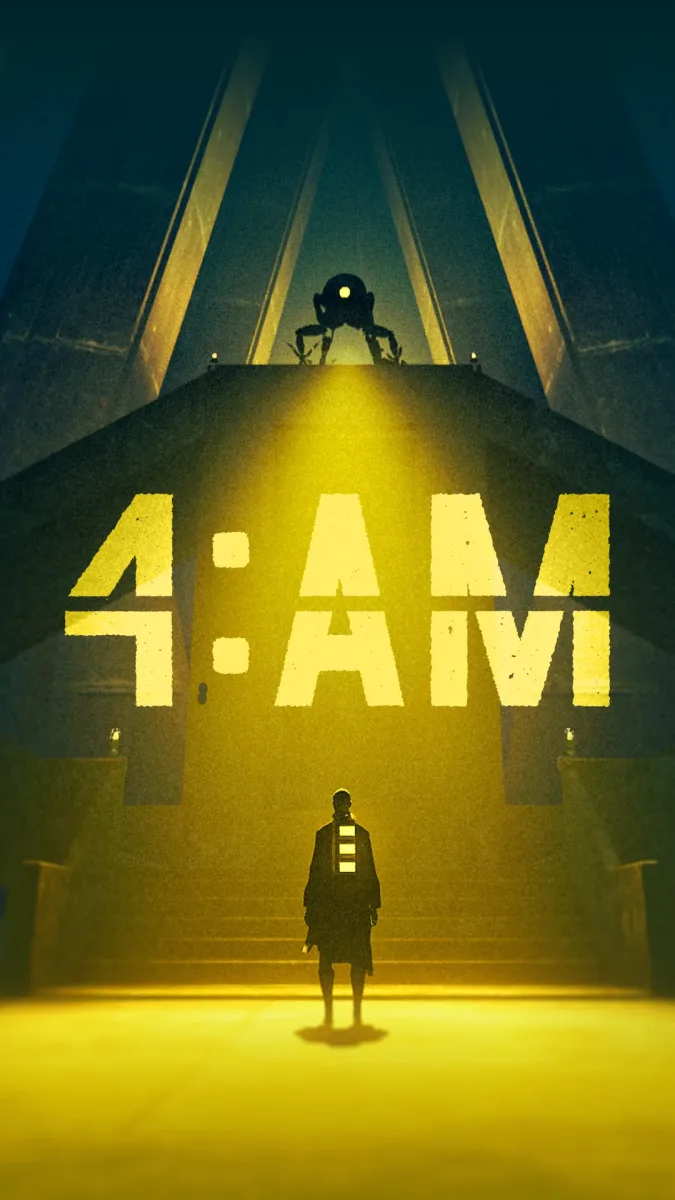
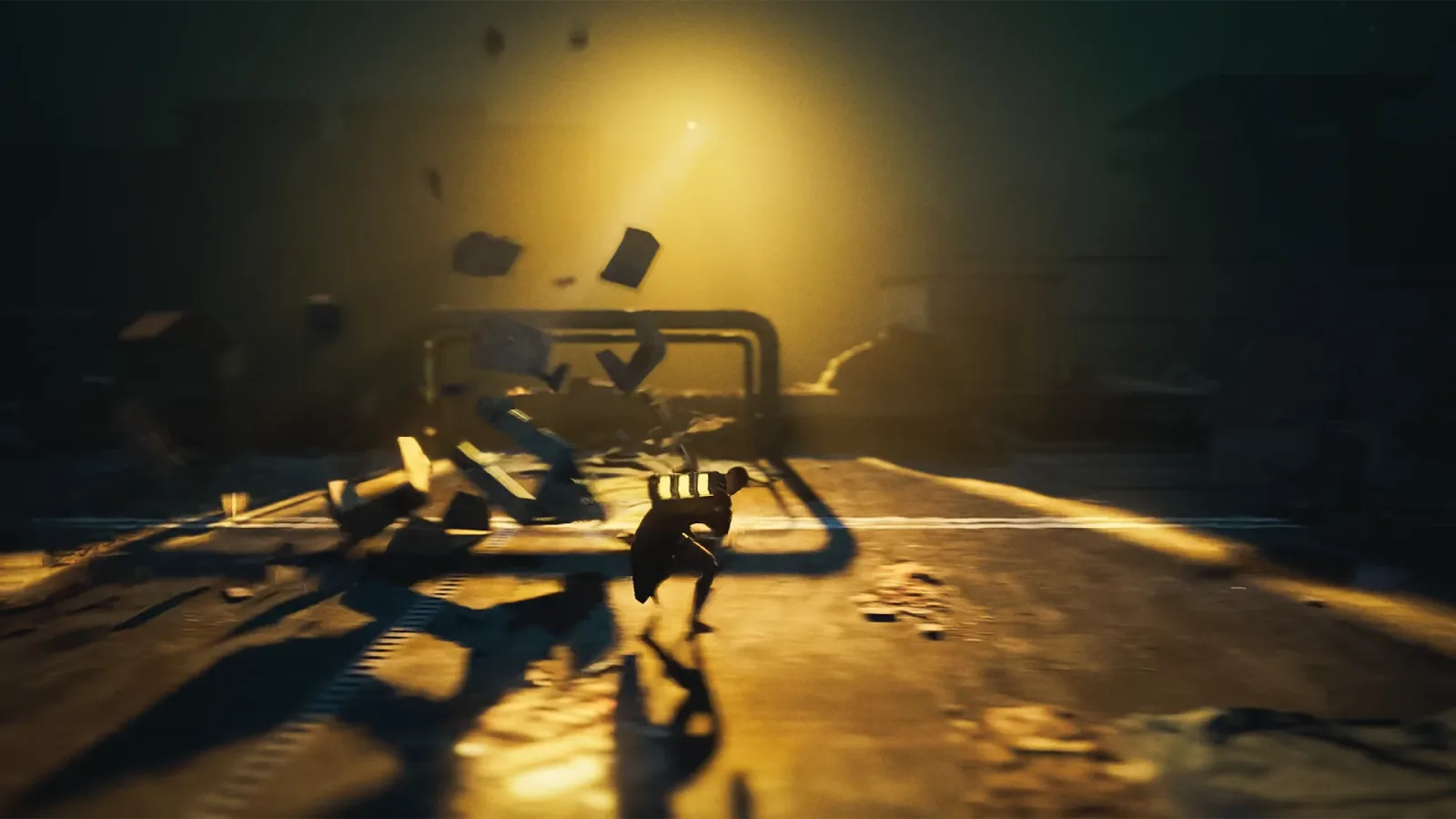
4:AM, the upcoming cinematic puzzle platformer from Dark Zone Studios, will launch for PC through Steam on December 10, 2026. Set in a bleak near-future society shaped by a mysterious material known as the Yellow, the game follows an escaped captive named Aila as she navigates dangerous facilities, hostile pursuers and environmental puzzles where direct confrontation is not the intended answer.
A demo for 4:AM is available now, giving PC players an early chance to see how its central object-copying mechanic works. The full game is built around N.O.D.E., a system that allows Aila to duplicate objects in the world and then place those copies elsewhere. That premise gives the game's stealth, platforming and puzzle scenarios a flexible foundation: a mundane piece of furniture, a scattered bit of debris, a lamp or a functional tool may become a hiding place, diversion or a path through an otherwise blocked area.
Dark Zone Studios describes 4:AM as a game in the cinematic puzzle-platformer tradition of INSIDE and Little Nightmares. Its emphasis is on a tense atmosphere, environmental storytelling and vulnerable survival rather than force. Aila will need to study her surroundings, make use of what is available and react quickly when a carefully arranged plan begins to fall apart.
A dystopia built around the Yellow
The setting of 4:AM is a near-future dystopia divided between people who control the Yellow and the people exploited to produce it. The substance sits at the center of the world's social order, with those unable to command it treated as test subjects and lab rats. Aila begins her journey after escaping from one such facility, but getting outside is only the first step in a larger effort to survive.
For useful background on this topic, read GRAVHOUNDS Co-Op Trailer Details Missions Ahead of November Early Access.
That framing makes the game's systems especially fitting. Aila is not presented as someone who can overpower every threat in her way. Instead, she must use awareness, timing and improvisation to gain an advantage. The spaces she passes through are not simply backdrops for traditional jumping challenges; they are collections of potential materials, hazards and opportunities. The same environment that exposes her to danger may also provide the piece she needs to evade detection or reach safety.
The game's title suggests an uneasy hour of the night, and its premise leans into that sense of vulnerability. An escape through a hostile world is not only about locating a door or activating a mechanism. It is also about deciding what can be moved, copied, disrupted or left alone while enemies remain nearby and the consequences of a mistake can escalate quickly.
N.O.D.E. turns the environment into a toolkit
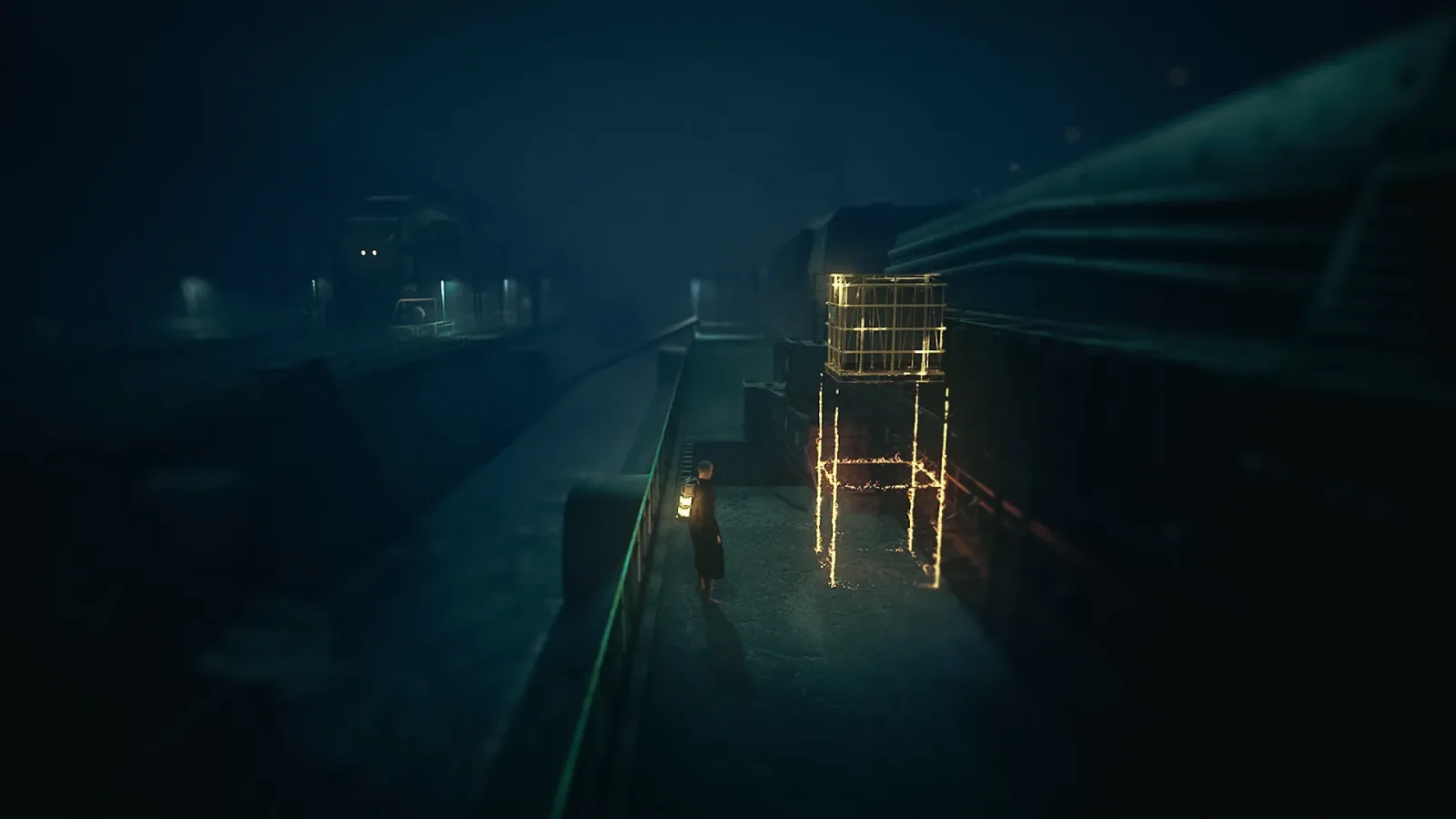
The defining feature of 4:AM is N.O.D.E. Through this system, players can copy objects directly from their surroundings and deploy them in different places. Dark Zone Studios has identified furniture, debris, light sources and useful tools among the kinds of objects that can be repurposed. The function of a copied item changes with the situation: it might provide cover, draw attention away from Aila or help form a route beyond an obstacle.
For another perspective on this story, read 4:AM Brings Object-Copying Puzzle Escapes to Steam on December 10, 2026.
This is more than a simple collection mechanic. The intended tension comes from having to read a space and decide what matters before acting. A chair might obstruct a line of sight, while an object placed in a different position could create noise or offer access to a new ledge. A light source may have value beyond illumination if it can affect what an enemy notices. The system asks players to consider objects as pieces of a broader plan rather than fixed decorations.
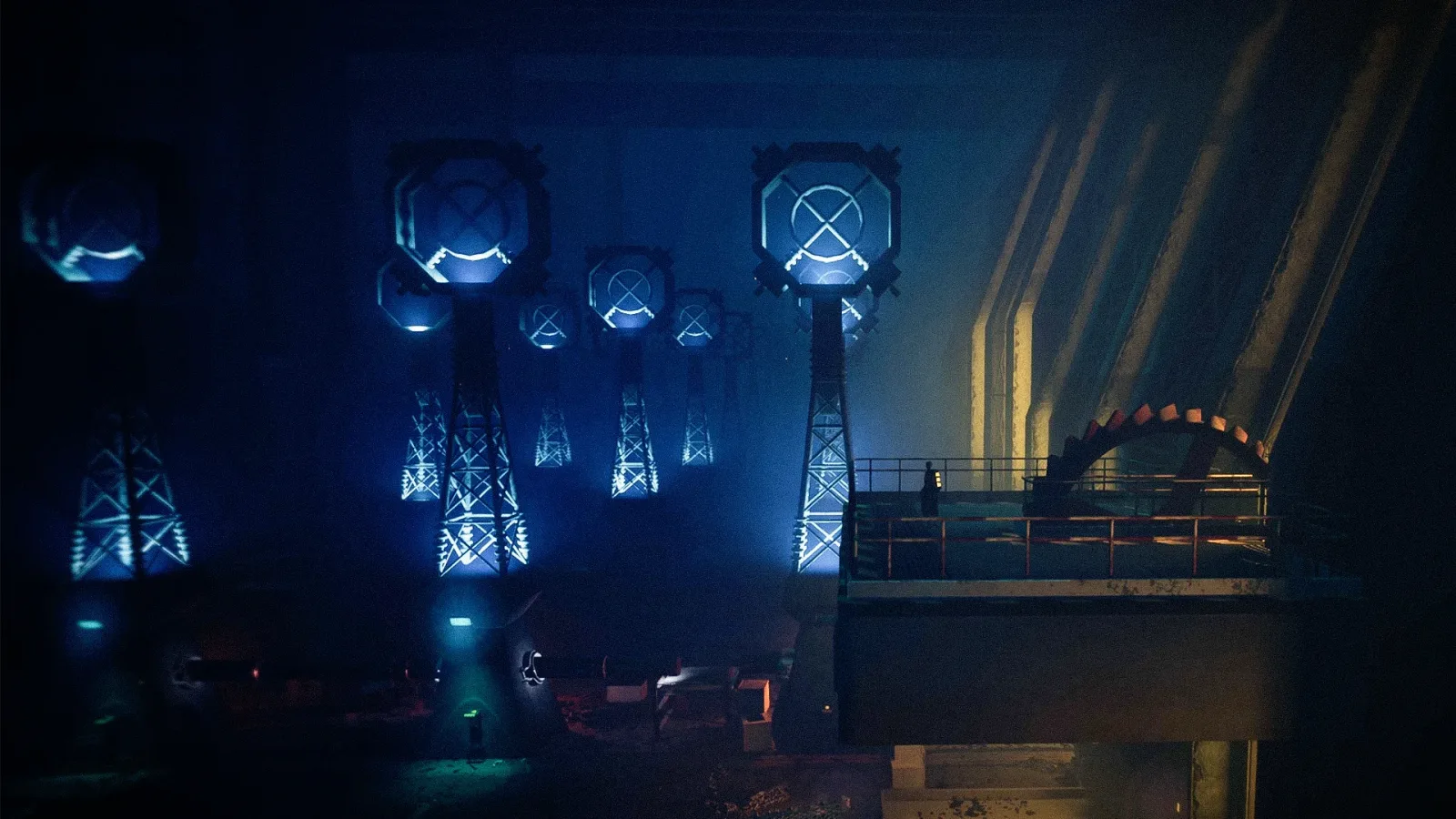
Environmental conditions also respond dynamically to context and materials. Electricity, water and fire can each act as dangers or as tools, depending on the way they are used. That design creates room for experimentation, though it also means an action that seems useful in one moment may introduce a new problem in another. Aila may need to turn a threatening element to her advantage, or avoid setting off a chain of events that removes a safe path.
For a puzzle platformer, that approach can make individual rooms feel less like single-answer tests. The core challenge is not necessarily identifying one prescribed interaction. It is understanding the tools, threats and possible reactions present in the moment, then choosing a method that suits the player's circumstances.
Stealth, misdirection and risky solutions
4:AM supports multiple ways to address puzzles and encounters. Players can favor stealth, create misdirection or take a more dangerous improvisational route when a clean plan is no longer possible. Rather than locking every problem to one solution, the game is designed to allow different uses of N.O.D.E. and the environment.
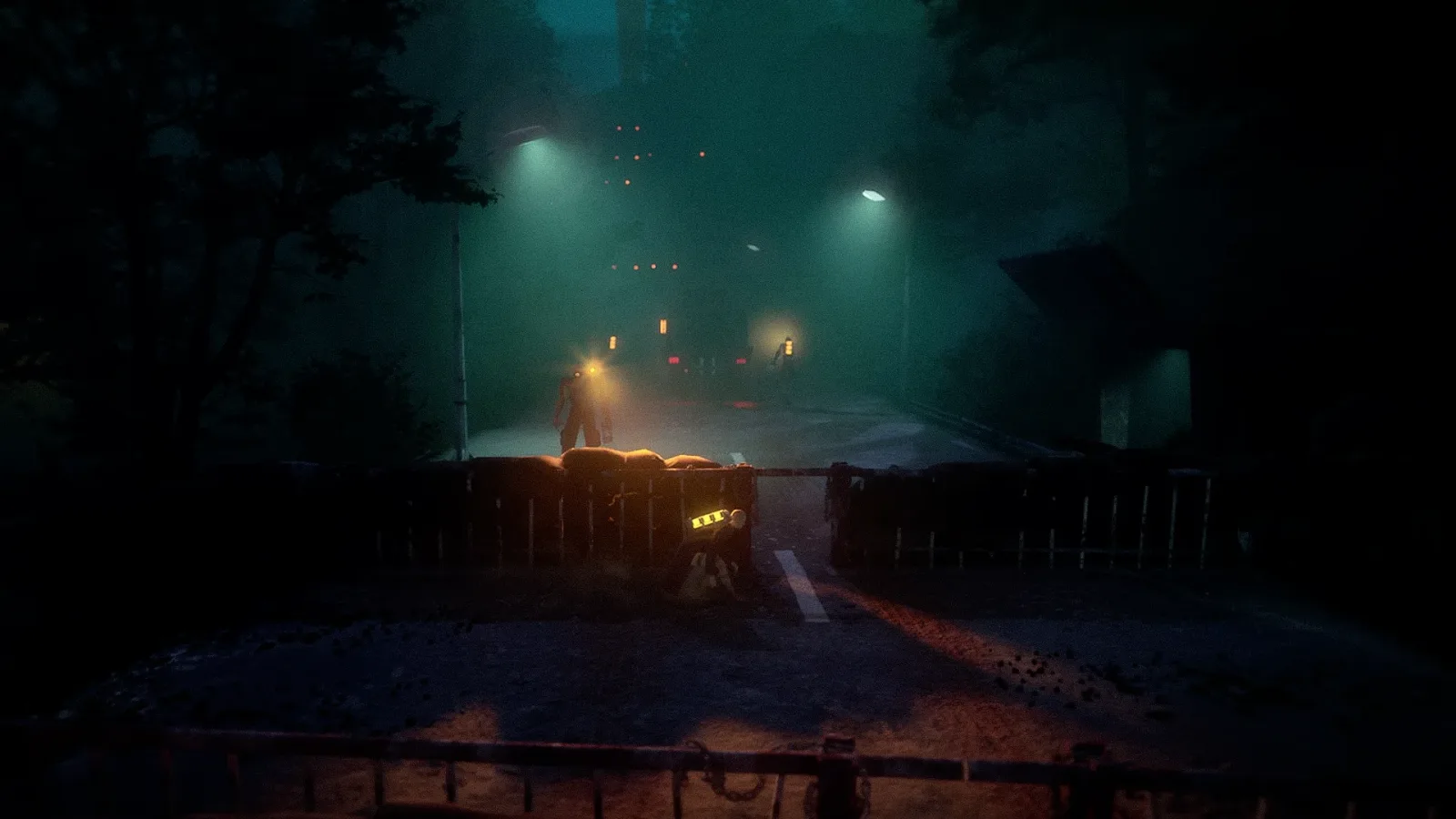
Enemies react to sound, movement and disruption, making them an active consideration rather than stationary obstacles. A quiet approach may be the safest option, but a player could also create a distraction with an object or interfere with the environment to pull attention in another direction. These systems are meant to make each encounter unstable in an interesting way. A solution can work, go wrong or force a rapid change in strategy depending on how the surrounding threats respond.
That instability is important to the game's identity. Carefully planned stealth can turn into a desperate escape if a distraction is noticed, a route closes off or an enemy responds to an unexpected disturbance. The player is encouraged to prepare, but not to expect complete control. Aila's ability to copy and reposition objects gives her options; it does not eliminate the risks involved in using them.
The result is a game that places pressure on moment-to-moment judgment. Players may have to decide whether an object is more valuable as cover or as bait, whether a hazard should be avoided or activated, and whether there is time to set up a safer route before an enemy arrives. The best choice may differ from one attempt to the next, particularly when plans are interrupted.
A world that keeps moving
Dark Zone Studios says events in 4:AM can unfold whether the player intervenes or not. This means Aila's surroundings are not entirely waiting for her to pull a lever or enter a specific trigger zone. Situations may develop on their own, adding urgency to the decisions players make and reinforcing the idea that escape is taking place inside a living, dangerous system.
Player choices can also influence who survives and how Aila's story concludes. The announcement does not detail every branching scenario, but it establishes that the narrative outcome will not be entirely separate from the actions taken during the journey. In a game concerned with exploitation, captivity and survival, those choices could make the difference between simply reaching the next area and deciding what kind of escape Aila is able to achieve.
This structure complements the flexible puzzle design. When environments offer several approaches and events do not remain frozen until the player acts, decisions gain weight beyond the immediate obstacle. Choosing to intervene may create one outcome, while moving on or taking a different route may lead to another. The game's story is therefore positioned as something shaped by more than a single linear sequence of solutions.
What PC players can expect
At its core, 4:AM combines cinematic side-scrolling puzzle-platforming with a systems-driven approach to interaction. Its world is designed around oppressive facilities and a hierarchy formed by control of the Yellow, while its gameplay gives Aila a tool capable of changing the role of everyday objects. The tension comes from using that tool under pressure, with reactive enemies and hazardous environments ensuring that copying an item is only the beginning of the problem.
Players looking for a game focused on atmosphere and environmental problem-solving will find familiar genre touchstones in its presentation, but N.O.D.E. is intended to give 4:AM its own angle. Instead of relying only on switches, keys and predetermined contraptions, the game encourages players to assess what is already in the scene and turn it into an advantage. A route can be created, a guard can be diverted, or a hazard can become part of a solution.
There is still time before launch, but the available demo offers the immediate way to sample that design. It should provide an early look at Aila's movement, the game's oppressive setting and the practical possibilities of duplicating objects under threat. For players who enjoy puzzle-platformers where observation matters as much as execution, 4:AM is one to watch as its December release approaches.
4:AM release details
- Game: 4:AM
- Developer: Dark Zone Studios
- Genre: Cinematic puzzle platformer
- Platform: PC via Steam
- Release date: December 10, 2026
- Demo: Available now
4:AM arrives on PC via Steam on December 10, 2026. Until then, the demo is available for players who want to test Aila's escape tools and see whether they can turn the environment itself into a way out.

Community
Discussion
Start the conversation.
No comments have been posted yet.