

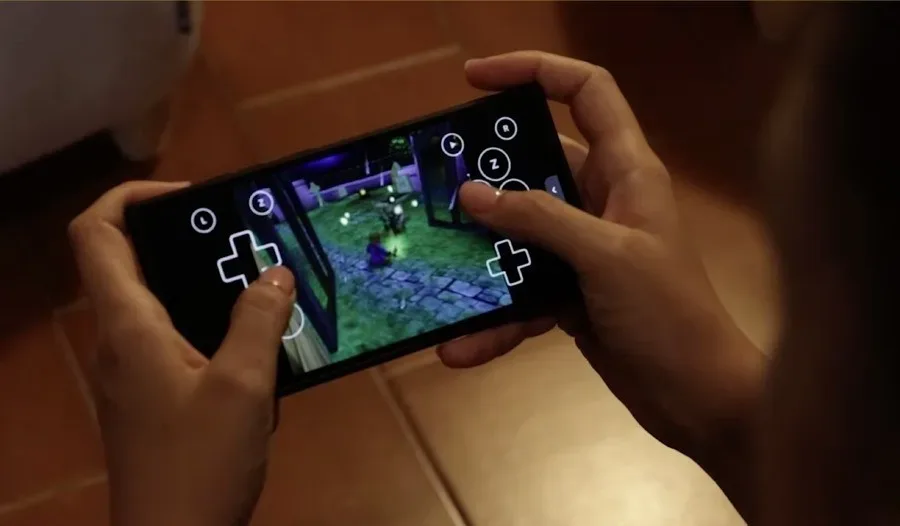
Piko Interactive has brought the Bleem name back with Bleemcast!, a mobile-focused retro gaming service now available in beta for iOS and Android. Rather than reviving its earlier all-purpose digital marketplace exactly as proposed, the company has narrowed the idea into a subscription platform built around immediate access to classic games on a phone, with an option to cast play to a larger display.
The service is being presented as a streaming-era answer to retro game libraries: players open an app, choose from the games currently included, and begin playing without needing to buy each title individually. At launch, the library consists of Piko Interactive-published games, though the company says it intends to pursue additional intellectual-property owners and publishers as it expands the catalogue.
Bleemcast! carries a notable name in emulation history. The original Bleem was a PlayStation emulator that became particularly well known for its Dreamcast incarnation in the early 2000s. Piko's use of the brand has now moved through more than one proposed retro-gaming initiative, with the new mobile beta representing a more focused version of its previous ambitions.
Embedded X/Twitter post
From Bleem.net to Bleemcast!
Last year, Piko Interactive attempted to fund a project called Bleem.net through Kickstarter. That proposal was much broader than a conventional retro game app. It was described as an extensive platform where users could purchase physical and DRM-free digital games, browse merchandise including toys and comics, and access an on-demand selection of animated and live-action programming.
For useful background on this topic, read A Practical Starter Guide to Mobile Games: Finding the Right Adventure, Puzzle, RPG, or Arcade Challenge.
The campaign did not reach its funding goal. Afterward, Piko Interactive founder Eli Galindo said the animation and comics elements would be separated into projects of their own, rather than remaining tied to the gaming-focused platform. That left open the question of what form the Bleem gaming initiative would eventually take.
Bleemcast! appears to answer that question by substantially reducing the scope. It is not currently positioned as a storefront for physical releases, collectibles, comics, and entertainment programming. Instead, it concentrates on a familiar subscription proposition: a curated library of retro games intended to be available wherever a player carries their phone.
That tighter approach could make the service easier to understand. A large multi-category marketplace faces the difficult task of building a games catalogue while also establishing relationships across retail, merchandise, comics, and video content. Bleemcast! still has to prove it can grow a compelling games library, but its core purpose is much more direct.
For another perspective on this story, read Bleemcast! Puts the Bleem Name Back to Work With a Mobile Retro-Game Subscription Beta.
How the Beta's Access Options Work
The beta includes an option for people who do not subscribe. Those users can access a changing selection of games that rotates monthly and is supported by advertising. This gives prospective players a way to try the platform without committing to a recurring payment, although the titles available through that route may not remain available from one month to the next.
Subscription tiers offer a broader path through the service. Subscribers can access the full set of games included in Bleemcast!'s current library rather than waiting for titles to enter the monthly rotation. The available plans distinguish between an ad-supported subscription experience and an ad-free one.
No specific pricing details were provided with the beta announcement, and the size of the active catalogue has not been established here. As with many beta services, the offering may change as the app develops, particularly if Piko secures games beyond its own portfolio.
The rotating free library and tiered subscription structure are clearly designed to provide multiple ways in. Casual users can sample a changing set of games, while players who want the complete available collection can choose between accepting advertisements or removing them. Whether that model feels worthwhile will depend heavily on library depth, game quality, app performance, and how regularly meaningful additions arrive.
A Phone That Can Also Be the Controller
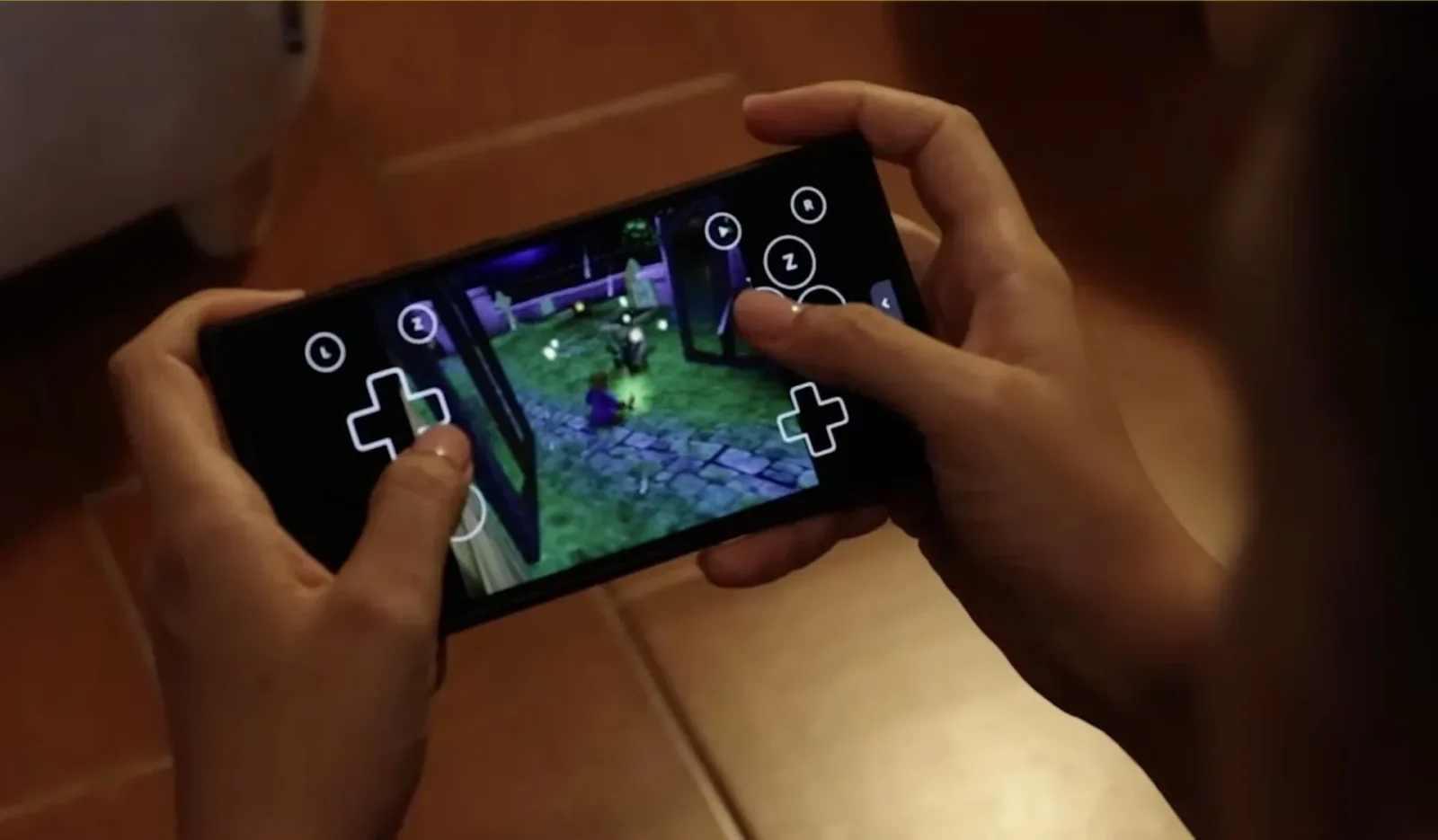
One of Bleemcast!'s more distinctive stated features is its casting functionality. Games can be played directly on a supported phone, but users can also send the game to a monitor of their choice and continue using the handset as a controller. The concept aims to make the same library useful for quick mobile sessions as well as play on a larger screen.
That arrangement has obvious convenience appeal. A retro game played during a commute or lunch break can suit a phone screen, while a platformer, racer, or arcade-style title may feel more comfortable when viewed on a television or monitor. Turning the mobile device into the controller avoids requiring a dedicated console as part of the basic pitch.
At the same time, the experience will likely be judged on practical details. Touch controls can be a divisive subject for retro games originally built around physical buttons, and casting solutions need reliable connections and responsive inputs to feel satisfying. The beta gives Piko an opportunity to gather feedback on exactly those issues before positioning the platform more broadly.
The company's language emphasizes instant access and portability, two qualities that have become central to modern retro preservation and re-release efforts. Many older games remain difficult to obtain legally, are tied to aging hardware, or are scattered across storefronts and compilations. A single app with a simple launch process could be attractive if it assembles titles people actually want to revisit.
The Challenge of Building a Retro Subscription Destination
The largest question facing Bleemcast! is not whether the subscription format is understandable. It is whether Piko can turn the initial Piko-only selection into a catalogue with enough variety and recognition to retain players. The company has said its long-term goal is to involve other rights holders and publishers, ultimately making Bleemcast! a regular destination for retro gaming.
That ambition brings licensing challenges. Retro games can have complicated ownership histories, especially when original developers, publishers, regional distributors, music licensors, and trademark holders are no longer aligned. Even games that seem forgotten can require lengthy negotiations before they can be legally distributed in a new subscription service.
There is also established competition for the broad "Netflix-style" retro gaming concept. Antstream Arcade already operates in this area across a range of devices and consoles, with a large library-based approach that has helped define consumer expectations for the category. Bleemcast! is entering with a more limited device focus and an initial catalogue made up of Piko titles.
That does not necessarily prevent it from finding an audience. A mobile-first service can distinguish itself through ease of use, a carefully selected line-up, unusual licensed releases, or better casting integration. Piko has also worked with retro properties that may not appear on every major digital storefront, and those kinds of games could give the app a niche if supported by a consistent release strategy.
Still, calling a platform a destination is only the beginning. For users to keep an app installed and continue paying, they will likely expect clear information on supported devices, dependable performance, convenient controller options, and a steady cadence of additions. The gap between a promising beta and a lasting subscription platform is usually filled by content agreements and technical polish.
What Bleemcast! Means for the Bleem Brand
The launch is also an interesting new chapter for the Bleem name itself. For many retro enthusiasts, Bleem is associated with a period when emulation on commercial hardware was a controversial and highly visible subject. Reusing that name for a licensed game service gives it a different role: not as software intended to run another company's platform library, but as branding for a curated mobile catalogue.
Piko Interactive's first Bleem.net proposal attempted to make that branding the centre of a very wide entertainment and commerce ecosystem. Bleemcast! is a more conventional product, but perhaps a more immediately testable one. The beta can be evaluated on the fundamentals: the games it offers, how they play on phones, whether casting works smoothly, and how the subscription options compare with other ways to access retro titles.
For now, Bleemcast! remains an early-stage service with a limited confirmed catalogue and an expansion plan that depends on future publisher participation. The beta is live for iOS and Android users, offering a rotating ad-supported option for non-subscribers and fuller access through subscription tiers. Its eventual place in retro gaming will depend on what arrives after Piko's own games--and whether the service can make its phone-and-monitor approach feel like more than a novelty.
Community
Discussion
Start the conversation.
No comments have been posted yet.