

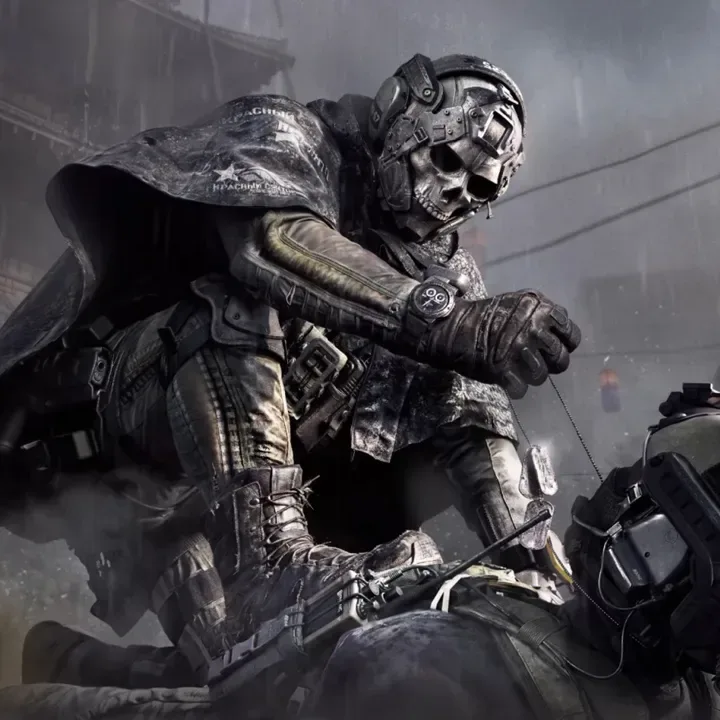
Call of Duty: Warzone is preparing to make its battle royale maps less predictable with a new weather system arriving later this week. The feature is part of the wider Call of Duty: Modern Warfare 4 Season 1 update, which is set to reach Warzone on November 6 alongside two new maps.
For a game built around repeatedly dropping into familiar spaces, the change could have a meaningful effect on the feel of individual rounds. Warzone's environments have traditionally remained visually and mechanically consistent from one deployment to the next. With weather in the mix, players may enter a map under rain, wind, or other environmental effects, creating different sightlines and atmospheric conditions before the action has even started.
The system is intended to give matches more variation, rather than turn Warzone into a game with constantly shifting weather during a live round. The weather conditions are expected to be selected before players load into a match, meaning competitors should know the scenario they are dealing with when they enter. That distinguishes the feature from open-world weather cycles in games where sunshine can turn into a storm midway through play.
Weather is designed to refresh familiar Warzone maps
Warzone has spent years asking players to master its maps, rotations, drop locations, and lines of sight. That consistency is valuable in a competitive shooter, but it can also make locations feel overly static after extended play. The new weather system appears aimed at addressing that familiar-map fatigue without abandoning the core layouts players have learned.
For useful background on this topic, read Former Epic Engineer Says Steam's PC Gaming Lead Is Too Entrenched to Dislodge.
A rainy match, for example, could make an established landing zone look and play differently even if every building, road, and objective remains in place. Wind and other effects could similarly alter the tone of a deployment, making each round feel less like a repeat of the one before it. The key idea is not that weather will rewrite Warzone's rules, but that it will add a new layer of uncertainty to a battle royale already defined by changing circles, random loot, and unpredictable opponents.
That matters because map familiarity tends to become especially strong in long-running battle royale games. Players develop habits around visibility, sound cues, traversal routes, and engagement distances. Environmental conditions can challenge some of those habits while preserving the tactical foundation that gives a mode its identity.
Rain could have practical gameplay consequences
The update's weather effects are not being framed solely as visual decoration. Rain in particular may introduce subtle gameplay implications. Reduced visibility is an obvious possibility, potentially giving players additional opportunities to move through open areas or reposition without being spotted as quickly as they would under clear skies.
Sound could also become more important in new ways. Footsteps splashing through puddles may be louder or otherwise easier to identify, creating a trade-off for squads moving quickly through wet terrain. Ambient rain could also complicate the usual process of listening for distant gunfire, doors opening, equipment use, or approaching enemies. In a game where audio awareness often determines whether a player gets the first shot, even modest changes could influence how teams approach an encounter.
There is still room for uncertainty around exactly how far Raven Software will take these gameplay effects. Details establish that weather can include rain, wind, and additional conditions, but they do not outline a complete list of mechanical modifiers or confirm that every possible weather state will affect combat in the same way. The most likely impact may be cumulative: altered atmosphere, shifting visibility, different sound conditions, and a greater need for players to assess each match's environment before committing to a strategy.
That approach may be particularly well suited to Warzone. The mode does not need a dramatic simulation of severe weather to feel different; small changes can have major consequences when dozens of players are contesting the same spaces. A concealed rotation, a missed audio cue, or a more difficult long-range sightline can quickly reshape the outcome of a round.
Pre-match conditions mean no live weather cycle
Players should not expect storms to roll in unexpectedly after a match begins. The planned system appears to set a weather state before loading, rather than cycle through changing conditions over the course of a deployment. In practical terms, a match may begin rainy and remain rainy, while another could begin with a different weather setup.
This decision offers a balance between novelty and competitive clarity. A live transition from bright daylight to heavy rain could be dramatic, but it might also create abrupt changes in visibility and readability during high-pressure fights. Selecting the conditions in advance allows Warzone to vary its presentation while ensuring all players enter the same match with the same broad environmental expectations.
It also means squads may be able to adapt their approach from the opening drop. If rain is affecting visibility and sound, teams can choose whether to lean into aggressive close-range pushes, cautious rotations, or more deliberate scouting. If wind or another effect changes the character of the map, players will have the opportunity to account for it immediately instead of being caught off guard by a mid-game transition.
A requested step toward a more dynamic Warzone
Weather has been a frequently desired addition for players looking for more variety in Warzone's battle royale maps. The arrival of the system acknowledges that desire while fitting the broader push to align Warzone with the mechanics and tone introduced by Modern Warfare 4 last month.
The move follows weather-related experimentation elsewhere in Call of Duty. Earlier this fall, Wardogs introduced weather into multiplayer matches, where the conditions reportedly had notable effects on how matches played. Bringing a similar concept to Warzone is a larger undertaking because battle royale maps support more players, more expansive sightlines, and longer matches. Any visibility or audio changes have the potential to affect a much wider range of situations, from the first drop through the final circle.
For Raven Software, the challenge will be ensuring that weather enhances match variety without becoming a source of frustration. Players need enough visual clarity to navigate and compete, especially in a shooter where identifying opponents at range can be essential. At the same time, the new system needs to be noticeable enough that it feels like more than a background filter. The strongest version of weather in Warzone would make players reconsider familiar decisions while keeping gunfights readable and skill-driven.
Day and night remain a separate possibility
The weather announcement may also renew discussion around another feature players have sought: a day-and-night cycle. Night conditions could substantially change Warzone's rhythm and could give equipment such as night-vision goggles a larger purpose in battle royale play.
Night-vision goggles already exist in the game's DMZ extraction mode, though their primary use is tied to enclosed facilities that have lost power. A true nighttime Warzone experience could expand that utility beyond those interior situations, opening the door to more deliberate use of light, concealment, thermal tools, and visibility-focused gear.
However, no day-and-night feature has been confirmed as part of the November 6 update. For now, the incoming weather system is the announced environmental change. It is a significant one on its own, but it should not be interpreted as confirmation that Warzone will soon include full time-of-day transitions or night matches.
Two new maps join the Season 1 launch
Weather will not be the only major addition arriving with Modern Warfare 4 Season 1. The Warzone update is also scheduled to launch with two new maps on November 6. Combined with the new environmental system, that gives the season a clear focus on refreshing the battle royale experience through both entirely new spaces and more varied conditions in which to play.
The result could be a more dynamic opening to Season 1 than a standard map-content drop alone. New maps naturally give players fresh terrain to learn, while weather can keep the experience of revisiting locations from settling into a fixed routine too quickly. Whether the system has a substantial competitive impact or primarily improves atmosphere will become clearer once players can experience its different conditions in live matches.
For now, Warzone players can expect their next deployments to look and sound a little different. When Season 1 begins on November 6, rain, wind, and other pre-match weather effects are set to add a new variable to every drop.
Community
Discussion
Start the conversation.
No comments have been posted yet.