

For decades, BioWare occupied a rare position in video games: it was a studio whose name alone could set expectations for sweeping role-playing stories, difficult choices, beloved companions, and worlds players wanted to revisit long after the credits rolled. From Star Wars: Knights of the Old Republic to Mass Effect and Dragon Age, its history was deeply intertwined with the evolution of the modern narrative RPG.
That is why the studio's closure has landed with such force among players and former developers alike. Casey Hudson, the former BioWare general manager and a key creator of the original Mass Effect, has spoken about the emotional weight of seeing the company reach this point. His comments underline a painful contradiction: people within BioWare had worried at times that the studio could eventually be shut down, yet its legacy and importance made the idea feel almost impossible to truly accept.
"There are things that you think are just going to last forever," Hudson said during an appearance on The Critical Path podcast. He added that while employees had feared a closure could come one day, "it's still a different feeling to realize that it is actually closed."
A studio built around RPG ambition
BioWare's reputation was not built on a single franchise or a short-lived run of success. The studio became a defining creative force across multiple generations of RPGs. Its games often paired combat and exploration with large casts, branching conversations, moral decisions, romance storylines, and player-driven conclusions. In many cases, the choices players made became part of the identity they attached to their characters and playthroughs.
For useful background on this topic, read Blizzard Revises WoW: Forever dungeon XP Rules After Initial Fix Falls Short.
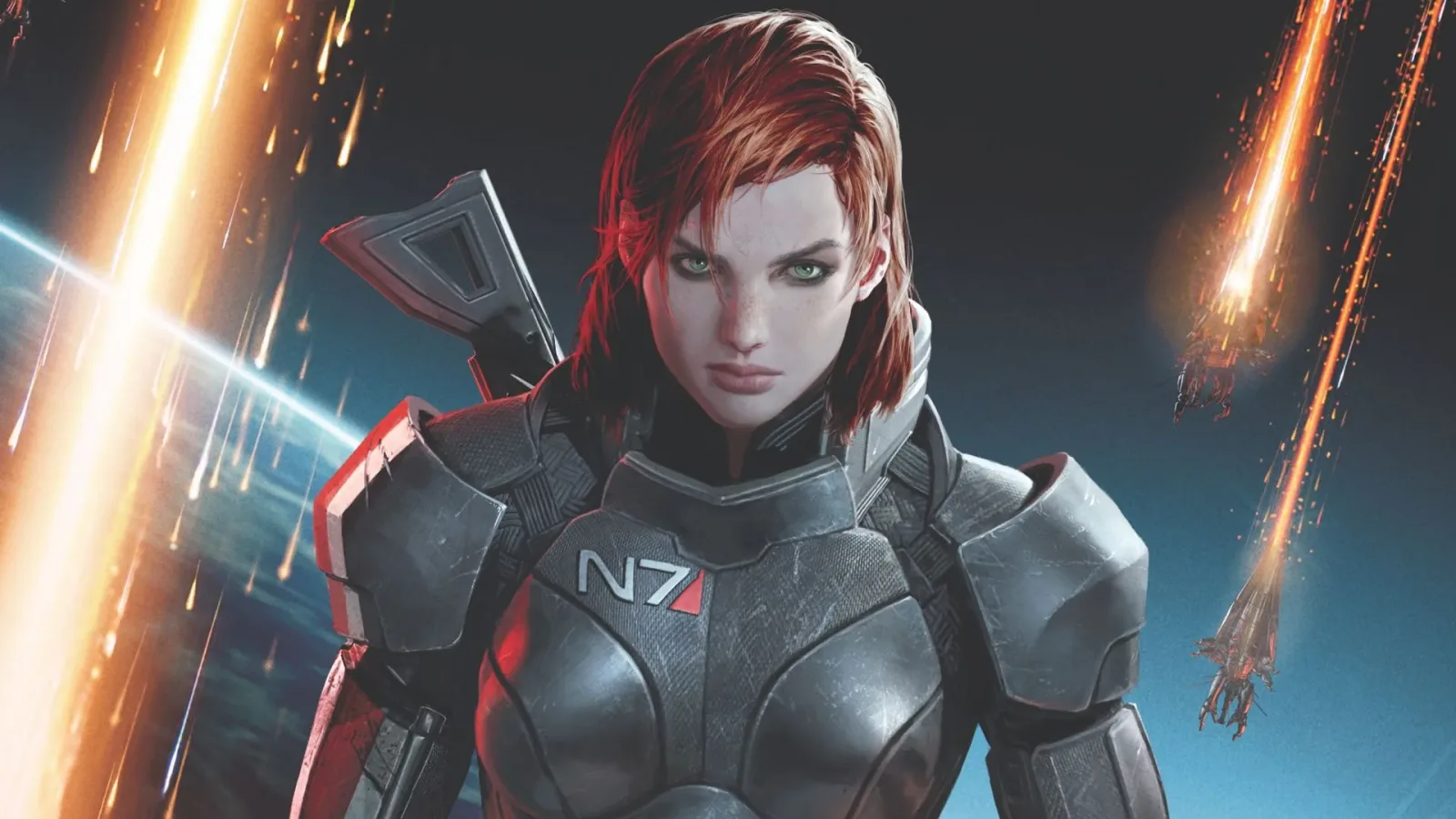
That approach helped make BioWare's worlds feel personal. A player's Commander Shepard in Mass Effect could be heroic, ruthless, pragmatic, or inconsistent in ways that reflected how they wanted to inhabit the role. Dragon Age similarly encouraged players to make political, personal, and often uncomfortable decisions in a fantasy world shaped by conflict between mages, templars, nations, and ancient threats.
Even as the industry changed around it, BioWare remained synonymous with the idea that big-budget games could prioritize authored characters and long-form role-playing. Its successes gave the studio a stature that made it seem capable of surviving almost any difficult period. Hudson's remarks reflect why the finality of closure is so jarring: a company can be historically influential and still vulnerable to the pressures facing modern game development.
Hudson's personal connection to BioWare
Hudson's reaction is also rooted in his long history with the studio and its staff. He explained that his decision to return to BioWare as general manager in 2017 was driven in part by affection for the company and the people working there. He had already left once in 2014, later spending time at Microsoft, before coming back to take on a leadership role. He departed BioWare again in 2020.
During his return, Hudson said he wanted to help give the studio a more durable future. "I've just got so many friends there and I love the studio," he said, explaining that he wanted to do what he could during his years there to position BioWare for longevity.
That sentiment makes the closure more than a story about brands, ownership, or catalogues of games. For the people who made those games, a studio closure affects careers, friendships, creative partnerships, and projects that may have been years in the making. BioWare's catalog was shaped by hundreds of developers across disciplines, from writers and designers to artists, programmers, producers, QA teams, audio staff, and community teams. Its ending naturally raises concern for the people whose work created those enduring worlds.
The difficult years behind the shock
BioWare's later years were not without warning signs. Mass Effect: Andromeda received a rocky reception when it launched, becoming a flashpoint for criticism around technical issues, animation, writing, and its place within a series beloved for the original trilogy. The game also had supporters, particularly among players who appreciated its setting, squad members, and more open structure, but it did not achieve the unifying response the series had enjoyed at its peak.
The road to Dragon Age: The Veilguard was also notably long. Its development was marked by years of anticipation and changing expectations, with fans wondering what form the next major Dragon Age entry would ultimately take. When the game arrived, its reception was muted rather than becoming the decisive comeback many hoped would secure a powerful new chapter for the studio.
Neither game alone fully explains the closure of a studio, and the larger business realities behind such decisions are rarely reducible to one release. Modern AAA development demands enormous budgets, lengthy production cycles, technical specialization, and commercial results that can be difficult to predict. A studio may spend years building a game while trends, hardware expectations, corporate strategies, and player habits shift around it.
Still, the mixed outcomes of BioWare's recent era contributed to a sense that the company was navigating increasingly narrow margins for error. The sadness around its closure comes partly from the belief that the studio still had the talent, history, and creative foundations to make another major hit if given the right opportunity and conditions.
An uncertain path for Mass Effect
One of the largest unanswered questions concerns the future of Mass Effect. Hudson said he is among those wondering whether some version of the next game might still emerge. The project is often referred to by fans as Mass Effect 5, though no final title has been established.
Before BioWare's closure, discussion around the next Mass Effect suggested a team trying to identify the right direction for a return to the series. The franchise remains one of the most recognizable names in science-fiction games, with a devoted audience that continues to revisit the original trilogy and debate its characters, endings, lore, and potential future settings.
But a famous franchise does not automatically guarantee a straightforward continuation. Its owner could decide to pursue a new developer, retain the property without using it for some time, or take a different approach altogether. Hudson noted that a future path is difficult to see clearly, especially for people who had been working on the project.
There is a meaningful difference between a franchise existing as an intellectual property and a game being actively made by a stable creative team. Games are not simply concepts waiting to be activated. They depend on the expertise, collaboration, institutional knowledge, and momentum of the people making them. A future Mass Effect could eventually take shape in another form, but there is no certainty about what that would look like.
Hope for BioWare's people and games
Hudson's focus was not solely on the future of individual series. He also expressed hope that there can be a way forward for former BioWare staff in their careers, alongside hope for the games and worlds the studio created. That dual concern is central to how the closure should be understood.
Fans understandably look first to questions about unfinished projects. Will Mass Effect return? Could Dragon Age continue? Will older games be remastered, preserved, or made available to new audiences? Those questions matter, particularly because these series mean so much to players.
Yet the immediate human impact is equally important. Developers leaving a closed studio carry valuable experience, but they also face uncertainty in an industry where layoffs, consolidation, and project cancellations have affected teams across many disciplines. The people who built BioWare's games may bring their skills to other studios, form new teams, or move into different parts of the industry, but transitions of that kind are rarely simple.
BioWare's legacy will not disappear because the studio has closed. Its games remain important reference points for RPG design, and their influence can be seen in the continuing demand for companion-driven storytelling, consequential dialogue, cinematic presentation, and player choice. The communities around Mass Effect, Dragon Age, and Knights of the Old Republic have endured through years of discussion, replaying, modding, fan art, cosplay, and speculation.
A legacy bigger than one ending
There is an unavoidable sadness in the thought that a studio with BioWare's history could reach an end. Hudson's comments capture that feeling precisely: awareness that difficult times existed does not make the final outcome easier to absorb. A company can feel permanent because of what it has contributed, who it has employed, and how deeply its work has become part of players' lives.
For now, the future of BioWare's unfinished ambitions remains uncertain. The fate of the next Mass Effect is unresolved, and there is no clear answer about whether its series will continue under a new arrangement. What is clear is that BioWare leaves behind an extraordinary body of work and a generation of developers and players shaped by it.
Its closure marks the end of a studio, but not the end of the stories it told or the impact those stories had. For Hudson, former colleagues, and the audience that grew up with BioWare's RPGs, that distinction may offer some comfort. It does not remove the loss, but it explains why the company's legacy will continue to matter long after its doors have closed.
Community
Discussion
Start the conversation.
No comments have been posted yet.