

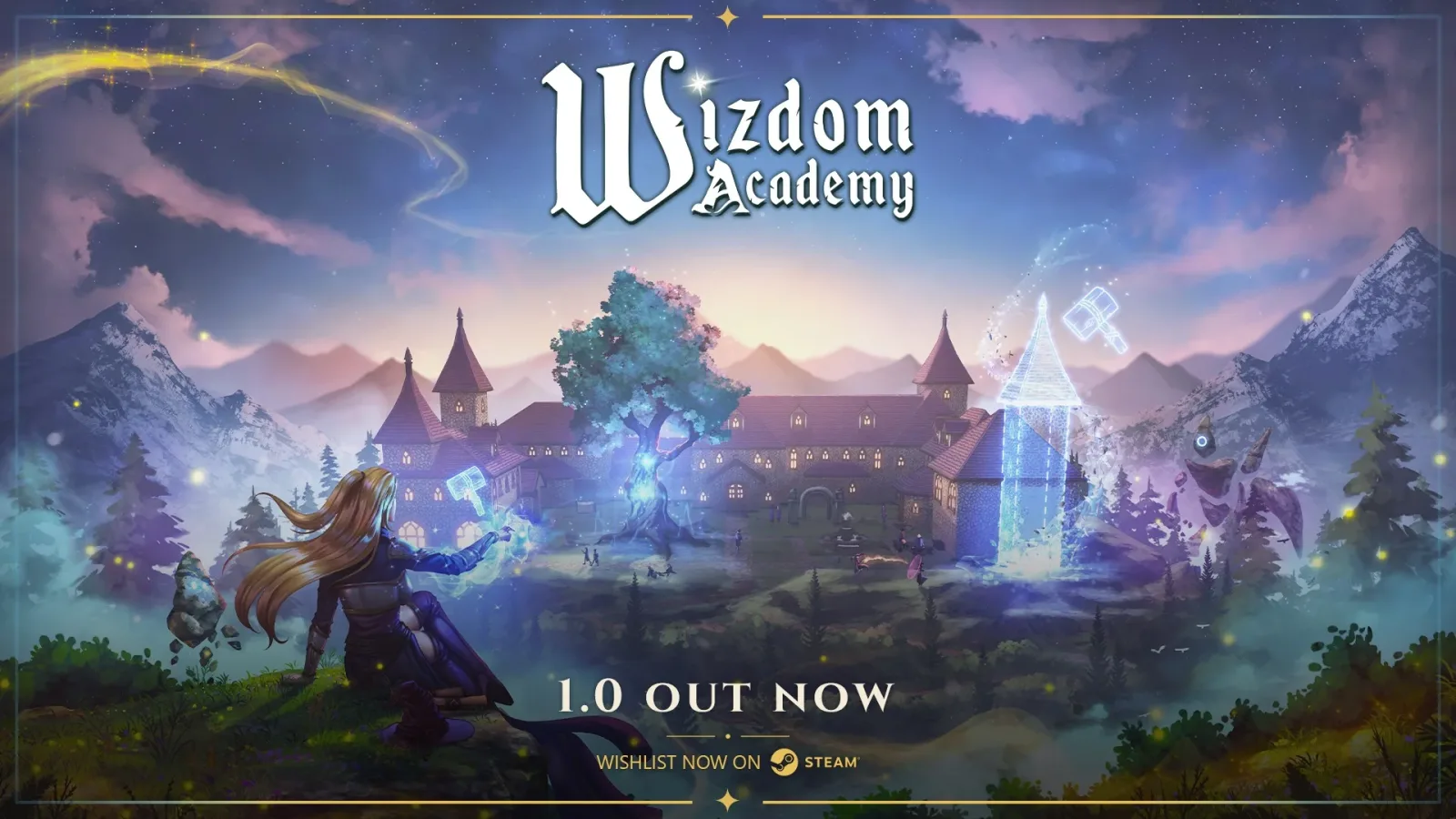
Wizdom Academy has officially reached version 1.0 on Steam. The magical-school management game from Kipwak Studio and Lake On Fire leaves Early Access on November 16, 2026, concluding a development journey that has spanned three years, including 18 months of public development through Steam Early Access.
The full release puts players in charge of a growing academy for young spellcasters. As Headmaster, players are expected to establish the school's foundations, design its rooms, bring in staff and students, and keep the institution operating through the practical and magical problems that emerge. That includes an overarching mystery involving the world's mana supply, recurring mana droughts, and the search for the next Wizdom.
It is a premise that combines the personal stories associated with a school full of individual students with the broader logistical responsibilities of a management game. The academy is not merely a building to decorate: it is an organization that needs resources, instructors, magical energy, and a clear path forward for each new generation of wizards.
Building a school one floor at a time
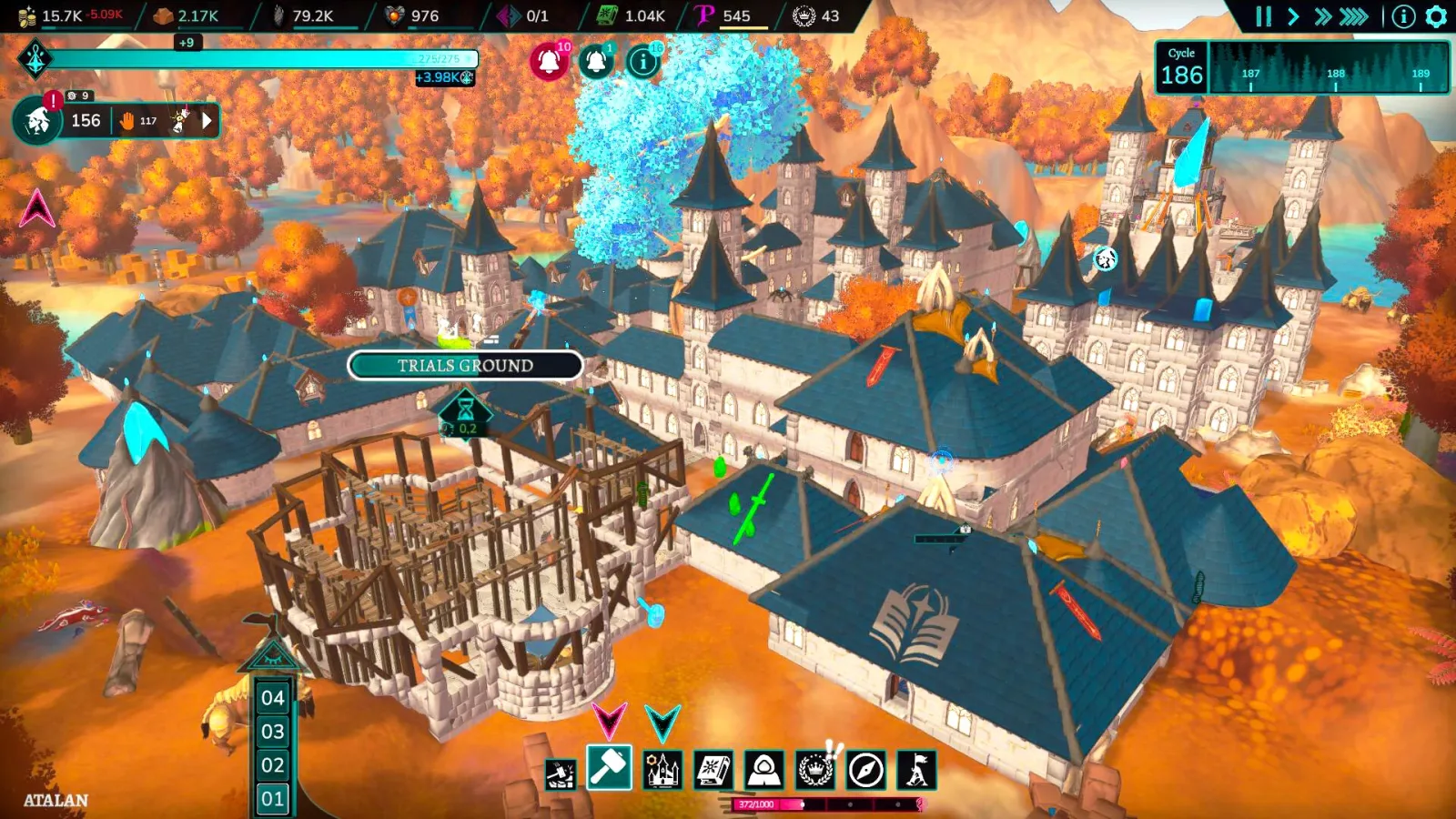
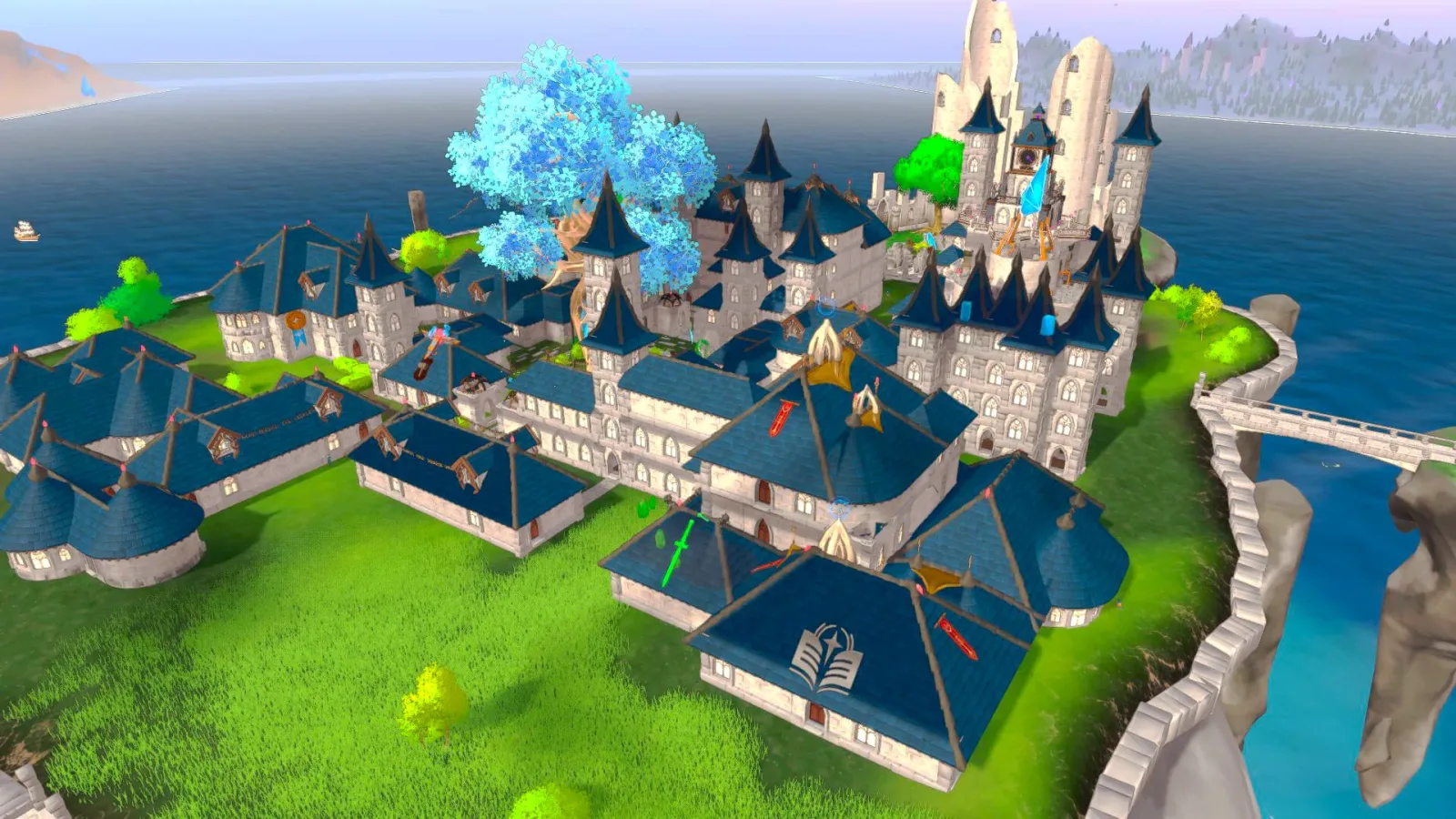
At its core, Wizdom Academy asks players to construct and customize a magical institution. Headmasters can create classrooms, decorate the castle, and expand its layout floor by floor. A free camera is included to make planning and arranging the school easier, giving players room to focus on both functional design and the visual identity of their academy.
For useful background on this topic, read Shadow the Hedgehog Returns to PC Through Shadow Recompiled.
That construction layer has a direct connection to the rest of the game. Rooms and facilities support the school's students and staff, while expansion brings new demands. Players are not simply placing furniture or pursuing an attractive castle silhouette; they are establishing the spaces needed to teach apprentices, accommodate the academy's daily needs, and support the development of increasingly capable wizards.
Managing the school also means making decisions about personnel and supplies. Staff must be handled alongside the academy's wider pool of resources, adding another consideration to every expansion plan. A flourishing student body may require more teaching capacity and more infrastructure, but every addition can also put greater pressure on the systems that keep the school functioning.
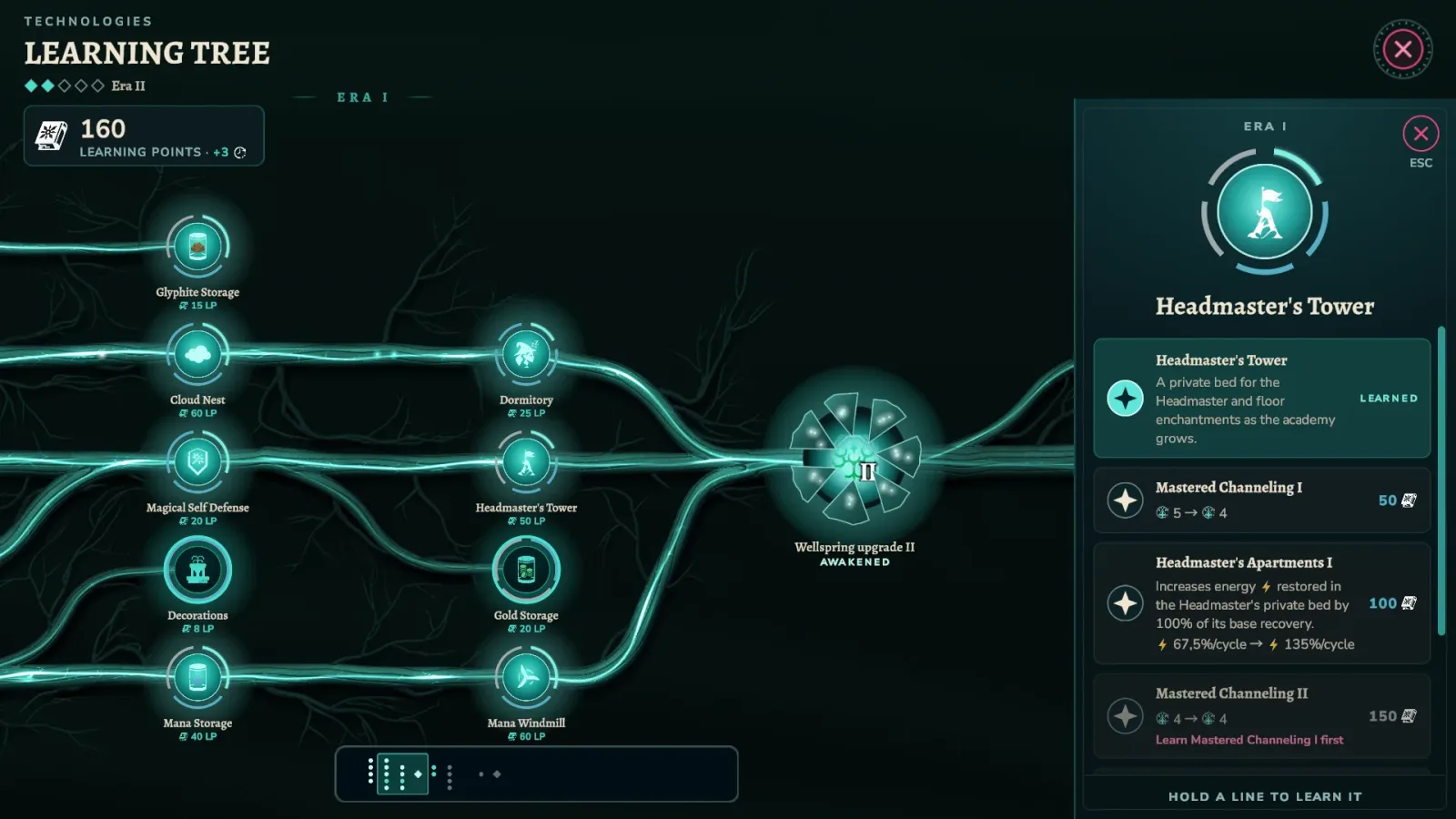
Mana is especially important. The magical energy has to be produced and consumed in balance, and it is not treated as a background detail. The academy must contend with shortages, including recurring mana droughts, which can challenge even an established school. The larger narrative surrounding the mana mystery gives these disruptions a purpose beyond an ordinary resource-management obstacle.
Students are the academy's central responsibility
While a castle can grow in imposing directions, Wizdom Academy frames its most important task around the people inside it. Students arrive with their own origins and traits, and the Headmaster's job is to guide them from novice apprentices toward their eventual magical futures.
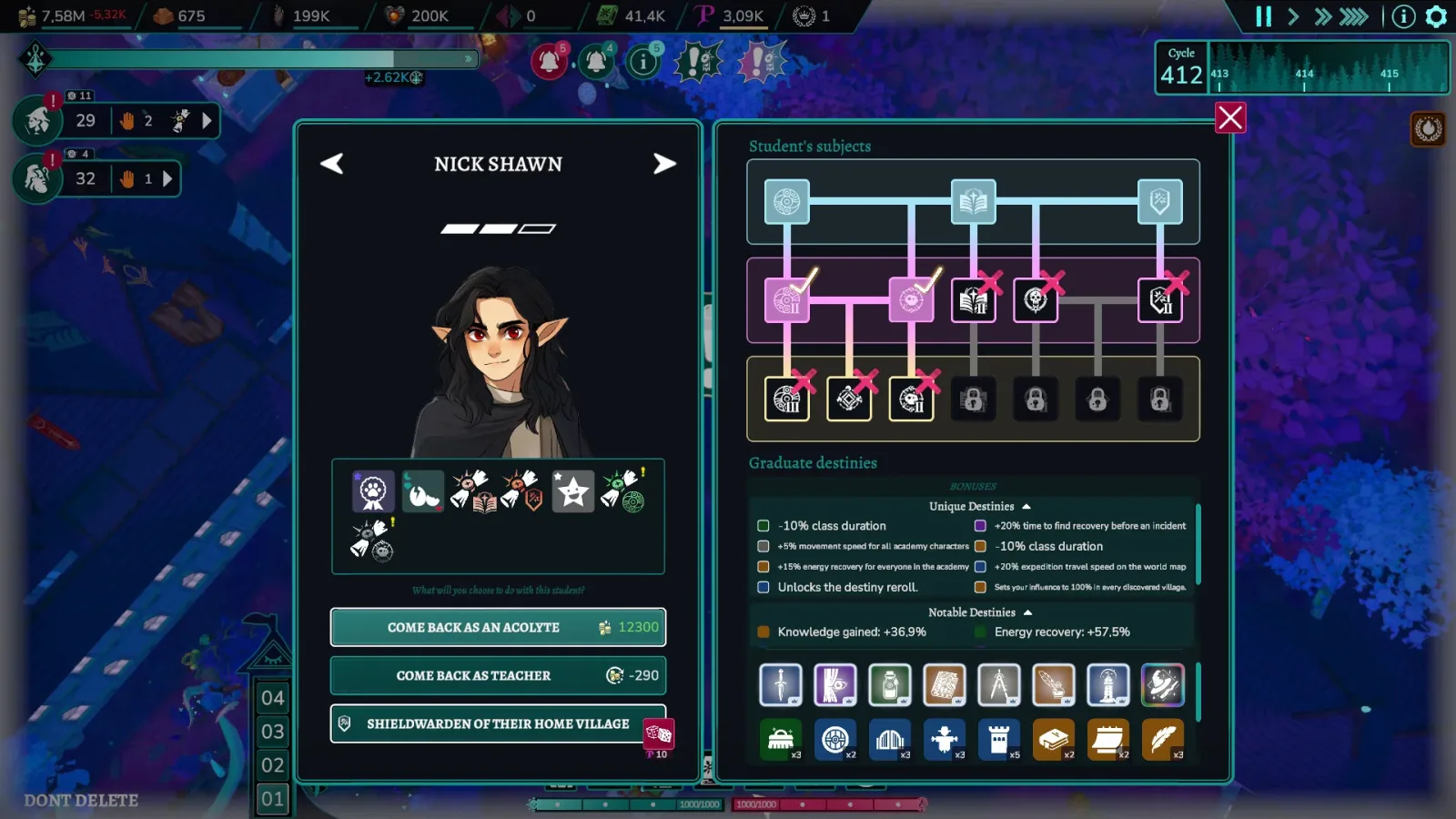
The full game includes more than 100 unique traits, over 50 Destinies, and more than 400 collectible student portraits. Those figures point to a system intended to make each intake feel less uniform than a simple stream of interchangeable management-game units. A student's background and characteristics can affect how a player approaches their training, while the Destiny structure provides a longer-term direction to discover and shape.
Following students through their education is consequently a major part of the game's fantasy. Rather than only hiring fully formed experts, players recruit pupils at the beginning of their journey and help determine where that journey leads. The academy's success is tied to developing a new generation of skilled wizards and, ultimately, identifying the next Wizdom.
The term carries significant weight in the game's setting. The search for the next Wizdom sits alongside the investigation into the mana crisis threatening the world. That gives players a strategic question to consider as they manage their school: which students will become essential to the academy's future, and how should the available time, instruction, and magical resources be used to prepare them?
Mana shortages turn school management into a wider mystery
Wizdom Academy's systems are built around more than routine expansion. Mana production and consumption need close attention, particularly because droughts can interrupt the normal operation of the academy. The game asks players to react to those shortages while continuing to educate students and maintain the school's broader infrastructure.
There is also an investigative side to that pressure. The mana droughts are connected to a mystery that threatens the world, placing the academy's problems in a larger context. Players are tasked with uncovering what is happening rather than solely surviving the consequences of low reserves.
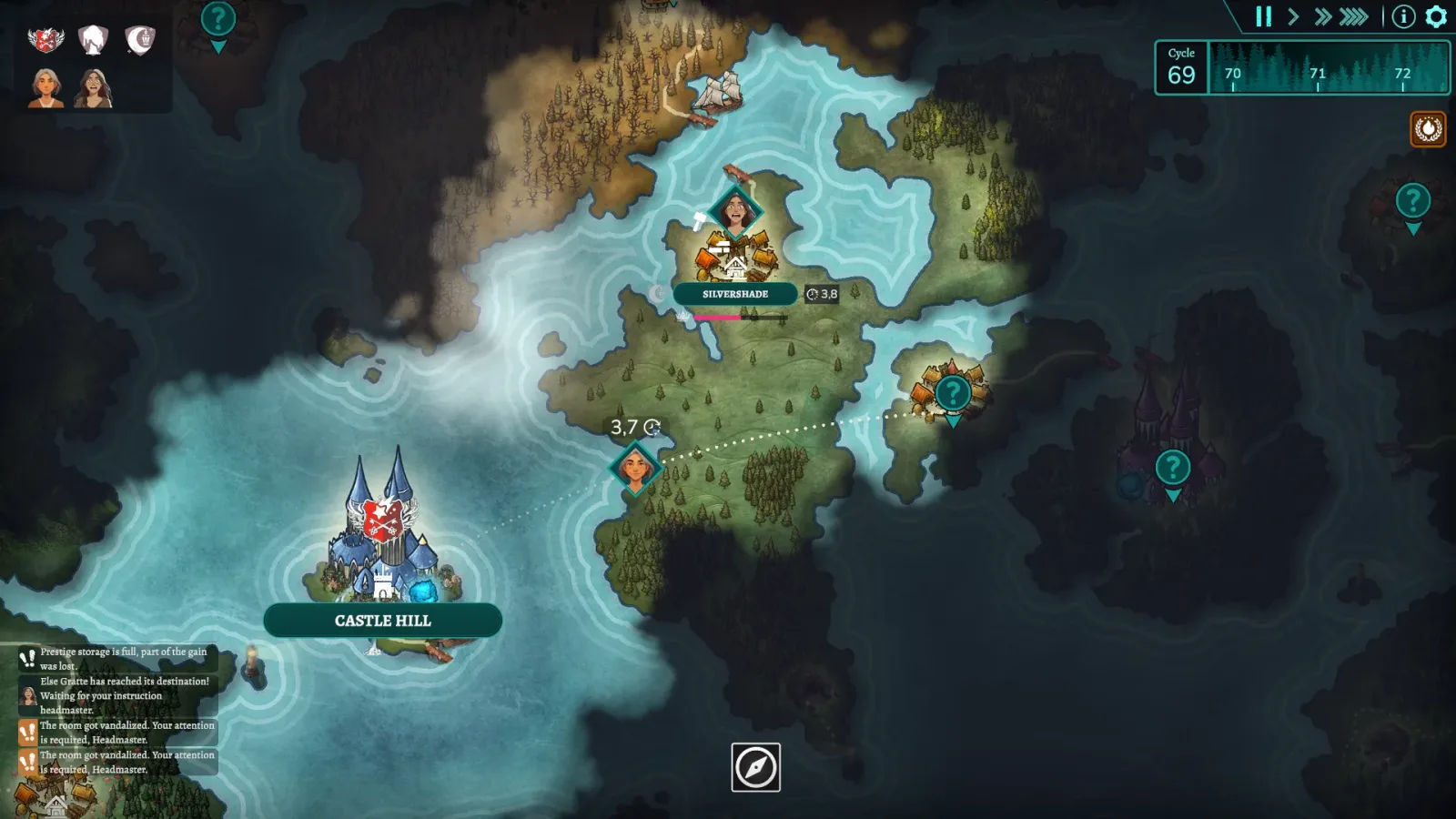
Professors have a role beyond the castle walls as well. The game allows Headmasters to send them on expeditions, offering another avenue for engaging with the world and pursuing the academy's needs. Those outings help distinguish the experience from a management game focused entirely on a single building, even though the school remains the center of every major decision.
The result is a structure in which short-term crises and long-term goals are closely linked. A player may be arranging a new classroom or recruiting another student, but those everyday choices unfold against concerns about mana, staff capacity, expeditions, and the quest to secure the future of magic.
Designed for repeated academy runs
The 1.0 release also emphasizes replayability. Different maps, distinct village profiles, changing inhabitants, playthrough-specific enchantments, unlockable Legacies, and assorted challenges are all intended to encourage fresh approaches across multiple runs.
Maps can change the context in which an academy is built, while village profiles introduce different populations around the school. Since local inhabitants vary between those profiles, the surrounding community is another variable that can affect the character of a new campaign. This means a player returning after one completed academy is not necessarily repeating the same starting conditions with a different castle layout.
Enchantments are unique to each playthrough, adding an additional layer of variation. Legacies provide unlockable progression that can carry significance beyond one individual run, while challenges push players toward strategies they may not otherwise choose. Together, these elements suggest that the game's objective is not only to create one ideal institution, but to test different responses to changing magical, social, and management circumstances.
That design is particularly suited to the student system. With hundreds of portraits, a large list of traits, and dozens of Destinies, each new academy has room to feature a different set of memorable pupils. The player's approach to staffing, room construction, mana planning, and student training can therefore evolve from one attempt to the next.
From Early Access to the full release
Wizdom Academy first entered Steam Early Access in April 2025. Over the following 18 months, Kipwak Studio and Lake On Fire expanded the game with major updates, additional systems and content, and balance changes shaped by player feedback. Version 1.0 marks the point at which that Early Access period has formally ended.
For players who followed the project during development, the launch represents the arrival of the game's complete foundation: magical-school construction, staff and resource administration, student progression, mana management, expeditions, mystery-driven objectives, and the replay systems surrounding maps, enchantments, Legacies, and challenges.
The 1.0 label does not mean the end of planned work. The developers have said they intend to continue supporting and improving Wizdom Academy, with further work planned for 2027. Specific additions have not been detailed, but the commitment indicates that the game's launch version is meant to remain an active platform for future refinement.
For anyone drawn to management games that put character development alongside building and budgeting, Wizdom Academy offers a distinct angle: a school where every new room, professor, resource decision, and mana reserve can influence the futures of a generation of wizards. With version 1.0 now available on Steam, prospective Headmasters can begin constructing their own castle and see whether they can lead it through the world's growing magical uncertainty.
Community
Discussion
Start the conversation.
No comments have been posted yet.