

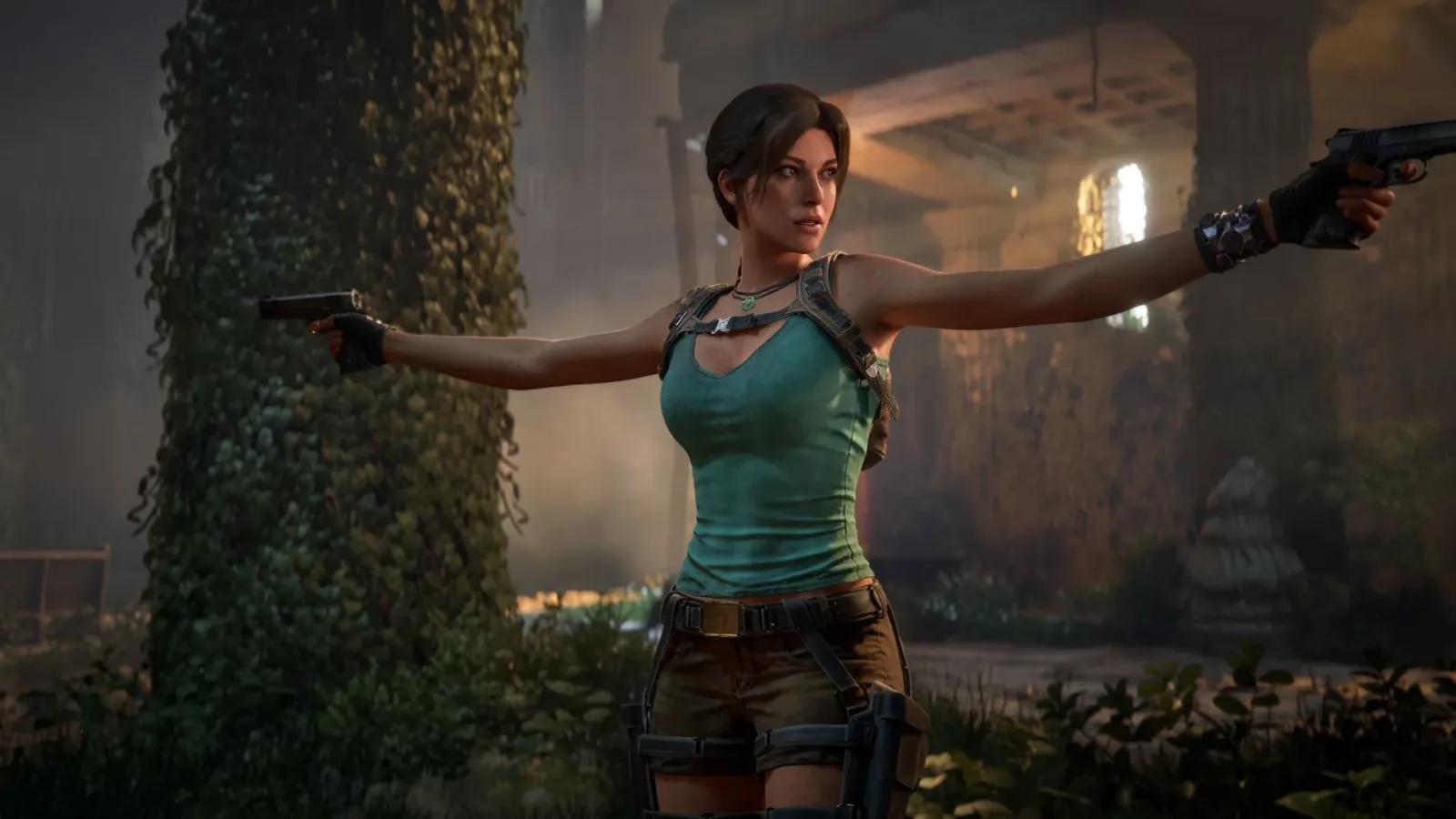
Crystal Dynamics has made another round of job cuts, reducing its current studio staff by eight people while it continues work on two major Tomb Raider releases. The affected roles include developers in design and engineering, adding a difficult new chapter to a period of repeated restructuring at the studio.
The reduction is described as the fifth round of layoffs at Crystal Dynamics since March 2025. It arrives as the company is preparing two ambitious Lara Croft projects: Tomb Raider: Legacy of Atlantis, a remake of the original game, and Tomb Raider: Catalyst, the next mainline entry and the first new sequel in the series since 2018's Shadow of the Tomb Raider.
For the people impacted, the timing underscores a persistent reality of the modern games business: a studio can have high-profile projects in active development and still lose experienced staff as teams, budgets, publishing plans, and project needs change.
Eight employees affected in the latest reduction
Crystal Dynamics characterized the move as a difficult but necessary business decision. The studio said it attempts to relocate staff whenever a role is being phased off a project before turning to layoffs. It also said the eight people affected will receive full severance packages and job-placement assistance.
For useful background on this topic, read Xbox Game Pass' Late-November Lineup Adds High on Life 2, Paw Patrol and More.
"Crystal Dynamics made a difficult, but necessary business decision to reduce our current studio staff by 8 people," the company said in a statement. "Whenever we phase roles off a project, we make every effort to find new spots for our great colleagues first."
While eight positions is a smaller number than some of the earlier cuts reported at the studio, it is significant in the context of how frequently Crystal Dynamics has been forced to reduce its workforce. Around 20 people were laid off in March 2026, following multiple rounds that affected dozens more employees during 2025.
Repeated reductions can be especially disruptive for a development team even when individual rounds are comparatively limited. Departures affect institutional knowledge, working relationships, production planning, and the amount of experience available to mentor newer staff. They also create uncertainty for remaining employees, particularly when a studio is simultaneously building large projects with long production timelines.
A veteran designer shares his experience
Design manager Joshua Mitchell was among those who publicly discussed the latest cuts. In a LinkedIn post, Mitchell called it his first layoff in 14 years of making games and reflected on his work with the team.
"After several rounds of layoffs at Crystal Dynamics, today it was my turn," Mitchell wrote. "My first layoff in 14 years making games."
Mitchell said he had worked on Perfect Dark, Tomb Raider: Legacy of Atlantis, and Tomb Raider: Catalyst. He described himself as grateful for the people he had built games alongside and said he would miss the team.
That project list illustrates the range of work Crystal Dynamics has undertaken during a turbulent stretch. The studio contributed to the now-canceled Perfect Dark reboot for Xbox while also moving ahead with the next phase of Tomb Raider. The loss of employees who have worked across several of those efforts is a reminder that cancellations and changing production strategies can have consequences extending beyond one title.
Two Tomb Raider games, but longer waits
Tomb Raider: Legacy of Atlantis was formally revealed during The Game Awards 2025. The project is a remake of the original Tomb Raider, a game that established Lara Croft as one of gaming's most recognizable characters and launched a franchise that has spanned decades, reinventions, adaptations, and multiple development teams.
The remake had initially been expected to arrive sometime in 2026. That plan has changed, with Legacy of Atlantis now delayed to 2027. No additional release detail is available here, but the delay means fans will need to wait longer to see how Crystal Dynamics approaches one of the medium's most influential adventure games.
The wait will be even longer for Tomb Raider: Catalyst. The new sequel has been pushed to 2028, placing it a full decade after Shadow of the Tomb Raider. The expanded gap is notable for a series that has historically gone through major shifts in tone, mechanics, and continuity between eras.
Crystal Dynamics therefore has two very different challenges ahead. Legacy of Atlantis carries the expectations attached to revisiting the franchise's beginning, while Catalyst is tasked with defining where Lara Croft goes next. One project must balance reverence for a landmark game with contemporary design expectations; the other must make a case for a new chapter after a long absence from the mainline series.
Perfect Dark's cancellation remains part of the picture
The studio's recent history cannot be separated from the canceled Perfect Dark reboot. Crystal Dynamics had worked on the Xbox project between its previous release and the current Tomb Raider slate. Its cancellation removed a major production from the studio's portfolio and likely contributed to the broader pressure surrounding staffing and project allocation.
Before that work, Crystal Dynamics released Marvel's Avengers in 2020. The superhero title was an enormous undertaking, but the studio's direction has since shifted back toward the property most closely associated with its modern identity: Tomb Raider.
That does not make the path forward simple. Moving from a canceled collaboration to two large internal franchise projects requires careful planning, and staffing changes during that transition can complicate development even when management describes them as role phase-outs rather than a change in commitment to the games themselves.
Ownership and publishing changes add uncertainty
Crystal Dynamics was acquired by Embracer in 2022. In the years since, the wider games industry has seen ongoing consolidation, restructurings, layoffs, canceled projects, and revised investment plans among publishers and development groups of every size.
Tomb Raider is being published by Amazon, but Amazon's own game operations have also been affected by cuts and restructuring. Crystal Dynamics CEO Phil Rogers said during the summer that changes within Amazon's gaming division had affected the Tomb Raider franchise.
That context does not provide a full explanation for every staffing decision at Crystal Dynamics, but it helps explain why the studio's plans have continued to move. A publisher's restructuring can influence schedules, development support, business priorities, and the scale at which games are expected to launch. For a franchise as prominent as Tomb Raider, those decisions can reverberate across years of development.
What comes next for Crystal Dynamics
For now, Crystal Dynamics remains focused on delivering both Tomb Raider: Legacy of Atlantis and Tomb Raider: Catalyst. Their announced windows, 2027 and 2028 respectively, give the studio time to continue development, but they also mean that the company and its employees face a long road before either game reaches players.
The immediate concern is the human cost of another reduction. Eight people losing their jobs is not merely a production adjustment, especially after several earlier rounds of layoffs. The employees affected include people with experience on projects central to Crystal Dynamics' recent and future identity, and their departure comes during a period that should otherwise be defined by anticipation for Lara Croft's return.
For fans, the news creates a split picture. There are still two substantial Tomb Raider games in development, including both a return to the original adventure and a wholly new sequel. At the same time, the repeated staff cuts reveal the instability behind that promising slate. Crystal Dynamics' ability to navigate the next two years will shape not only the games themselves, but also the future of the team making them.
Community
Discussion
Start the conversation.
No comments have been posted yet.