


Final Fantasy 7 Revelation is bringing back two very different parts of the original game's identity: high-speed snowboarding and an addictive card-game diversion. Director Naoki Hamaguchi has confirmed that the famous snowboarding minigame will return in the final chapter of the remake trilogy, and it will not be limited to an optional stop at the Gold Saucer. Meanwhile, Final Fantasy 7 Rebirth's Queen's Blood card game is also coming back after a strong response from players, complete with a new storyline led by Red XIII and changes intended to make its rewards easier to understand.
For a trilogy that has steadily expanded the scale of the 1997 classic, these returns are more than simple nostalgia plays. The original Final Fantasy 7 was remembered not only for its dramatic story, world-threatening stakes, and turn-based battles, but also for how often it let players pause the main quest to inhabit its world. A visit to the Gold Saucer could become an entire evening of arcade-style attractions. Strange local contests, transportation minigames, chocobo races, and one-off activities gave the journey personality beyond its core RPG systems.
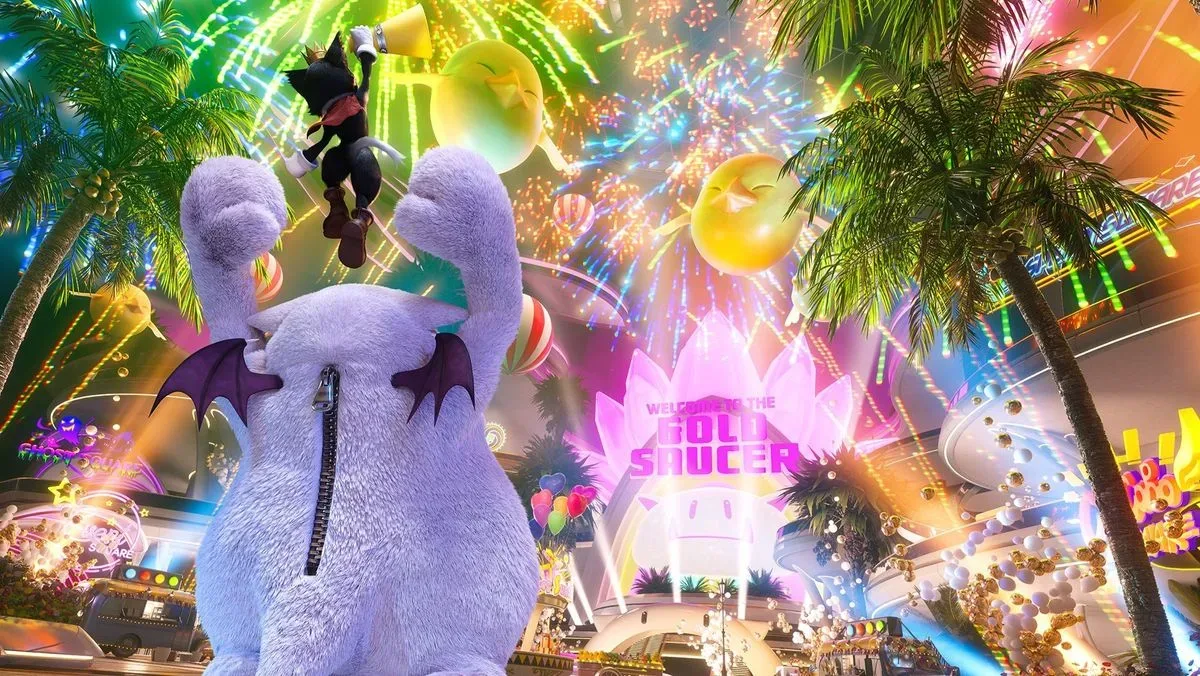
The remake project has embraced that side of the game with increasing confidence. Final Fantasy 7 Remake turned sections such as Wall Market into much larger, more elaborate experiences, while Rebirth filled its wider regions with side quests, challenges, races, and the surprisingly deep Queen's Blood card game. Revelation appears ready to continue that approach on an even larger canvas, as the party gains access to the Highwind and explores a planet-sized world.
Snowboarding Is More Than a Gold Saucer Activity
Hamaguchi described the snowboarding minigame as essential to Final Fantasy 7 as a whole. That is a notable statement for a sequence that, on paper, sounds wildly at odds with the story surrounding it. Cloud and his party may be navigating trauma, corporate exploitation, ancient history, and the looming threat posed by Sephiroth, but the original adventure could still suddenly send players hurtling down a snowy mountain.
For useful background on this topic, read Square Enix Sales Rise 21.9% as Final Fantasy's Multiplatform Strategy Gains Momentum.
That tonal flexibility is part of what made the PlayStation original memorable. It could pivot from heavy revelations to an absurdly energetic minigame without losing its identity. The remakes have likewise avoided treating the world as relentlessly grim, allowing comic character moments and playful activities to coexist with the more serious stakes. Snowboarding's return suggests Revelation will preserve that balance rather than abandoning it for a purely dramatic finale.
More importantly, Hamaguchi confirmed that the activity will be tied into the main story. Players will not simply find it as a recreational extra at the Gold Saucer. He did not reveal exactly where the sequence will appear, urging fans to wait for further details, but the comment leaves room for the remake trilogy to reinterpret the original scenario.
In the 1997 game, the snowboarding section arrived during a memorable stretch of the northern journey. Revelation could retain a similar placement, but its expanded storytelling structure means the sequence may carry a different narrative purpose, arrive under altered circumstances, or become a more cinematic set piece. The trilogy has generally kept many major milestones recognizable while changing context, character involvement, and the meaning of certain events. Snowboarding may therefore be a familiar destination with new stakes attached.
Its story involvement could also help distinguish it from the long list of optional activities expected in Revelation. If the game truly offers an open world traversed with the Highwind, players will likely have plenty of reasons to revisit familiar locations and search for diversions. A mandatory snowboarding moment gives the returning minigame a defined place in the campaign while leaving open the possibility of further challenges, scores, or variations outside the main sequence.
Queen's Blood Was Too Popular to Leave Behind
Queen's Blood is returning for a much more direct reason: player demand. The lane-based card game became one of Rebirth's standout side activities, inviting players to place monster cards on a board, claim space, and build decks around distinct effects and scoring strategies. Its rules gave it a very different rhythm from conventional collectible card games, while its opponents and questline gave it a presence throughout the wider adventure.
The minigame also continued a long-running Final Fantasy tradition. The series has often included optional pastimes capable of consuming an unexpectedly huge amount of time, and card games are among its best-known examples. Final Fantasy 8's Triple Triad established a particularly enduring standard, while Final Fantasy 14 later incorporated its own version of the game. Queen's Blood carried that legacy into the remake project while building a separate identity through its board-control mechanics and monster-focused deckbuilding.
Hamaguchi said the team saw substantial positive feedback after Rebirth launched. Players asked whether Queen's Blood might become a standalone release, and many also assumed it would return for the trilogy's third entry. For the developers, including it in Revelation became an obvious decision from early in production rather than a late response to fan requests.
That does not mean Revelation will simply reuse Rebirth's version. Hamaguchi said the core gameplay was already in a good place, but the team did not want to repeat exactly the same experience. New rules and mechanics are being introduced, while balancing has remained an important subject throughout development. The goal is to reveal a side of Queen's Blood that players did not see in Rebirth, rather than merely offering more opponents using an unchanged system.
That leaves several open questions. New rules could mean fresh board conditions, new ways to interact with occupied spaces, alternate deck restrictions, or more specialized card effects. None of those specifics have been confirmed, so players should not assume any particular mechanic. What is clear is that the developers view Queen's Blood as robust enough to support another substantial iteration, not as a novelty that has already exhausted its potential.
Red XIII Steps Into the Spotlight
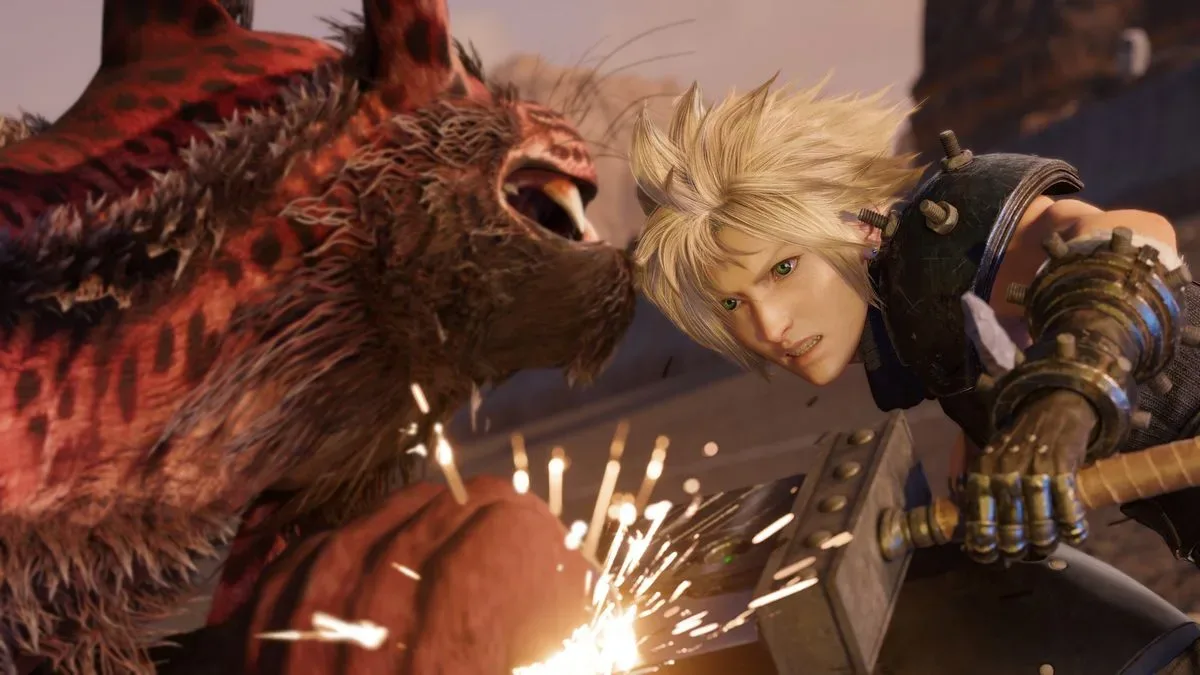
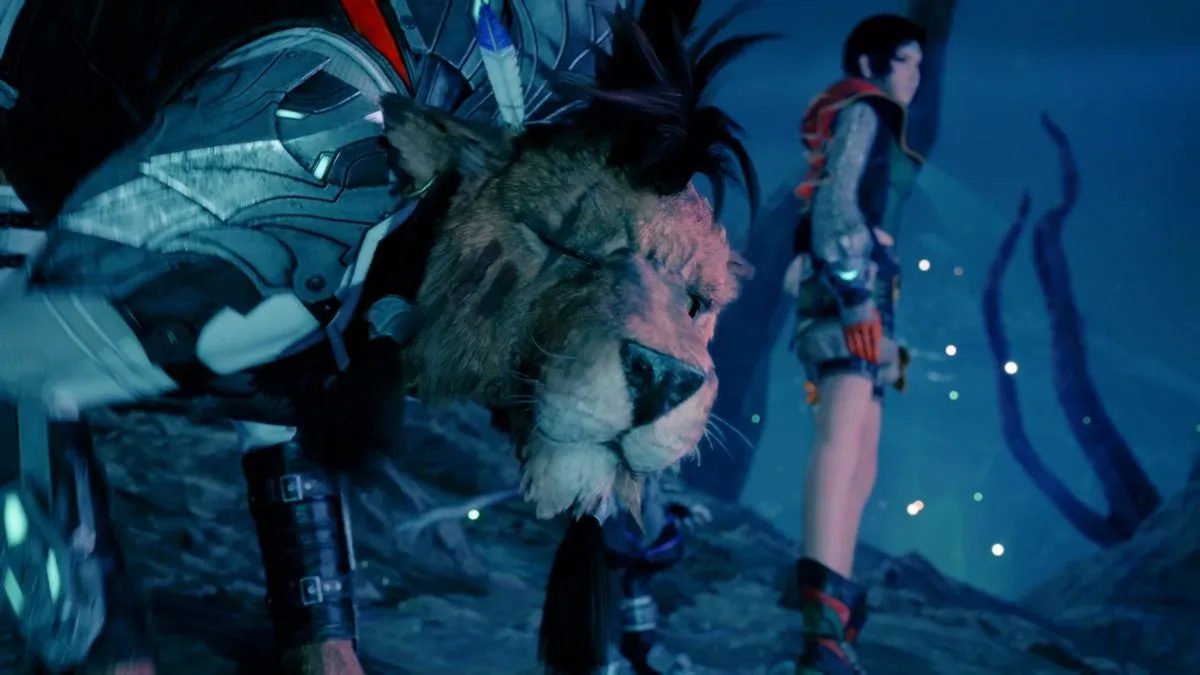
Revelation's Queen's Blood content will also have its own new narrative strand, with Red XIII taking the lead. In Rebirth, the wolf-like party member was connected to the card game through his role as an enigmatic challenger during the cruise ship tournament. Expanding that relationship makes sense, especially as Revelation has an opportunity to give every member of the party more room in the closing chapter.
A Red XIII-focused story gives Queen's Blood something beyond a sequence of disconnected matches. The game can potentially explore his perspective, rivalries, and reasons for pursuing the activity while still keeping the content separate from the central plot. It is a smart fit for a character whose history and identity have always been important to the wider Final Fantasy 7 narrative.
Hamaguchi indicated that this storyline is designed as self-contained content. Its rewards will feed back into the card game and deckbuilding rather than becoming essential upgrades for unrelated combat or progression systems. In practical terms, players who love Queen's Blood should have more strategic reasons to complete its challenges, while players who do not enjoy card games should be able to move on without feeling forced to clear every match.
A Clearer Approach to Optional Rewards
This reward structure reflects a broader lesson from the enormous amount of side content in Rebirth. The middle chapter offered an extraordinary variety of activities, but a game with that much to do can create pressure for completion-minded players. When rewards are tied too closely to other forms of progression, an optional minigame can stop feeling optional.
For Revelation, Hamaguchi said the important thing is to clearly communicate what players will receive for completing a piece of content. That means players should be able to identify the expected rewards before investing time, then decide whether that activity suits their preferred style of play. For Queen's Blood, that appears to mean card-oriented prizes for people who want to improve and experiment with their decks.
It is a promising philosophy for the trilogy's conclusion. Revelation is expected to be even larger than Rebirth, and the Highwind's arrival implies an adventure built around broad exploration and revisiting the planet. Clearer boundaries between optional pursuits can let the game remain packed with diversions without turning every one of them into a perceived obligation.
Snowboarding and Queen's Blood represent opposite ends of what makes Final Fantasy 7 special. One is a wonderfully strange burst of arcade energy amid a sweeping RPG drama; the other is a modern strategic pastime that earned enough enthusiasm to become a returning feature. By making the first part of the story and expanding the second with Red XIII, new rules, and more deliberate reward design, Revelation is positioning its side activities as meaningful parts of its world rather than disposable distractions.
With the remake trilogy set to conclude in early 2027, there are still major story questions surrounding Cloud, Aerith, Zack Fair, Sephiroth, and the fate of the planet. But Revelation's latest details also underline a different promise: even at the end of an epic saga, there will apparently still be time to hit the slopes and deal a few cards.

Community
Discussion
Start the conversation.
No comments have been posted yet.