

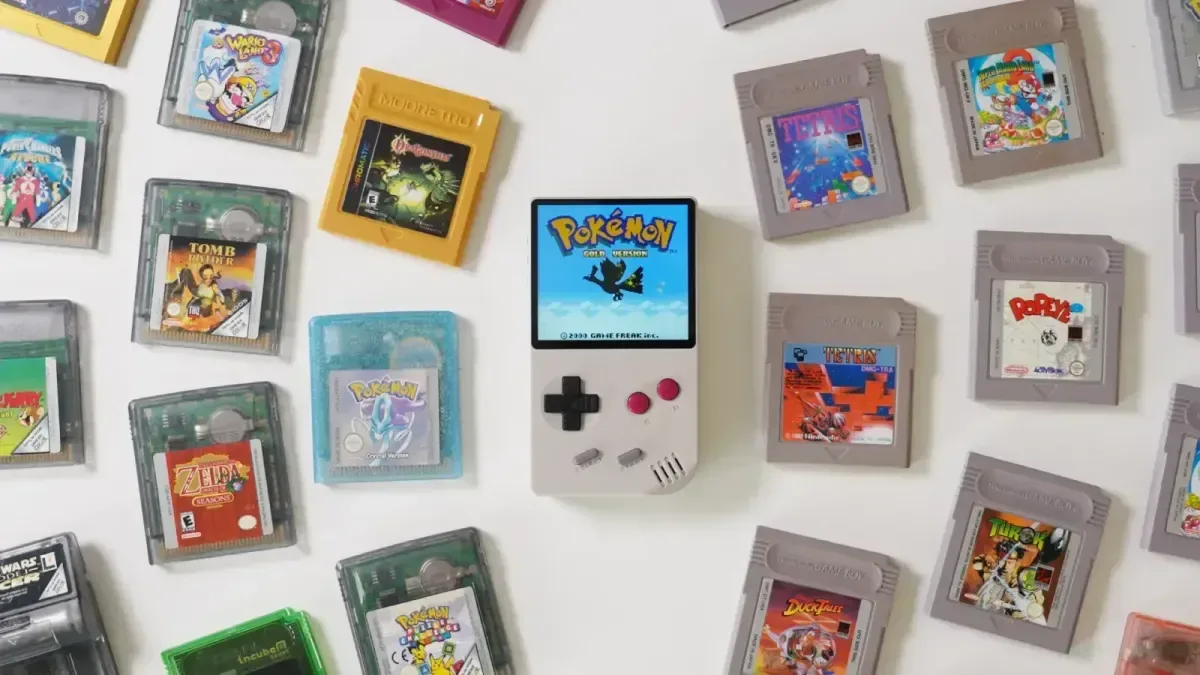
FunnyPlaying's FPGB Mini is expected to return in very limited numbers this week, but prospective buyers should not expect an easy opportunity to pick one up. The company has indicated that just 20 units remain for the upcoming allocation, which it expects to be gone by Friday. At the same time, FunnyPlaying says it is developing an improved version of the compact FPGA handheld, though it has not committed to a release date for that updated hardware.
The situation means the FPGB Mini remains more of an early, scarce product than a broadly available retro handheld. Interest in the device has been high because it combines a very small Game Boy-style design with FPGA-based hardware and support for original Game Boy and Game Boy Color cartridges. Yet its early production runs have been tiny, and reported quality and compatibility concerns suggest that waiting for the revision may be the more sensible choice for many players.
A 20-unit drop for an already hard-to-find handheld
FunnyPlaying's first FPGB Mini batch contained only 40 systems. That run sold out after an initially tightly controlled launch, with only a small number of creators and publications receiving hardware ahead of its release. The company's stated rationale for keeping production low was to identify and address problems before committing to a larger public rollout.
That cautious approach appears to be continuing. FunnyPlaying has said that its remaining stock consists of only 20 FPGB Mini units and that it expects those systems to sell out by Friday. The wording around the availability was not completely clear, but the expectation is that the small batch will go on sale during the week rather than representing products that have already been sold.
For useful background on this topic, read The House of Tesla: Definitive Edition Brings Electrical Puzzles to iOS and Android.
For collectors and enthusiasts hoping for a conventional restock, this is disappointing news. A total of 20 units is a minuscule supply for a handheld that has drawn attention across the retro-gaming community. Even people who are willing to accept the risks of early hardware may find that securing one comes down to being ready at precisely the right moment.
FunnyPlaying has not provided a specific time for the expected sale in the information currently available. Anyone determined to buy an FPGB Mini during this allocation should therefore keep a close eye on the company's official storefront and social channels. Given the expected demand and the limited quantity, it would be unwise to assume the handheld will remain available for long.
What makes the FPGB Mini appealing
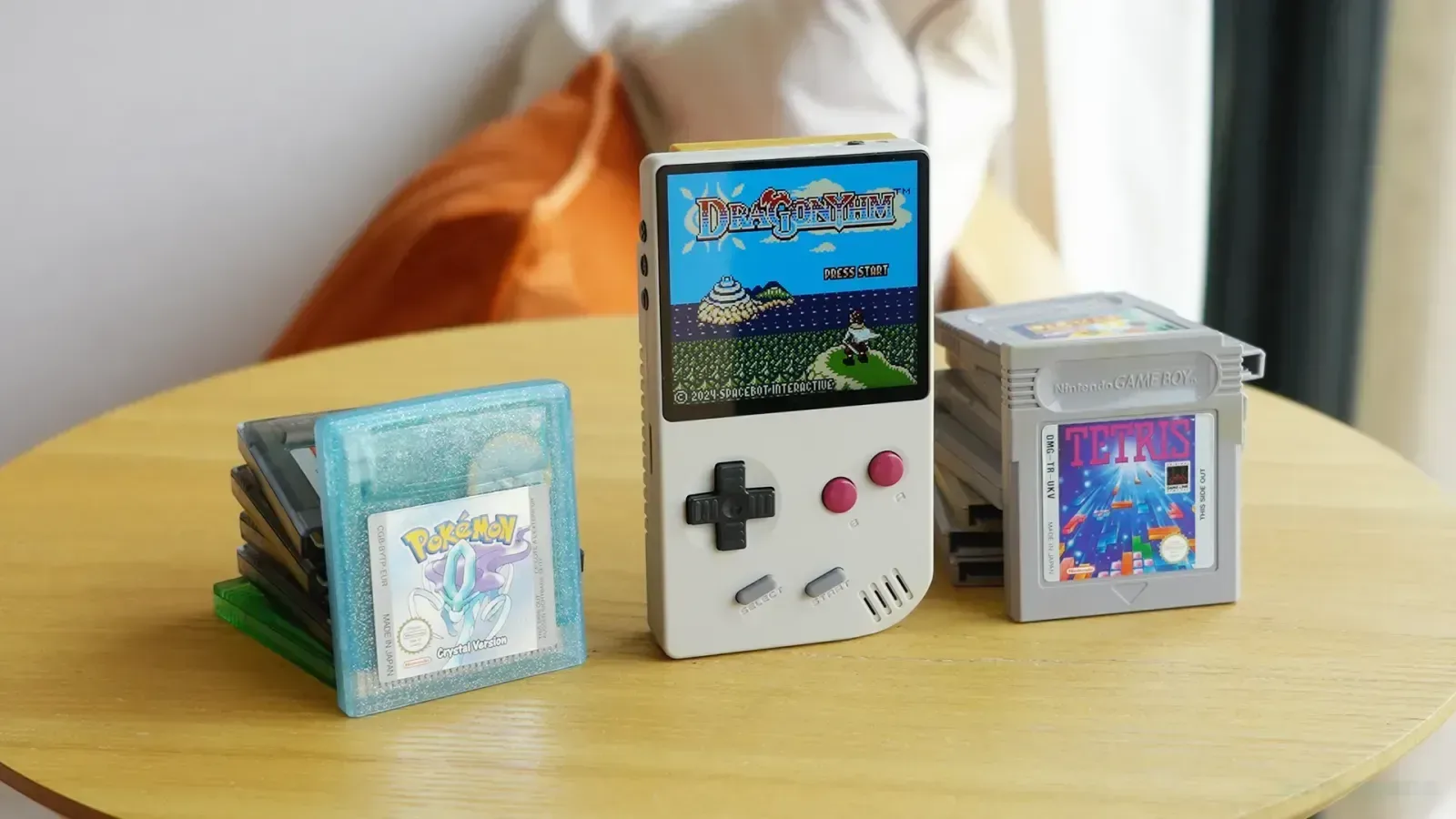
The FPGB Mini is designed as a miniature cartridge-playing handheld for Game Boy and Game Boy Color software. Its defining feature is its FPGA approach: rather than running games through typical software emulation on a general-purpose chip, the system uses programmable logic intended to reproduce the behavior of the original hardware more directly. For retro players, that can be an attractive proposition, particularly when paired with physical cartridges.
The device also emphasizes portability. It uses a 2.98-inch display with pixel-perfect resolution and is small enough to fit comfortably in a pocket. That gives it a different identity from larger FPGA handhelds and from many emulation-focused portable devices. It is aimed at players who want to bring a real Game Boy or Game Boy Color library with them without carrying aging original hardware.
At a reported price point of $69, the FPGB Mini is also positioned aggressively. That price makes it notably less expensive than some other premium Game Boy-compatible options, including ModRetro's transparent Chromatic. If FunnyPlaying can resolve the reported issues while preserving that price, the system could occupy a compelling niche: a compact and comparatively affordable FPGA handheld that uses original cartridges.
Those strengths explain why the FPGB Mini has generated significant interest despite its limited supply. The concept is easy to understand: a tiny modernized Game Boy-style machine, a sharp display, physical media support, and FPGA hardware at a price that is lower than several rivals. In theory, that is a strong formula for the enthusiast market.
Early hardware concerns remain significant
However, the FPGB Mini's early reception has also exposed why FunnyPlaying is still treating it as a limited-run product. Reports from hands-on testing have identified several functional and build-quality problems that would be serious for a handheld intended to play a cherished physical game collection.
One particularly notable issue involved the menu button breaking off. That is more than a cosmetic flaw: without that control, users may be unable to access settings or save games while playing cartridges. On a system built around physical buttons and cartridge-based play, a failure affecting a core input undermines confidence in the hardware's durability.
There are also concerns around the cartridge slot. It has been described as too small for rumble cartridges, restricting compatibility with a category of Game Boy Color releases and accessories that rely on a larger cartridge design. A cartridge-focused machine does not necessarily need to support every peripheral or unusual form factor to be useful, but physical fit issues are especially frustrating when the product's principal appeal is using an existing cartridge library.
Compatibility itself has raised additional questions. A number of games have reportedly glitched or behaved incorrectly on the FPGB Mini. That is precisely the kind of problem buyers generally hope FPGA-based hardware will minimize. No platform can guarantee flawless behavior across every edge case immediately, especially in an early revision, but glitches in retail cartridges are a meaningful concern for a device marketed around accurate Game Boy and Game Boy Color play.
None of this means the FPGB Mini lacks potential. In fact, FunnyPlaying's decision to acknowledge improvements are being made is encouraging. The crucial unknown is whether the company can solve the button, cartridge-slot, and software behavior issues in a revised production model without losing the compact form factor or the $69 target price.
A revised FPGB Mini is in development, but timing is unknown
FunnyPlaying has confirmed that it is making improvements based on customer feedback. What it has not shared is a timetable for the new version. The company says the specific release date remains uncertain, leaving interested buyers to choose between chasing the 20-unit drop and waiting for more mature hardware.
For most people, waiting is likely the safer option. The existing concerns are not minor matters such as a slightly awkward menu layout or a cosmetic preference. They involve core usability, cartridge support, and game behavior. Until FunnyPlaying details the changes in the revised version, there is no way to know exactly which problems will be addressed or whether new testing has confirmed broader compatibility.
There is also no indication yet of how large a future production run could be. The initial 40-unit batch and this expected 20-unit allocation are far below the scale required for ordinary retail availability. A revised FPGB Mini could receive a substantially bigger launch, but FunnyPlaying has not announced any such plan.
The company is known for moving carefully as a relatively small team, and that may be the right choice for this particular product. Rushing a larger launch before the hardware is ready could create more dissatisfied customers and make it harder for the FPGB Mini to recover its momentum. A slower revision cycle is frustrating for eager buyers, but it is preferable to treating paying customers as hardware testers indefinitely.
Should retro players try to buy this week?
The answer depends heavily on what a buyer wants from the FPGB Mini. For dedicated hardware collectors, early-adopter enthusiasts, and tinkerers who understand that this is still an evolving product, the 20-unit release may be appealing. Its combination of size, FPGA design, display, and cartridge support is distinctive, and early hardware can hold interest simply because of its place in a product's development.
For players seeking a dependable everyday system for Game Boy and Game Boy Color cartridges, patience is the better route. The reported failures and compatibility limitations make the current model difficult to recommend as a no-compromise replacement for original hardware or other established alternatives. The extreme scarcity also removes the pressure to make an immediate decision: most interested customers are unlikely to get one anyway.
FunnyPlaying now has an opportunity to turn the FPGB Mini's promising concept into a stronger finished product. A future version that reliably handles games, accommodates relevant cartridge types, and improves physical durability could be a major contender in the FPGA handheld space. Until then, this week's tiny restock looks less like a full launch and more like another limited step in a continuing public test phase.
In short: only 20 FPGB Mini units are expected to be offered this week, and they are likely to disappear quickly. FunnyPlaying is working on a revised model, but neither its launch date nor the exact list of fixes has been confirmed. Buyers who value reliability over novelty may want to wait and see how the updated hardware develops.
Community
Discussion
Start the conversation.
No comments have been posted yet.