

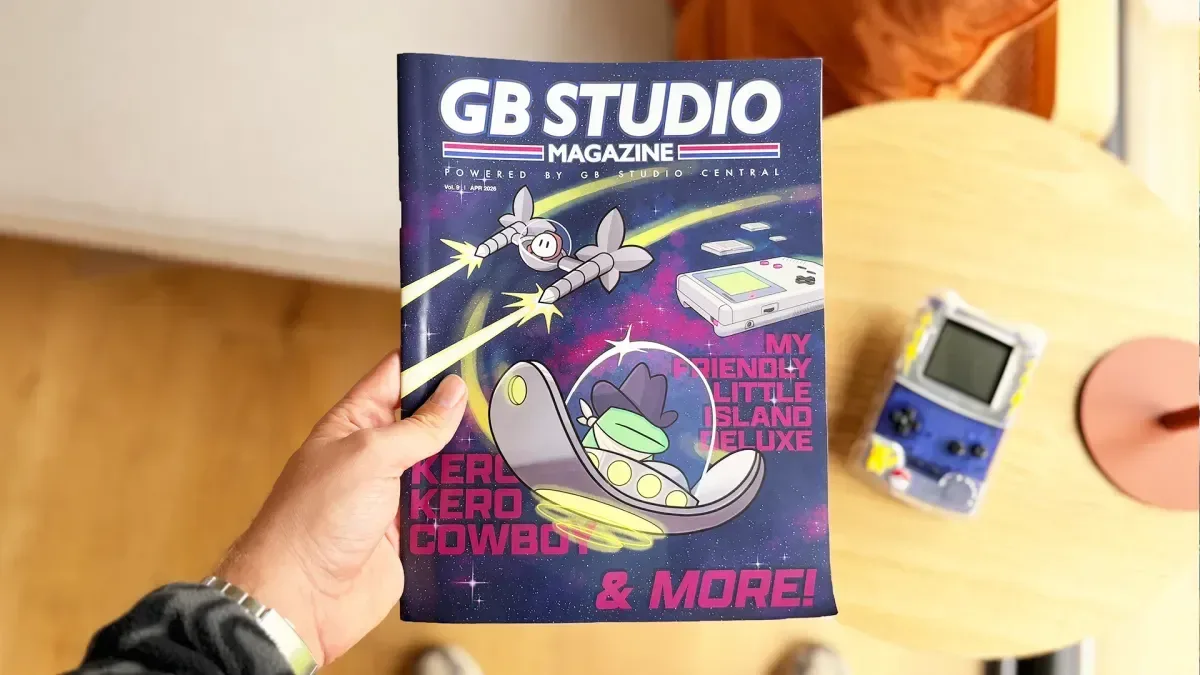
GB Studio Magazine, a print publication dedicated to the modern Game Boy development scene and the community surrounding GB Studio, is set to end its current physical run with Volume 11. The issue is planned to ship at the end of 2026 and is being positioned as a special celebration of both the magazine's work and the game-making tool that inspired it.
The announcement does not necessarily close the door permanently on the publication or its wider website. Instead, the team is pausing to determine whether a sustainable and enjoyable model can be found for future production. For now, however, Volume 11 is expected to be the last physical issue available under the project's present approach.
For readers who have followed the renewed interest in Nintendo's original handheld, the news is a reminder of how much of that scene is powered by small groups and volunteers. There is still an active appetite for new Game Boy games, pixel art, homebrew cartridges, demos, tools, criticism, and physical collectibles. Turning that enthusiasm into a dependable print operation, though, is a much more difficult challenge.
A magazine built around a thriving Game Boy scene
GB Studio Magazine launched in mid-2023 as a highly focused publication for people making, playing, and following contemporary games designed around Game Boy-era hardware and aesthetics. Its subject matter is unusually specific, but that specificity is also its appeal. Rather than treating the Game Boy as a historical footnote, the magazine has served a community continuing to create new work for the platform decades after its original commercial lifespan.
For useful background on this topic, read Marshall Monitor III ANC Headphones Drop to $250 in Limited Amazon Deal.
That community has been helped substantially by GB Studio, the accessible development tool created by Chris Maltby. The software has enabled creators with varying levels of technical experience to make Game Boy-style projects through a more approachable, visual workflow. Its drag-and-drop-oriented design has lowered a barrier that once kept many aspiring developers away from retro hardware development.
The result is a scene with room for small games, experimental projects, physical releases, artwork, tutorials, and discussion. A dedicated magazine made sense within that environment: it could collect those efforts in a tactile format that echoes the gaming publications many retro fans grew up with. Each issue offered an opportunity to slow down and engage with the people and projects behind a niche that can otherwise be easy to miss amid the speed of online feeds.
Physical gaming magazines have become increasingly rare, particularly ones serving an independent retro-development audience. That makes the end of GB Studio Magazine's current print schedule disappointing, but it also highlights the commitment required to produce it at all. Editing, commissioning, layout, printing, fulfillment, administration, and keeping a website active all demand time that is not always visible to a reader receiving the finished issue.
Staff changes and volunteer workload shape the decision
The magazine's situation follows changes within the GB Studio operation, including the departure of a leading staff member for other opportunities. While the remaining core team can maintain operations, the transition has made the workload surrounding the magazine harder to manage and has raised the question of who can realistically take on key responsibilities.
"Our core team is more than capable of maintaining operations, but it will take time to figure out what that looks like and who will take on these responsibilities," Emi said. "While we do have some revenue from our magazine and site ads, the reality is the majority of folks in our team volunteer their time to keep this site going, with minimal compensation."
That distinction is important. The issue is not presented as a lack of passion for either GB Studio or the magazine. It is a question of sustainability. Revenue from magazine sales and site advertising exists, but much of the labor is still contributed on a volunteer basis or for limited compensation. Replacing a person who holds operational knowledge and takes on major responsibilities is not as simple as filling a vacant role on paper.
Independent media is often judged solely by whether a product is available to buy, but a physical magazine has costs beyond printing. A small team also has to coordinate production schedules, submissions, editorial decisions, communication, postage, customer support, and the practical surprises that accompany any limited-run object. The more specialized the audience, the harder it can be to spread those tasks and expenses widely enough to make the work viable over time.
For GB Studio Magazine, Volume 11 is therefore both a finale and a chance to reassess. The team may stop the physical publication entirely, or it may return in a revised form if a better balance can be found. No firm plan for a future format has been announced, so readers should treat the upcoming issue as the final one for now rather than assume a follow-up volume is guaranteed.
Volume 11 is intended as a celebration
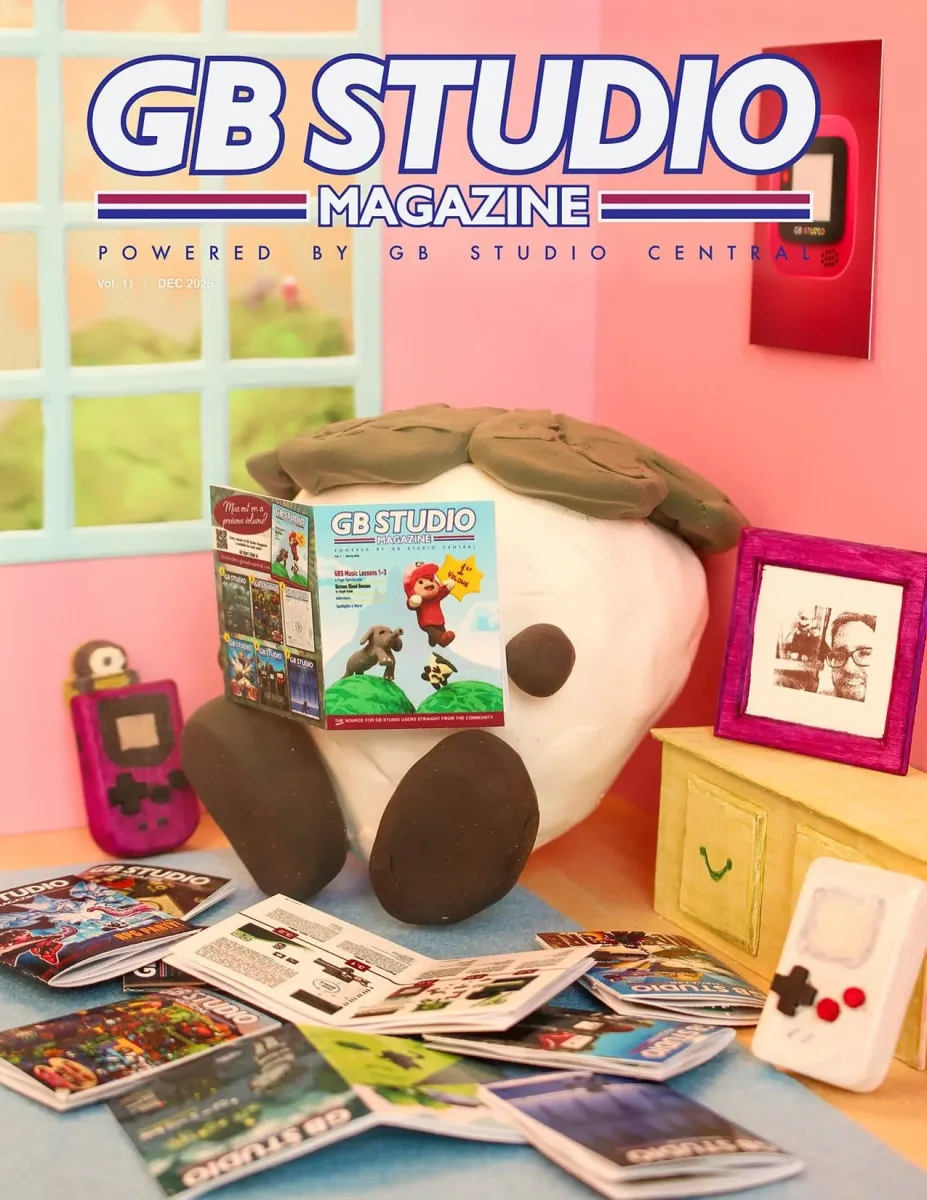
Rather than quietly winding down, the team is making Volume 11 a more substantial commemorative edition. Its content is described as a look back at what GB Studio and the magazine have accomplished, while also considering the future of the community. Much of the material will be exclusive to the physical release rather than republished on the site.
Among the highlights is an in-depth interview with Chris Maltby, GB Studio's creator. Given the tool's importance to modern Game Boy development, that feature should provide a particularly meaningful centerpiece for the final issue. The magazine has always existed alongside the creative ecosystem enabled by the software, so an extended discussion with Maltby is a fitting way to mark this stage of its history.
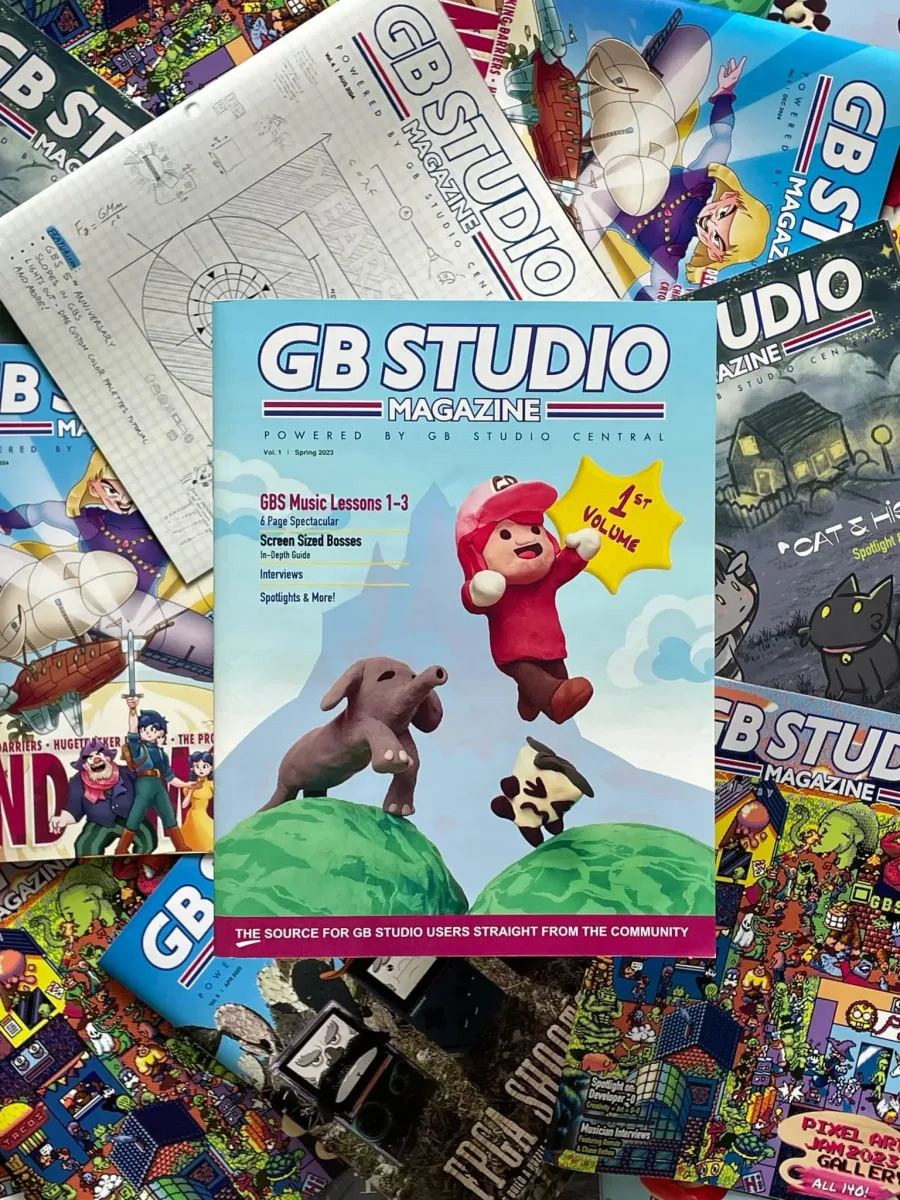
Subscribers will also receive a fold-in poster based on the Volume 11 cover. The reverse side will feature the cover of the magazine's first issue, creating a direct visual connection between the beginning of the print run and its current endpoint. It is a deliberately old-school extra, reflecting the fold-out posters and inserts that made earlier gaming magazines feel like more than a stack of pages.
That approach matches the publication's broader appeal. A digital article can deliver news instantly, but a print magazine can become an artifact of a specific community at a specific point in time. For enthusiasts who collect Game Boy games, manuals, boxes, zines, and hardware, a magazine documenting new work on the system carries a different kind of value. It is part archive, part celebration, and part proof that the platform remains creatively alive.
Ordering details and what happens to earlier issues
Volume 11 is currently available through GB Studio Central for $15, with shipping expected at the end of the year. Anyone interested in owning the final issue should be mindful that this is the last confirmed physical edition under the existing model.
The team has also indicated that remaining copies of earlier issues are expected to be reduced in price in 2027 as it sells through its back catalogue. That could give newer readers a chance to explore the magazine's previous volumes, though it also underlines the uncertainty surrounding further physical publishing.
There is a bittersweet quality to the timing. The Game Boy scene itself feels active: developers continue to make new games, creators continue to build tools and accessories, and players remain eager to support projects that embrace the limitations and character of vintage hardware. Yet a busy scene does not automatically make a specialist magazine financially secure. Enthusiasm can sustain creativity, but editorial production and print distribution require a different level of ongoing support.
Still, the team's decision to make Volume 11 a dedicated retrospective rather than a reduced send-off speaks to the care invested in the project. It gives the publication an opportunity to recognize the contributors, developers, artists, and readers who turned a niche idea into an 11-issue run.
Whether GB Studio Magazine returns in another form remains unresolved. For now, its final planned print edition stands as a celebration of the people keeping Game Boy development active, and as a reminder that preserving a physical space for that work takes more than nostalgia alone.
Community
Discussion
Start the conversation.
No comments have been posted yet.