

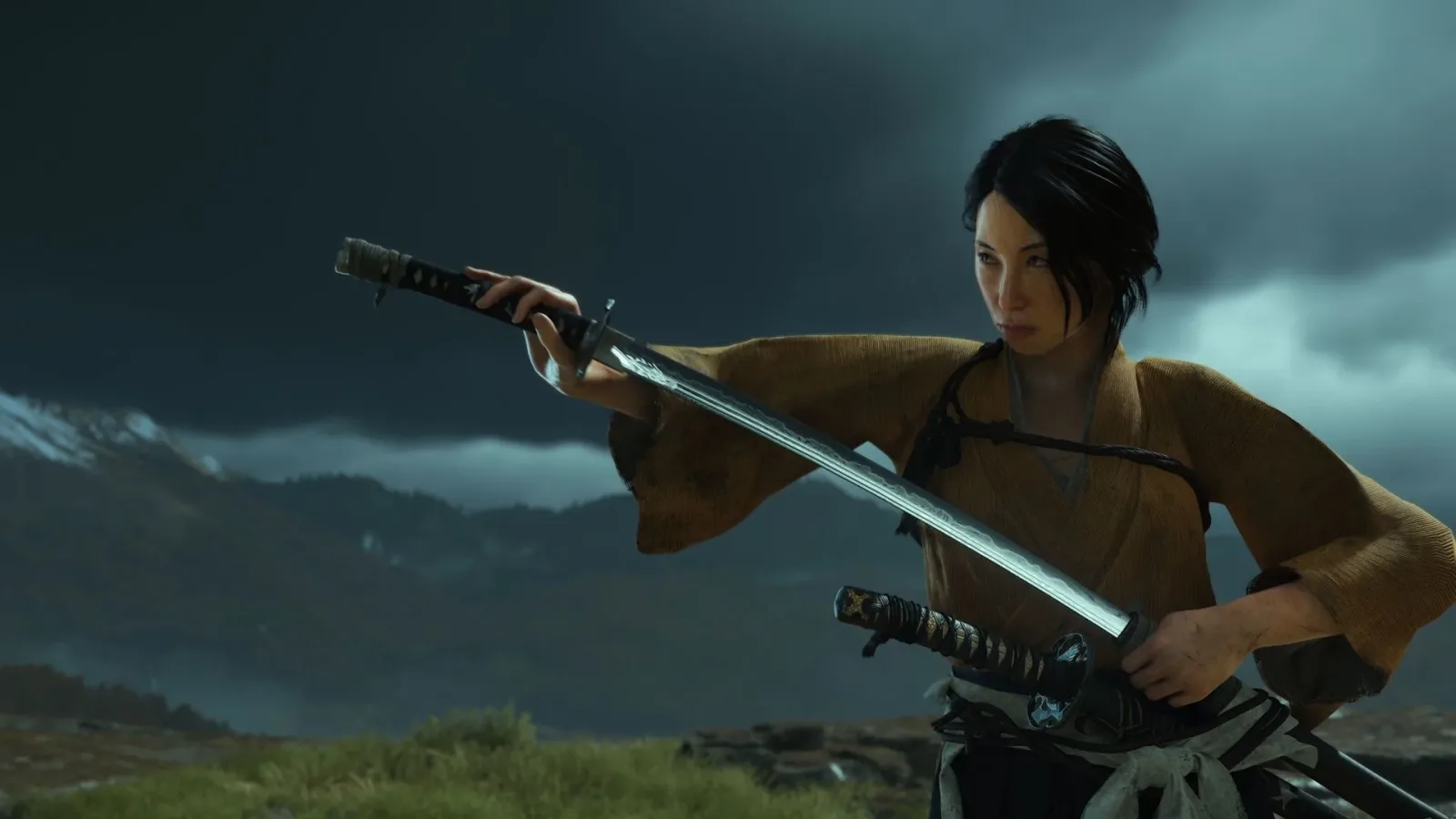
Ghost of Yotei: Echoes of Sekigahara has the difficult job faced by many major narrative expansions: returning players to a world they may have already thoroughly explored while giving them a reason to care about what comes next. It succeeds at one half of that equation. Stepping back into Atsu's world still carries a powerful pull, especially for players who fell hard for the 2025 open-world adventure. Its swordplay remains fluid, its dramatic standoffs remain satisfying, and the act of moving through another stretch of wild landscape can still feel cinematic.
What the expansion appears less able to do is justify itself as an essential new chapter. Echoes of Sekigahara offers a new narrative, a newly accessible area in the Ashoro Foothills, enemy encounters, equipment and cosmetic additions. Yet its central concerns are rooted so firmly in events that have already happened that it can feel more like an extended reflection on the original game than a meaningful continuation of it.
That is not automatically a flaw. Revisiting the past can add emotional context and reveal new shades to a protagonist. But in this case, the expansion's attachment to familiar conflicts and old wounds means that its new material does not always carry the urgency expected from a substantial post-release story.
A return shaped by the Battle of Sekigahara
Echoes of Sekigahara is built around Atsu's connection to Nagato, a figure from her past, and memories surrounding the pivotal Battle of Sekigahara. Rather than pushing Atsu into a decisively new stage of her life, the DLC looks back at the role she and Nagato played in that historic conflict. The choice gives the story a reflective tone, inviting players to revisit formative events through a different lens.
For useful background on this topic, read Peak Reaches PS5, Xbox Series X/S, and Switch 2 on October 22.
The problem is one of momentum. A story expansion released after players have completed a huge, climactic open-world campaign naturally benefits from offering an escalation, a new threat, or a perspective that changes how the ending is understood. Here, the narrative focus is deliberately retrospective. The large battle is already history, and the main game's most important conflicts have already reached their resolution.
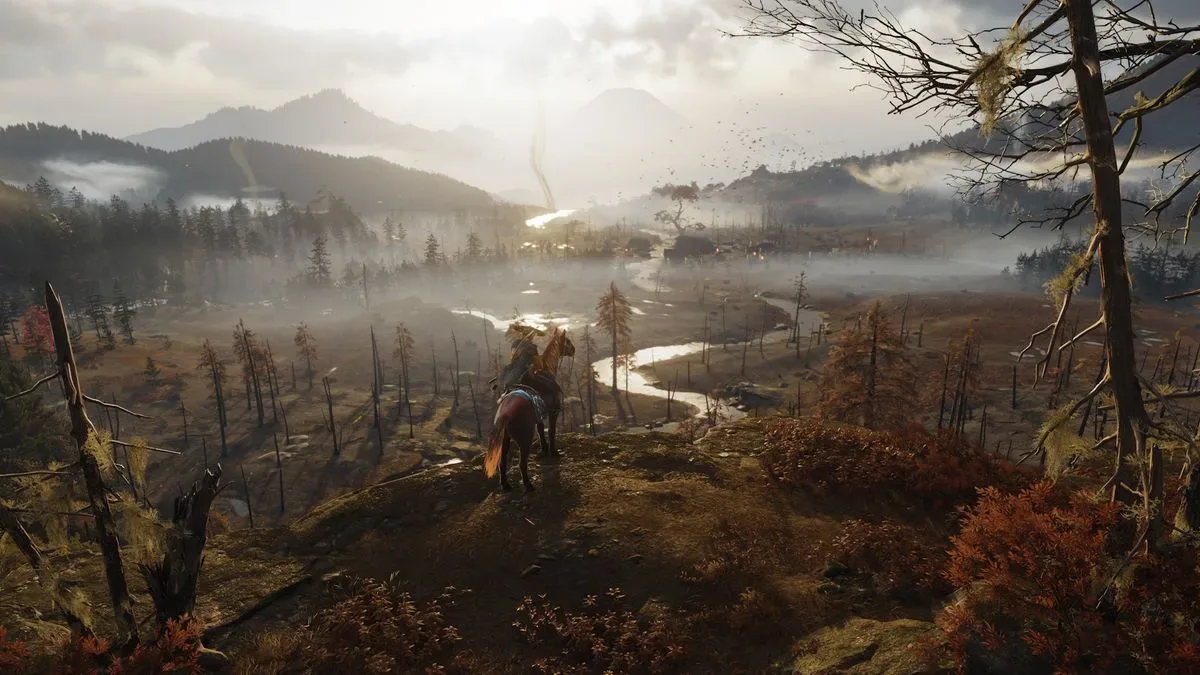
That sense of looking backward extends to the Ashoro Foothills. The area is presented as a damaged, chaotic wasteland populated by the remnants of the Viper's followers. The Viper, the first member of the Yotei Six eliminated by Atsu in the main story, is not restored as a major antagonist. Instead, the followers left behind are splintered and searching for someone to lead them.
There is potential in a power vacuum: fractured groups can be unpredictable, and a collapsed organization can create a more desperate kind of violence. But the lack of a commanding figurehead reduces the sense of threat. The Vipers are no longer at their height, and their role in the expansion can consequently feel like an afterthought to a conflict that was already resolved. Ashoro's disorder supplies fights and atmosphere, but it does not necessarily provide the narrative gravity of a truly new enemy faction.
An appendix rather than a new act
For players who exhausted the base game's side content, upgrades, collectibles and challenges, Echoes of Sekigahara may feel particularly slight. Ghost of Yotei was designed as a sweeping experience filled with reasons to wander: duels, discoveries, combat encounters and gradual improvements to Atsu's capabilities. Once all of that has been cleared, an expansion needs to create an especially strong feeling of fresh possibility.
The new content does include additional enemies, armor sets, dyes and other familiar rewards. These are welcome additions for people looking for more tools and more opportunities to customize Atsu. Still, the structure largely returns players to a version of what they have already been doing. There is value in refinement, but the DLC does not seem to introduce a major new mechanical idea on the same level as the base game's most memorable reveals and upgrades.
That makes Echoes of Sekigahara feel less like a full second act and more like an appendix. It adds context, scenery and combat spaces, but it does not fundamentally alter the shape of the journey. The distinction matters because Ghost of Yotei set a high standard for the thrill of forward motion. In the main adventure, new abilities and story revelations could land with real force, making progress feel exciting even after dozens of hours.
The expansion's more conservative approach has the unintended effect of emphasizing what made that original structure so effective. It does not diminish the main game, but it may leave players wishing the new chapter had been bolder about giving Atsu somewhere genuinely unfamiliar to go.
The combat is still a compelling reason to return
If Echoes of Sekigahara does not consistently provide a fresh narrative hook, it does remind players how strong Ghost of Yotei feels in motion. Returning after months away can make the DLC unexpectedly satisfying on a basic mechanical level. Skills that once seemed automatic need to be relearned. Timing slips. Aim takes adjustment. The rhythm of a duel has to be found again.
That reacclimation creates its own appeal. Ghost of Yotei's combat is at its best when players are reading opponents, committing to an opening and moving quickly between decisive actions. A return visit makes even familiar systems feel newly demanding, not because the core design has changed, but because the player has changed in the time away.
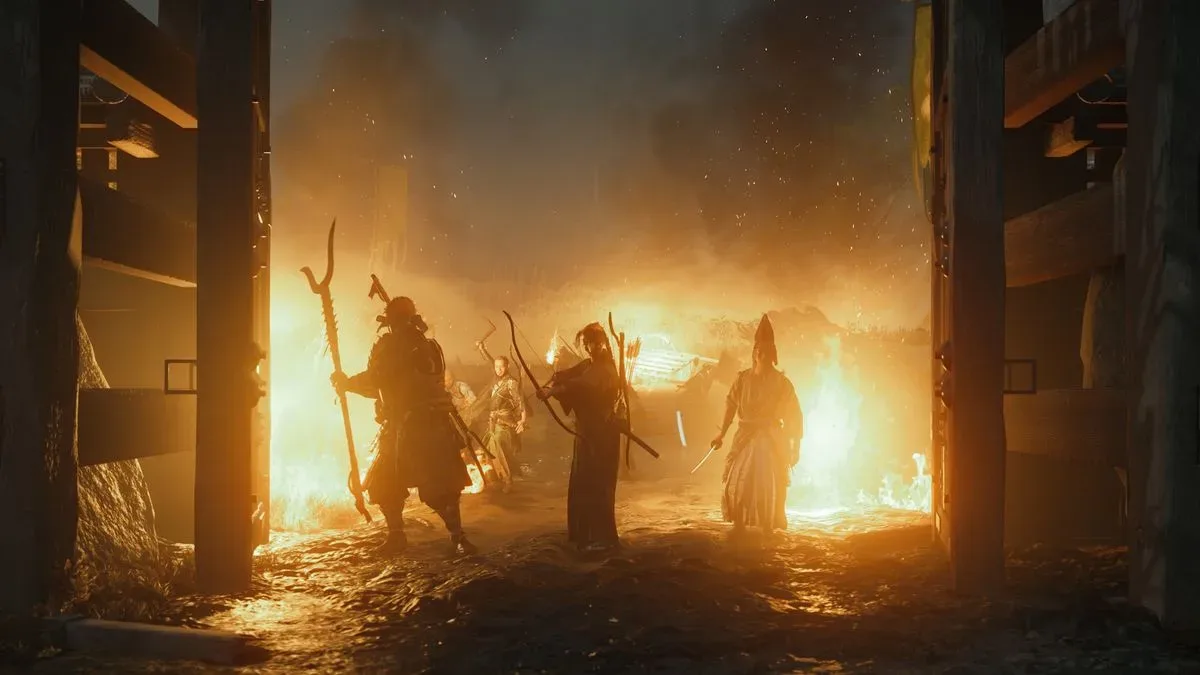
Standoffs remain a highlight. Atsu facing down a group with her wolf beside her, eliminating several attackers before conventional combat even begins, preserves the fantasy that made the main game so memorable. Those encounters combine style and utility: they are visually dramatic while rewarding player confidence and precision. When a standoff flows directly into swordplay, the game can still produce the kind of action sequence that invites players to stop thinking about objectives and simply enjoy being in control.
The same applies to the layered relationship between Atsu's tools, movement, weapons and animations. Even when the expansion is not dramatically reinventing those systems, putting them back in players' hands is a reminder that the foundation remains excellent. Relearning how separate abilities connect can be more exciting than expected, particularly for returning players who had forgotten just how expressive combat could be.
More Ghost of Yotei, for better and worse
There is an important difference between saying that Echoes of Sekigahara is disappointing and saying that it is unenjoyable. The expansion can still be satisfying because it delivers more time in a world that many players loved. The new wilderness, added gear and combat opportunities all have value. Anyone who wanted another reason to wear a different armor set, try new enemies or revisit Atsu's fighting style may find plenty to appreciate.
However, the expansion's strongest moments appear to come from the existing strengths of Ghost of Yotei rather than from what Echoes of Sekigahara uniquely contributes. The act of inhabiting Atsu again remains compelling. The tension of a duel remains compelling. The tactile reward of mastering a difficult encounter remains compelling. Those qualities are not small things, but they belong to the larger game's enduring identity.
Its past-focused premise makes the DLC feel unusually restrained for a release attached to a complete edition. The announcement of a new story expansion alongside a combat survival mode suggested a substantial return, and Echoes of Sekigahara does deliver new material. Yet the story's fixation on former events, along with enemies tied to a defeated early-game antagonist, limits the impression that this is a major evolution of the adventure.
A worthwhile revisit, not an essential new chapter
Echoes of Sekigahara ultimately works best as an excuse to return to Ghost of Yotei, rather than as a compelling argument that the story needed another chapter. Players who remain hungry for Atsu's world will likely enjoy the chance to revisit its combat and explore the Ashoro Foothills. Those who left nothing unfinished in the main game may also appreciate the opportunity to test whether their hard-earned instincts have survived time away.
But players hoping for a transformative sequel-sized addition, a major narrative advance, or a newly urgent villain may find the expansion too content to revisit old ground. Its additions are real, and its action is still capable of delivering spectacular moments. It simply does not match the electricity of the original campaign's steady escalation.
In a way, that makes the DLC a useful reminder of why Ghost of Yotei resonated so strongly in the first place. Its best qualities were not merely its map, its rewards or its collection of combat systems. They were the way every new discovery and capability felt connected to Atsu's forward-moving journey. Echoes of Sekigahara can still be enjoyable, but its gaze is fixed behind it. For an adventure defined by the impact of each new step, that backward glance leaves it feeling more supplemental than essential.
Community
Discussion
Start the conversation.
No comments have been posted yet.