

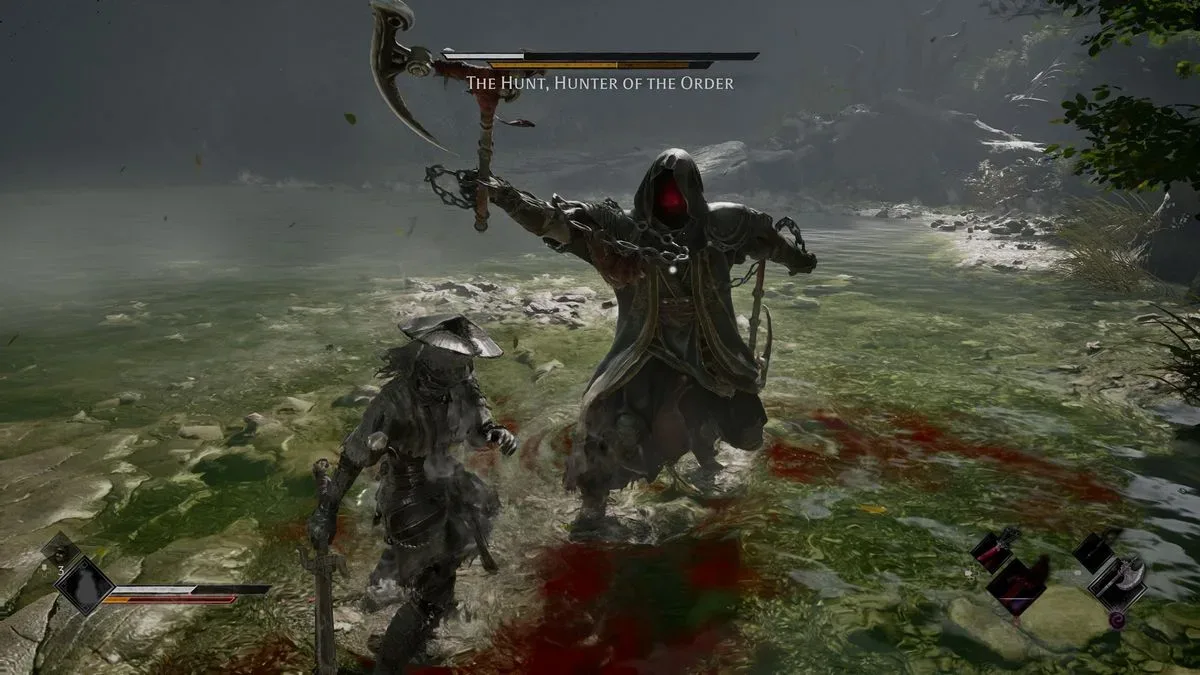
Phantom Blade Zero is not a Soulslike, and treating it as one would do it a disservice. S-Game's action RPG certainly contains punishing enemies, boss encounters, parries, weapon upgrades, and a sprawling supernatural land full of dangers. Yet its priorities are different. This is a martial-arts action game rooted in wuxia traditions, where poised movement, expressive choreography, and tactical aggression matter more than repeating a familiar genre template. The result is an extraordinary combat-led adventure that looks every bit as impressive as it feels to play.
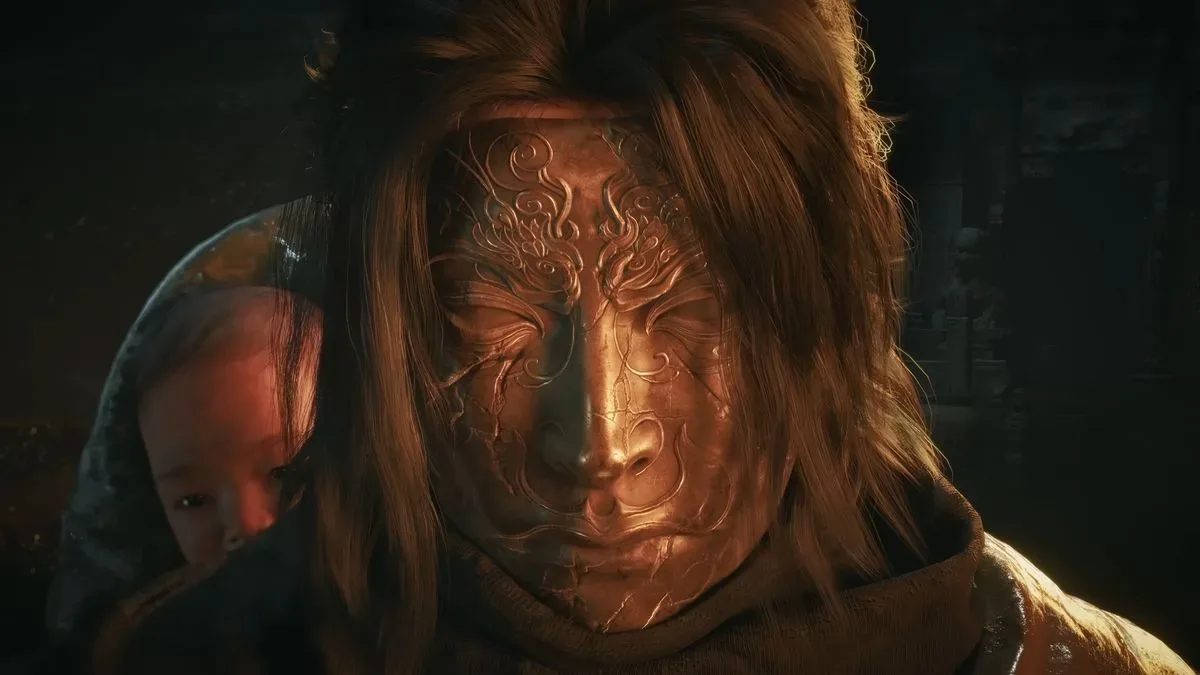
Set in a world the developer calls "kungfupunk," Phantom Blade Zero fuses Chinese history and mythology with supernatural horror, natural beauty, and traces of a more modern sensibility. After an opening sequence, protagonist Soul is left with only 66 days to live. That premise does not impose a real-time countdown: time advances only at specific story milestones. It does, however, inform a severe optional hardcore mode in which 66 deaths erase progress entirely. It is a formidable proposition for players who want high stakes, but it is not the default experience.
For most players, Phantom Blade Zero is a polished, demanding, and notably welcoming action adventure. Its approximately 30-to-35-hour route to the final boss can grow considerably longer for anyone who pursues optional routes, hidden bosses, upgrades, and the requirements for a more complete ending. Even after the credits-adjacent conclusion, the game makes a persuasive case for continuing the journey.
Verdict: combat with style and substance
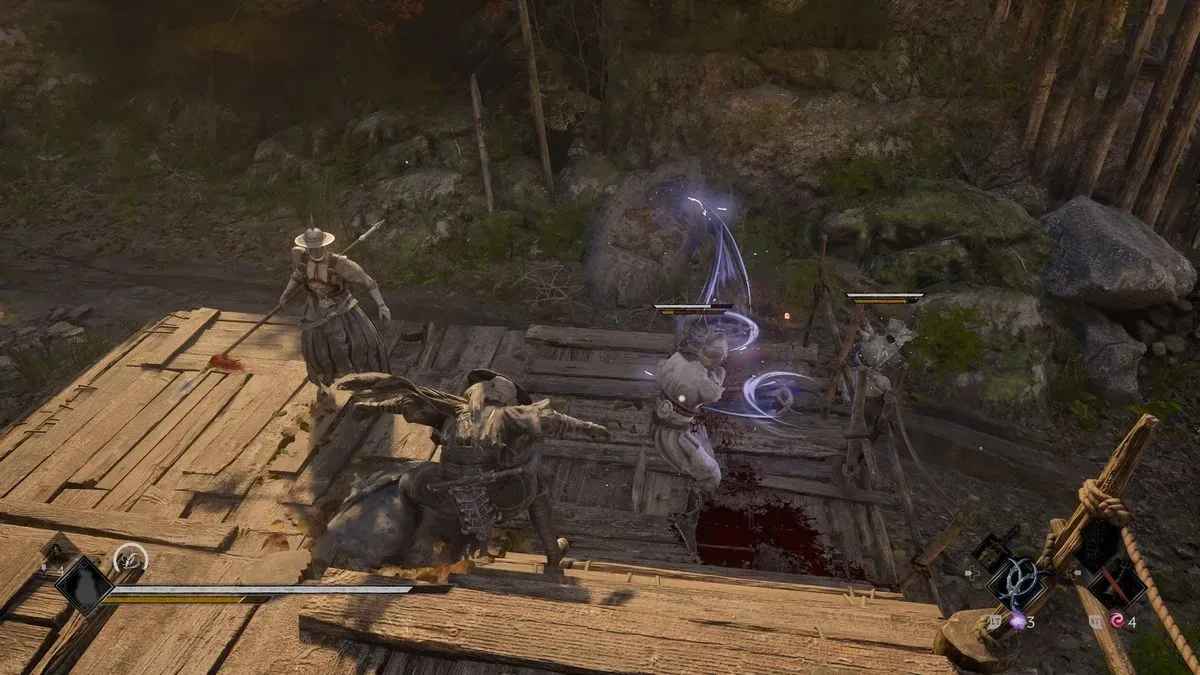
Combat is the heart of Phantom Blade Zero, and it is excellent. Every confrontation is designed as a fluid exchange rather than a simple contest of attrition. Soul blocks, parries, evades, lunges, and counters with the confidence of a trained martial artist, while enemies respond with their own deliberate patterns and bursts of violence. The animation work gives battles a cinematic grace, but this is not style covering shallow systems. Under the spectacle is an unusually flexible combat model that consistently rewards attention and composure.
For useful background on this topic, read Razer Barracuda V2 Pro review: Premium Wireless Audio Without the Gamer Look.
Button-mashing is generally punished. Careless attacks can leave Soul exposed, missed parries hurt, and poorly timed dodges are costly. Yet the game does not force a single defensive answer in every situation. If a parry is proving unreliable, stepping out of range and choosing a safer opening can be equally viable. That room for decision-making is one of Phantom Blade Zero's greatest strengths. It creates duels that feel dangerous without making every successful strategy seem predetermined.
Some enemies, especially bosses, do not simply rush forward to maintain pressure. They may watch, measure distance, and wait for an approach. This pacing helps the clashes feel more like confrontations between capable fighters than standard video game encounters. The game's extensive motion-capture work, including contributions associated with martial-arts performers and creative consultant Donnie Yen, gives these exchanges a distinctive physicality. The action has the visual confidence of elaborate fight choreography while retaining the responsiveness needed for demanding play.
Weapons are more than statistical upgrades
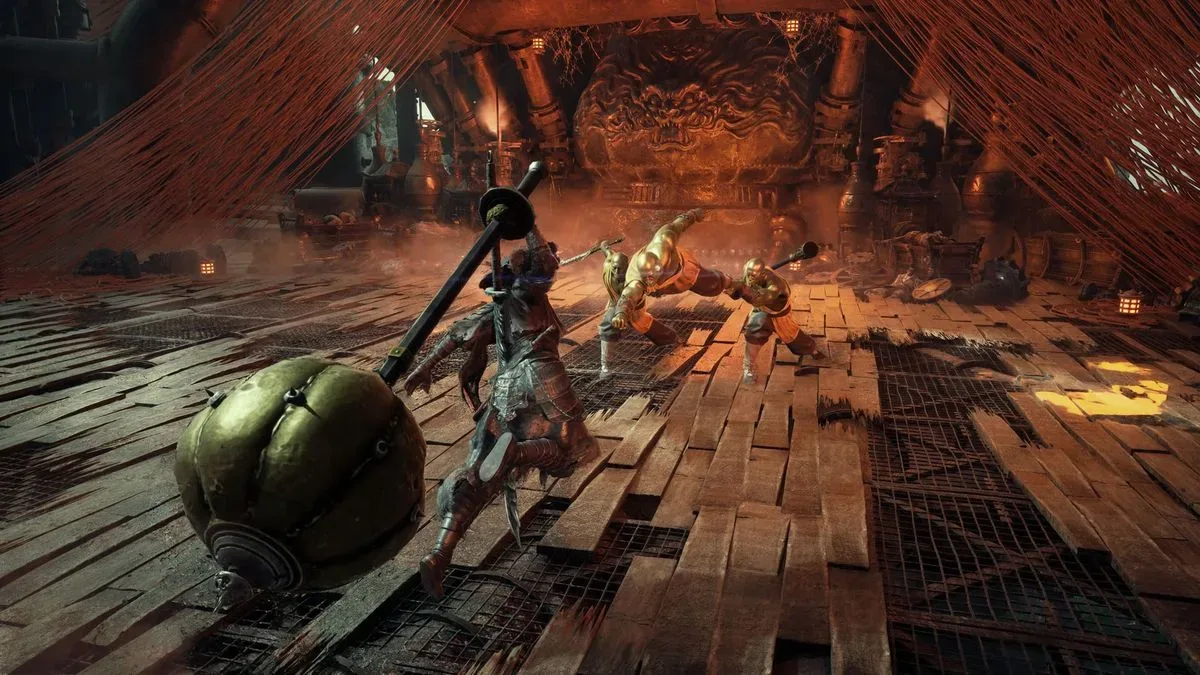
Phantom Blade Zero's weapon system is another major success. There are 30 regular weapons to discover, and many are missable for players who stick rigidly to the main route. Soul can equip two at once and switch between them instantly. This is more than a convenience: swapping weapons replenishes Sha-Chi, the resource spent on blocking and powerful attacks, turning weapon rotation into an active piece of combat strategy.
Each weapon also possesses a meaningful identity. One early blade can build bleed on human enemies, while another incorporates a jug of alcohol and introduces Tipsy and Drunk states. Some choices excel against shields, others counter attacks, and others serve specialized roles that make them valuable in a particular build or encounter. Rather than offering a stack of near-identical swords with slightly larger numbers, the arsenal gives players reasons to learn what each tool can do.
Phantom Edges add another layer. These limited-use tools can attack from range, call allies or minions into battle, and otherwise broaden Soul's options. A select group doubles as traversal equipment, opening routes or allowing access to previously unreachable areas. That introduces a light Metroidvania flavor without overwhelming the forward momentum of the campaign. Relevant points on the map are automatically marked, and areas turn green once the matching Phantom Edge has been acquired. It is a smart accessibility choice: exploration still requires curiosity, but it does not demand tedious guesswork.
A large world that avoids feeling empty
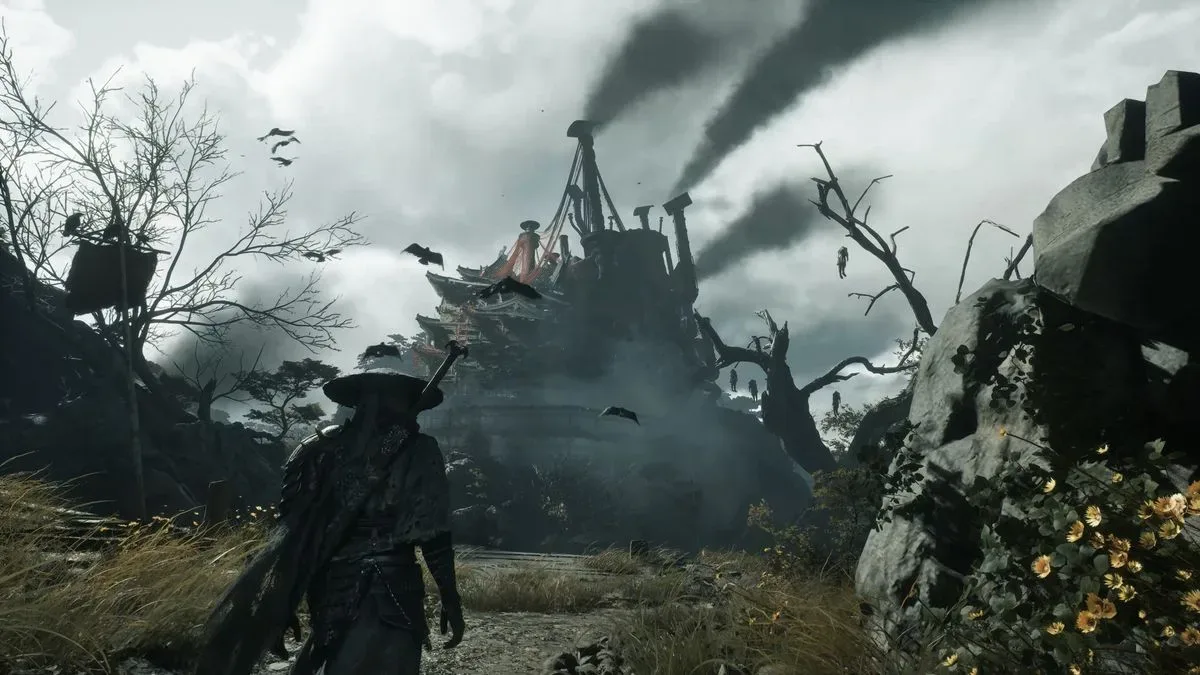
Although the game spans multiple regions and has a substantial map, Phantom Blade Zero is not best described as a conventional open-world game. Its spaces are tightly authored and briskly paced. Cliffs, lakes, fields, villages, caverns, and an extravagant estate give the journey visual variety, while faceless blade-wielders, spectral musicians, and grotesquely transformed monsters ensure that the threats remain equally memorable.
The important detail is that wandering away from the immediate objective pays off. Side paths can lead to upgrade materials, new weapons, hidden bosses, collectibles, or useful tools. Traditional collectible sets increase core attributes, while weapon materials reward a more thorough approach to the map. Exploration is not filler between mandatory combat arenas; it is an essential source of character growth and one of the best ways to find the game's most interesting optional challenges.
The structure also avoids some of the more exhausting habits associated with difficult action RPGs. Save and respawn points are generally generous, medicines refill after death, and enemies almost never respawn. That last decision may divide players who prefer worlds that reset after every rest, but it supports Phantom Blade Zero's momentum. Clearing a difficult route feels like real progress, not merely a temporary reprieve before a familiar enemy gauntlet returns.
Storytelling is the one inconsistent element
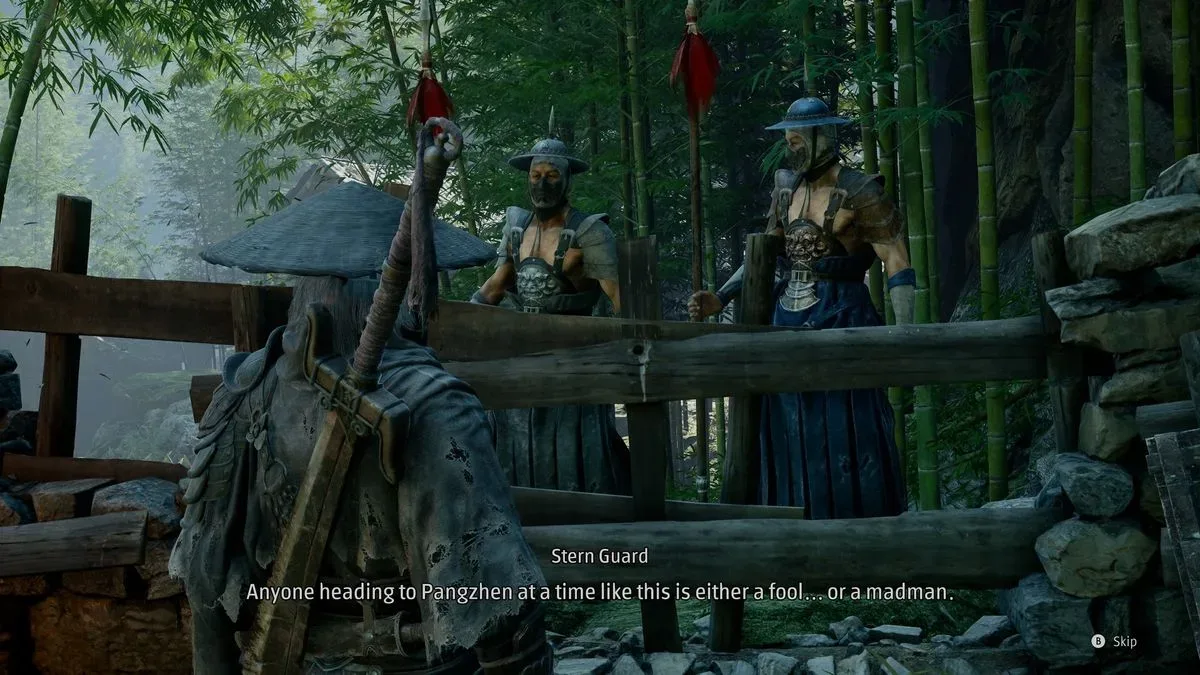
The world's visual identity is compelling, and the central hook gives Soul's journey urgency, but the storytelling itself is less dependable than the combat and exploration. The game uses dialogue, conventional cutscenes, scattered written notes, and more experimental narrative devices. At its best, this variety enriches the setting and supports the strange, supernatural atmosphere. At its weakest, it makes important information harder to absorb than it needs to be.
The scattered notes are especially excessive. Environmental text can be rewarding in an action RPG, but Phantom Blade Zero includes enough fragments that reading every one begins to feel disruptive. The Memory Flowers are a more significant issue. These blue flowers contain key plot details and are also tied to health increases and powerful skill unlocks. Interacting with one can leave Soul standing still while voices deliver several minutes of exposition. Players can advance through the dialogue more quickly, but skipping essential lore is hardly an ideal solution.
This uneven delivery does not ruin the story, which ranges from effective to occasionally confusing, but it is the clearest area where the game could be more disciplined. The contrast is especially noticeable because nearly every other major system feels so purposeful.
Endings, challenge, and technical caveats
A lengthy, exploratory first run can still lead to a clearly unsatisfying Bad Ending. It arrives abruptly and leaves several questions unresolved. However, the game's abundance of unexplored locations and secrets makes returning feel less like an obligation than an invitation. There is enough left to discover, including entire areas that can remain unseen on an initial completion, that the imperfect ending also functions as a prompt to investigate further.
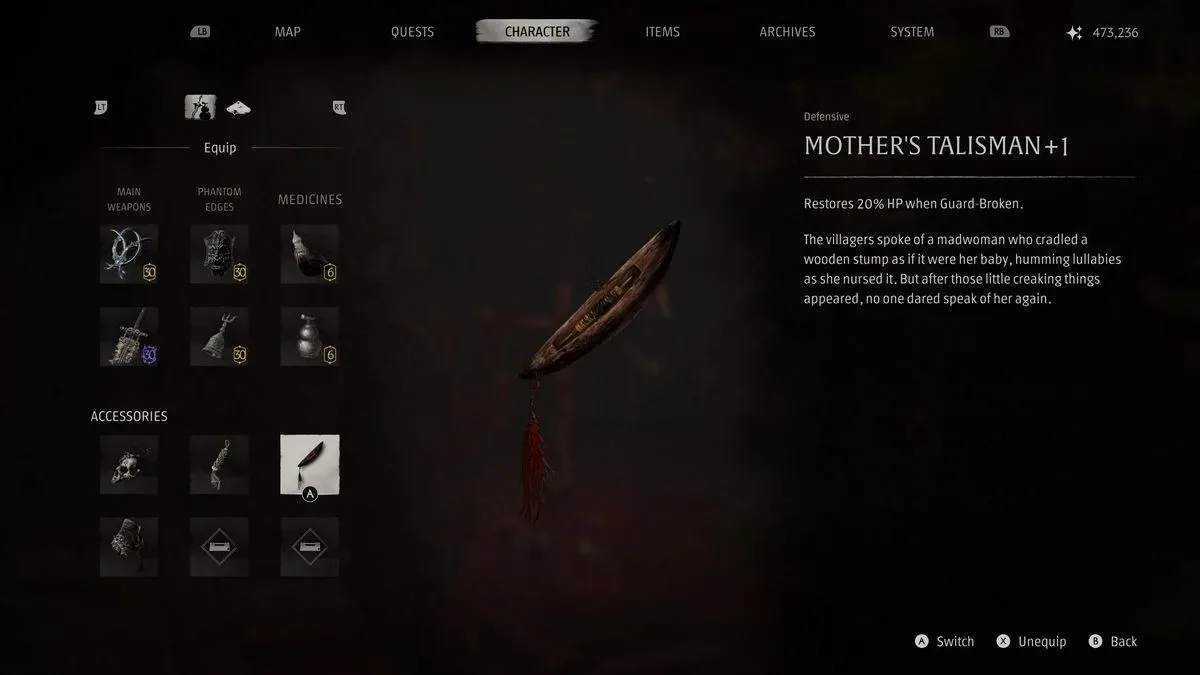
Reaching the True Ending is not effortless. Certain secret bosses required along that path represent a dramatic escalation in difficulty, even for a well-upgraded Soul. This spike may frustrate players who had felt comfortably in command of the preceding campaign. Still, the challenge is consistent with a game that places so much emphasis on mastery, experimentation, accessories, and build adjustment. Accessories can provide elemental resistance, increase damage against particular enemy types, or raise health, and changing them can meaningfully alter a difficult fight.
There are also some smaller technical concerns. Collision issues can occasionally cause Soul to become stuck on scenery during boss battles, leading to unavoidable damage. These problems appear limited rather than pervasive, but they are frustrating in a game where precision is so important. They are the sort of rough edges that should be addressed in launch-window updates.
Who should play Phantom Blade Zero?
Players who want thoughtful, visually expressive melee combat should put Phantom Blade Zero near the top of their list. It is particularly well suited to fans of wuxia-inspired action, weapon experimentation, secret hunting, and boss encounters that reward learning rather than blind persistence. Those expecting a traditional Soulslike loop of respawning enemies and punishing corpse runs should reset their expectations. This is a different kind of difficult action game: one that offers substantial support systems while asking players to engage seriously with its mechanics.
It may be less appealing to anyone who dislikes lore delivered through notes and lengthy stationary dialogue sequences. Players who demand a perfectly clean, immediately satisfying ending may also want to be prepared for a substantial postgame push. But these are comparatively modest objections beside the quality of the core experience.
Final takeaway
Arriving on PC and PlayStation 5 on October 29, 2026, Phantom Blade Zero is a remarkable action RPG with a confident identity. Its kungfupunk setting is distinctive, its compact-but-expansive world consistently rewards detours, and its weapons make experimentation feel exciting rather than obligatory. Above all, its combat achieves a rare balance: it is graceful enough to look spectacular and deep enough to remain compelling from early encounters through the toughest optional battles.
Phantom Blade Zero earns its 9/10 through superb combat design, rich exploration, and an abundance of reasons to keep digging after the main path appears complete. Its narrative presentation and a handful of bugs prevent a flawless finish, but Soul's supernatural martial-arts journey is still one of the most exciting action RPGs in its field.
Community
Discussion
Start the conversation.
No comments have been posted yet.