

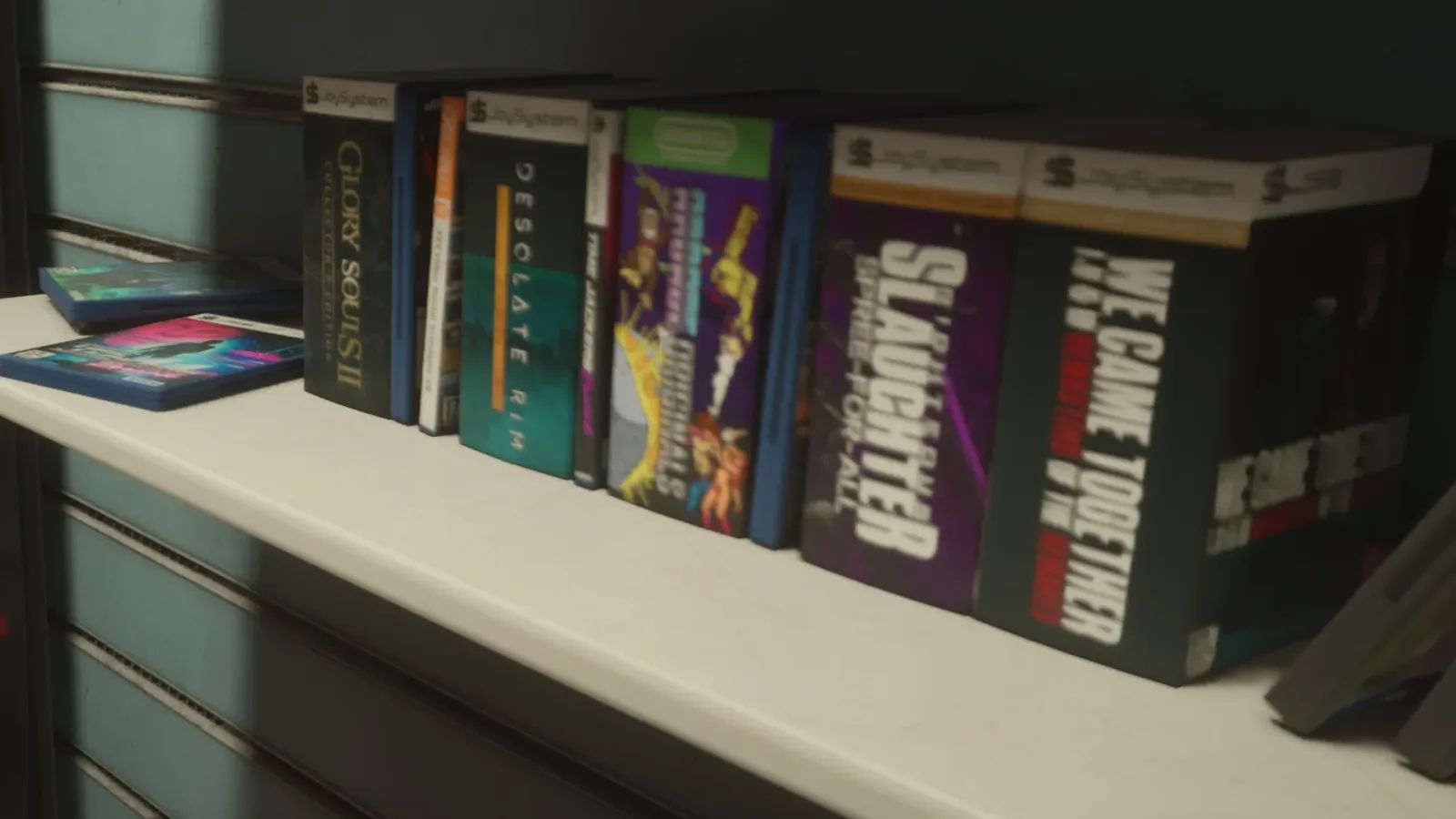
Grand Theft Auto 6 has built its identity around a world that comments on everything around it, from consumer culture and media spectacle to the absurdities of modern crime. That satirical instinct apparently extends to fellow game makers as well. Players exploring an electronics retailer named Game Horde in Port Gellhorn can find a fictional game collection with a particularly recognizable punchline: a parody of The Last of Us presented as "Remasters of the Remakes."
The joke is tucked into environmental detail rather than delivered through a major mission or cinematic scene. But it is pointed enough that fans will immediately understand the target. The package belongs to a made-up series called We Came Together, whose large, bold title treatment makes its connection to Naughty Dog's acclaimed post-apocalyptic franchise fairly clear. The "Remasters of the Remakes" label turns that recognizable visual nod into a jab at the many versions, upgrades, and bundled editions associated with The Last of Us during the PlayStation 5 era.
It is the kind of small discovery that fits comfortably within Rockstar's long-running approach to open-world satire. The studio has often filled its games with spoof brands, fake entertainment, aggressive advertising, overheard radio commentary, and background gags that reward close observation. This one stands out because it is not merely evoking a broad genre or a famous cultural institution. It appears to be taking aim at a very specific conversation within gaming: how often major publishers revisit their biggest successes.
A joke hidden on a Game Horde shelf
Game Horde is an in-game electronics store located in Port Gellhorn, one of the places players can explore as protagonists Jason and Lucia move through the world of Grand Theft Auto 6. Its shelves are not stocked with directly licensed real-world games, naturally. Instead, they feature Rockstar-style fictionalized counterparts that twist familiar names and conventions into broad comedy.
For useful background on this topic, read United Video Game Workers Distributes $290,000 Hardship Fund to Laid-Off Developers.
Among the games visible in the store is Righteous Slaughter, a title that reads as a parody of Call of Duty. Another is Glory Souls III, which combines a crude joke with an obvious reference to FromSoftware's Dark Souls series. These kinds of fake releases give the store a sense of place while also allowing Rockstar to make fun of the industry from inside one of its own biggest blockbusters.
We Came Together follows the same formula, though its accompanying collection title makes the joke more targeted. "Remasters of the Remakes" does not simply suggest that the fictional series has been successful. It suggests that its publisher has repeatedly repackaged the same material, applying one layer of modernization after another and continuing to present each return as an event.
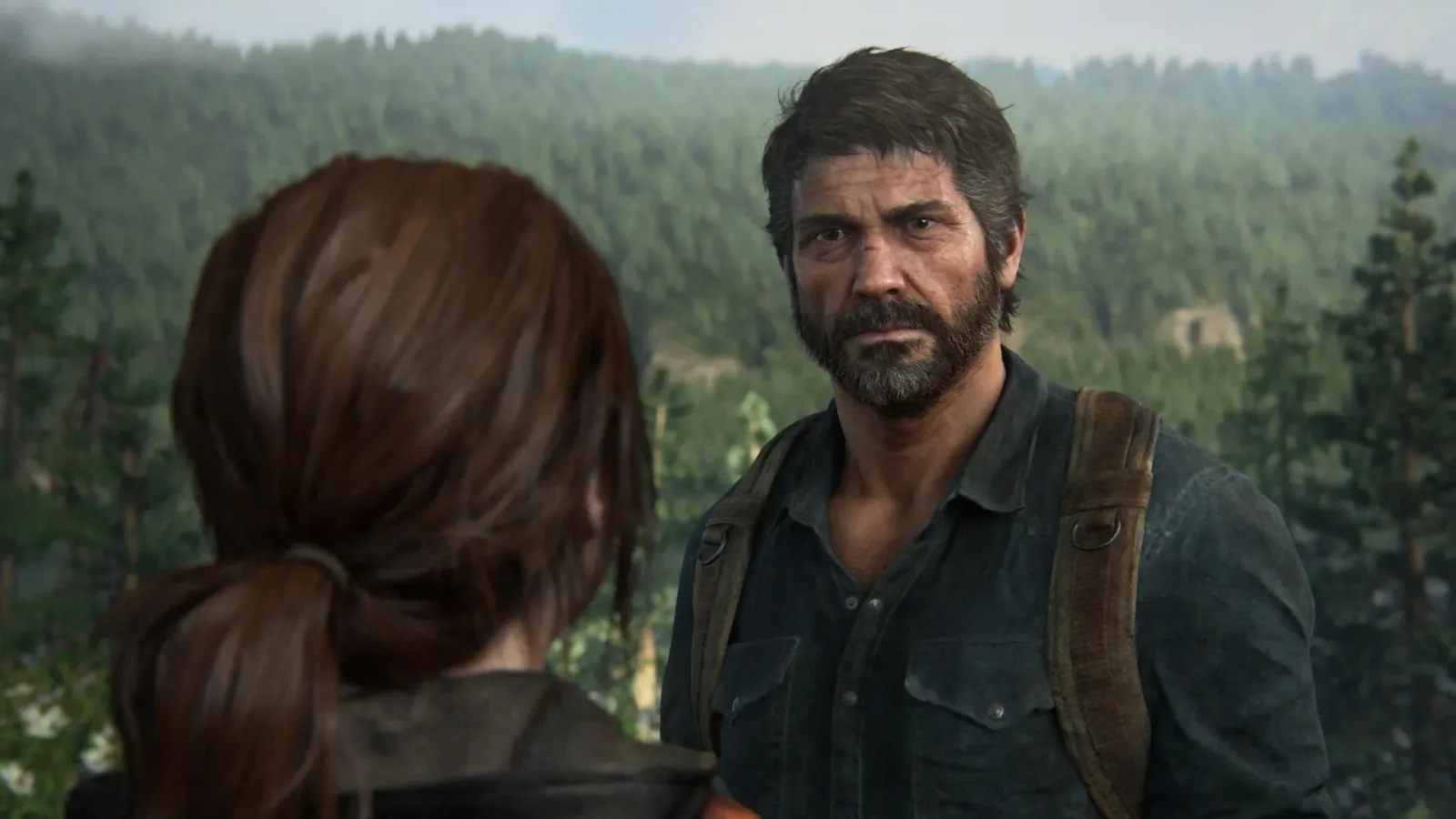
That framing mirrors a criticism sometimes directed at Naughty Dog's recent output. The first The Last of Us received a PlayStation 5 remake, while The Last of Us Part II received a PlayStation 5 remaster. Those two PS5 versions were subsequently brought together in a Complete edition. Each release has had its own technical, accessibility, presentation, or feature-based rationale, but the accumulated effect has also fueled recurring debate over how often a prestige franchise should be revisited before its next all-new chapter arrives.
The PS5-era Last of Us conversation
Naughty Dog's output in the current console generation has been especially closely scrutinized because the studio's reputation was built in part on a steady run of major new games. The developer moved from Crash Bandicoot to Jak and Daxter, then to Uncharted, before establishing The Last of Us as another defining PlayStation series. As a result, every extended gap between wholly new projects tends to invite questions about what the team is making and when players will see it.
Since 2020's The Last of Us Part II, the franchise has remained highly visible through updated game editions and its television adaptation. That visibility has helped keep the series in the public eye, but it has also made the absence of a new numbered game more noticeable to audiences eager to see what comes next.
A third The Last of Us game has been discussed as a possibility, but it has not been positioned as Naughty Dog's next release. The studio's announced new project is Intergalactic: The Heretic Prophet. That means any potential next step for Ellie's world, if it ultimately happens, lies beyond the release of that new science-fiction project.
In that context, the "Remasters of the Remakes" gag lands because it compresses a complicated fan argument into four words. It is less a detailed critique of the technical merits of a particular re-release than a cartoonishly efficient statement of fatigue: at a certain point, another version can look like another trip to the same well.
Rockstar is hardly above the re-release debate
There is an obvious irony to Rockstar making that particular joke. The period between Grand Theft Auto V and Grand Theft Auto 6 lasted 13 years, and Grand Theft Auto V itself reached players across multiple platform generations during that span. Its longevity is unusual even by blockbuster standards, and new editions and ports helped keep the game commercially and culturally present for more than a decade.
The distinction implied by the Game Horde gag is one of presentation. Ports of Grand Theft Auto V can be viewed as versions designed to bring the same game to additional hardware. The joke about We Came Together, meanwhile, specifically invokes the language of remakes, remasters, and prestige collections. Still, from the player perspective, both situations feed into a broader industry question: how much time should a major studio spend preserving and reselling established hits while audiences wait for an entirely new game?
That question has no simple answer. Updated versions can preserve games, improve performance, add modern accessibility tools, make older works available to new audiences, and support hardware transitions. Remakes can also be substantial creative undertakings rather than quick technical refreshes. At the same time, the marketing vocabulary surrounding updated releases can become difficult to parse, especially when "remake," "remaster," "definitive," and "complete" are used in close succession.
Rockstar's gag works because players already understand that vocabulary and the skepticism that sometimes comes with it. A fake box on a store shelf does not need a lengthy explanation when its name is constructed from the exact words consumers have learned to question.
Environmental satire remains a Rockstar specialty
For all the attention a recognizable Naughty Dog reference will receive, the larger takeaway is that Grand Theft Auto 6 continues Rockstar's preference for layered, optional satire. Not every joke is intended to be unavoidable. Some are placed in advertising, storefronts, entertainment programming, or other corners of the map where players may only notice them after slowing down and looking closely.
That design choice helps an open world feel dense and reactive. A store such as Game Horde is more convincing when it has its own fictional game market, complete with cheap-looking cover art, exaggerated names, and industry in-jokes. It also encourages community discovery. One player notices a box on a shelf, another identifies the visual inspiration, and the joke becomes part of the game's wider catalog of references.
Notably, We Came Together is not presented as a playable game within Grand Theft Auto 6. The title exists as part of the setting's texture. There are, however, playable in-universe games elsewhere in the crime drama, and those also use parody to take shots at recognizable parts of games culture and the companies that make it.
That approach lets Rockstar satirize the medium without stepping outside its fictional universe. Game Horde does not need to carry a real PlayStation exclusive for players to understand the allusion. It only needs a familiar-looking logo, a knowingly ridiculous name, and a label that says exactly what the joke is about.
A small Easter egg with a bigger industry point
The Last of Us reference is ultimately a minor detail in an enormous game world, but it reflects a major reality of contemporary gaming. Publishers increasingly rely on long-lived franchises, catalog updates, deluxe editions, collections, adaptations, and other ways of extending a successful property between new installments. For fans, that can mean more ways to experience a favorite game. It can also create frustration when beloved studios seem absent from the new-release calendar.
Grand Theft Auto 6 is positioned to be one of the most discussed games of its era, so it is fitting that even its background scenery is ready to comment on the business surrounding it. The "Remasters of the Remakes" box may be a quick throwaway gag, but it captures an argument that has followed some of gaming's most prominent franchises for years.
And because it comes from Rockstar, a company with its own famously enduring blockbuster catalog, the joke has an extra layer of self-aware absurdity. In the world of Grand Theft Auto, everybody is fair game--even studios that, like Rockstar itself, know a thing or two about keeping a hit alive for a very long time.
Community
Discussion
Start the conversation.
No comments have been posted yet.