

Grand Theft Auto 6 is so large that no one person at Rockstar can reasonably hold every part of it in their head. That is not necessarily a warning sign for a massive game; it may be an important part of how the studio makes worlds that players spend years inspecting, discussing, and turning into stories.
Rockstar North art director Aaron Garbut has addressed the balance involved in building a project of GTA 6's scale, explaining that there is no single person with a complete mental map of the entire game. With thousands of developers contributing across a long production, the observation is easy to understand. The interesting question is what that structure allows individual teams and creators to do inside their own areas of responsibility.
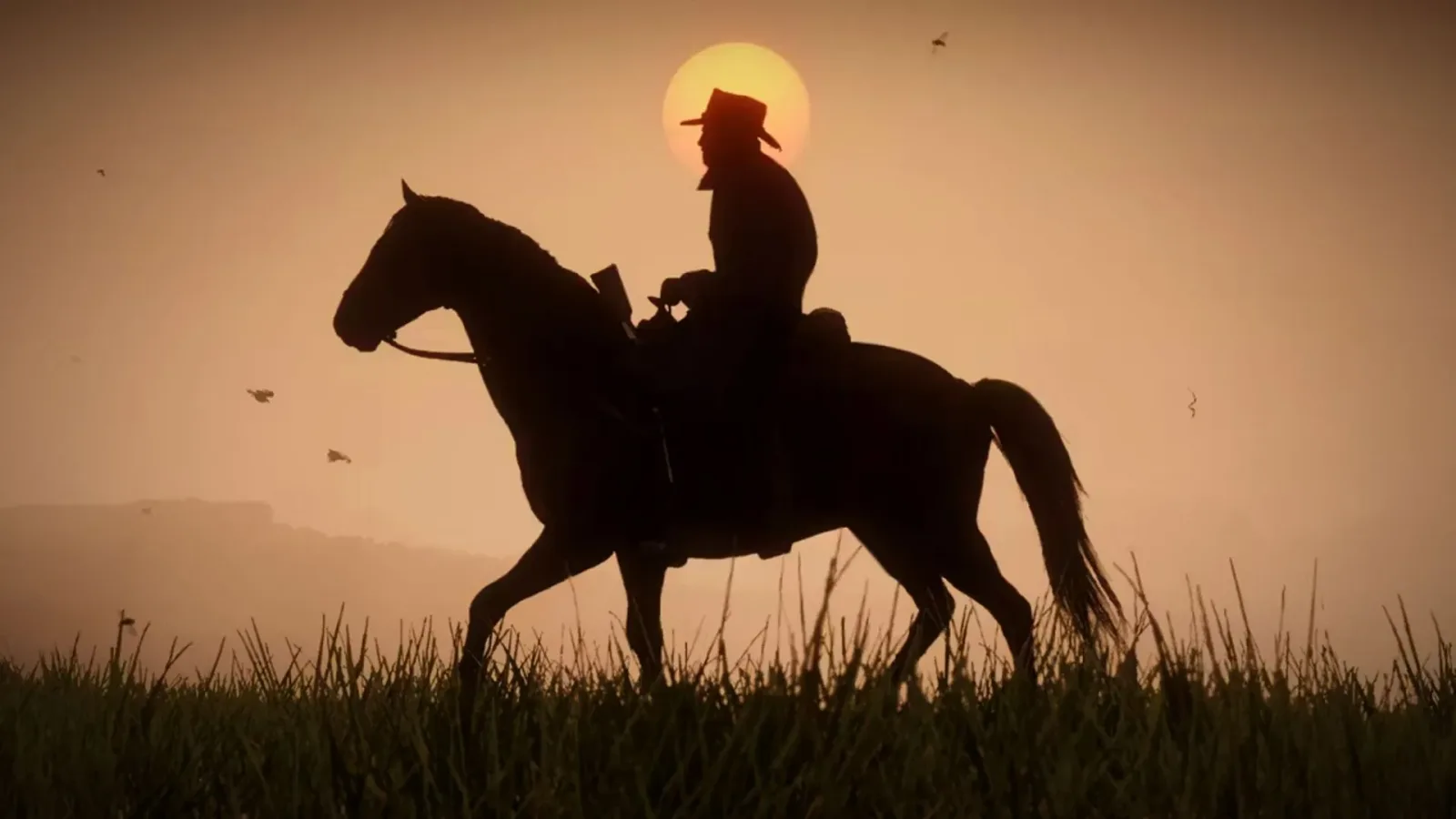
One of the clearest examples comes from Red Dead Redemption 2, a game whose commitment to environmental detail became the subject of countless player discoveries. Its famously elaborate horse anatomy, including testicles that react to temperature, was not reportedly a prominent item handed down from an art director as a mandatory feature. Instead, the detail emerged because someone had the initiative, interest, and time to make it happen.
It is an absurd example, but it captures a serious creative principle. The unusual details people remember most are not always the ones that can be plotted cleanly on a high-level feature list. They can come from artists, programmers, animators, designers, and technical specialists noticing an opportunity within their work and pursuing it. In a game as closely watched as GTA 6, that possibility may matter as much as any headline feature.
For useful background on this topic, read Hideo Kojima Returns to Night City in Cyberpunk: Edgerunners 2.
No Single Blueprint Can Contain a Game This Big
Major open-world games require coordination on an extraordinary level. There are creative leads, production teams, discipline directors, managers, technical specialists, and countless developers whose work has to fit into a shared experience. A project cannot function if every contributor simply follows their own impulses without review. Likewise, leadership cannot personally inspect and originate every small object, behavior, animation, system, visual detail, and optional encounter in a giant virtual city.
That is the practical reality behind Garbut's comment. Saying that nobody has the whole game in their head does not mean GTA 6 lacks direction or oversight. It means that oversight has to be distributed. Different people are accountable for different parts of the game, while broader creative and technical frameworks ensure those parts belong together.
For players, that distributed model can be a reason to expect the unexpected. A city, its surrounding spaces, vehicles, characters, interiors, wildlife, weather, ambient dialogue, animations, and simulation systems all provide opportunities for developers to leave a small mark. Not every contribution will become a viral discovery, and plenty of work will be invisible when it functions properly. But the accumulation of small, considered decisions is what makes a world feel like more than a checklist of missions and map icons.
GTA 6 has been described as a huge game in the same tradition as Rockstar's prior releases. That scale naturally makes it difficult for even the studio's most senior figures to know every single piece of content. Yet the studio's previous games suggest that a player's lasting impression may be shaped by precisely those peripheral details that were never meant to serve as the central selling point.
Why Red Dead Redemption 2's Horses Still Matter
The discussion around Red Dead Redemption 2 horse anatomy has endured because it represents the game's broader personality. It was not simply about anatomy for its own sake. It became a shorthand for Rockstar's willingness to devote effort to systems many players might never notice, let alone demand.
Details like that encourage a particular relationship between game and player. Once someone finds an unexpectedly specific reaction in the world, they begin looking more closely at everything else. They test weather, wildlife, NPC routines, animation transitions, objects in shops, campsite behaviors, and dozens of other details that might otherwise pass by unnoticed. The discovery becomes part of the experience because it changes how players view the entire simulation.
This is why seemingly frivolous work can have value. It contributes to confidence in the world. Players may not consciously see every layer of polish, but they can sense when a game feels observant, reactive, and authored beyond its critical path. A game does not need every object to be interactive or every system to be realistic. Rather, carefully chosen surprises can create the impression that the world has depth beyond what is immediately required.
The horse detail also highlights the human side of game development. A memorable feature can begin as an individual developer's curiosity. Someone sees an opportunity, determines that it suits the project, and has enough breathing room to experiment. When that work survives testing, review, and integration, it can become one of the strange little signatures that players associate with the entire production.
Autonomy Is Not the Same as Disorder
There is an important distinction between creative freedom and a lack of organization. Large games need structure, priorities, budgets, schedules, and clear ownership. Without them, the most impressive individual ideas may never come together into a playable, coherent release. But excessive rigidity can produce the opposite problem: teams may have no room to refine, experiment, or follow a promising idea that was not anticipated early in development.
The best version of a large production creates defined boundaries while allowing contributors agency inside them. An artist may understand a region's visual language. An animator may know which subtle movement would make an interaction feel believable. A systems designer may identify a small behavior that makes pedestrians, vehicles, animals, or law enforcement feel more responsive. Leadership provides the shared direction, but individual expertise supplies texture.
That texture is especially valuable in an open-world series such as Grand Theft Auto. Players do not approach these games only as linear campaigns. They wander, test limits, revisit locations, watch emergent events, and sometimes spend hours chasing distractions that have little to do with the main narrative. The genre rewards teams that think about what happens when players go off script.
There is no confirmation that GTA 6 will include a direct equivalent to Red Dead Redemption 2's notorious horse physics, nor does it need one. The point is not to predict a specific eccentric feature. It is that Rockstar's process appears capable of supporting the kind of unexpected craftsmanship that produces those details, provided creators have the time and opportunity to pursue them.
Time and Working Conditions Shape What Players Get
The question of time cannot be separated from this kind of polish. Extra details are difficult to create when a team is focused solely on getting essential systems finished before a deadline. Experimentation takes room in the schedule, and refinement requires people to have enough mental space to consider work beyond the minimum needed for completion.
That makes healthy development practices relevant to the final game, not merely an internal business concern. When teams are under extreme pressure, inventive but nonessential ideas are among the first things likely to disappear. Developers may be able to finish required tasks, but they have fewer opportunities to notice, build, test, and improve the odd touches that make a world memorable.
Red Dead Redemption 2's development was widely associated with crunch discussions, although some employees publicly disputed aspects of the crunch characterization in 2018. The history is a reminder that players should be cautious about treating elaborate detail as an uncomplicated measure of quality. A striking feature is more meaningful when it comes from sustainable creative conditions rather than from unsustainable demands on the people making it.
For GTA 6, Garbut's comments point toward a familiar Rockstar tension: managing an enormous, tightly coordinated production while retaining enough local freedom for contributors to surprise one another. The studio's most celebrated worlds have often felt dense because they contain evidence of many people caring deeply about many small things.
The Details Players Remember May Be the Ones Nobody Advertises
Big games are commonly discussed through their largest promises: the setting, the protagonists, the story, the map, the technology, and the systems that can be summarized in a trailer or a feature list. Those elements are important, but they are not always what players carry with them years later.
Sometimes it is an inconsequential animation, an odd bit of dialogue, a believable weather response, an unexpected animal behavior, or an environmental interaction that sticks. These are the details that invite people to share clips, trade discoveries, and revisit an older game with fresh eyes. They make a fictional place feel as though it continues to exist outside the player's immediate objective.
GTA 6's scale means its full collection of such details may not be understood until players have spent substantial time with it. If Rockstar's developers have been given room to contribute distinctive work within the game's larger plan, some of the most memorable additions may be impossible to predict in advance. And if history is any guide, at least a few of them may be gloriously unnecessary.

Community
Discussion
Start the conversation.
No comments have been posted yet.