

Escaping as a civilian in Halloween The Game is less about finding one universal exit and more about recognizing opportunities before Michael Myers closes in. Haddonfield offers several ways out, but each route asks for a different combination of items, map knowledge, timing, and nerve. A player who understands what a hatch, sedan, gate, or police vehicle needs can make a decisive call much faster than someone still searching every house without a plan.
There are four primary escape methods available across the game's maps: cellar hatches, the sedan, the powered gate, and police assistance. Not every option will be equally practical in every match. Some depend heavily on rare supplies, while others may be obstructed by environmental barriers. The police route also follows match progression rather than being immediately available. That variety means civilians should stay flexible, share discoveries with teammates where possible, and avoid committing every useful item to an exit that has become too dangerous to reach.
Of the standard routes, cellar hatches are generally the most approachable. The powered gate is another comparatively direct option once its necessary items are found. Repairing and fueling the sedan takes more preparation, but it can be a rewarding team objective. Police escapes are different again: one arrives later after enough successful calls, while another can happen earlier if players locate a particular key.
The four ways out of Haddonfield
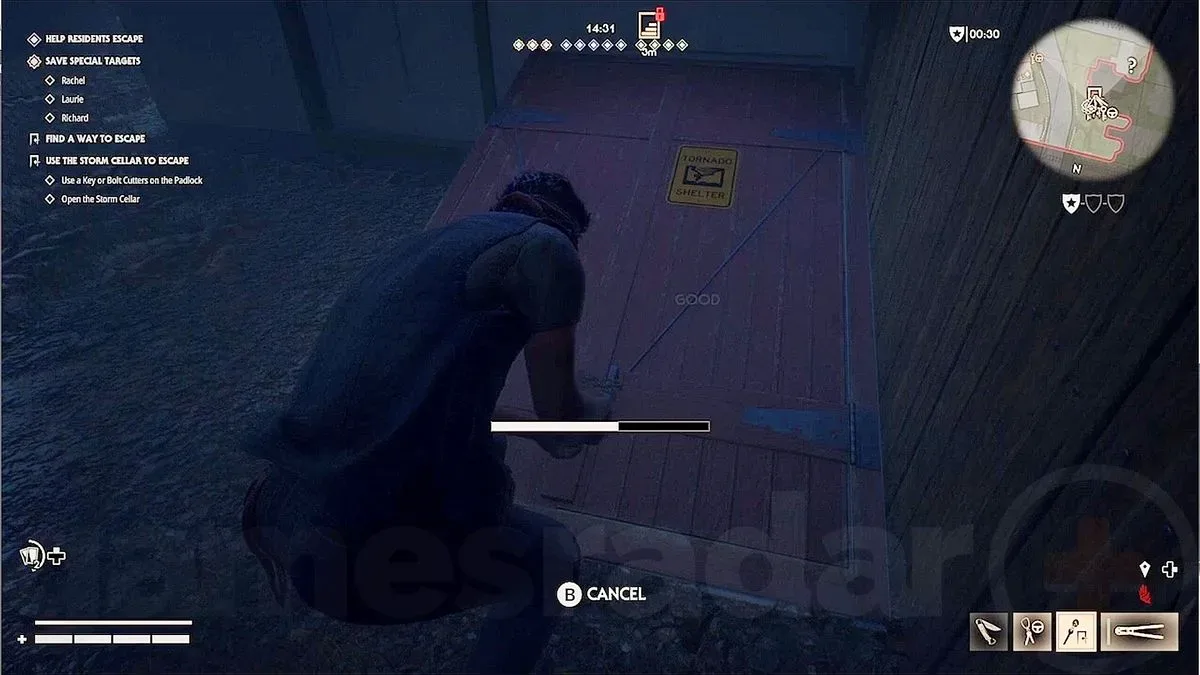
- Cellar hatch: Locate a hatch, clear any obstruction, then open its padlock with a key or boltcutters.
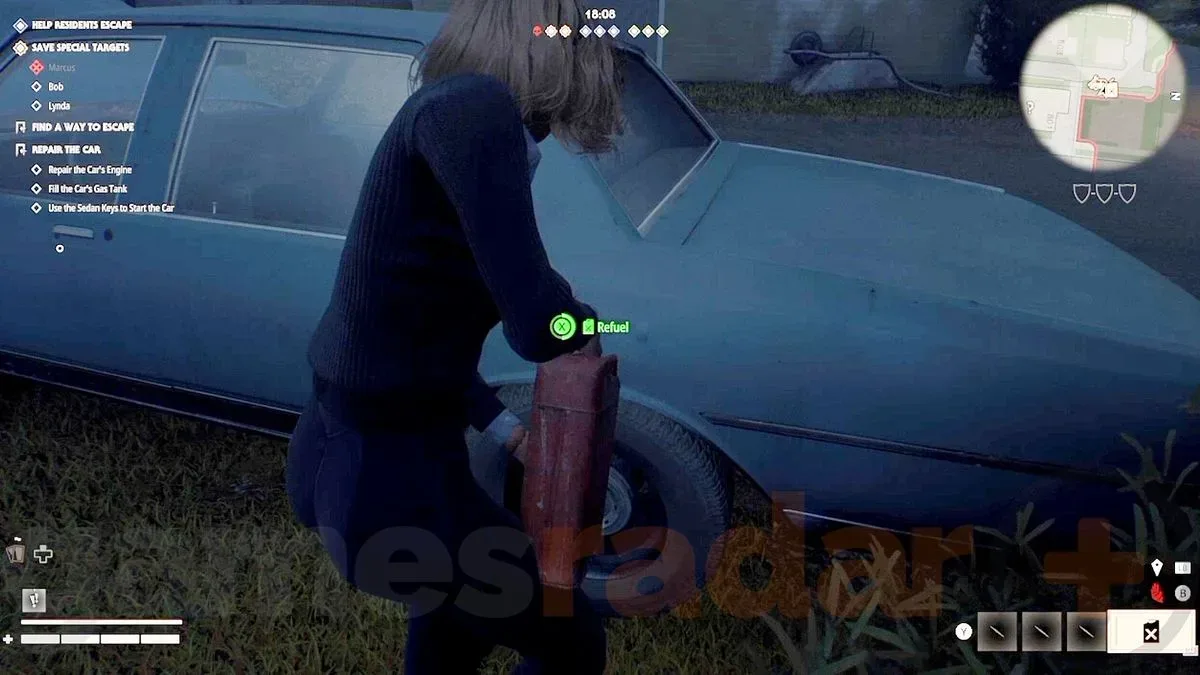
- Sedan: Find the car itself plus a sedan key, gas can, and repair kit.
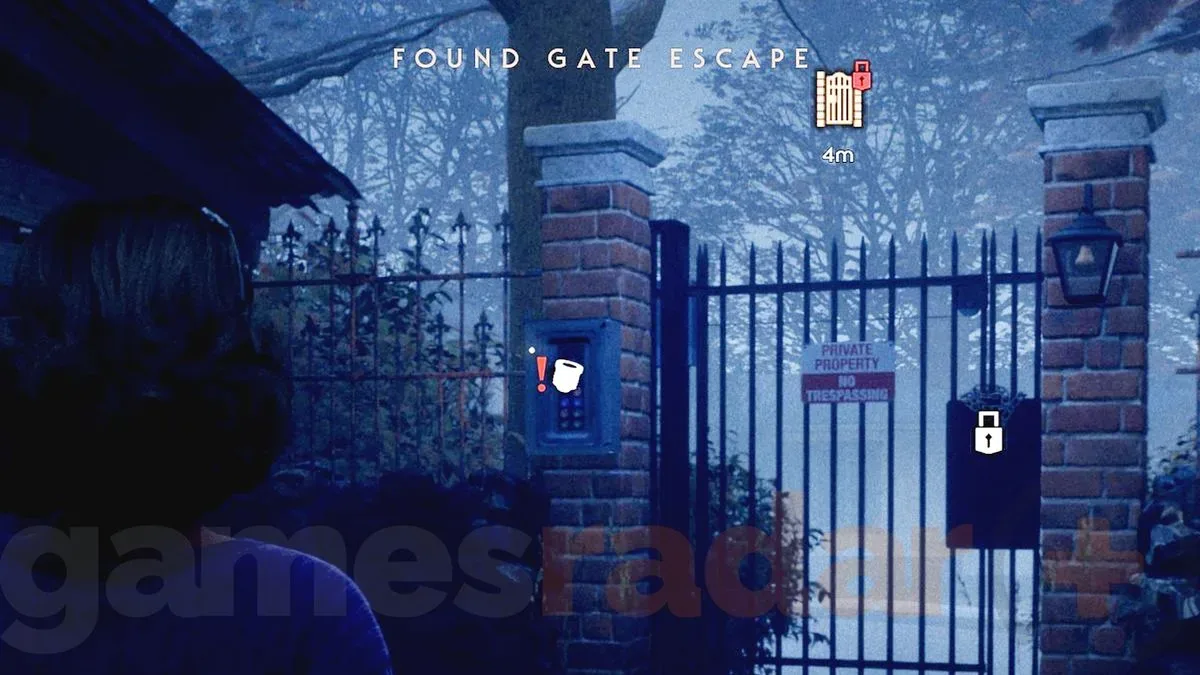
- Powered gate: Bring a fuse and either boltcutters or an exit key; some gates may also require a hatchet to remove boards.
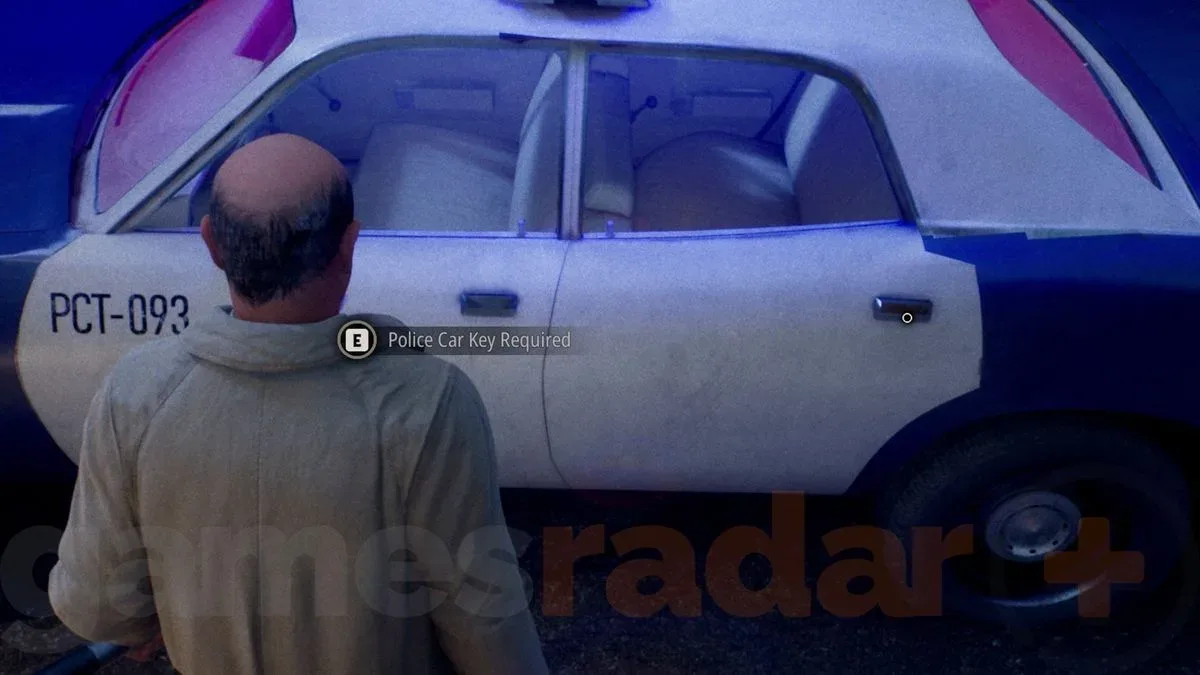
- Police escape: Raise the alert level through successful calls to bring in a police wagon, or use a police car with a police officer's car key.
The important detail is that an escape route is not truly useful just because it has been spotted. A sedan without its key, fuel, and repair kit is only a landmark. A hatch covered by leaves or sealed behind boards remains unfinished. Likewise, an exit can become a trap if Myers has seen civilians moving items toward it. The best escape plans account for both the objective requirements and the danger of completing them in public.
For useful background on this topic, read Razing Core Brings a New Vertical Shooter to Sega Master System and Mark III.
Cellar hatches are the most efficient escape choice
Cellar hatches are often the first route civilians should consider because they can demand the fewest components. Maps normally contain more than one hatch, giving players a better chance of finding an accessible option than they would have with a single fixed vehicle or gate. Every hatch is locked, but the extra obstacles attached to them can vary.
One hatch may simply be secured by its lock. Another may be concealed under leaves. A third may have wooden boards that need to be cut through before the lock can be addressed. Those differences matter enormously. A player who encounters a hatch with no obstruction beyond the padlock has found one of the cleanest possible exits in the game. There is no need to spend time hunting for extra clearing or cutting equipment; the immediate focus can stay on obtaining the means to open it safely.
The padlock has a valuable degree of flexibility: it can be opened with either a key or boltcutters. That makes hatches more forgiving than routes with several strictly defined items. If a civilian has located boltcutters but no key, the hatch remains viable. If a key appears first, that can work too. Since these tools can serve as the final piece of a rapid escape, it is sensible to remember the locations of hatches even before the required item is in hand.
How to approach hatch escapes
- Search for cellar hatches early and note whether they are clear, leaf-covered, or boarded up.
- Identify what prevents access: only a lock, leaves, or wooden boards.
- Keep an eye out for a key or boltcutters, as either can handle the padlock.
- If boards block the hatch, make sure the team has the means to cut through them before treating it as an immediate exit.
- Once the hatch is ready, avoid lingering. The route's strength is speed, so use that advantage.
Because there can be multiple hatch locations, they also give civilians options when a known route becomes compromised. If Myers has been drawn toward one building or part of town, another hatch may offer a safer pivot. That does not remove the risk of being tracked, but it makes map awareness particularly valuable.
The sedan demands four separate pieces
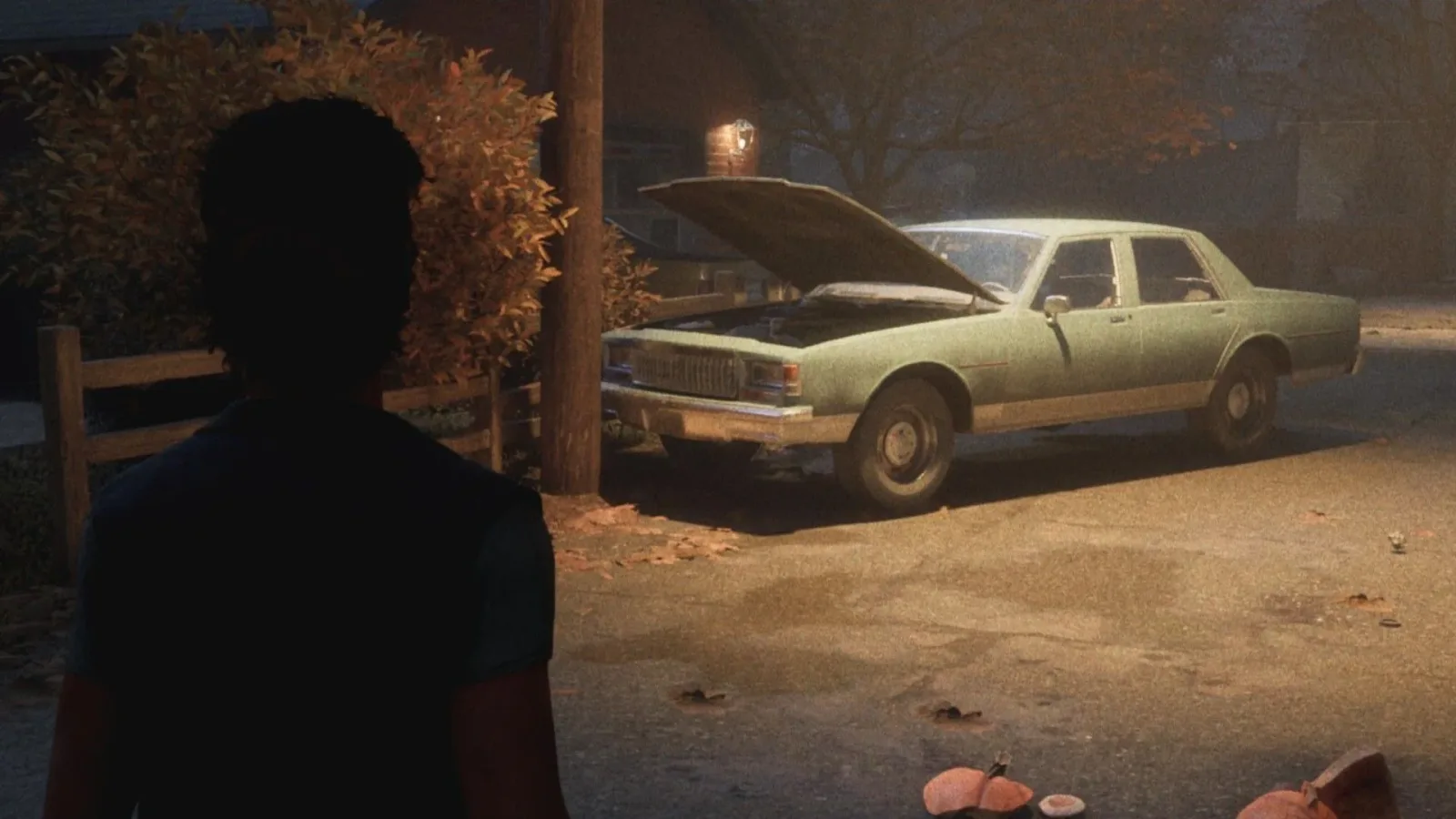
The sedan escape is a larger logistical project. To drive away in the car, civilians need the sedan key, a gas can, a repair kit, and the sedan's location. Missing any one of these stops the plan. Compared with a straightforward hatch lock, that is a substantial list, and it explains why the vehicle is most effective when players cooperate rather than all search independently without communicating.
Finding the sedan early is a major priority. The car itself is a fixed objective once discovered, and knowing where it is changes the value of every later find. A gas can is no longer just an item; it is something that needs to reach a particular place. The same is true for the repair kit and sedan key. Searching broadly at the start of a match therefore has a practical payoff: it prevents the group from finally assembling supplies only to lose time locating the vehicle.
There is also an obvious danger to hauling several necessary objects toward one destination. The sedan can become predictable. If Myers notices repeated civilian movement in its direction, continuing to force the vehicle escape may be reckless. Players should be prepared to abandon it temporarily or shift to a hatch or gate if the situation changes. The car is possible, especially for an organized group, but it is not automatically the best route just because one or two components have already been found.
The sedan is strongest when the car has been located early and the remaining three items can be gathered without drawing Myers directly to it.
Opening the powered gate
The powered gate sits on the outskirts of town and offers another route out, but it has its own equipment checklist. At minimum, civilians need a fuse plus either boltcutters or an exit key. The fuse supplies the power requirement, while the cutters or key address the gate's lock. In some cases, the gate may additionally be blocked by boards, creating a further requirement for a hatchet.
This exit can be deceptively demanding. A player may find the gate and have a way through the lock, only to be stalled by the missing fuse. Fuses had been notably difficult to find, although they appear to be more common now. Even with improved odds of finding one, a fuse is still a critical objective item rather than something to ignore. If a teammate finds one, the group should immediately consider whether the gate is reachable and whether anyone has the needed cutters or exit key.
The possibility of boards is why civilians should inspect the gate rather than assuming its basic requirements are all that matter. If a hatchet is needed, the escape has gone from a two-item solution to a multi-step task. That can still be manageable, but it may alter the decision entirely if a clear hatch is available elsewhere.
Police exits reward calls and awareness
Police-related escapes operate in two different ways. The most visible option involves building the alert level through successful calls to the police. Once the full three-star alert level has been reached, one additional call is needed to bring a police wagon onto the map. Civilians can then escape by entering the back of that van.
This method is simple once the wagon is present, but it cannot be rushed at the opening of a match. It is a later-game route tied to enough successful police contact. That makes it useful as an eventual safety valve when other objectives have gone poorly, but players should not treat it as an instant alternative to a hatch or gate. Reaching the three-star threshold and making the final call are essential parts of the process.
The second police option can happen earlier, though its requirement is more unsettling. Police cars may appear during a match, and a civilian can escape in one with a police officer's car key. That key is found on the body of a dead police officer. Locating the key, locating a police car, and getting there alive are all necessary, so this is less reliably planned than calling in the wagon. Still, players who encounter the key should understand its significance immediately rather than leaving behind a potential exit tool.
Choose the escape that fits the match
No civilian escape is guaranteed, and no single route deserves blind commitment. A nearly unlocked hatch can be better than a sedan missing two parts. A gate may become the best answer when a fuse and boltcutters are already secured. A police wagon can offer a clear late-game destination after alert progress has been built. The decisive skill is evaluating what is already known: which exits have been found, which obstacles remain, which items are available, and where Myers is applying pressure.
Character choice can also influence the broader survival effort, so civilians may want to consider which playable characters best suit their approach before the match begins. But regardless of character, the core rule remains the same: search widely early, remember objective locations, and be ready to change plans. In Haddonfield, survival belongs to the civilians who recognize an exit before it becomes their last chance.

Community
Discussion
Start the conversation.
No comments have been posted yet.