

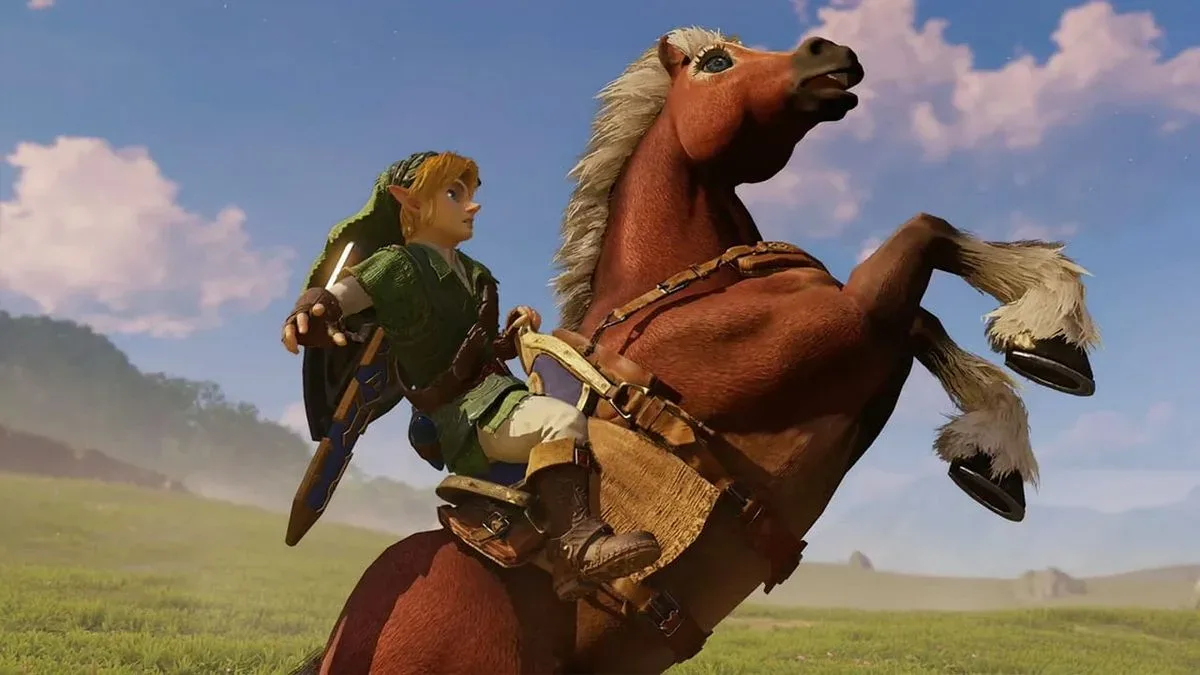
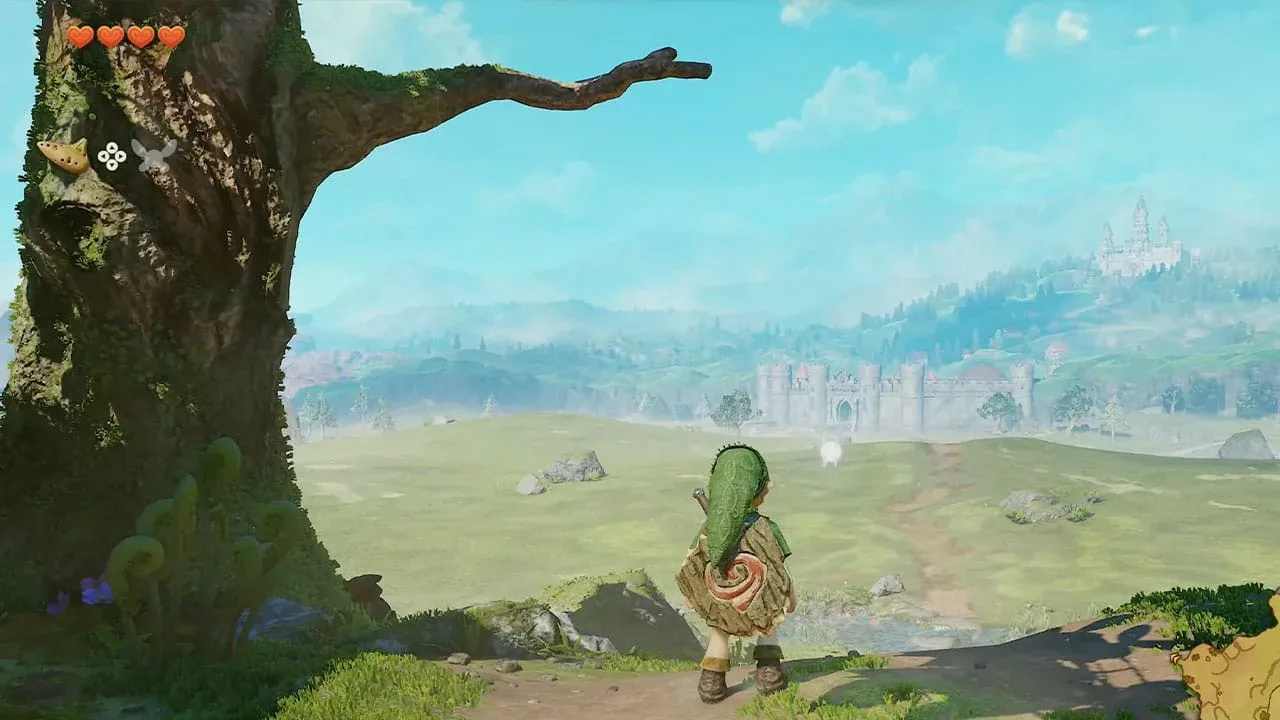
The Legend of Zelda: Ocarina of Time Remake is set to arrive on November 5, 2026, giving one of Nintendo's most influential adventures a thoroughly modern presentation while retaining the core story that defined the Nintendo 64 original. The game was shown in detail during a recent Nintendo Direct presentation led by Zelda series producer Eiji Aonuma, offering an extended look at its rebuilt version of Link, Kokiri Forest, Hyrule Field, Hyrule Castle Town, enemies and several of its newly introduced systems.
Rather than treating the project as a straightforward visual remaster, Nintendo appears to be revisiting how players move through Hyrule and how the game communicates its story. The reveal showcased substantially upgraded environments and character models, expanded voice work in cutscenes, a free-camera option, revised traversal abilities, and an in-game progression feature named Threads of Time.
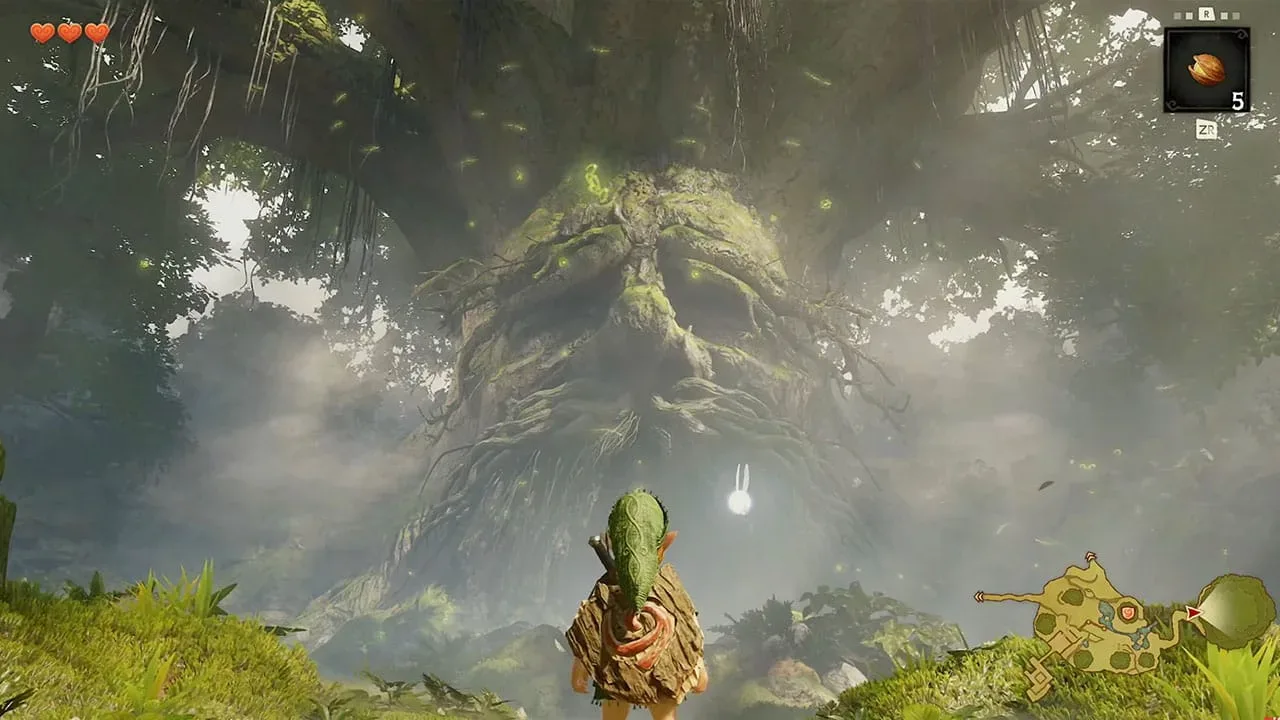
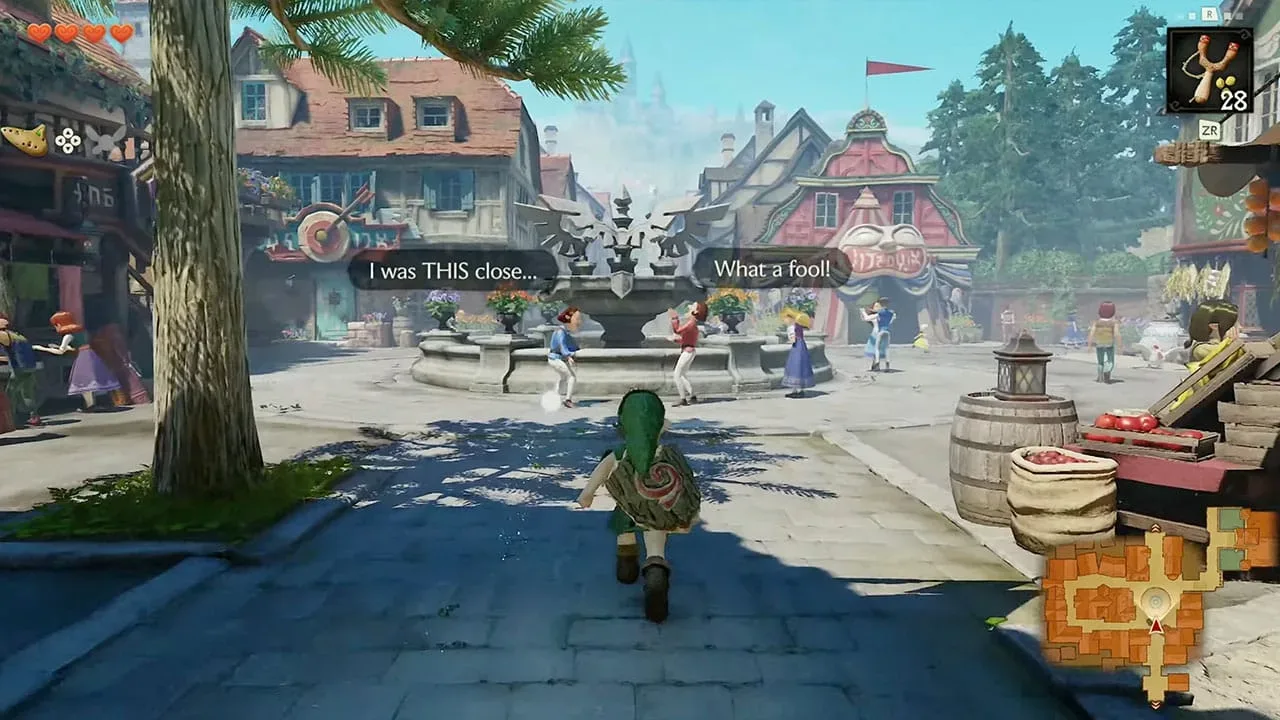
For longtime players, the immediate attraction is the chance to revisit familiar places with far more environmental detail than the Nintendo 64 hardware could provide. The updated footage highlights texture work on Link's tunic, more elaborate scenery throughout Kokiri Forest, and a reimagined Hyrule Castle Town that looks designed to reward more careful exploration than before. At the same time, Nintendo has emphasized that the main story remains intact, suggesting this is intended to preserve Ocarina of Time's identity rather than replace it with an entirely new interpretation.
A rebuilt Hyrule with a familiar foundation
Ocarina of Time originally established much of the 3D action-adventure language that later Zelda games built upon. Lock-on combat, context-sensitive actions, dungeon exploration across two eras, and the transition between child and adult versions of Link have remained defining ideas for the series. A remake therefore faces a delicate balance: it needs to make a late-1990s game feel smooth and approachable in 2026 without erasing the structure that made it beloved in the first place.
For useful background on this topic, read Nintendo Direct Set for September 9 With 45 Minutes of Switch 2 News.
The presentation indicates Nintendo is addressing that challenge through visual richness and targeted quality-of-life updates. Kokiri Forest has been reconstructed with a more detailed, natural look, while Hyrule Castle Town has received enough attention that it could become a more substantial destination in its own right. Nintendo says there will be additional things to discover in both the town square and its backstreets, encouraging players to slow down and inspect locations that could previously be passed through quickly on the way to the next major objective.
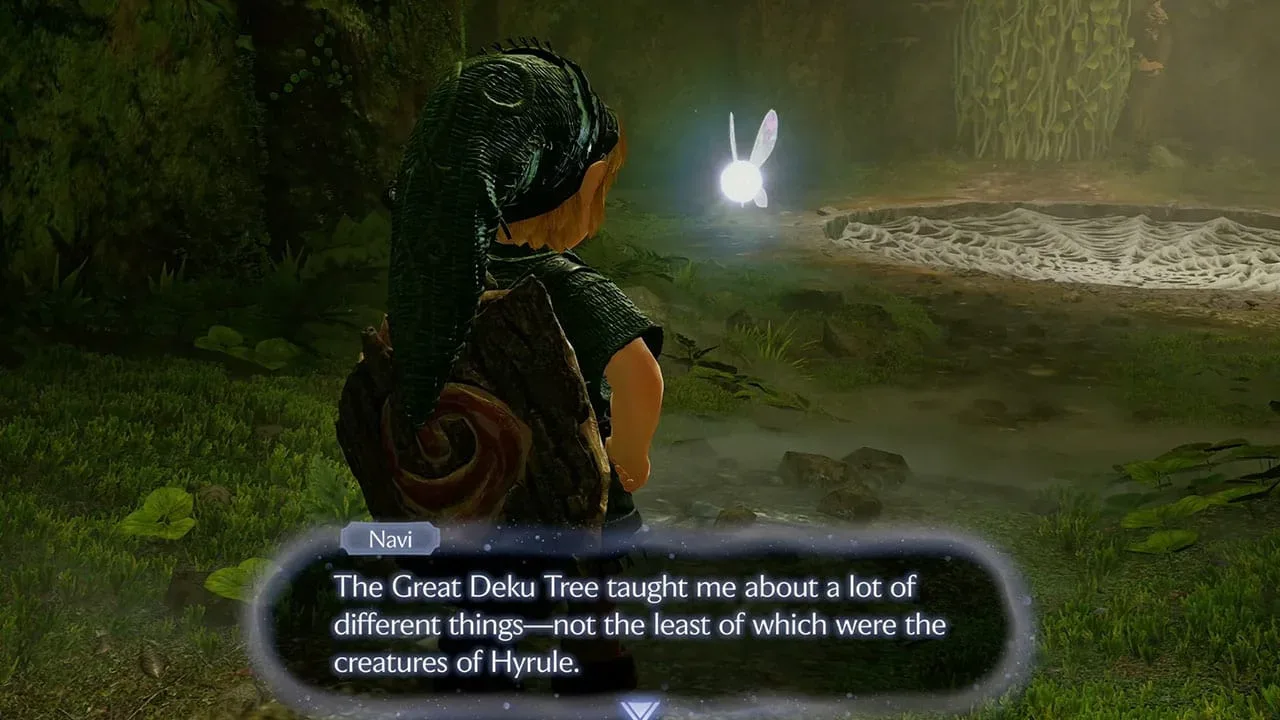
The character work is similarly more expressive. Link's redesigned appearance was featured prominently, including clearly visible fabric detail in his green tunic. That kind of visual fidelity may sound minor, but it points to the overall aim of the project: making this older vision of Hyrule feel tangible without losing its fairy-tale tone.
Movement and camera changes could reshape exploration
Some of the most meaningful adjustments are mechanical. Link can now roll and dash across Hyrule Field to move more quickly, addressing the long stretches of travel that were a memorable part of the original but may feel slow to audiences accustomed to newer open-world Zelda games. He can also jump with a button press rather than only leaping automatically at ledges and designated edges.
That addition alone has major implications for how the remake may feel in players' hands. Ocarina of Time's original movement was intentionally contextual, with Link's actions changing based on where he stood and what he faced. Giving players direct control over jumping brings the remake closer to modern expectations, though Nintendo has not outlined whether it will create new routes, platforming opportunities, or sequence-breaking possibilities.
A free-camera option is another notable update. The original game's camera was revolutionary in its era, particularly because its Z-targeting system solved many early problems with navigating and fighting in 3D. However, its fixed and semi-fixed views can feel restrictive today. A freer viewpoint should make it easier to appreciate the rebuilt streets of Castle Town and the wider scenery of Hyrule, as well as giving players greater control during ordinary exploration.
Nintendo is also reducing interruption when moving between smaller spaces. Shops, houses, and the backstreets of Hyrule Castle Town were shown loading without the delays associated with the original game. Larger locations will still retain some loading screens, however. Aonuma indicated that this was a conscious decision tied in part to maintaining a nostalgic sense of transition when entering more significant areas.
Voice acting brings a new dimension to the story
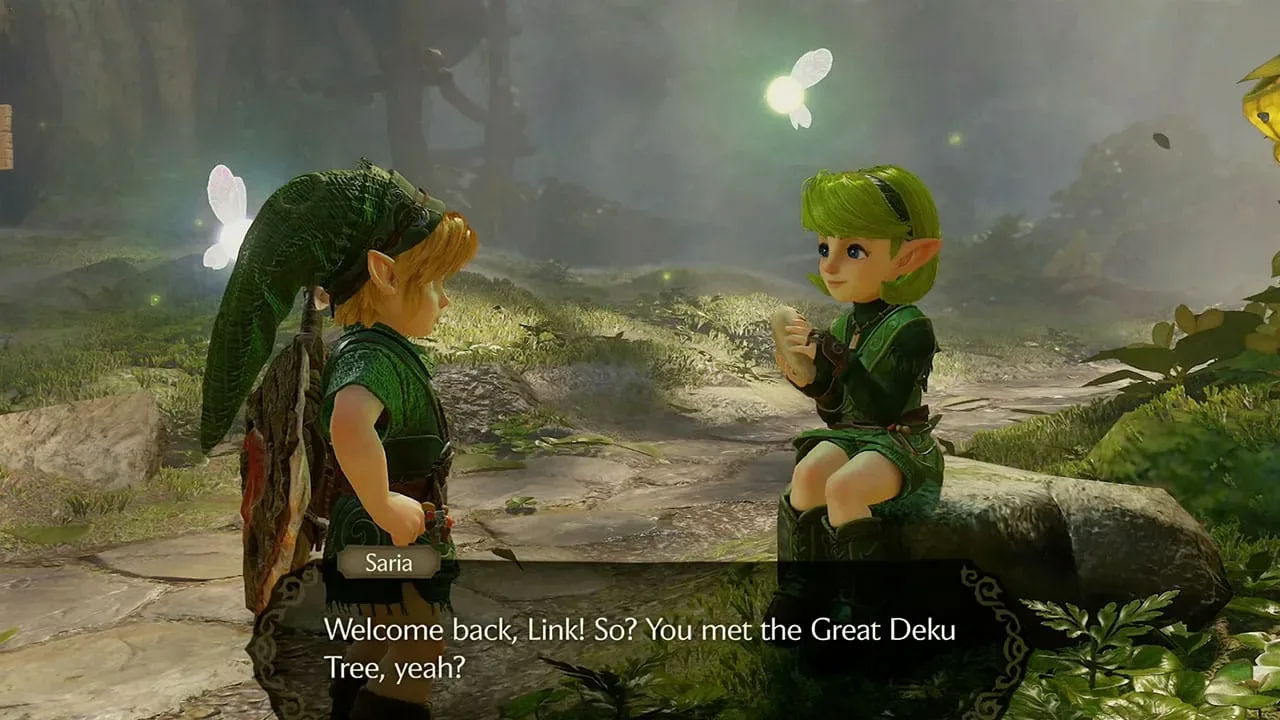
Perhaps the remake's most immediately divisive change will be its use of voice acting in all cutscenes. The Nintendo 64 version relied on text, character gestures, music, sound effects, and expressive but nonverbal vocalizations. In the remake, key characters speak aloud, including Saria, Ganondorf and Impa. Saria is shown with an American voice performance, while Navi has additional dialogue presented through her familiar speech bubbles.
For a game as closely associated with silent reading and evocative musical cues as Ocarina of Time, spoken scenes will undoubtedly alter the mood of pivotal moments. It could make character relationships easier for newcomers to follow and allow dramatic scenes to play with more momentum. Conversely, longtime fans may need time to adjust to hearing voices they have imagined differently for decades.
The footage suggests the purpose is not simply to add dialogue for its own sake. Voice performances appear intended to support a smoother narrative flow, especially in scenes involving Ganondorf and Impa, whose roles carry much of the game's early political tension and wider mythology. Whether every performance lands with players will only become clear after release, but Nintendo is making a bold choice for a remake of such a revered title.
Dungeons retain their role, with new surprises planned
Nintendo's presentation also teased changes within the game's dungeons. Specific redesigns and puzzle alterations have not been fully detailed, but the footage points to fresh features for players to encounter while progressing through the familiar adventure. That is an important distinction: the game's overall narrative is said to remain the same, yet returning fans should not expect a purely beat-for-beat tour through every room exactly as they remember it.
Classic threats including Queen Gohma and King Dodongo were shown in the reveal material, demonstrating that the remake is preserving major boss encounters while presenting them at a much higher visual standard. The original bosses were memorable partly because of their scale and the way they used their arenas; modern technology gives Nintendo an opportunity to make those confrontations more imposing without necessarily changing what makes them recognizable.
Any dungeon revisions will be watched closely. Ocarina of Time's temples are central to its reputation, and players may welcome new mechanics and surprises so long as they complement the original progression instead of turning classic puzzles into unfamiliar detours. Nintendo has left plenty of room to reveal more before launch.
Threads of Time offers guidance and a record of the journey
The largest entirely new system shown is called Threads of Time. As players advance, they fill out a tapestry with images tied to their journey. It functions as a visual chronicle of progress, but it also has a practical role: helping players who are less familiar with Ocarina of Time understand where they should go next.
This approach fits a remake aimed at multiple generations. Veteran players may use the tapestry as a collectible record of major accomplishments, while newcomers can rely on it when the game's older style of quest direction becomes unclear. Many modern games offer objective markers, logs and recaps; Threads of Time appears to deliver comparable assistance in a way that suits Zelda's fantasy aesthetic.
It is also a potentially thoughtful response to the original game's design. Ocarina of Time often trusts players to remember conversations, recognize changes in the world, and connect clues across long stretches of exploration. That can be rewarding, but it can also leave first-time players uncertain. A progression tool that clarifies the next step without overwhelming the player with interface elements could be a useful compromise.
Switch 2 features include humming familiar songs
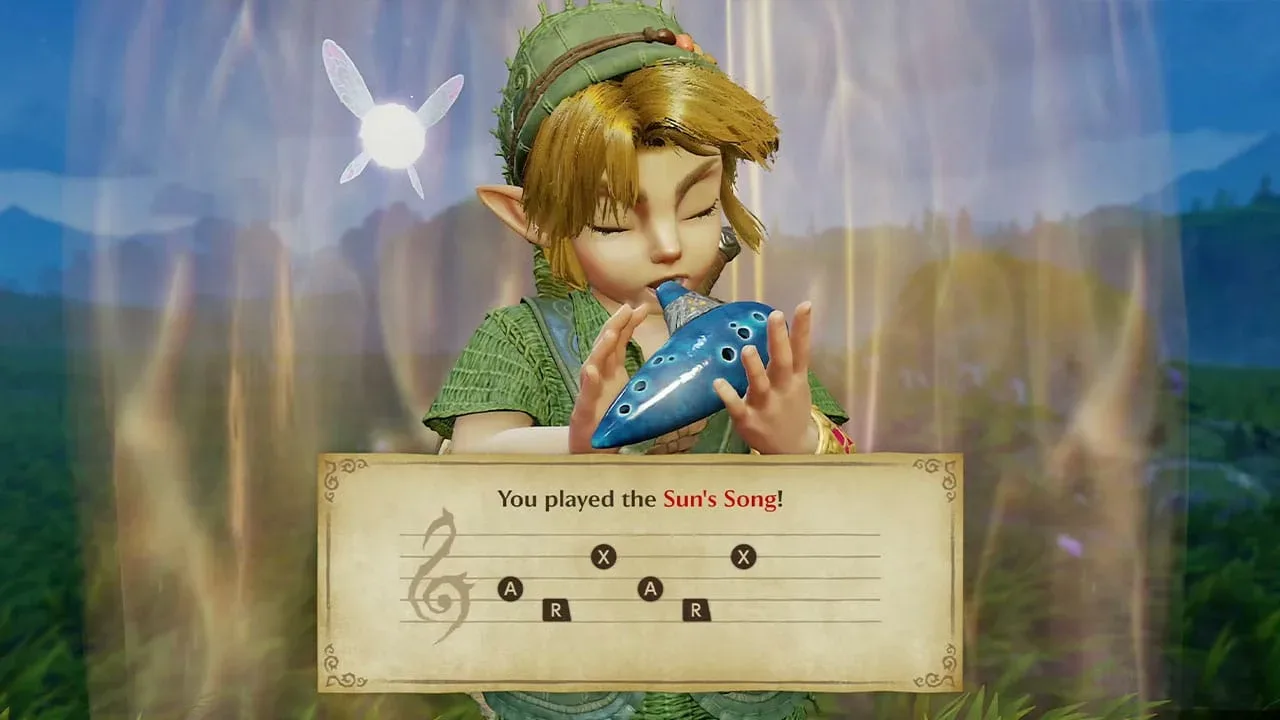
Nintendo Switch 2 users will have an unusual extra way to interact with the adventure: players can hum Ocarina melodies into their controller. Since the songs are among the most enduring elements of the game--from Epona's Song to the melodies used to change time and traverse Hyrule--the feature is an appropriately playful nod to its musical legacy.
The remake also appears to have an Ocarina peripheral, though the presentation leaves questions about its wider role and availability. No price information has been confirmed. Pre-orders were said to be opening through the Nintendo Store, although store information was not consistently visible at the time of the announcement.
With its November 5, 2026 release date, The Legend of Zelda: Ocarina of Time remake is positioned as both a homecoming for one of gaming's most celebrated adventures and a new entry point for players whose Zelda experience began much later. The essential journey through Hyrule, time and the Sacred Realm remains in place. What has changed is the way Nintendo wants players to see, hear and navigate that journey all over again.
Community
Discussion
Start the conversation.
No comments have been posted yet.