

Warning: major spoilers for Clive Barker's Hellraiser: Revival follow.
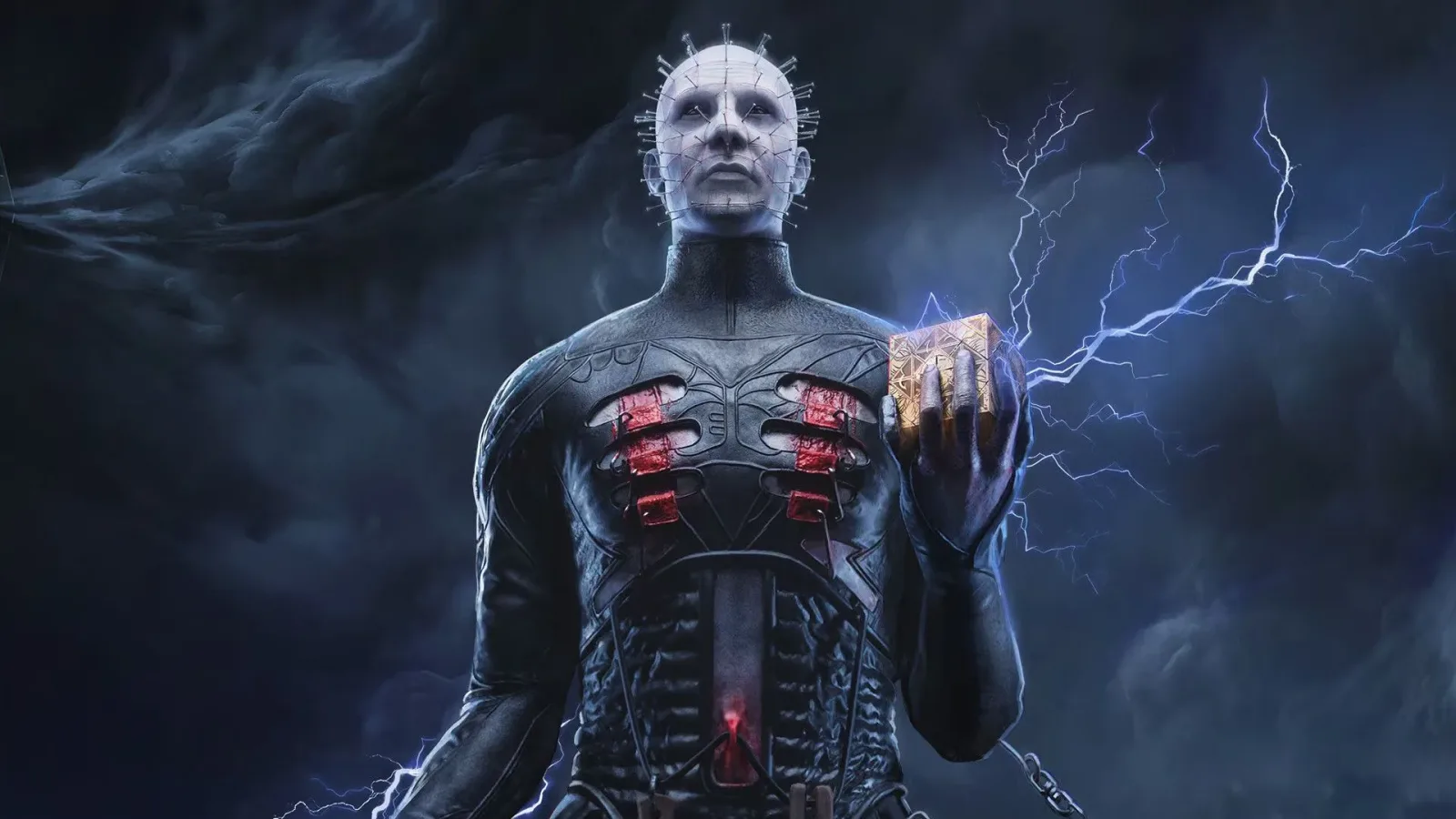
Hellraiser: Revival has no shortage of hooks, chains, flesh-warping transformations and Leviathan-fueled nightmares, but its connections to the wider Hellraiser mythos go much further than familiar Cenobite imagery. The game appears packed with references spanning the original films, later sequels, Epic Comics lore, iconic horror from the 1980s, heavy metal history, and even a few nods that stretch into other major game and film franchises.
Some of these details are overt, such as names lifted directly from Hellraiser lore or achievement titles built around recognizable quotations. Others are easier to miss in the middle of the game's violence and oppressive environments. A handful are best treated as possibilities rather than confirmed intentional references, but the accumulation of them makes Revival feel designed as a broad celebration of horror culture as well as a new descent into Hell.
1. A chained mattress opens the door to Hell
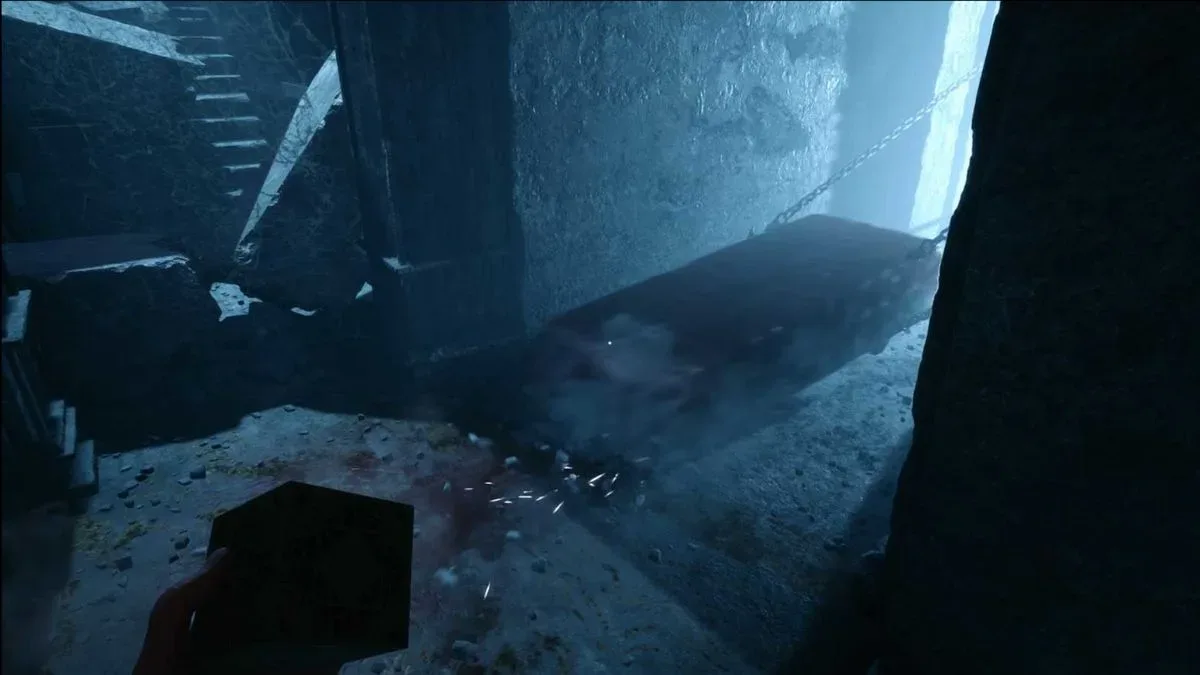
One of Revival's earliest visual shocks may also be one of its clearest film callbacks. When Aiden enters Hell for the first time, a mattress suddenly appears in front of him before chains drag it away. It is a brief moment, yet mattresses have an unusually important place in Hellraiser history.
For useful background on this topic, read STONEFEATHER Demo Takes Flight on Steam With Combat-Free Exploration.
The first two movies tie beds and mattresses to death, resurrection and crossings between worlds. Most notably, Hellraiser 2 uses a mattress in Julia's resurrection sequence. Revival later echoes that imagery through Sunny, giving the early encounter even more weight. There is no clear indication that this is meant to be Julia's specific mattress, but the sudden, context-free use of a chained bed strongly evokes the franchise's grotesque domestic imagery.
2. The Doctor's wire-ravaged face
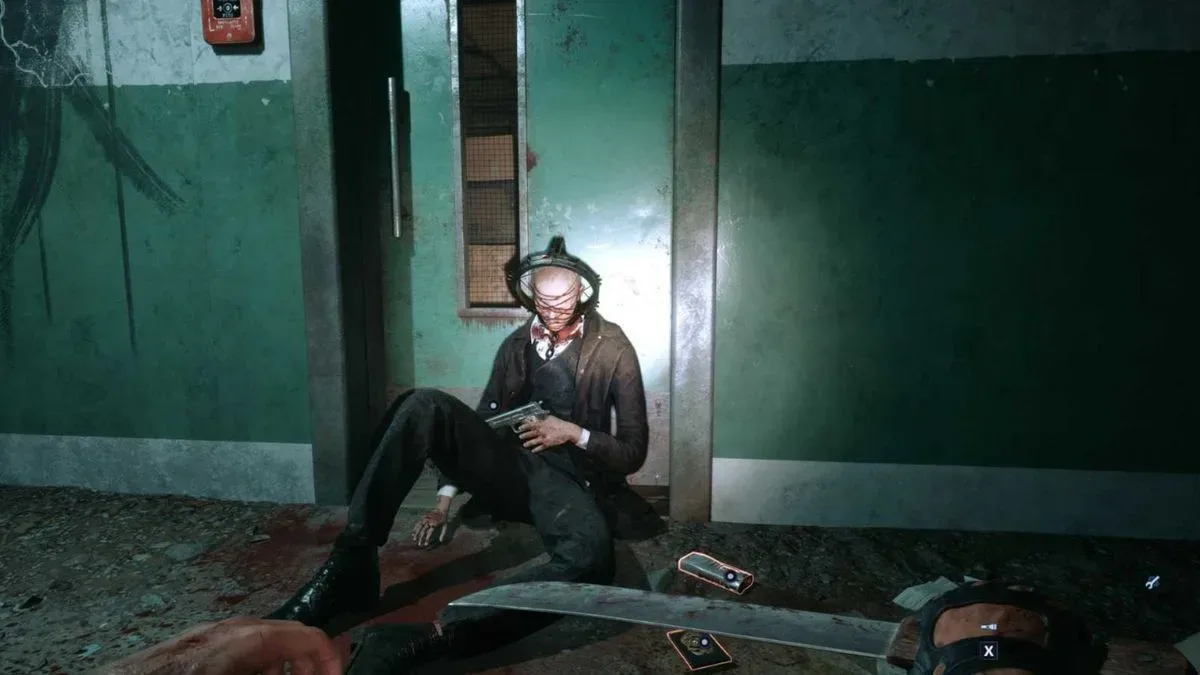
Near the area where Aiden acquires a firearm for the first time, players can find a dead detective in a hallway. A device fixed to the victim's head drives wires into the face, creating an image that closely resembles Dr. Philip Channard's horrifying transformation in Hellraiser 2.
Before Channard becomes the Cenobite known as the Doctor, the film lingers on wires carving into his skin. The visual remains one of the sequel's most memorable practical-effects moments. Similar character models are used elsewhere in Revival, so the dead detective is not necessarily a unique character-specific recreation. Still, the arrangement of the apparatus and its facial damage make the homage difficult to overlook.
3. The shopkeeper's Eremite connection
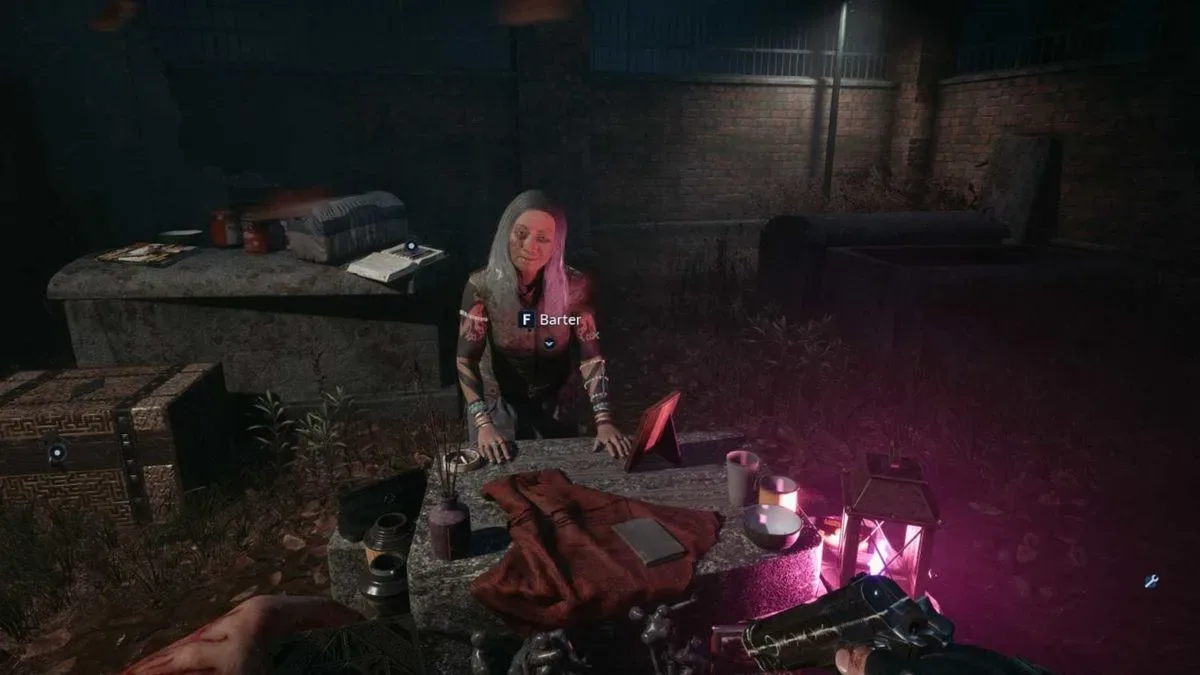
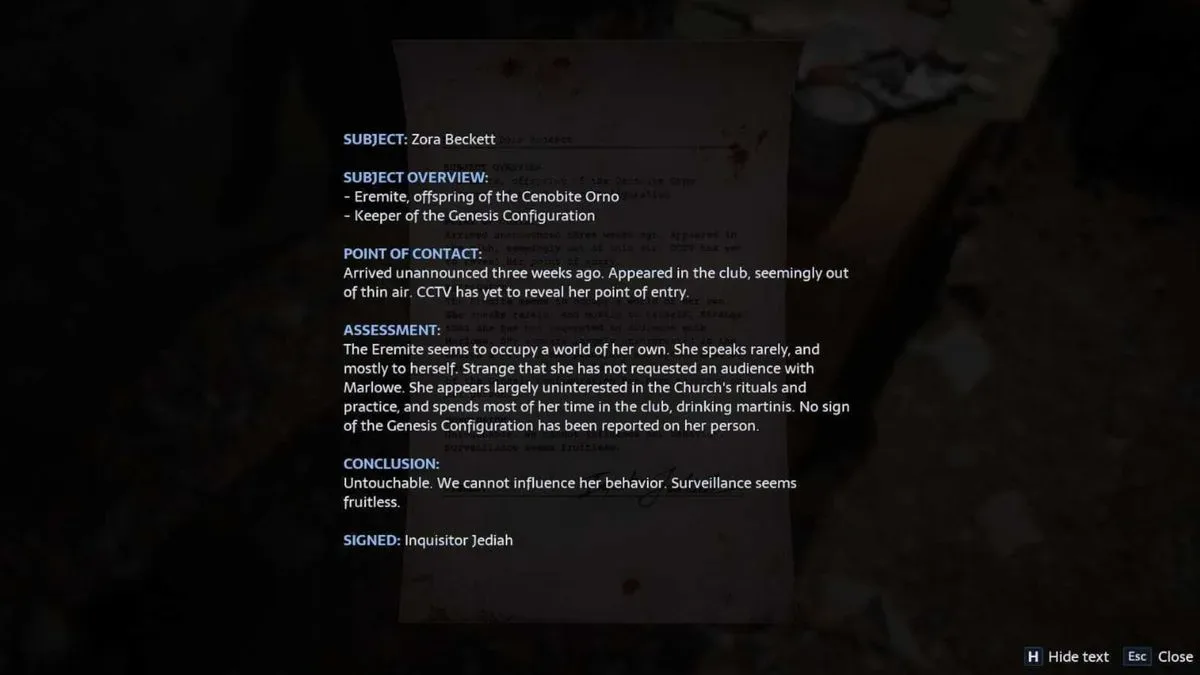
A document encountered during the shopkeeper's second appearance identifies her as an Eremite. That is an especially rewarding detail for fans who know the Hellraiser comics, because the term is not a major part of the films' vocabulary.
Eremites are connected to the puzzle boxes that lure mortals toward Leviathan's realm. They are half-human, half-Cenobite entities that can initially pass as human but possess much more monstrous true forms. The first film features an unnamed figure fitting that general role: the homeless man who transforms into a skeletal, winged creature while reclaiming the Lament Configuration.
The shopkeeper does not behave exactly like a conventional agent of Leviathan. Her motivations seem more individual, and she enjoys destabilizing Aiden's thoughts about Sunny and his own desires. Yet that manipulation, paired with the Eremite label, makes her a meaningful bridge between Revival and the comic-book expansion of Hellraiser mythology.
4. Orno brings deep-cut comic lore into the game
The same material that reveals the shopkeeper's identity also mentions Orno, a name that should stand out to dedicated readers of the Epic Comics era. Orno is associated with the creation of Hell's puzzles and with the origins of Eremites.
The character's mythology is deliberately unsettling. Orno uses tortured human "Raw Material" in the construction of puzzle boxes and spreads his essence through a process intended to create new Eremites among humanity. Those beings may grow up unaware of their nature until a puzzle box activates their buried connection to Hell.
Orno never became a major movie figure, making the name-drop much more than a casual Pinhead reference. It signals that Revival is willing to pull from stranger and more elaborate corners of the franchise's continuity.
5. A grave for the Prince of Darkness
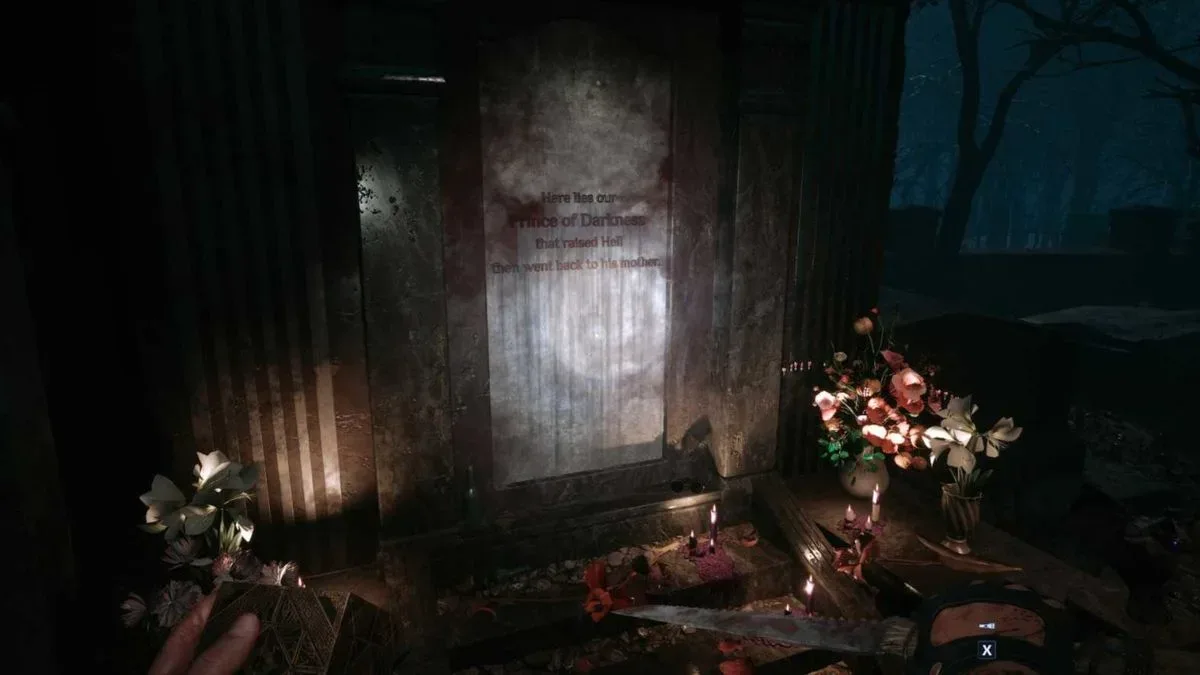
In the graveyard area following the club escape, players can find a tribute to Ozzy Osbourne. The gravestone describes a "prince of darkness" who raised Hell before returning to his mother. Ozzy's unmistakable glasses appear beneath it, while bat statues and purple candles reinforce the intended identity and invoke Black Sabbath's visual legacy.
The memorial carries added poignancy following Osbourne's death in 2025. It also fits Hellraiser more directly than it may first seem. Osbourne, Zakk Wylde and Motörhead's Lemmy Kilmister wrote the song "Hellraiser" in the 1990s, linking the metal legend to the series by more than just shared dark aesthetics.
6. Lemmy's hat sits nearby
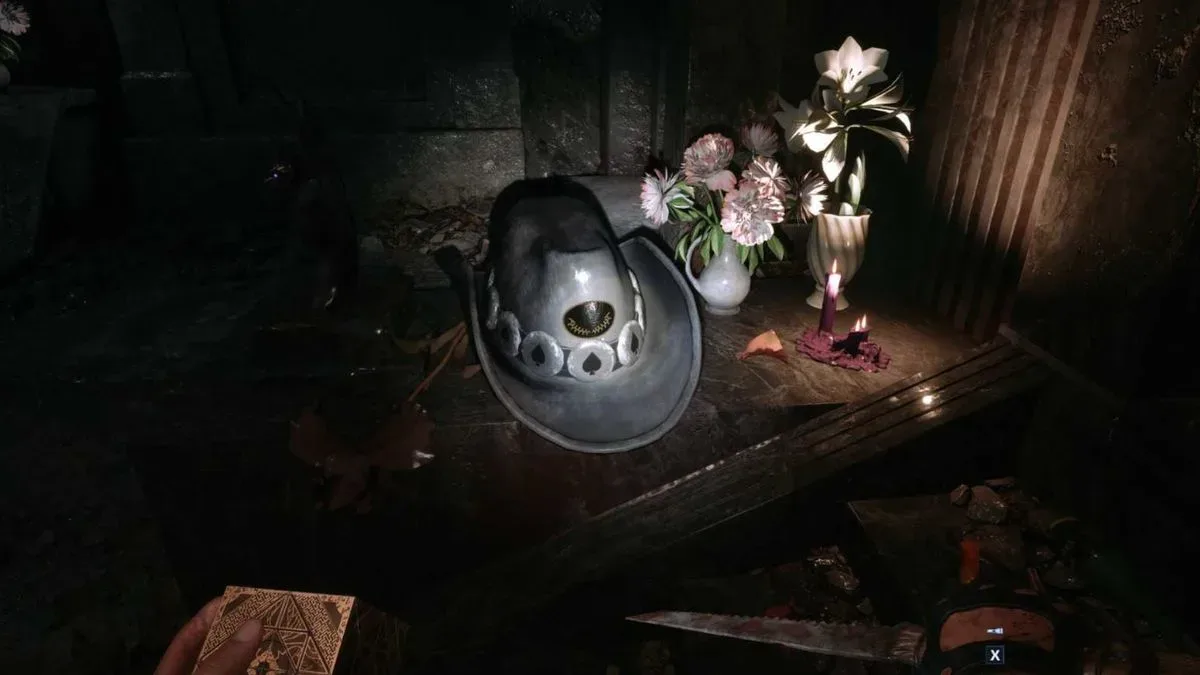
The Ozzy tribute is accompanied by another piece of rock-and-roll history: a version of Lemmy Kilmister's iconic cowboy hat. Its placement near Osbourne's grave is fitting given their shared connection to "Hellraiser."
Motörhead recorded its own version of the track for Hellraiser 3: Hell on Earth. Lemmy also appeared in the song's music video, playing poker with Pinhead in a video directed by Clive Barker. That makes the hat a compact but layered tribute, honoring both Motörhead and one of the franchise's stranger musical crossovers.
7. Damballa may be a Chucky shout-out
After gaining the Hell chain ability and returning to the club, players can spot a magazine called Damballa on a chair. Some readable props in Revival appear to use generic artwork or stock-style designs, so caution is sensible. But "Damballa" is a very specific word in horror history.
In Child's Play, Damballa is the voodoo spirit whose power allows Charles Lee Ray to transfer his soul into the Chucky doll. The name has no established direct link to Hellraiser, which is why it reads as a possible broader horror homage rather than a piece of franchise lore. Revival's 1980s horror atmosphere supports that interpretation, particularly because Hellraiser 2 and Child's Play both arrived in 1988.
8. "Hell on Earth" returns as a cult document
A cultist note titled "Hell on Earth" delivers one of the game's simplest but most effective sequel references. Its contents concern the cult's ambition to bring the Cenobites into the human world, even as its author expresses a preference for descending into Hell and bathing in Leviathan's shadow.
The title is, of course, shared with Hellraiser 3: Hell on Earth. There is no elaborate lore puzzle required for this one: it is a straightforward wink to the third film's name while reinforcing the cult's apocalyptic goals.
9. A suspicious yellow balloon in the swamp
On the route toward the cabin after the graveyard, a yellow balloon can be seen in the swamp. By itself, a balloon is not proof of anything. But it stands out as an odd decorative choice in such a hostile location, and it may be a tribute to Stephen King's It.
Many modern viewers immediately associate Pennywise with red balloons, but the 1990 miniseries included Tim Curry's Pennywise offering Georgie a yellow balloon. There are no definitive additional markers tying the sequence to It, so this remains a speculative Easter egg. Still, the game's possible Chucky nod and interest in 1980s horror make the theory plausible enough to keep in mind.
10. Steam achievements quote horror, games and fantasy
Revival's Steam achievement list functions almost like another reference guide. Many names borrow from Hellraiser dialogue, other horror films, famous games and pop-culture staples. A few examples show just how wide the game's net is cast:
- "Only Nightmares Last Forever" recalls dialogue from Hellraiser: Deader.
- "A Waste of Good Suffering" draws from the first Hellraiser.
- "Burn, Oh Such a Limited Imagination" points to Hellraiser 3.
- "What Are You Selling?" and "What Are You Buying?" evoke the Merchant from Resident Evil 4.
- "What's in the Box?" references the famous line from Se7en.
- "No Life in the Void, Only Death" echoes Sauron in The Lord of the Rings: The Fellowship of the Ring.
- "Unlimited Power" invokes Emperor Palpatine's line from Star Wars: Episode III - Revenge of the Sith.
For players who enjoy trophy and achievement hunting, the names add a playful layer to an otherwise punishing horror experience.
11. Blade tentacles revisit Channard's Cenobite form
Hell's labyrinthine spaces naturally echo the visual language of the entire Hellraiser series, but one environmental threat is especially specific. Certain hallways are filled with tentacles that extend surgical blades. Those appendages closely resemble the weapons wielded by the Doctor after Channard's Cenobite transformation in Hellraiser 2.
Most Hellraiser iconography favors hooks and chains, so the blade tentacles are a distinctive choice. Their appearance suggests that the Doctor's influence--or at least the design associated with him--still has a place in Hell long after his on-screen fate.
12. Marlowe's mansion features a Red Dragon image
A painting in Marlowe's mansion appears to reinterpret William Blake's The Great Red Dragon. The artwork has particular resonance for horror fans because Thomas Harris's 1981 novel Red Dragon repeatedly invokes Blake's painting. Its murderer, Francis Dolarhyde, believes each killing brings him closer to becoming the Red Dragon.
The image fits Marlowe's outlook as well. His pursuit of mutilation, sacrifice and eventual transcendence among the Cenobites shares thematic ground with Dolarhyde's desire to transform himself through murder. The painting is not an exact duplicate of Blake's work, but the resemblance and thematic placement make it feel deliberate.
13. A finale evokes "Jesus Wept"
One possible outcome for Aiden recalls the finale of the original Hellraiser, where Frank Cotton is seized by Pinhead's chains and torn apart in an unforgettable display of practical horror. Frank delivers the line "Jesus Wept" during that scene, a phrase that has become inseparable from the film's legacy.
Revival does not reproduce the moment exactly. Aiden does not speak the famous line, and the imagery is not a shot-for-shot recreation. Nevertheless, the chained punishment and bodily torment clearly bring Frank's final moments to mind. It is an appropriate closing reminder that, beneath all of Revival's wider pop-culture references, the game remains rooted in the first film's vision of desire, suffering and damnation.
Whether every ambiguous object is intentional or not, Hellraiser: Revival rewards careful exploration. Its best Easter eggs do more than repeat recognizable names and images: they connect the game to the films' practical-effects legacy, the comics' stranger mythology, and the horror culture that grew alongside the franchise.
Community
Discussion
Start the conversation.
No comments have been posted yet.