

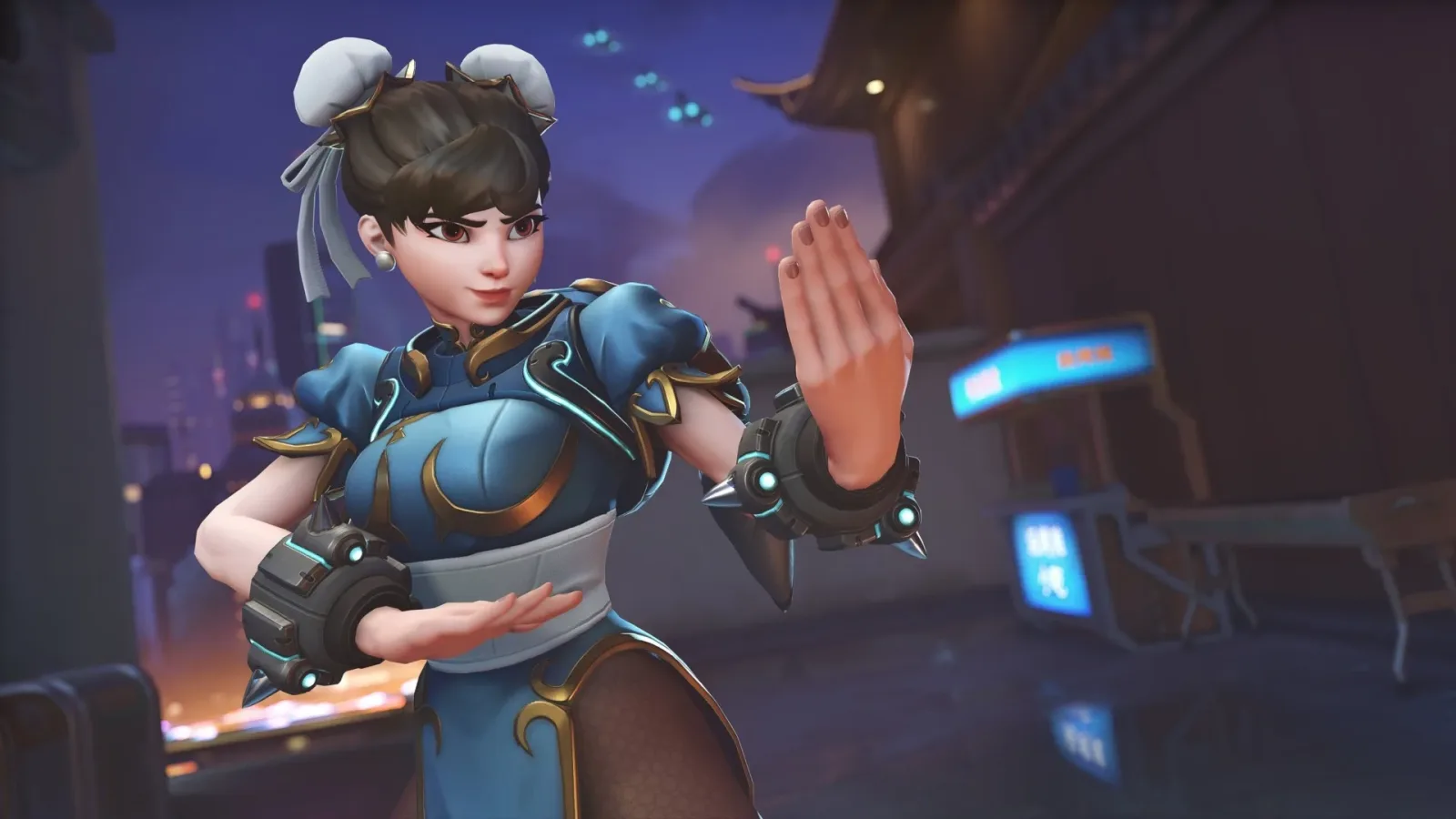
For years, Overwatch players have closely tracked which heroes receive the most cosmetic attention and which ones seem to disappear from the skin rotation for long stretches. It is an especially charged subject in a game where a player's favorite character can be central to how they express themselves, and where premium cosmetics are now a major part of the seasonal live-service model.
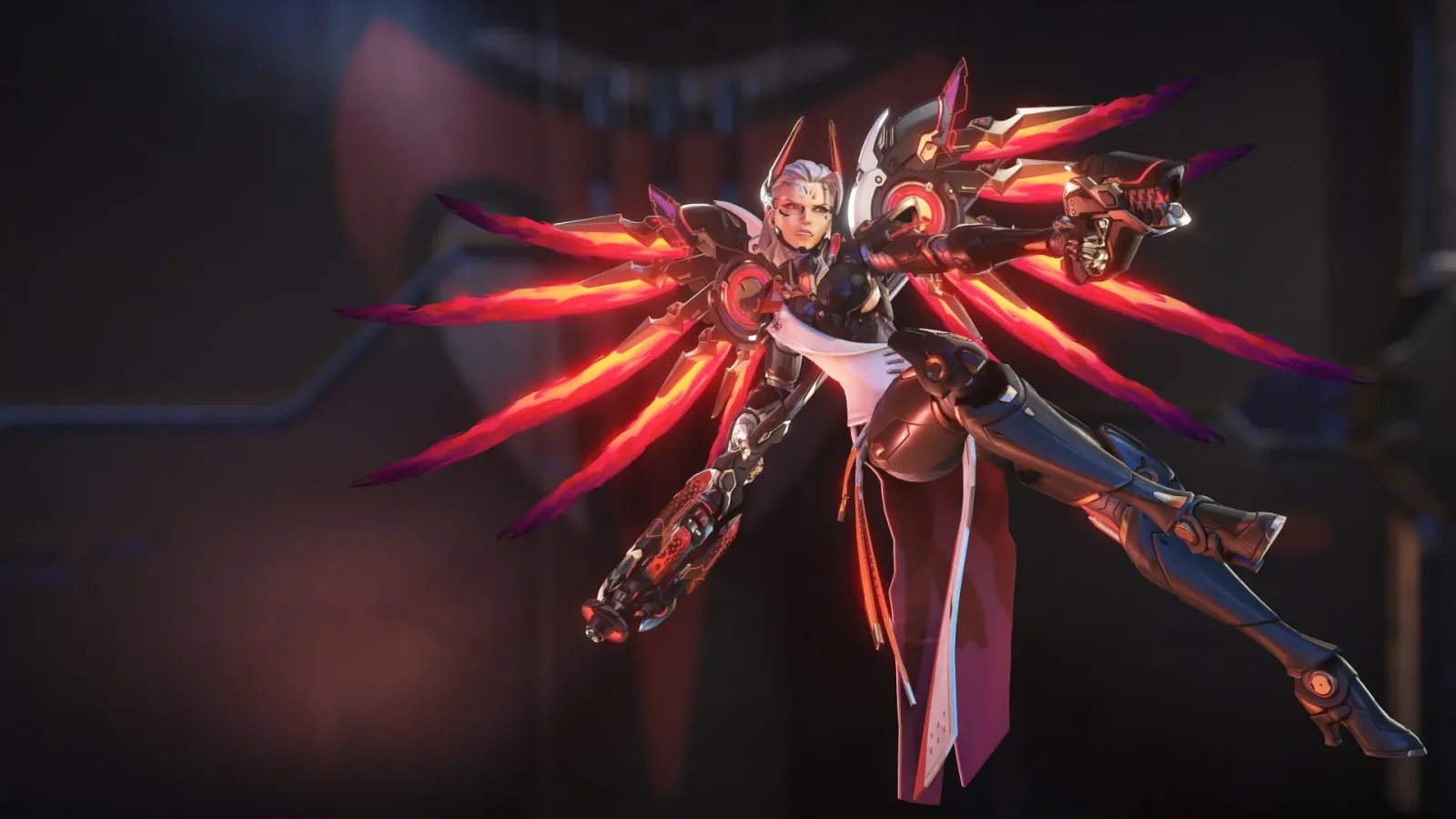
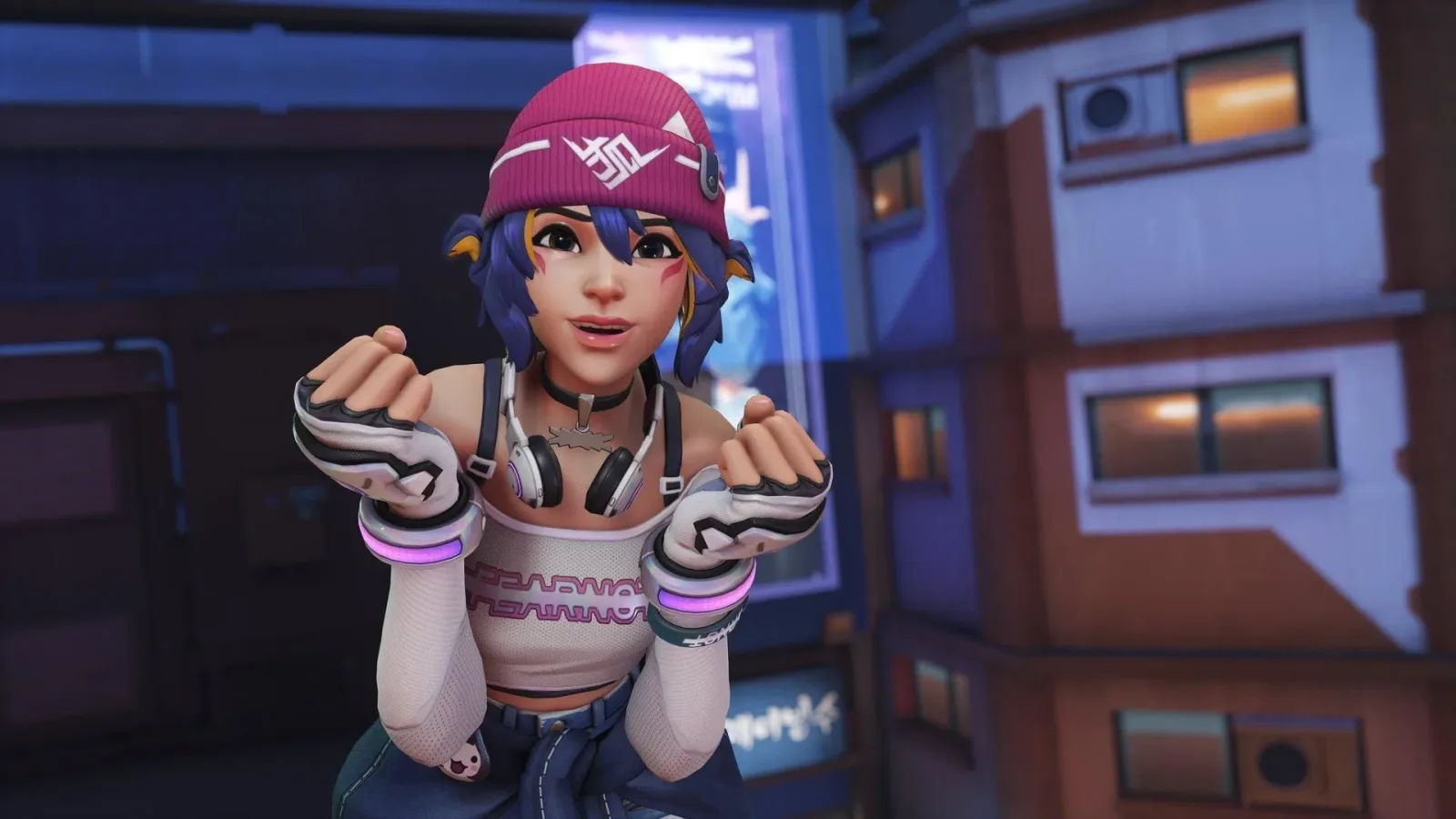
Heroes including Mercy, Kiriko, and Juno are regularly cited by the community as characters who receive a steady stream of high-profile outfits. Meanwhile, players who main Baptiste, Venture, Wrecking Ball, and other less frequently featured heroes have often faced much longer waits for Legendary-quality cosmetics. Some fans have gone further, arguing that newer hero designs can appear shaped around their potential to sell skins as much as their gameplay identity.
Overwatch game director Aaron Keller has acknowledged that the disparity is real and difficult to solve as the roster continues to grow. In a group interview, Keller described cosmetic distribution as one piece of a broader challenge: each new hero, map, storyline, and event asks the team to divide its attention across an increasingly large game. With the roster nearing 55 heroes, making sure every character feels supported is a much more complicated task than it was in the early years of Overwatch.
A Bigger Roster Means More Competition for Attention
Keller's comments place skins within a wider issue than store rotations alone. Every hero needs gameplay balance, visual updates, voice work, narrative consideration, and a place in the evolving world of Overwatch. As the cast has expanded, players have also raised questions about characters whose stories have been left unresolved or absent for years.
For useful background on this topic, read World of Warcraft Forever Preload Is Live as Global Launch Times Are Set.
Zarya is one example Keller referenced when discussing that narrative pressure. Fans may ask when a particular hero will become relevant to the ongoing story again, especially if earlier material appeared to set up threads that have not yet been revisited. The same fundamental limitation applies to cosmetics: when the game adds more heroes, there are more characters competing for a finite amount of development time and creative resources.
That does not erase the frustration of players who feel their main has been passed over. A fan who plays Wrecking Ball, for instance, does not necessarily care that the overall volume of skins is higher if the new releases repeatedly go to the same small group of heroes. But Keller's explanation makes clear that the team is trying to manage a growing number of needs rather than selecting cosmetic recipients in isolation.
Popular Heroes Still Support the Business
The most direct part of Keller's explanation is also the least surprising: certain heroes are more reliable sellers. In a free-to-play game supported by battle passes and an in-game shop, cosmetics are not just celebratory extras. They are a core part of the business that pays for continued development.
Keller said the team has spent the past few years expanding its ability to make skins. That increased capacity means the developers can continue creating cosmetics for heroes that are proven to generate strong support for the game while also producing more looks for characters that may not perform as well commercially.
In other words, skins for high-demand characters help create room for more ambitious or less commercially predictable cosmetic releases elsewhere in the roster. That is a practical reality of the game's current model, even if it can be disappointing for players who see their favorite hero routinely lose out to another Kiriko, Mercy, or Juno release.
The goal, Keller indicated, is to broaden support across the roster while making decisions that allow the team to keep supporting the game over the long term.
This framing also explains why cosmetic fairness is unlikely to mean perfectly equal treatment. An even split of premium outfits across every character might sound ideal from a player perspective, but it would not account for differences in demand, thematic fit, production schedules, or the sales expectations attached to a seasonal launch. Keller did not suggest that every hero will receive skins at the same pace. Instead, he pointed to increased production and the Mythic program as ways to narrow some of the most obvious gaps.
Two Mythic Skins Per Season Are Meant to Help
The clearest example of that approach, Keller said, can be found in the game's Mythic skins. Overwatch began releasing two customizable Mythic skins per season in October 2025. The structure is intended to balance a commercially dependable selection with an opportunity to spotlight someone who has received less attention in recent years.
Mythic cosmetics carry special significance because they are among the game's most visible and customizable rewards. They tend to function as a centerpiece for a season, giving the selected hero new visual themes and unlockable options. For a hero that has gone without many major cosmetics, receiving a Mythic can be a meaningful signal that the character has not been forgotten.
There have been examples that fit the model Keller described. Lifeweaver and Junkrat, for example, sit at very different points on the spectrum of cosmetic attention, making them a useful illustration of the intended balance between broad appeal and a chance for a less frequently featured hero to receive a major release.
Still, the strategy has not always landed cleanly with the community. A recent season gave Genji and Widowmaker their second Mythic skins in the same batch. Both are major, recognizable heroes with established appeal, but the double selection frustrated players who expected one of the two slots to go to a character with fewer premium cosmetics or no Mythic at all.
That reaction demonstrates the challenge Blizzard faces when communicating a pattern without making it a guarantee. Players can understand that popular heroes matter financially while still expecting the two-Mythic format to create more opportunities for underrepresented parts of the roster. When both picks go to heroes already perceived as well supported, the format can feel like it has failed to fulfill its most player-friendly promise.
Wuyang's Latest Mythic Has Renewed the Debate
The current season began on October 6 with a Mythic skin for Wuyang. The choice has again prompted debate because Wuyang has already received several skins since launching last year. For players waiting on heroes with years of limited cosmetic support, an early Mythic for a newer character can be difficult to square with the goal of spreading attention more widely.
The season's second Mythic has not yet been revealed. It is expected to arrive when the midseason phase begins later this week, and that choice will likely shape how players judge the season's overall balance. If the next selection goes to a long-neglected hero, it could reinforce Keller's explanation of pairing a major seller with someone who has had fewer opportunities. If not, the discussion surrounding repeat favorites will almost certainly continue.
Cosmetic Variety Is About More Than Revenue
While financial considerations are unavoidable, the skin conversation also matters because cosmetics help define the relationship between a game and its community. A fresh Legendary or Mythic is a chance for a player to feel recognized, especially when it fits their hero's personality, expands a beloved theme, or offers customization that makes a main feel personal.
Neglect can have the opposite effect. When a hero goes for months or years without a meaningful new cosmetic while more marketable characters repeatedly receive premium releases, the affected player communities can feel overlooked. That sentiment becomes stronger in a hero shooter because players often invest hundreds of matches, and sometimes much more, into a single character.
For Blizzard, the solution appears to be incremental rather than absolute. The team is increasing skin output, using the two-Mythic format to create additional headline slots, and attempting to pair sales-driven choices with characters who have historically received less. Keller's comments suggest the developers are aware of the criticism, even if the economic demands of a live-service game mean the most popular heroes will remain frequent fixtures in cosmetic plans.
The real test will be consistency. Players are likely to accept that Mercy, Kiriko, Juno, Genji, and other strong sellers will continue getting major outfits. What they want to see is credible evidence that Baptiste, Venture, Wrecking Ball, and the rest of the overlooked roster will not simply be asked to wait indefinitely. The upcoming midseason Mythic reveal will be one more indication of how successfully Overwatch can balance those two priorities.
Community
Discussion
Start the conversation.
No comments have been posted yet.