

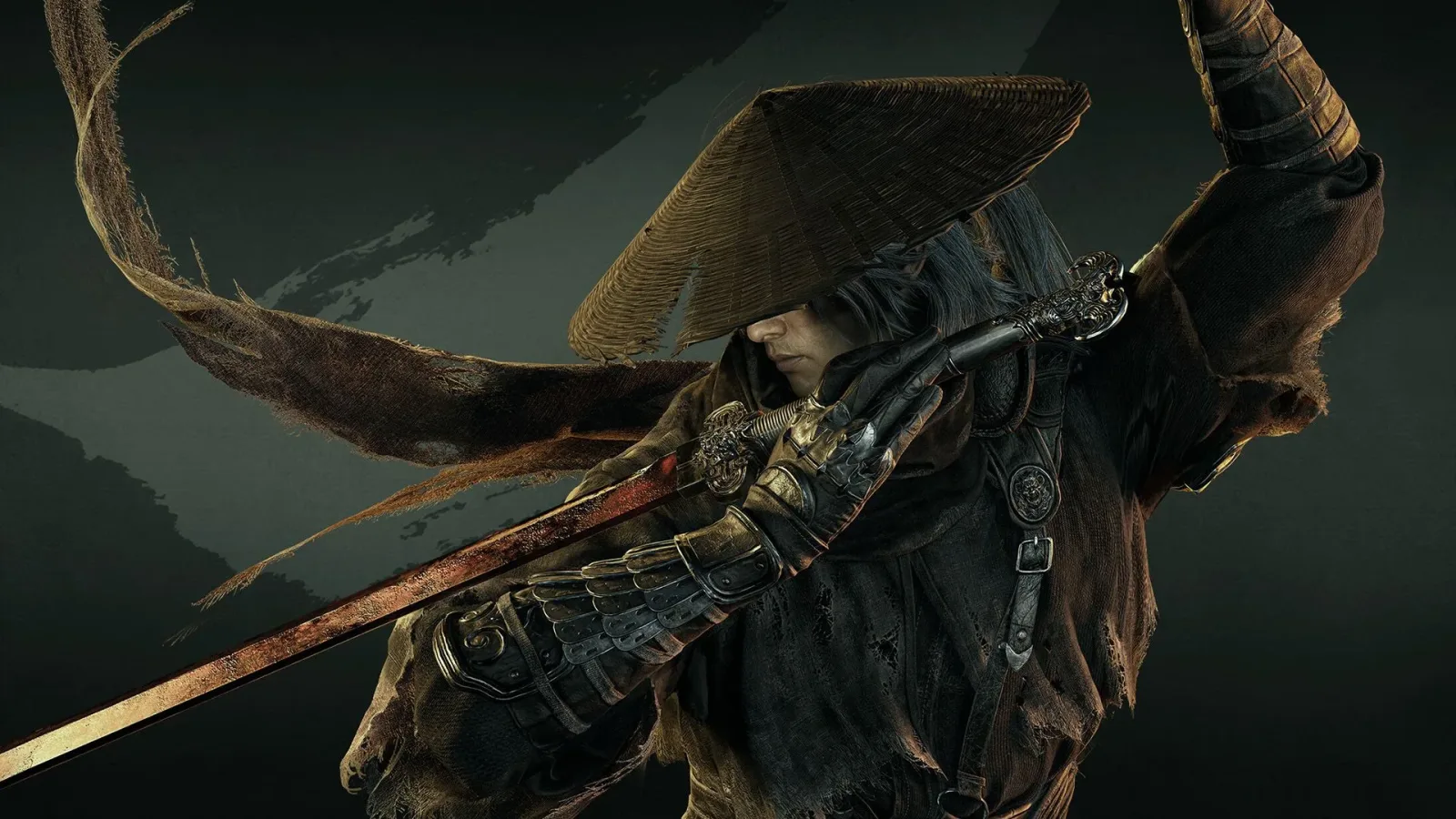
Phantom Blade Zero is shaping up to be an action RPG that understands why difficult combat games are compelling without treating constant punishment as the only route to satisfaction. A recent extended hands-on session with S-Game's upcoming adventure suggests that it borrows recognizable structural ideas from the Soulslike space--rest points, deliberate boss battles, exploration that rewards attention--but applies them to a distinctly wuxia-inspired fantasy world and a more welcoming early-game rhythm.
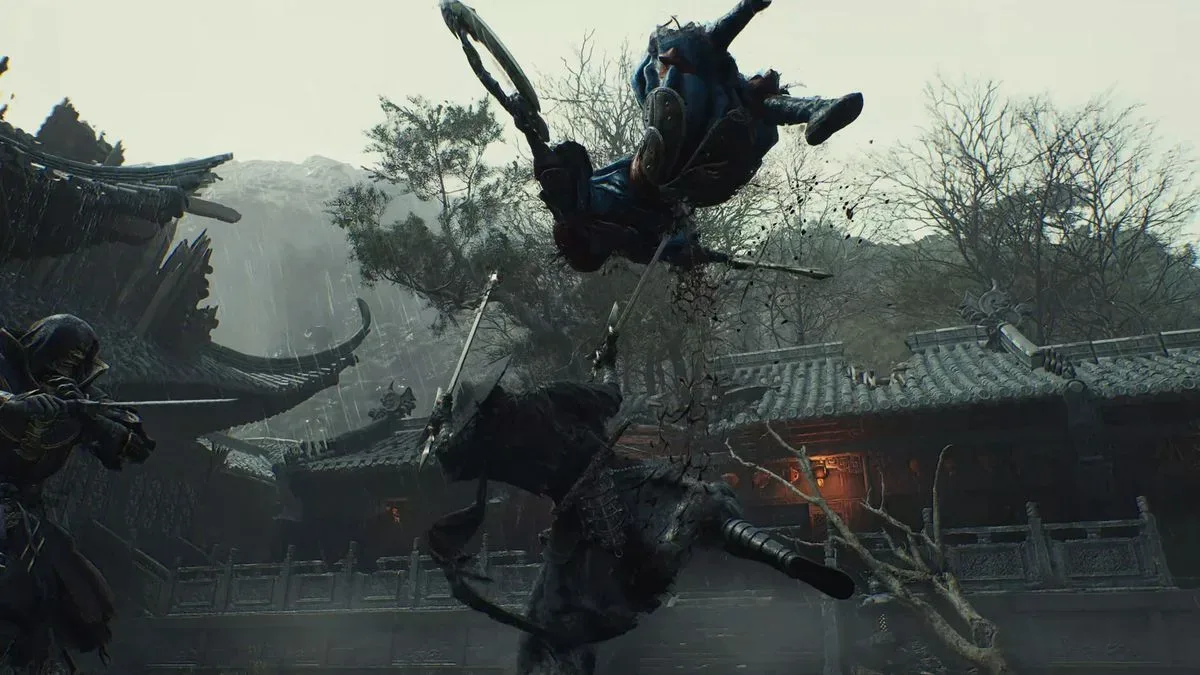
Set to launch on October 29, 2026 for PC and PlayStation 5, Phantom Blade Zero stars a warrior named Soul in a world that mixes martial-arts spectacle with grim, horror-leaning imagery. The combination is immediately visible in both combat and traversal. Characters vault onto rooftops, race across walls, evade with astonishing agility, and punctuate battles with dramatic finishing techniques. It is not simply an action game with a few ornamental martial-arts animations attached; the sense of movement and fighting style appears central to its identity.
That personality may be Phantom Blade Zero's clearest advantage. The game can look familiar in broad genre terms, but the hands-on impression is of something more interested in flow, weapon expression and cinematic physicality than in demanding that players repeatedly endure severe setbacks. Its early hours still ask for timing and awareness, particularly when larger enemies arrive, yet they appear designed to let players feel capable before increasing the pressure.
A Soulslike Framework Without the Same Early Harshness
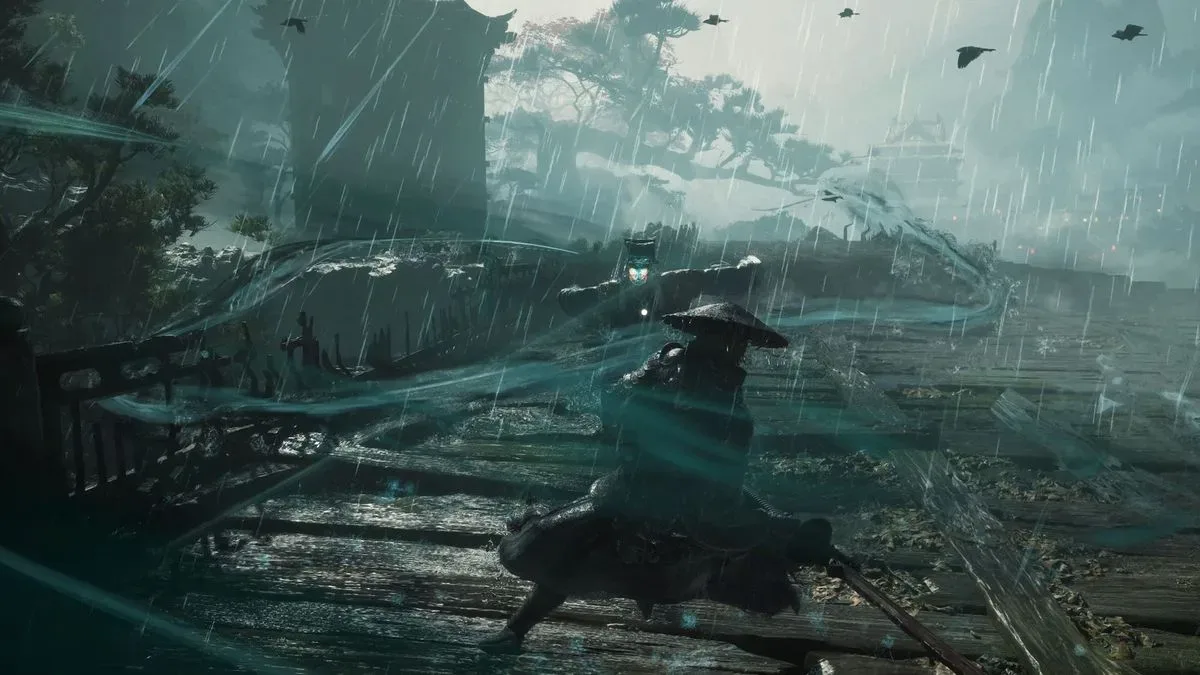
The opening combat encounters establish a balance between danger and empowerment. One particularly imposing humanoid enemy attacks with a rusty greatsword, forcing Soul to either move out of range or meet incoming strikes with a well-timed parry. Those exchanges are said to have a strong impact, with successful counters and return blows delivering the kind of weight an action RPG needs when it asks players to stand their ground.
For useful background on this topic, read Final Fantasy 7 Revelation Director Says Minigame Debate Misses the Bigger Design Question.
On the normal difficulty setting, the opening stretch is reportedly relatively forgiving. Parry timing has a reasonably generous window, Soul can survive several hits before healing becomes necessary, and ordinary enemies can often be overwhelmed through effective combo strings. That does not mean careless play is the intended path forward. More formidable opponents can still punish complacency, and bosses demand concentration. The difference is that the game does not seem eager to make every small mistake feel catastrophic.
Resting bells provide a familiar checkpoint function, including opportunities for rest and fast travel. Their presence will naturally invite comparison with Soulslike conventions, but Phantom Blade Zero seems less concerned with recreating an especially punishing version of that formula. The appeal instead lies in learning an opponent's cadence, responding with stylish movement, and turning that knowledge into confident offense.
Phantom Blade Zero's early combat appears built to make players feel like skilled martial-arts heroes, while still leaving room for tougher enemies and bosses to test their timing.
That distinction could prove important. Soulslike design has expanded far beyond a single set of rules, and many players enjoy the genre's boss-focused structure and careful combat without necessarily seeking maximum frustration. A game that retains tension while making room for experimentation with weapons and combos could find a broad audience, particularly if its later challenges scale naturally from the foundations presented in the preview.
Weapons and Combat Styles Encourage Experimentation
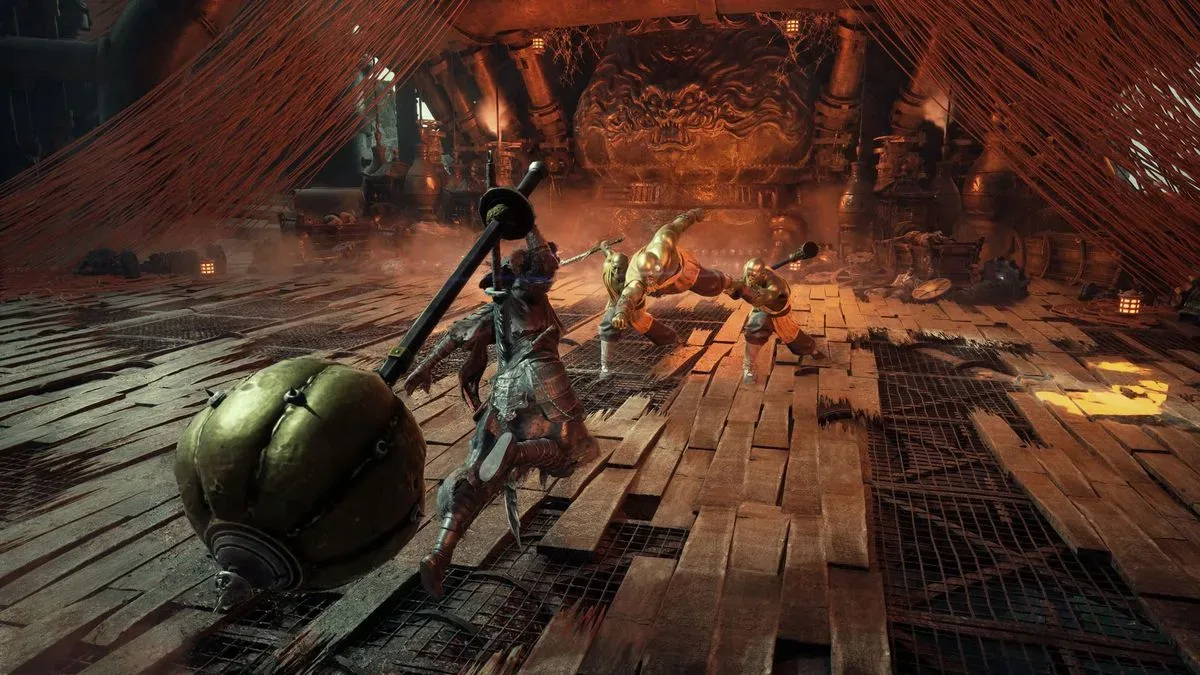
Weapon choice is a major part of that promise. The available fighting styles range from quick dual daggers to larger blades with much heavier, more measured swings. The contrast suggests players will not be locked into one ideal approach. Those who prefer close, aggressive pressure can lean into speed, while players who enjoy slower spacing and deliberate impact may find a better fit in bulkier weapons.
The larger weapon animations reportedly have an almost drunken-fighting rhythm, emphasizing poise and personality rather than plain utility. It is an encouraging sign for a game so focused on martial-arts fantasy: equipment is not merely a collection of damage values, but a potential way to change Soul's entire presence in battle.
Another key component is Phantom Edge, an additional weapon action activated with R2. At first, it has a straightforward environmental purpose, breaking barriers that obstruct progress. Its combat use is much more dramatic. An axe-like strike can inflict substantial damage, giving players another high-impact option during difficult encounters. Discovering that it can be used so effectively against bosses appears to be one of the moments where the various combat systems begin to click together.
That is a useful design choice because it connects exploration and fighting. A tool introduced for progression is not forgotten once a path opens; it becomes part of the player's combat vocabulary. If Phantom Blade Zero continues to build on that principle, each new mechanical discovery could make both its world and its battles feel more interconnected.
Vertical Spaces Give the World a Sense of Scale
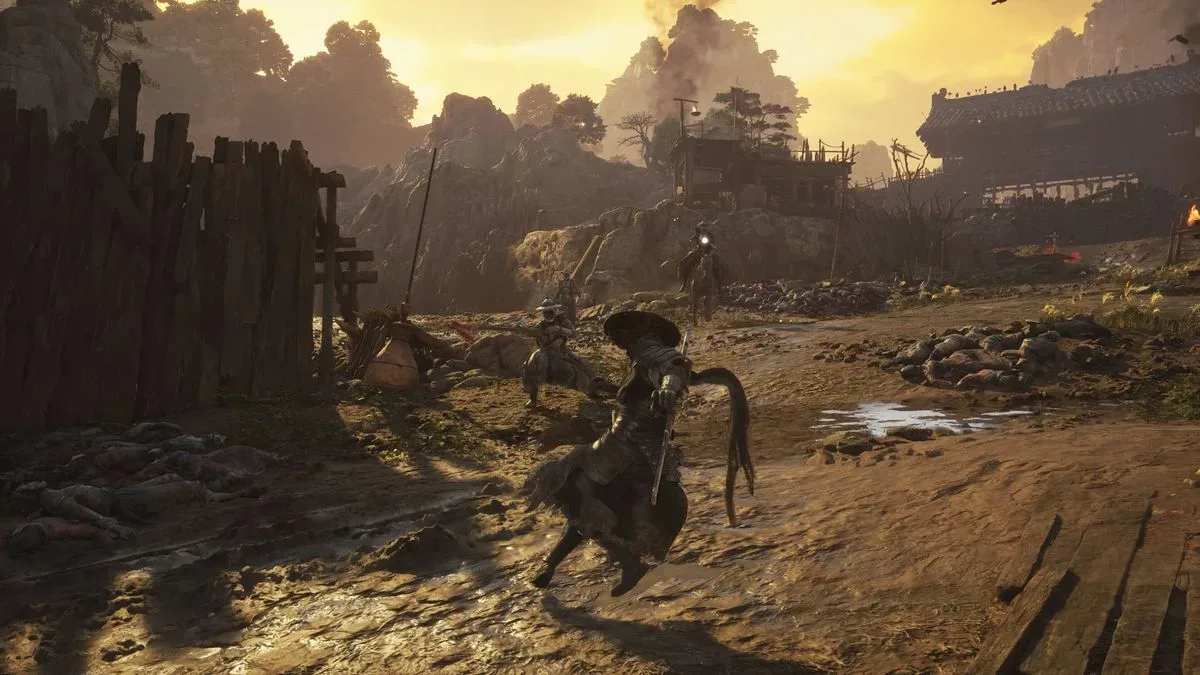
The preview begins with a skirmish aboard a horse-drawn carriage before Soul heads through a deep ravine. From there, the environment opens into routes with considerable verticality. Winding paths are populated by enemies, while walls, chains and ladders make traversal feel more active than a simple march from arena to arena. Soul can run along walls and use the environment to climb toward new spaces, reinforcing the game's wuxia influence outside combat.
Red thread is a recurring visual motif within this opening area. Some barriers made from it prevent further progress, while an ethereal thread can guide Soul toward the next objective, often pointing the way to a major encounter. The imagery gives the journey a mystical throughline, and it could also help guide players through layered environments without reducing exploration to a trail of obvious markers.
Eventually, Soul reaches a village inhabited by friendly non-player characters. This moment reportedly sells the scale of the game more effectively than the earlier ravine. After battling through dangerous terrain, entering an inhabited settlement makes the world feel more like a connected place than a sequence of combat stages. It also raises questions about the kinds of locations that may appear beyond the preview's route.
That sense of safety does not last for long. A line of corpses leads toward another boss arena, a transition that suits the game's mixture of beauty, menace and dark fantasy. The preview then continues upward, with Soul climbing atop a castle after dealing with sharp-eyed archers and molten monsters. Along the way, there are corners and side spaces worth checking for items that can improve equipment.
Enhanceable gear is a staple of the genre, but it remains a meaningful incentive when levels are designed to support curiosity. Vertical routes, hidden resources and environmental obstacles can make a simple upgrade hunt feel like part of an adventure rather than a checklist. Phantom Blade Zero appears to understand that its most memorable spaces need to be enjoyable to move through as well as fight in.
A Lion Dance Boss Steals the Closing Stretch
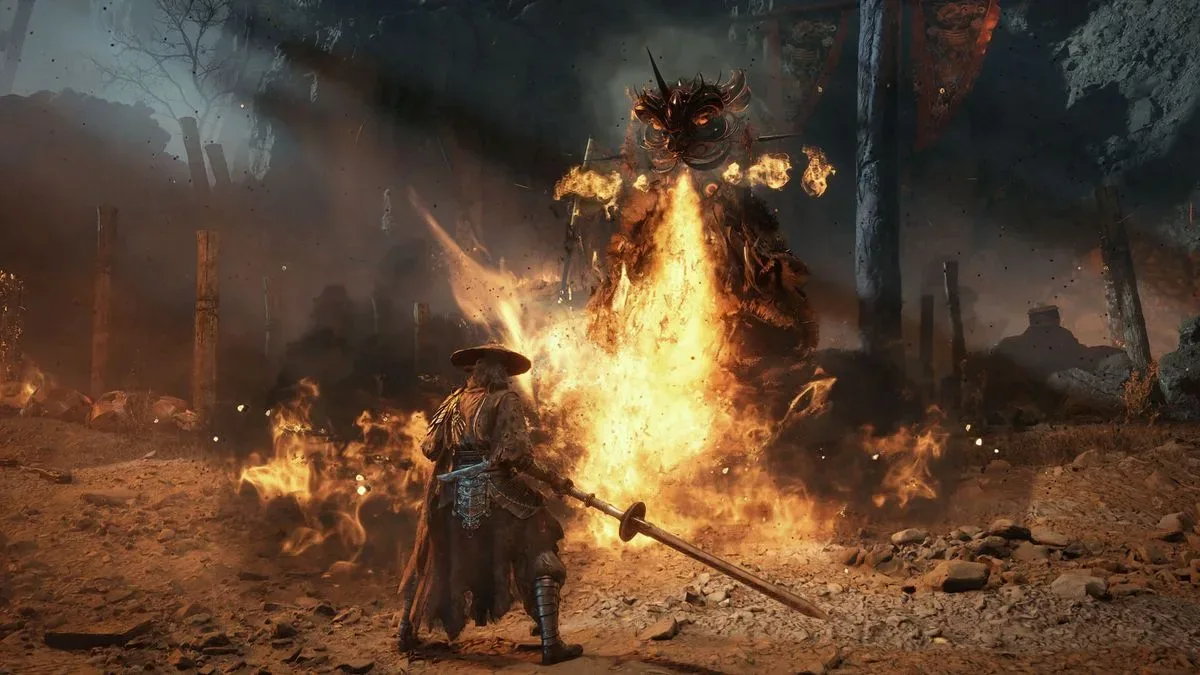
The final portion of the session centers on Flame, the Mask-Bound Lion Dance Grandmaster. This enormous opponent evokes the theatrical silhouette of a lion-dance creature while wielding fire as an increasingly disruptive weapon. For players who favor monster battles over duels with human opponents, Flame seems poised to be a highlight: a large, visually distinct creature that demands dodges, parries and well-chosen combo opportunities.
The arena becomes more restrictive as the battle progresses. Flame's attacks set parts of the floor ablaze, cutting off movement routes and forcing the player to reconsider where it is safe to stand. That escalating environmental hazard adds a tactical layer beyond simply reading attack animations. It also prevents the fight from becoming static, as the arena itself changes the terms of engagement.
Defeating Flame's first form is not the end. A second phase introduces a humanoid combatant still wearing the lion head, but moving with far greater speed and purpose. The transformation changes the feeling of the encounter from a clash with a wild, flaming beast into a more direct martial-arts duel. It is an effective way to use one boss concept to test two different skills: dealing with broad creature attacks first, then adapting to a quicker and more technical opponent.
The session ended before that second phase could be beaten, leaving the encounter unresolved. Even so, that cliffhanger seems to have accomplished its purpose. A boss that shifts shape, pacing and combat language mid-fight can leave a stronger impression than one that only grows more aggressive. Flame's design also speaks to the variety Phantom Blade Zero may offer across its larger campaign.
An Action RPG Worth Watching in 2026
There is still much that remains unknown about Phantom Blade Zero beyond this hands-on slice. A few hours cannot answer how consistent its level design will be, how flexible its builds may become, or whether its approachable opening maintains a satisfying difficulty curve. But the material shown so far offers several reasons for optimism.
- Wuxia-inspired movement gives traversal and combat a strong visual identity.
- Early parry and survival margins appear more accessible than in many Soulslike games.
- Multiple weapon styles offer different tempos and approaches to combat.
- Phantom Edge ties environmental progression to high-damage offensive options.
- Vertical environments reward exploration with upgrades and alternate routes.
- Bosses appear ready to change the rules through arena hazards and multi-phase twists.
Most importantly, Phantom Blade Zero appears to be pursuing its own rhythm rather than relying entirely on genre familiarity. Its rest bells, upgrade materials and punishing bosses will be recognizable to action-RPG fans, but its martial-arts choreography, dramatic traversal and willingness to let players feel powerful could separate it from the crowd.
With PC and PlayStation 5 players waiting until October 29, 2026, the game still has time to reveal more of Soul's world and its deeper systems. Based on this preview, though, S-Game's action RPG has the potential to be one of the more striking combat-focused releases of 2026--not because it imitates the hardest games in its field, but because it gives their ideas a different kind of momentum.
Community
Discussion
Start the conversation.
No comments have been posted yet.