

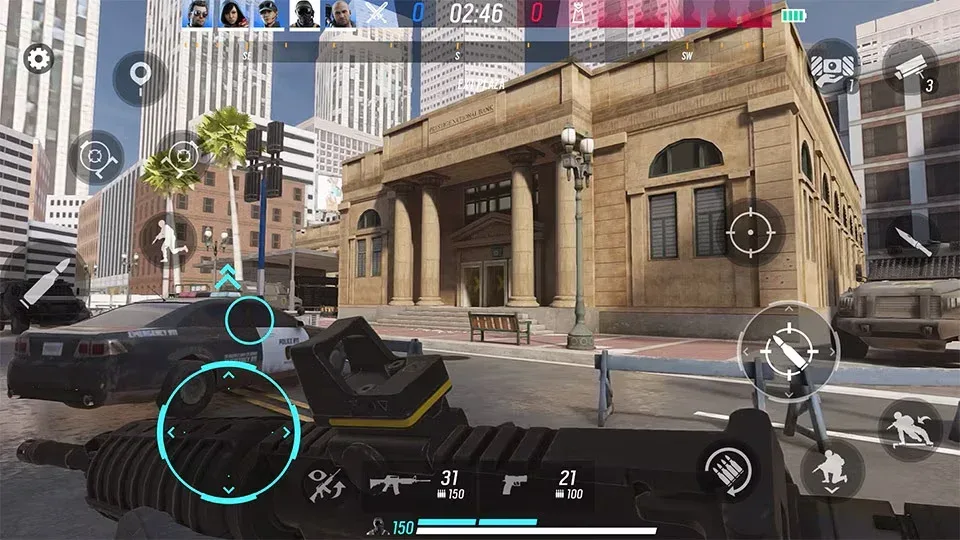
Rainbow Six Mobile is heading for an early end. Ubisoft has confirmed that its free-to-play tactical multiplayer shooter will be sunset on January 15, 2027, leaving the game with less than a year of availability following its global launch in February 2026.
The publisher announced the decision through the game's social media account on October 8, describing it as a difficult choice. Players will still have a short period to continue playing before services conclude, and the immediate roadmap is not being abandoned altogether: the game's next season is expected to launch as planned next week.
It is a sharp outcome for a project that had spent years moving through announcement, testing, regional deployment, and delay periods before reaching a worldwide audience. Rainbow Six Mobile was intended to bring the careful, team-oriented action associated with Ubisoft's long-running tactical shooter series to iOS and Android devices. Instead, it now joins a growing list of ambitious live-service projects that struggled to establish a lasting place in players' routines.
A long road to a short global run
Rainbow Six Mobile was first revealed in 2022. Its path to release was not especially quick. A beta program ran through 2023 and continued into 2024, giving Ubisoft time to test the mobile adaptation while building toward a larger rollout. The title was later delayed into 2025.
For useful background on this topic, read The Witch's Bakery Heads to PC and Consoles October 14, Mobile Edition Planned for Crunchyroll Game Vault.
That year, Rainbow Six Mobile launched in Latin America, a region where the Rainbow Six brand has substantial popularity. A global release followed on February 23, 2026. The extended preparation made the shutdown announcement particularly striking: the game had only recently cleared the point where players around the world could access it.
While the game accumulated millions of downloads across Android and iOS, downloads are only one part of the equation for a competitive free-to-play multiplayer game. Such games need an active and durable player base, regular engagement, and enough confidence in their monetization model to support continued development. Rainbow Six Mobile appears not to have found that sustained momentum after its worldwide debut.
The closure date also gives current players a defined final window. Ubisoft has not suggested that the service will end immediately, and the planned season indicates that the team is still preparing at least one more content update. However, January 15, 2027 is now the key date for anyone still playing, progressing through the season structure, or considering how much time remains for the mobile version.
What players wanted from a Rainbow Six adaptation
Rainbow Six Mobile entered a difficult space. The series is closely associated with tactical rounds, specialized operators, destructive environments, defensive preparation, and a pace that rewards communication and planning. Translating those traits to touch-screen devices is possible, but the experience has to balance accessibility with the depth fans expect from the franchise.
Player feedback pointed to that tension. One Google Play Store review described the game as solid overall, while arguing that it needed to resemble its console and PC counterpart more closely. The reviewer specifically wanted a broader selection of operators and more control over spawn choices, rather than the random approach used in the mobile game.
Those details matter because operator selection and round setup are central to Rainbow Six's identity. Operators do more than provide cosmetic variety; their individual tools and roles shape how teams attack, defend, gather information, and counter opponents. Likewise, decisions made before the action begins can be as important as aim during a round. If longtime players feel that those systems are simplified too far, a mobile spin-off can risk feeling adjacent to Rainbow Six rather than like a full expression of it.
At the same time, a mobile version cannot simply duplicate every complexity of a controller- and keyboard-driven competitive shooter. Match lengths, touchscreen controls, device performance, and the expectations of mobile players all demand compromises. Finding the right middle ground is one of the largest challenges in adapting a major multiplayer franchise, particularly when the established game has years of content and a dedicated audience behind it.
Free-to-play concerns followed the game
Feedback around Rainbow Six Mobile also included criticism of its free-to-play structure. Some players objected to operators being locked behind paywalls and described progression as overly grind-heavy. Those complaints are especially significant in a game built around recognizable characters with distinct abilities. When gameplay options are perceived as difficult to earn or tied too closely to spending, players may feel that the competitive experience is being restricted rather than expanded.
Monetization is a recurring challenge for live-service games, but it can be especially delicate in competitive shooters. Publishers need ongoing revenue to fund servers, new seasons, updates, and development teams. Players, meanwhile, expect meaningful access to gameplay-affecting options without an unreasonable time investment or pressure to pay. A system that appears too restrictive can make it harder to retain casual players while also disappointing the committed audience a service game needs.
Rainbow Six Mobile's shutdown does not erase the work involved in adapting the series for smartphones, nor does it mean there was no interest in the concept. Millions of downloads demonstrate that the game reached a large number of people. But visibility at launch is not the same as longevity, and the title's reported difficulty remaining in players' regular rotations appears to have been decisive.
Another difficult result for Ubisoft's live-service push
The news also adds to broader questions around Ubisoft's attempts to turn major brands into long-running live-service successes, particularly on mobile. The company has pursued mobile versions and connected experiences based on several established franchises, but name recognition has not guaranteed a lasting audience.
The Division Resurgence is another example of a Ubisoft mobile spin-off facing a challenging reception. That looter shooter was recently brought to PC as well, where players have criticized it for bugs, repetitive design, and a sense that the game is largely abandoned. The circumstances are not identical to Rainbow Six Mobile's, but together they underline how difficult it is to build and maintain an audience for persistent online games--even when they use familiar franchises.
For companies pursuing live service, every project competes not only with newly released games but also with the habits players already have. Multiplayer audiences often divide their time among a handful of games with established friends, progression, cosmetics, and seasonal commitments. A new title must give them a clear reason to add another game to that rotation, and it must keep delivering enough value to prevent it from being dropped after the initial curiosity fades.
That challenge is amplified on mobile, where the market is crowded with long-running free-to-play games designed around frequent sessions, battle passes, events, and aggressive content schedules. A recognizable name can create initial awareness, but it does not automatically solve the problems of retention, control design, balance, progression, or monetization.
What happens next
Rainbow Six Mobile will remain available until January 15, 2027, with its next season still due next week. Beyond that, the important fact for the existing community is that the game now has a confirmed endpoint. Players who have invested time in its operator progression, seasonal content, and multiplayer matches have only a limited period left to use the service.
Ubisoft has not provided additional details here about the exact shutdown process, potential changes during the remaining months, or how any purchases and in-game progression will be handled once the service ends. Players should therefore pay attention to future in-game notices and official updates as the January deadline approaches.
For the Rainbow Six brand, the mobile effort shows both the appeal and difficulty of expanding a tactical shooter to a new platform. The series has enough recognition to draw millions of installs, but maintaining a successful mobile service required more than that initial attention. With the shutdown now scheduled, Rainbow Six Mobile's years-long journey from 2022 announcement to global launch will conclude only months after reaching its widest audience.
Community
Discussion
Start the conversation.
No comments have been posted yet.